
Meet the Speaker
What should a learning space make possible?
A learning environment is never just the setting around a lesson. The way learners move, interact, collaborate, focus and participate is closely connected to the spaces designed around them.
As schools rethink what learning looks and feels like, this raises an important question:
Can our learning environments evolve with the learners who use them?
At PULSE 2026 | Where Culture Meets Learning, Ralph Razisberger brings this question into focus.
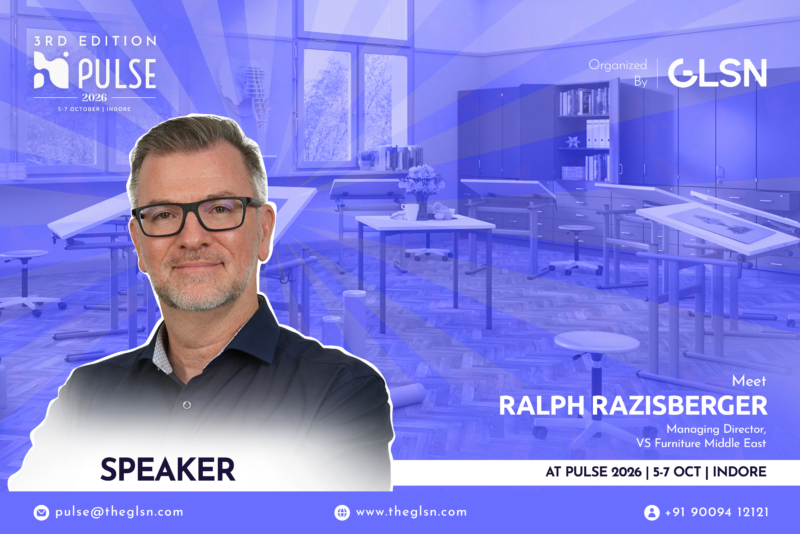
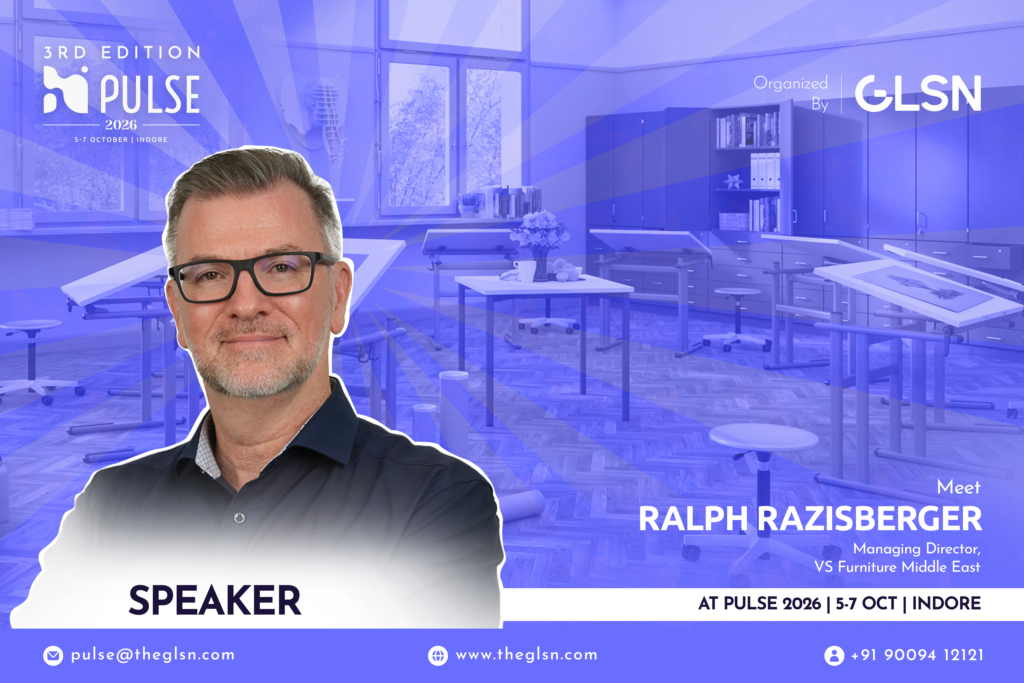
Ralph Razisberger
Managing Director, VS Furniture Middle East
Ralph leads VS Furniture Middle East, bringing his experience in educational environments to the development of innovative, flexible and future-ready learning spaces across the Middle East.
With a Master’s in International Management and Corporate Strategy and experience as a guest lecturer in graduate programmes, Ralph brings an informed perspective on how educational environments can respond to changing approaches to learning.
His work spans learning environments from nursery to university, with a focus on creating spaces that can support the changing needs of learners and educators.
When Space Becomes Part of Learning
The learning environment influences more than where a lesson takes place.
It can shape opportunities for movement, collaboration, interaction, flexibility and engagement.
This makes the design of everyday learning spaces worth looking at more closely.
How flexible is the environment?
Can learners use the space in different ways?
Does it support different modes of learning?
Can it adapt as educational needs change?
These questions sit at the heart of the learning-space conversation Ralph brings to PULSE.
From Nursery to University
Learning happens differently at different stages.
The needs of a young learner are not the same as those of a university student. Yet across educational settings, there is a growing need for environments that can respond to different activities, different learners and different ways of learning.
Ralph’s perspective brings attention to this adaptability – considering how learning environments can become more flexible, functional and responsive rather than remaining fixed around a single way of teaching.
It is a conversation that moves beyond how a classroom looks.
It asks what the environment actually allows learners and educators to do.
Why His Perspective Matters at PULSE
For school leaders and educators, Ralph’s perspective opens up a closer look at the everyday environments in which learning unfolds.
For architects and designers, it brings attention to flexibility and the relationship between spatial decisions and learning experiences.
And for anyone shaping educational environments, it raises a simple but important consideration:
Are we designing learning spaces for the way education works today — or for the way learning is continuing to evolve?
That question connects directly with the spirit of PULSE 2026 | Where Culture Meets Learning.
Because when culture meets learning, the conversation is not only about buildings or classrooms.
It is about creating environments that help people learn, connect, participate and grow.
A Conversation to Look Forward To
What makes a learning space adaptable?
How can environments support different ways of learning?
And how might we create spaces that remain relevant as learners, educators and educational practices continue to change?
These are questions worth bringing into the room at PULSE.
We’re delighted to welcome Ralph Razisberger to PULSE 2026 and look forward to the perspective he will bring to the conversation on flexible, responsive and future-ready learning environments.
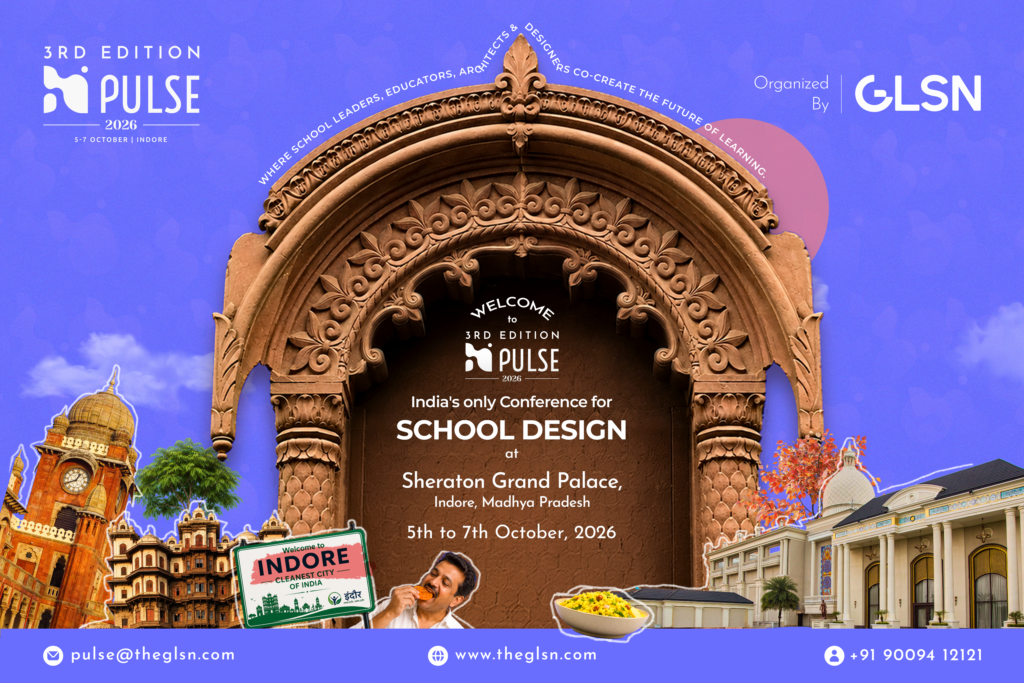
PULSE 2026 | Where Culture Meets Learning
5–7 October 2026 | Sheraton Grand Palace, Indore
For architects, designers, school leaders, educators and everyone shaping the environments where learning happens.
Join us at PULSE 2026 and be part of the conversation.