
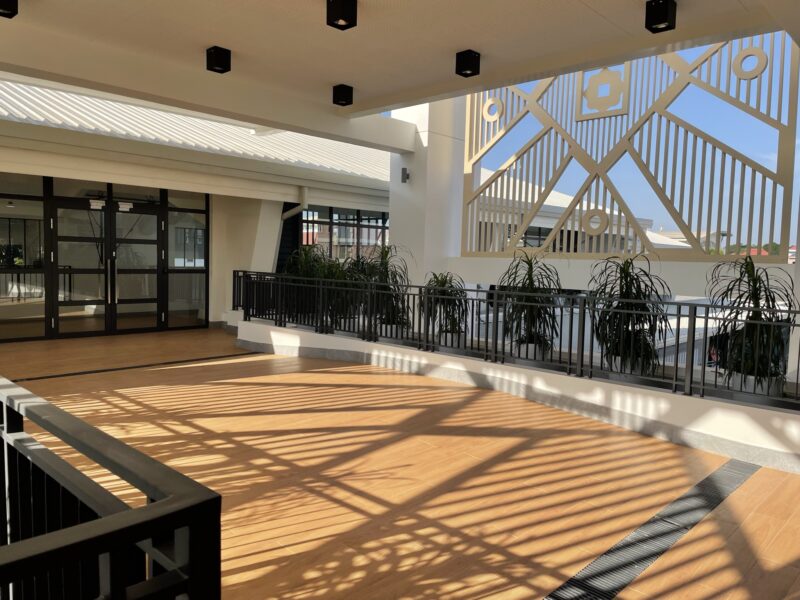
Shared by the architects upon our invitation.
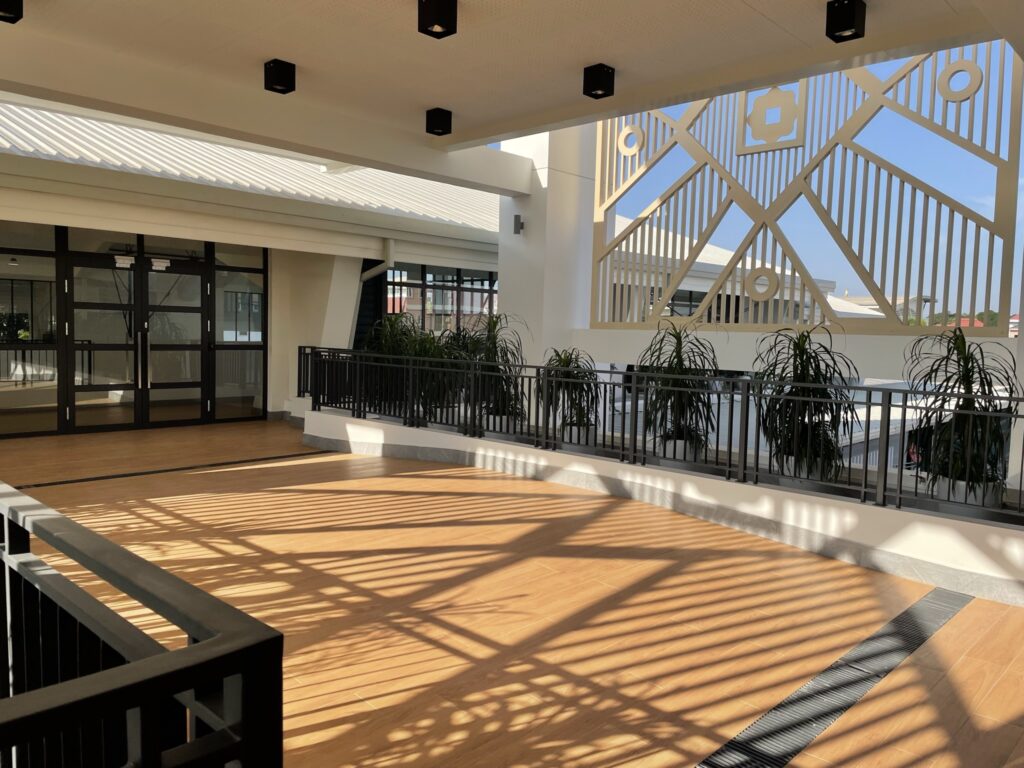
A transformative new precinct that incorporates performing arts, administration, and sporting facilities. This project reflects VIS’s vision for a vibrant, sustainable, and community-focused campus, serving as a gateway statement that boldly announces the school’s identity while enhancing its lush green setting.
Following a site visit in 2019, it was evident to EIW that these new buildings had to do more than meet functional requirements. They needed to redefine the school’s presence, address climatic challenges, and align with VIS’s focus on sustainability and the United Nations Sustainable Development Goals (SDGs).
The design process was rooted in deep cultural and contextual understanding. Working closely with VIS leadership, teachers, and the wider school community, the project translated local Lao traditions into a contemporary form that could speak to both international and local audiences.
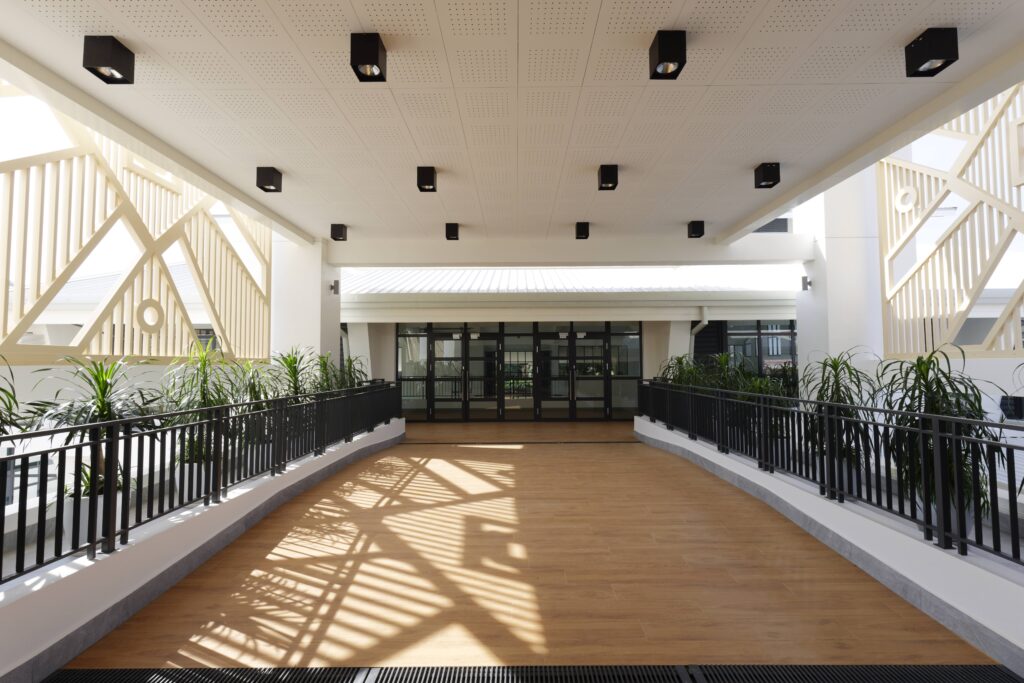
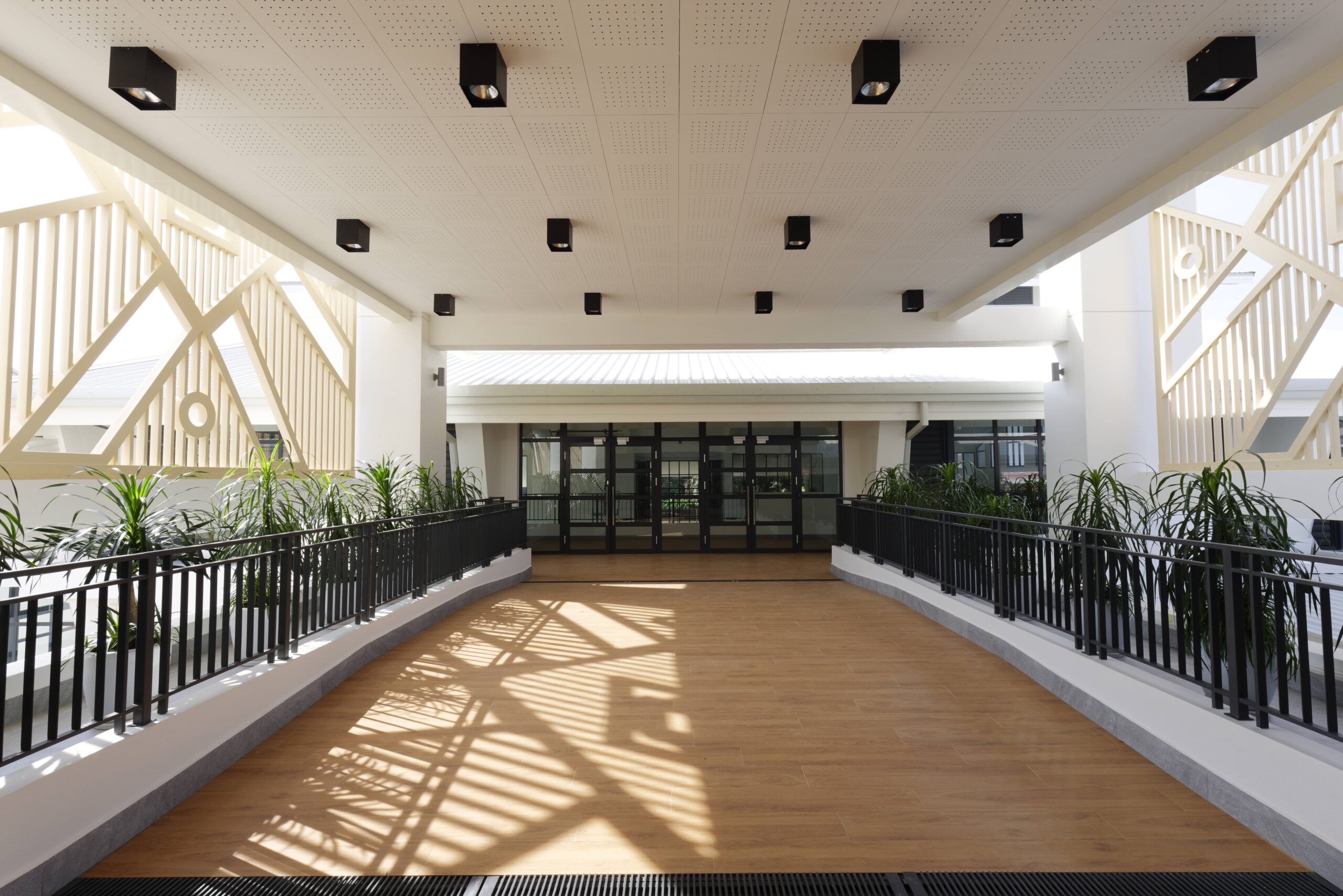
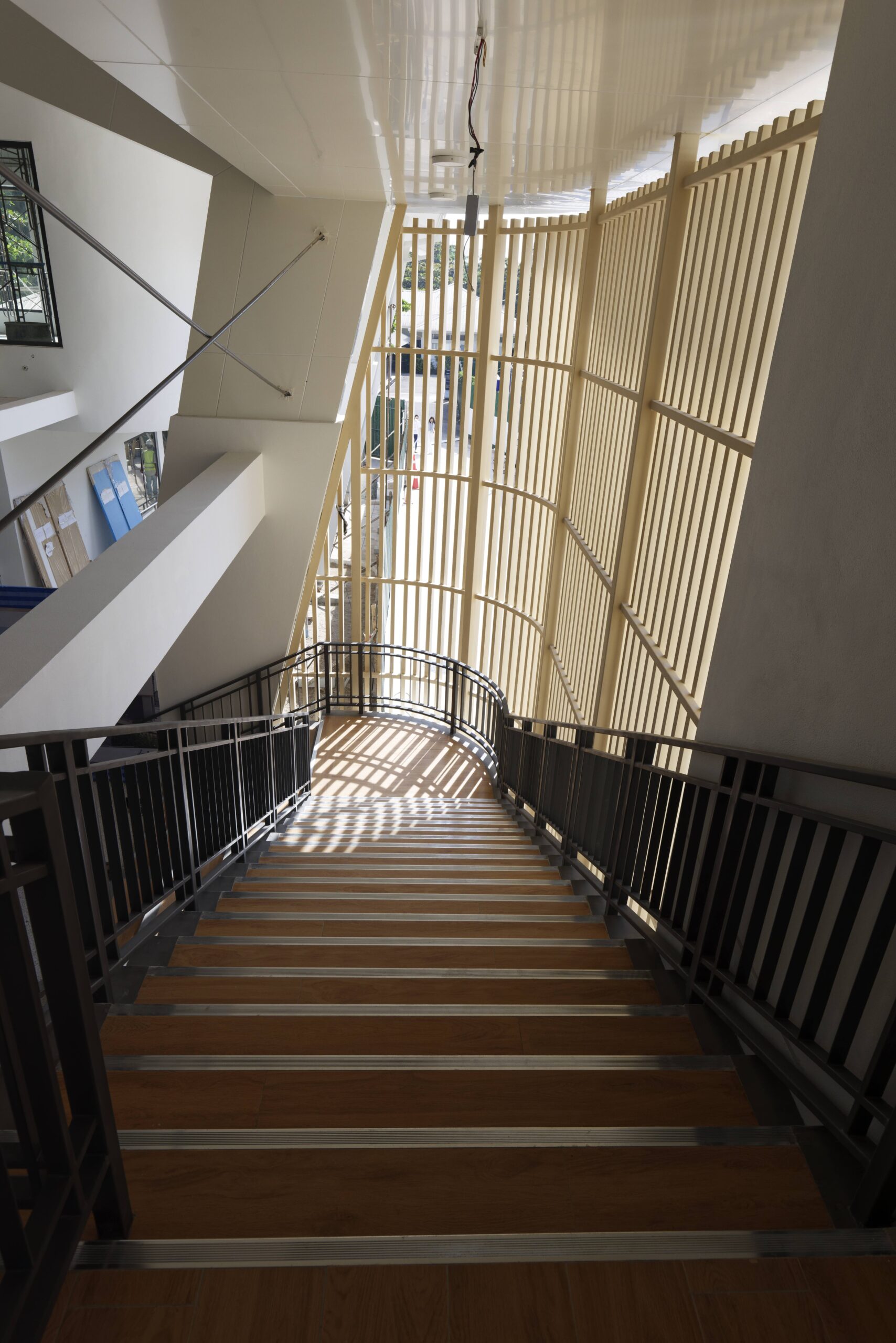
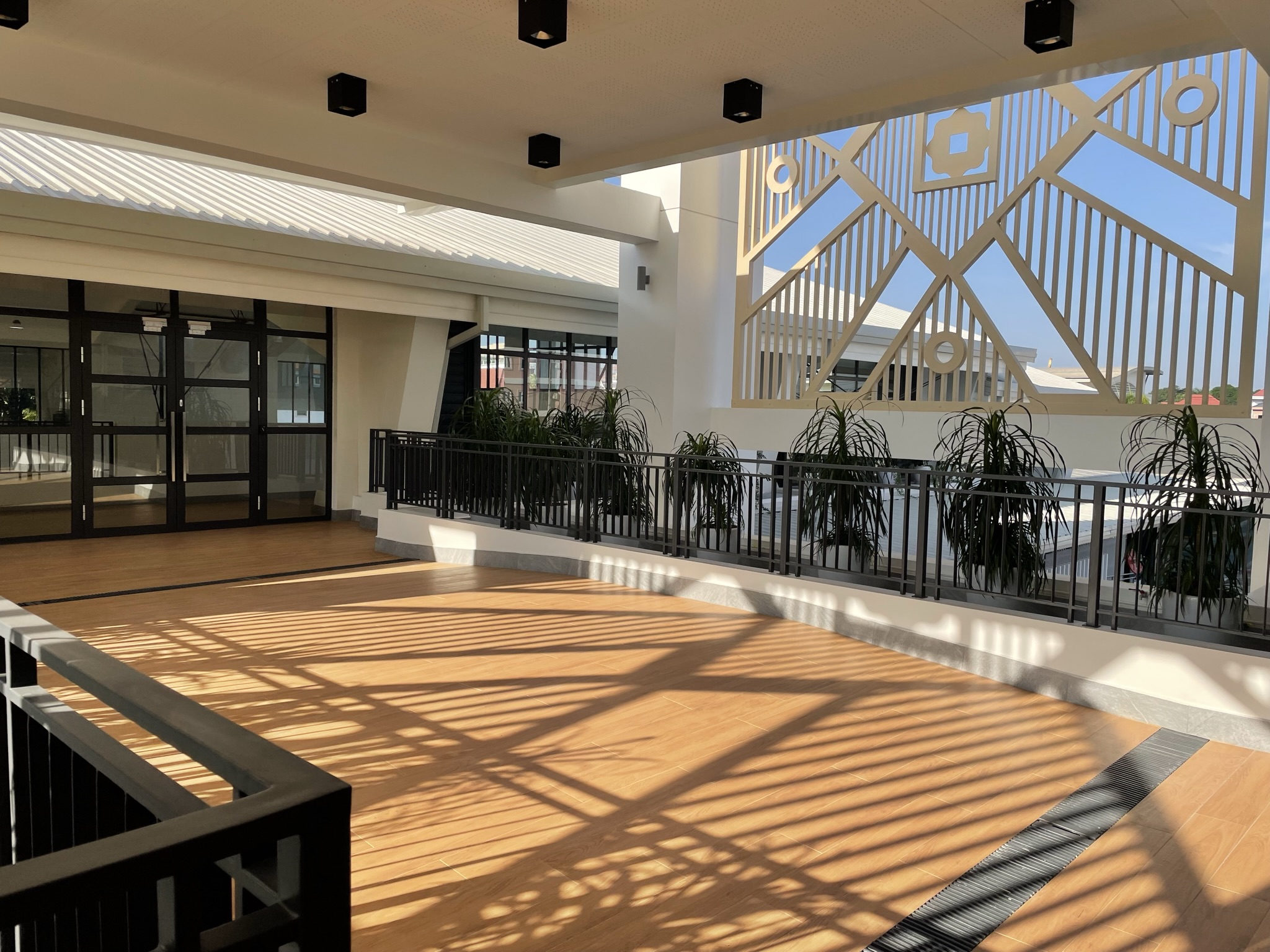
Inspirations were drawn from simplicity, spirituality, and symbolism qualities embodied in the daily presence of monks and the local rhythms of community life. This informed a building that is porous and alive, with open-air verandas, shaded gathering spaces, and layered screening that responds to climate, light, and airflow.
EIW’s Vision
At the heart of this project was a commitment to creating spaces that nurture learning, creativity, and connection. The design balances global aspirations with local context, ensuring every aspect of the campus contributes to a richer student experience, a stronger community, and a sustainable future.
This project was conceived with these objectives in mind:
Inspiring the Performing Arts: A multi-purpose facility empowers teaching and learning in music, drama, and dance while fostering creativity and collaboration in formal and informal settings.
Enhancing Student Experiences: Spaces were designed to support holistic development, providing areas for specialized subjects that can adapt to broader uses as needed.
Fostering a Sense of Community: Welcoming facilities encourage after-school activities, fitness programs, and events that strengthen community ties.
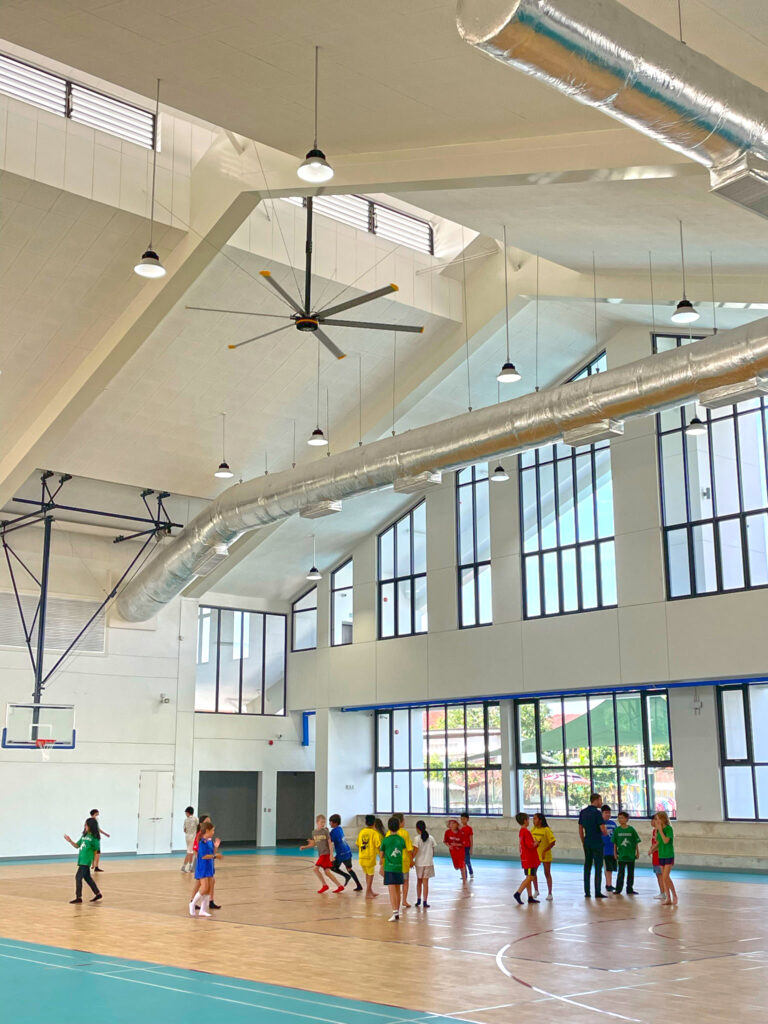
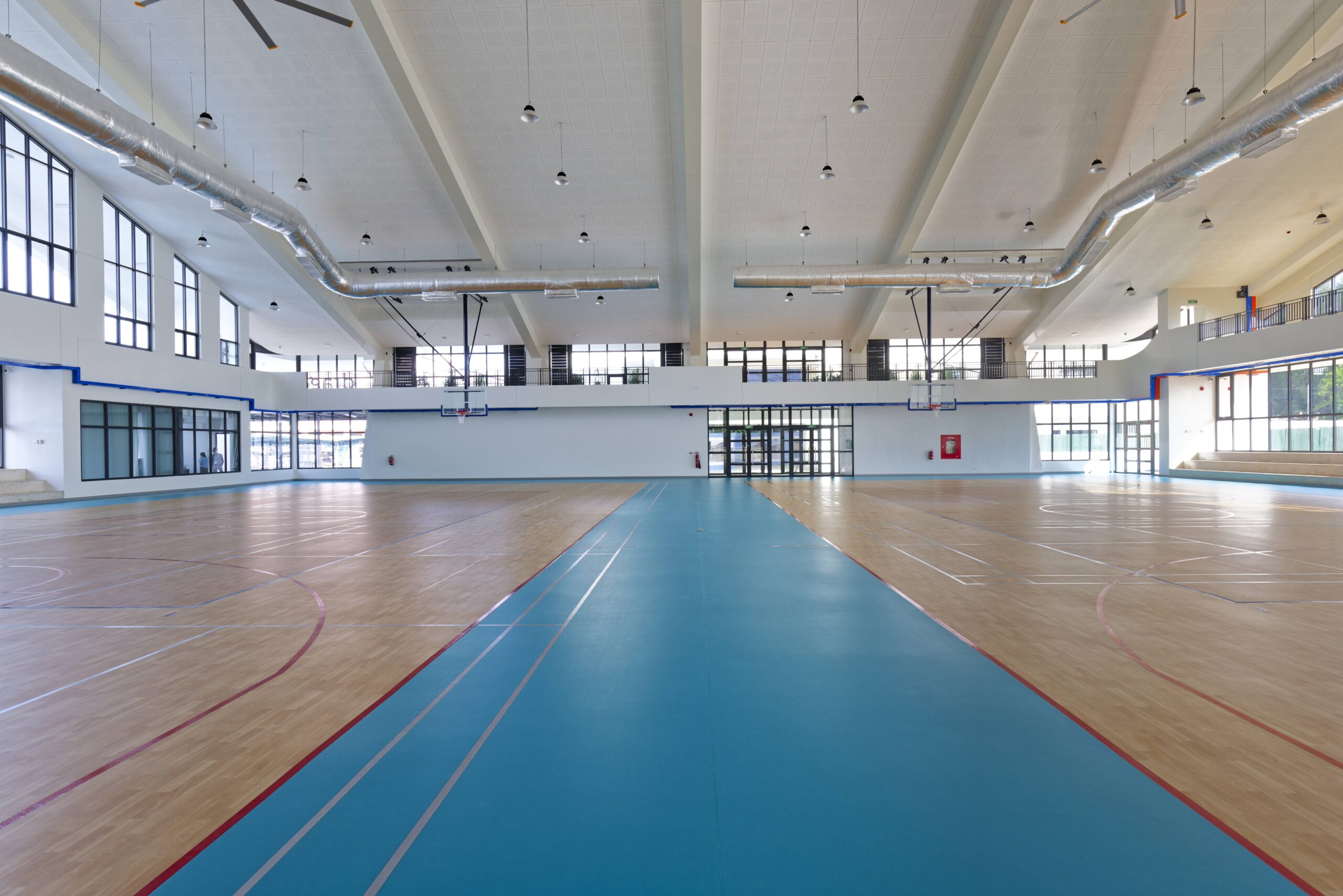
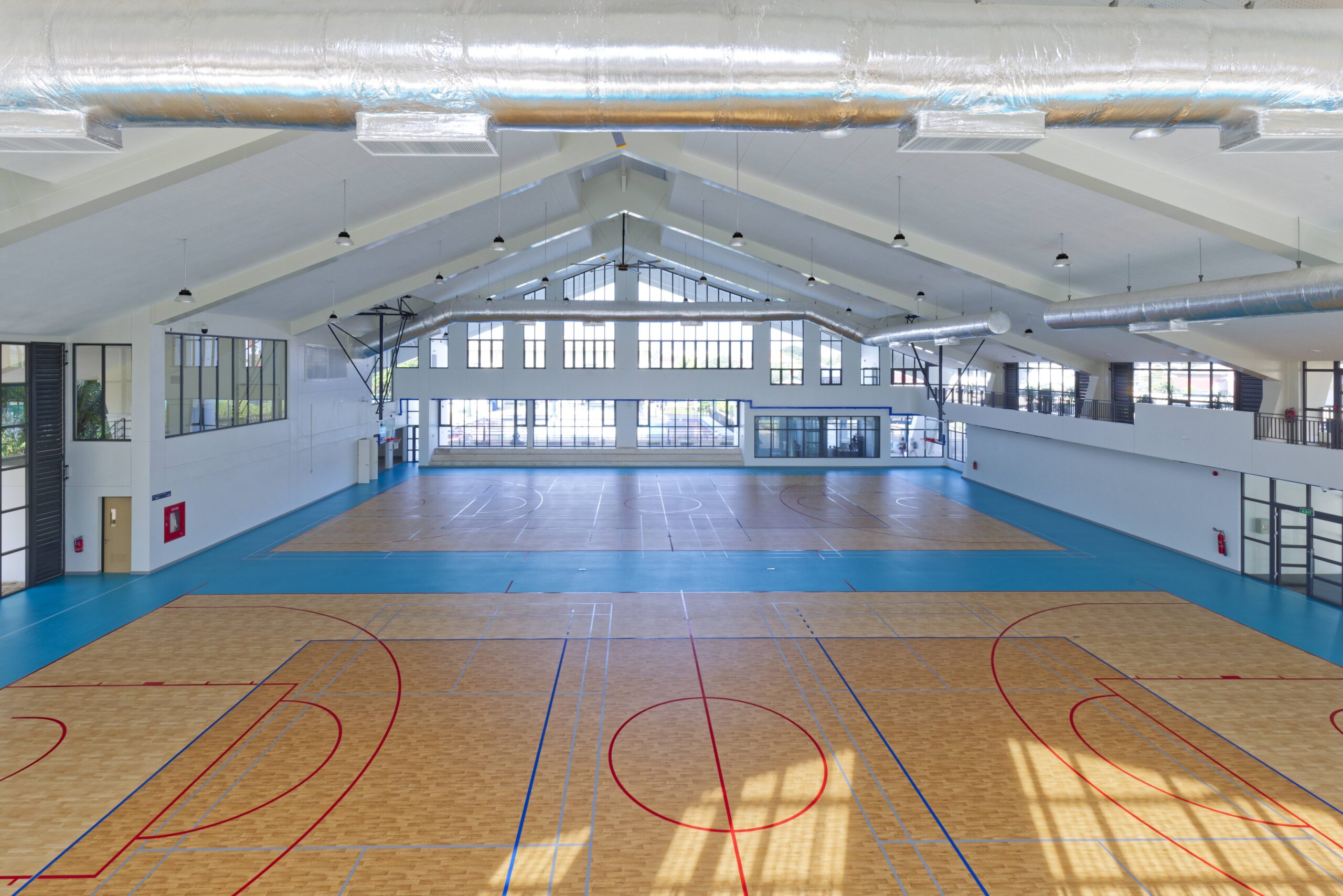
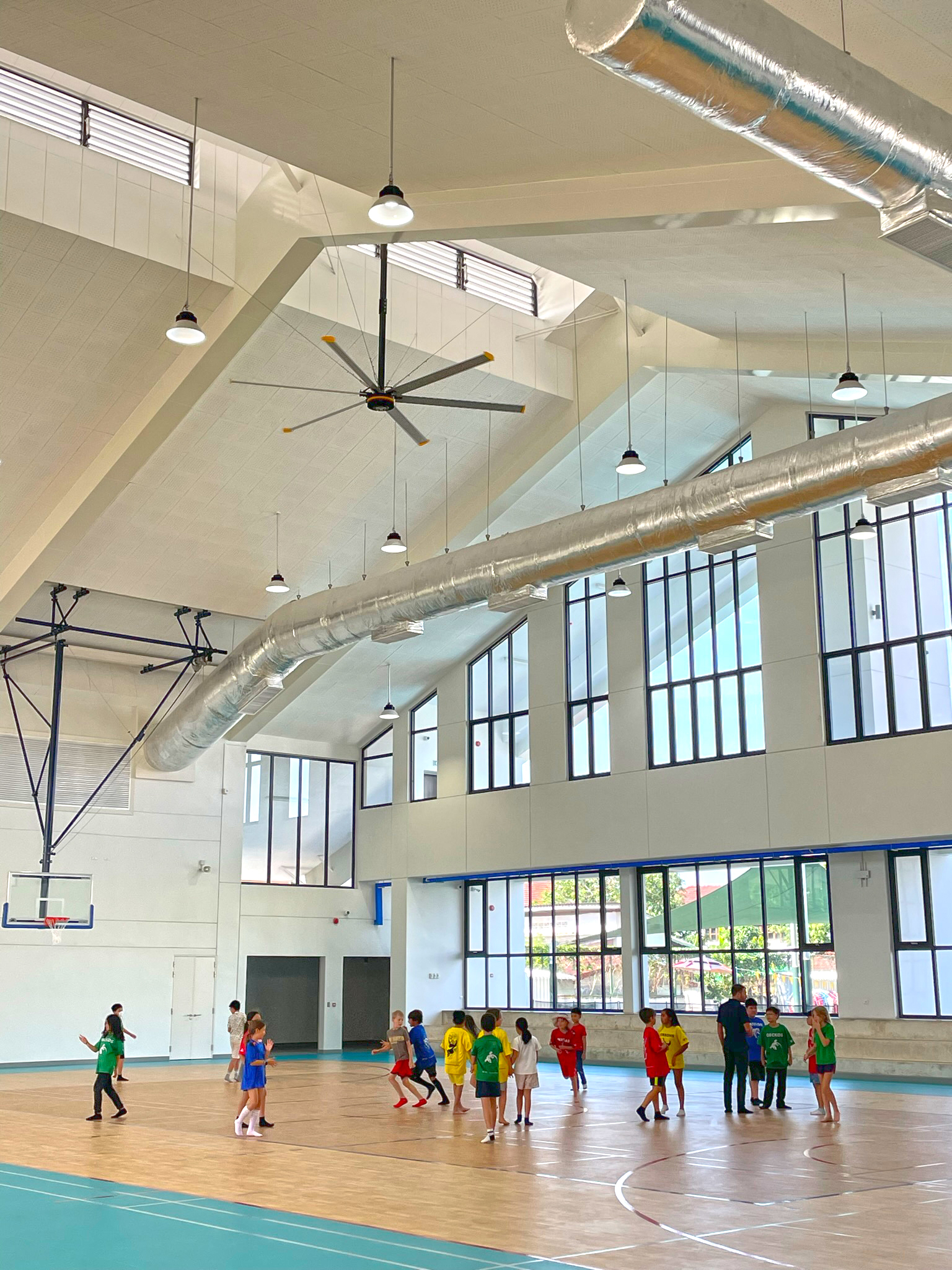
Sports and Fitness: Thoughtfully designed indoor courts, a covered swimming pool, secure storage, and easily accessible locker rooms and staff facilities reflect VIS’s commitment to physical health and well-being.
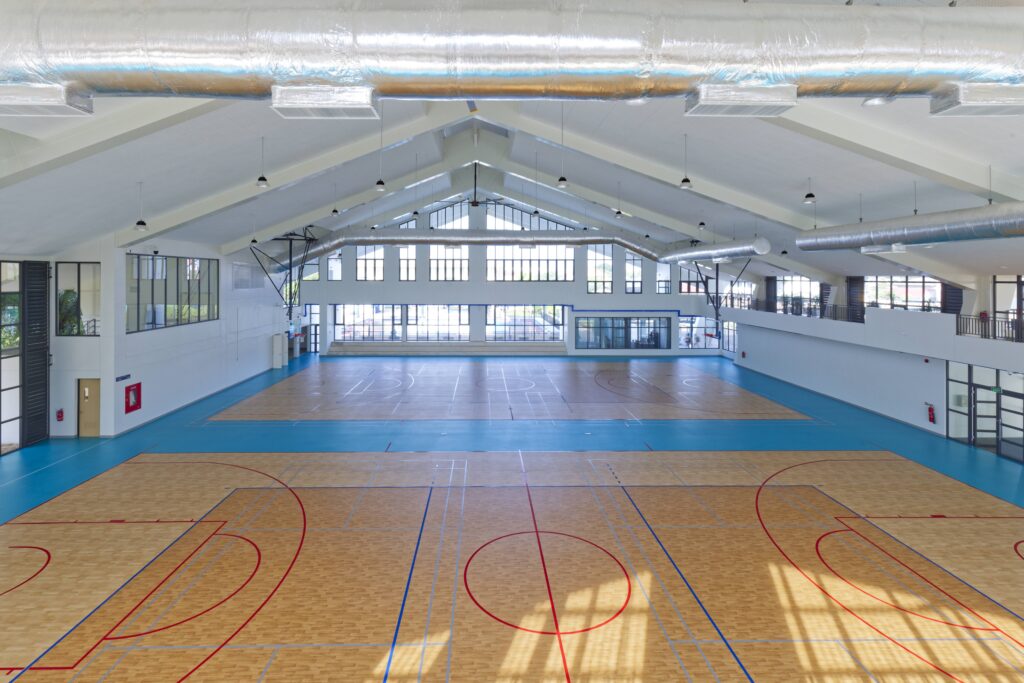
Connection to Green Spaces: The site planning maximizes space for soccer and field sports while integrating natural landscapes, promoting both recreation and sustainability.
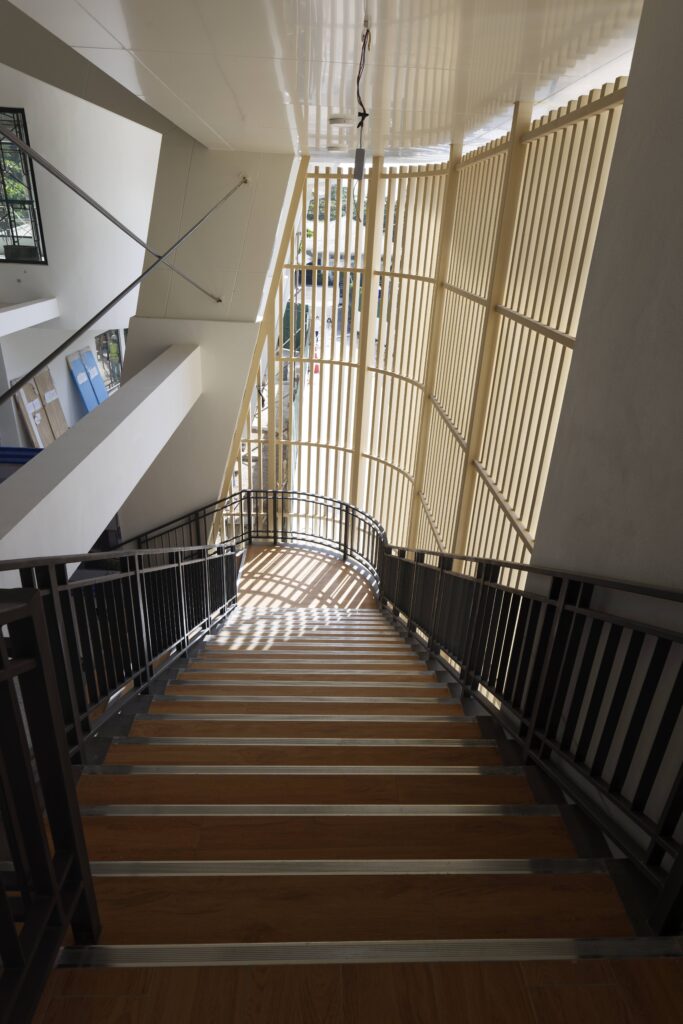
Addressing Climatic Challenges: Shading, natural ventilation, and all-weather protection ensure comfort in a tropical climate, offering practical and sustainable solutions.
Traffic and Safety: Improved interfaces between pedestrian and vehicle movement create a safer and more efficient environment for students and visitors alike.
Sustainability in Action: The design embraces passive design principles, renewable energy opportunities, and sustainable materials, reflecting VIS’s alignment with the UN-SDGs.
Campus Identity: The new Gateway to VIS, with its large timber-look logo, represents a strong statement of ‘who we are,’ connecting place and context to the school’s international identity.
Professional Presence: Administration and admission facilities establish a welcoming environment while enhancing the school’s professional image.
A Thoughtful Approach
As educational architects, EIW embrace student and teacher wellbeing, accessing years of research and involvement in Learning Environments Australia and the Association for Learning Environments. These partnerships have allowed them to incorporate global best practices into this project, ensuring that the new spaces are not just functional but also enriching and inspiring for those who use them.
The concept of “good to give back” is woven subtly throughout the design. From promoting sustainable practices to fostering a sense of community, every element reflects a deep commitment to making a positive and lasting impact—not just for the VIS community, but for the broader region.
The Result
The completed precinct is more than a collection of buildings, it is a regenerative and dynamic space that reflects the values of VIS. By fostering connections between students, staff, and the community, the design enhances both learning and well-being. From shaded green avenues to high-quality sporting facilities, every element was designed to support VIS’s role as a leader in sustainability, creativity, and global education.
The new buildings breathe life into the campus, embodying the principles of sustainability, culture, and community. This collaboration between EIW and VIS has reimagined the campus as a green sanctuary, ensuring it remains a place of inspiration for generations to come.
Facilities included:
Performing Arts Centre
- Theatre
- Front of House / Back of House Facilities
- Gallery / Foyer
- Dance + Drama Studios
- Workshop Room
- Administration
- Meeting Rooms
- Staff Rooms
Gymnasium
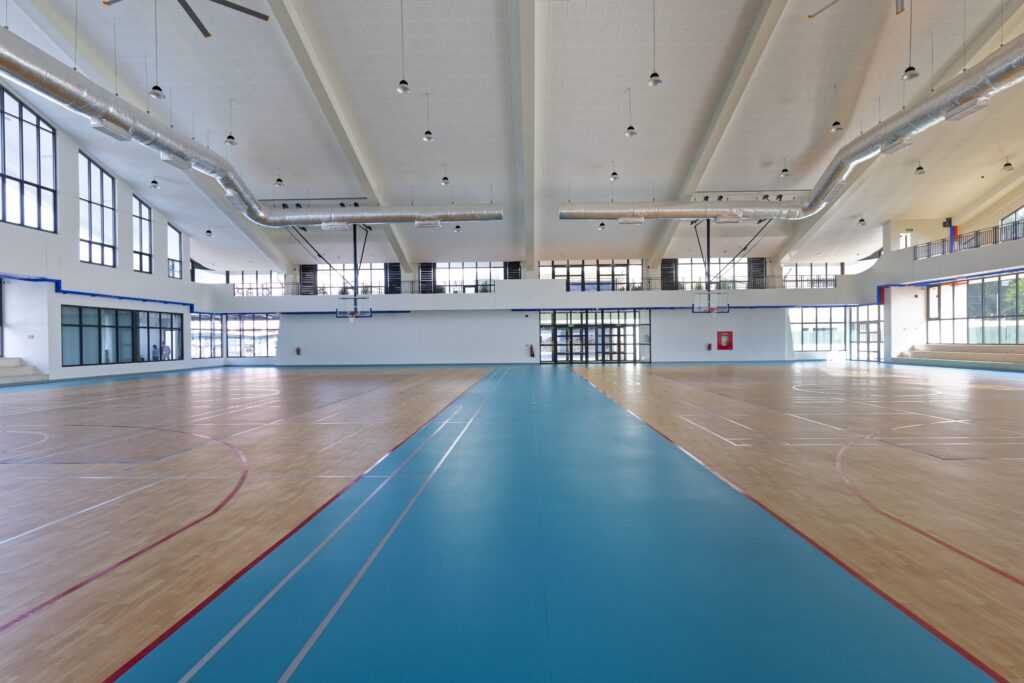
- 2 x Full Sized Basketball courts
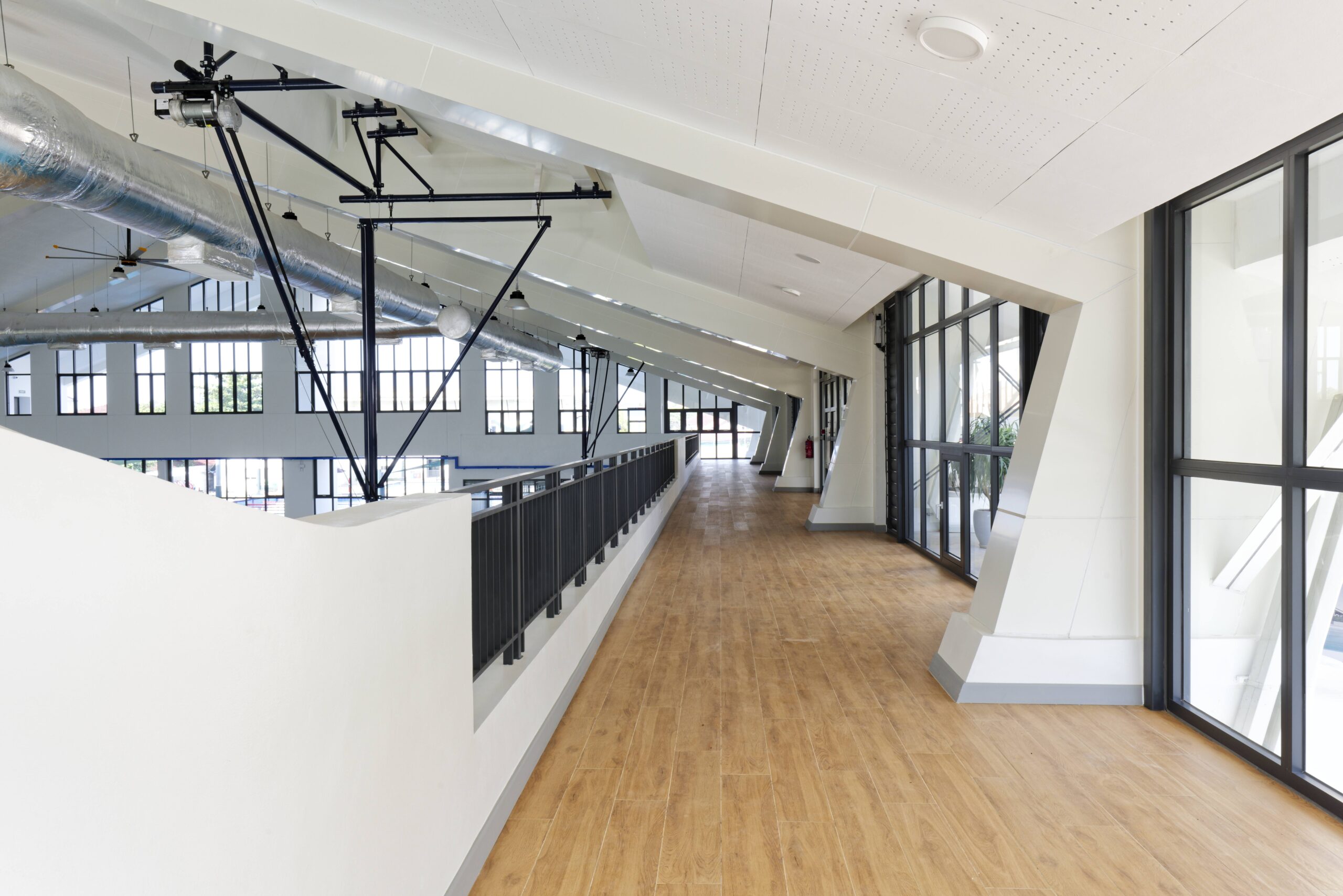
- Tiered permeant seats with visual & physical access to existing sporting facilities (swimming pool & pitch)
- Staff Rooms
- Security Rooms
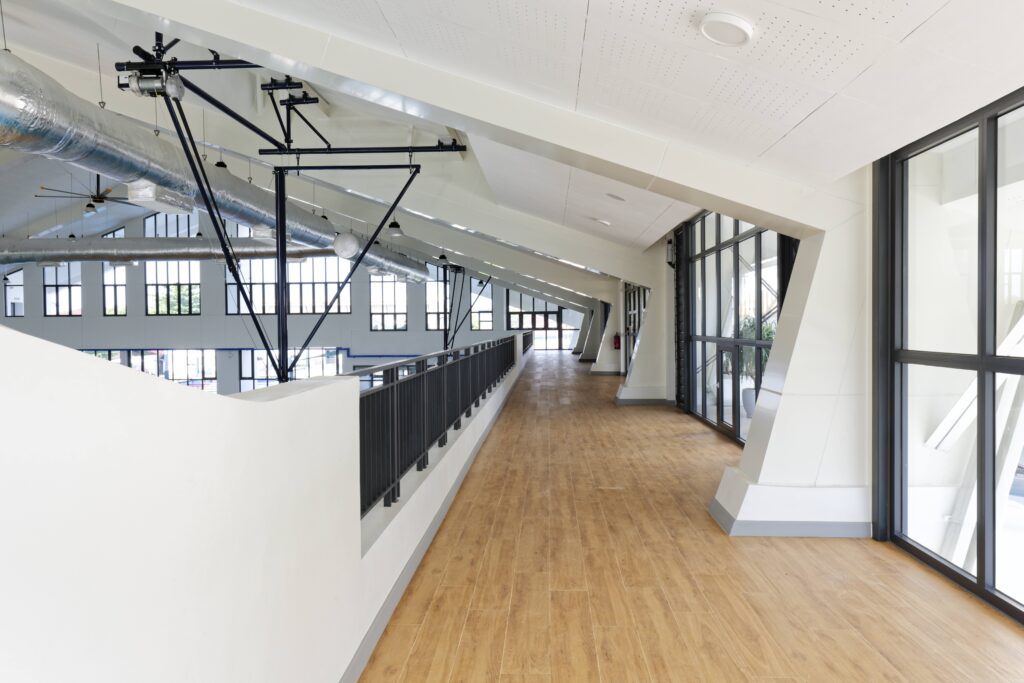
- Upper Floor Gallery
- Upper Floor Fitness Centre
The project was carried out in collaboration and remotely with Laos Consulting Group (LCG) in Vientiane, with our team here in Australia unable to visit due to Covid travel restrictions. Whilst challenging for all, the synergy between the two companies is exemplified by the great outcome which we are all very proud of.
Project Gallery:
Cite: “Vientiane International School – The Gateway Project, Laos / EIW Architects 04 July 2026. GLSN. Accessed . https://theglsn.com/vientiane-international-school-the-gateway-project-laos-eiw-architects/