
 PULSE Awards
PULSE Learning Space Awards 2026
Celebrating design excellence where environment becomes the third teacher.
“Space is pedagogy.”
The PULSE Learning Space Awards recognise K‑12 environments where spatial design is deeply rooted in how children and adults learn. Evaluated with the learner’s experience and pedagogical outcome at the centre, we invite entries from both Indian and international architects and school leaders.
Recognising the spaces
that shape how India learns.
Recognising the spaces
that shape how India learns.
Why the PULSE Awards Matter
Pedagogical Purpose
Moving beyond aesthetic appreciation to assess how built spaces actively facilitate curiosity, collaboration, autonomy, and deep cognitive engagement.
Joint Co‑Nomination
Honours the critical synergy between architectural designers and educational institution leaders. Entries are submitted jointly to celebrate shared vision.
Inclusive & Climate‑Responsive Scope
Recognising high‑impact spaces across all scales—from multi‑acre new campuses to low‑cost rural learning hubs under ₹50 Lakh.
1. The Six Competitive Categories
Focusing on K‑12 learning environments completed between Jan 1, 2021 – Jun 30, 2026, these awards celebrate the intersection of architecture and education. Requires co‑nomination by design entity and school leadership.
Outstanding New Learning Environment
Eligibility & Evidence
Site plans, floor drawings, active‑use photos with learners present.
Scope
Ground‑up campuses & major expansions where institutional philosophy shapes spatial planning.
Transformation of a Learning Environment
Eligibility & Evidence
Mandatory before‑and‑after photographs and drawings.
Scope
Adaptive reuse & retrofits that transform pedagogical culture within existing structures.
Early Childhood Learning Environment
Eligibility & Evidence
Visual proof of independent exploration & safety baseline.
Scope
Foundational spaces for ages 0–8, evaluated on child‑scale ergonomics and sensory safety.
Innovative Learning Studio
Eligibility & Evidence
Single‑zone layouts, acoustic/lighting strategy documentation.
Scope
A single room or zone — makerspace, lab, atelier — where targeted design elevates inquiry.
Outdoor Learning Environment
Eligibility & Evidence
Landscape plans, photos of children in natural systems.
Scope
Outdoor classrooms & nature‑play corridors that build physicality and stewardship.
The Grassroots Change Award
Eligibility & Evidence
English & Hindi accepted. Clear phone photography accepted.
Scope
Low‑cost transformations under ₹50L in government schools, anganwadis, balwadis & NGO centers.
2. Special Honours : Jury Citations & The Grand Prix
Important Note for Applicants: You cannot apply directly for the honours listed below, and no additional fees are required. Every shortlisted project across all six competitive categories is automatically considered by the Grand Jury for these recognitions.
Climate Responsive Design
Conferred upon shortlisted projects demonstrating climate‑responsive performance, passive cooling, natural daylighting, low embodied carbon, and regenerative material choices.
Inclusive Design
Conferred upon shortlisted projects exhibiting exceptional universal accessibility, sensory integration, and empathetic support for neurodiverse learners.
GLSN Grand Prix
The supreme honour of PULSE 2026. Awarded to the single most outstanding project across all categories following live Day 3 re‑presentations to the Grand Jury in Indore.
3. Entrant Decision Guide
Not sure which category fits your submission? Click an option below to route your project instantly.
Whole Campus / Facility
Built or renovated an entire educational building, campus, or facility complex.
Single Room / Studio
Reimagined single room, lab, makerspace, atelier, corridor, or specific zone.
Low Budget (< ₹50 Lakh)
Resource‑constrained project in government, NGO, Anganwadi, or rural setting.
Partially Operational
Completed structure but entire campus is not yet fully active.
Select your project scope above
Click one of the options to see your target category instantly.
Early Childhood Learning Environment
If a building is complete and the Early Years section has been operational for a minimum of 6 months, it may be eligible under Category 3.
Select Category 3 → Category 1Outstanding New Learning Environment
If the project is operational from Early Years through Middle Years for at least 6 months, it may be eligible under Category 1.
Select Category 1 →4. Eligibility & Submission Standards
Completion Window
All physical spaces must have been completed between January 1, 2021 and June 30, 2026.
Mandatory Co‑Nomination
Joint application co‑nominated by both the design entity and the school/institution leadership.
Key Spatial Plans & Drawings
Submissions require a ground floor plan, section, or spatial diagram to clearly communicate spatial logic to the jury.
Language Flexibility
Grassroots entries welcome submissions in English and Hindi with phone photography accepted.
Important Note: One A1 Board (For Shortlist Only)
Shortlisted finalists will be asked to supply a single A1 board for display at the PULSE 2026 exhibition. This is NOT required at the initial entry stage.
5. Recognition & Benefits
Recognition that continues beyond the awards night
Being recognised by PULSE is more than receiving a trophy. It places your learning environment within a growing body of work that demonstrates how thoughtful design can shape the way people learn, teach, collaborate and belong.
From digital recognition and professional visibility to exhibition, publication and opportunities to share your work, PULSE gives outstanding learning environments a platform to be seen, discussed and remembered.
Every Entrant
Put your work on the PULSE map
Every eligible project becomes part of the PULSE 2026 awards cycle and gains an opportunity to introduce its work to the wider learning‑space community.
Every entrant receives
- A digital participation certificate
- Inclusion in the GLSN PULSE Awards archive
- Consideration for inclusion in the annual PULSE awards and learning‑space documentation
- An opportunity for a featured project post on the GLSN website
- Recognition as a participating project in the PULSE 2026 awards cycle
Your entry also becomes part of a wider collection of projects that helps document how learning environments are evolving across different contexts.
PULSE Shortlisted Entry
A distinction you can carry forward
Being selected as a PULSE Shortlisted Entry means your project has progressed through the jury review process and has been recognised among the notable entries in its category.
Every nominee receives
- The title “PULSE Nominee 2026”
- A PULSE Nominee laurel badge for use on websites, presentations, LinkedIn and other professional communications
- A featured project listing on the GLSN website
- Inclusion in the GLSN PULSE Awards archive
- An A1 project board printed and displayed as part of the PULSE exhibition
- Recognition as part of the official PULSE 2026 nominee cohort
The nomination gives your project a clear professional distinction that can continue to be used after the awards cycle.
Category Winners
Put your project in the spotlight
Winning a PULSE category recognises a learning environment that demonstrates exceptional thinking, design and impact within its field. The award is also an opportunity to communicate that achievement beyond the awards ceremony.
Category Winners receive
- The official PULSE Category Winner title
- A PULSE trophy
- An official Winner badge and certificate
- A permanent listing in the GLSN PULSE Awards archive
- A featured project presentation on the GLSN website
- A press release distributed to the GLSN media network
- A full‑page feature in GLSN editorial content
- An opportunity to participate in a GLSN podcast episode
- A 3–4 minute project video showcase during the PULSE Gala Awards Night
- Consideration for the GLSN Grand Prix
Your winning project becomes part of the growing PULSE collection of exemplary learning environments and contributes to the conversation around the future of learning‑space design.
GLSN Grand Prix Winner
The highest recognition at PULSE
The GLSN Grand Prix recognises the project that demonstrates the strongest overall contribution to the future of learning environments. It is not simply a recognition of visual design — it celebrates the relationship between space, pedagogy, people and place.
The Grand Prix Winner receives
- GLSN homepage recognition for 12 months
- The title “GLSN PULSE Grand Prix Winner 2026”
- A dedicated press release distributed to the GLSN media network
- A permanent listing in the GLSN PULSE Awards archive
- An invitation to speak at PULSE 2027
- A full‑page feature in GLSN editorial content
- An opportunity to participate in a GLSN podcast episode
- A 3–4 minute project video showcase during the PULSE Gala Awards Night
- A prominent opportunity to share the project’s approach, process and learning with the wider GLSN community at the PULSE Awards GALA
The Grand Prix places the winning project among the projects that help define the direction of learning‑space design.
Beyond the Award
Recognition is only the beginning.
A PULSE distinction gives your project more than a moment on stage. It creates a professional record of the work, makes the project easier to discover and gives teams a way to communicate what they have achieved to clients, institutions, educators, designers and the wider learning community.

Build credibility
Demonstrate that your learning environment has been evaluated through an independent awards process.

Increase visibility
Give your project a platform across the GLSN website, awards archive, editorial channels and PULSE events.
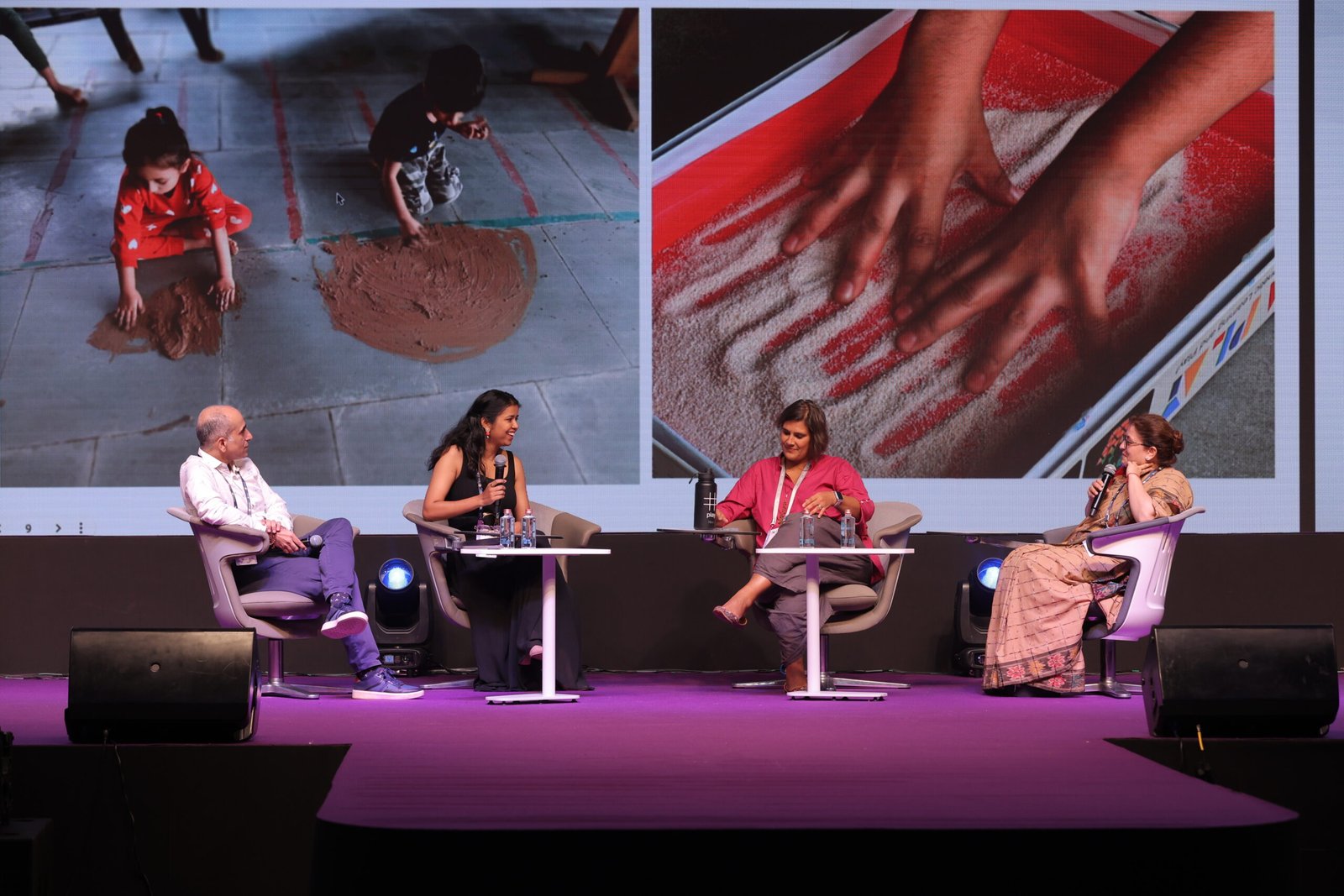
Tell the story behind the space
Move beyond photographs of a finished building and communicate the thinking, pedagogy and impact behind the environment.
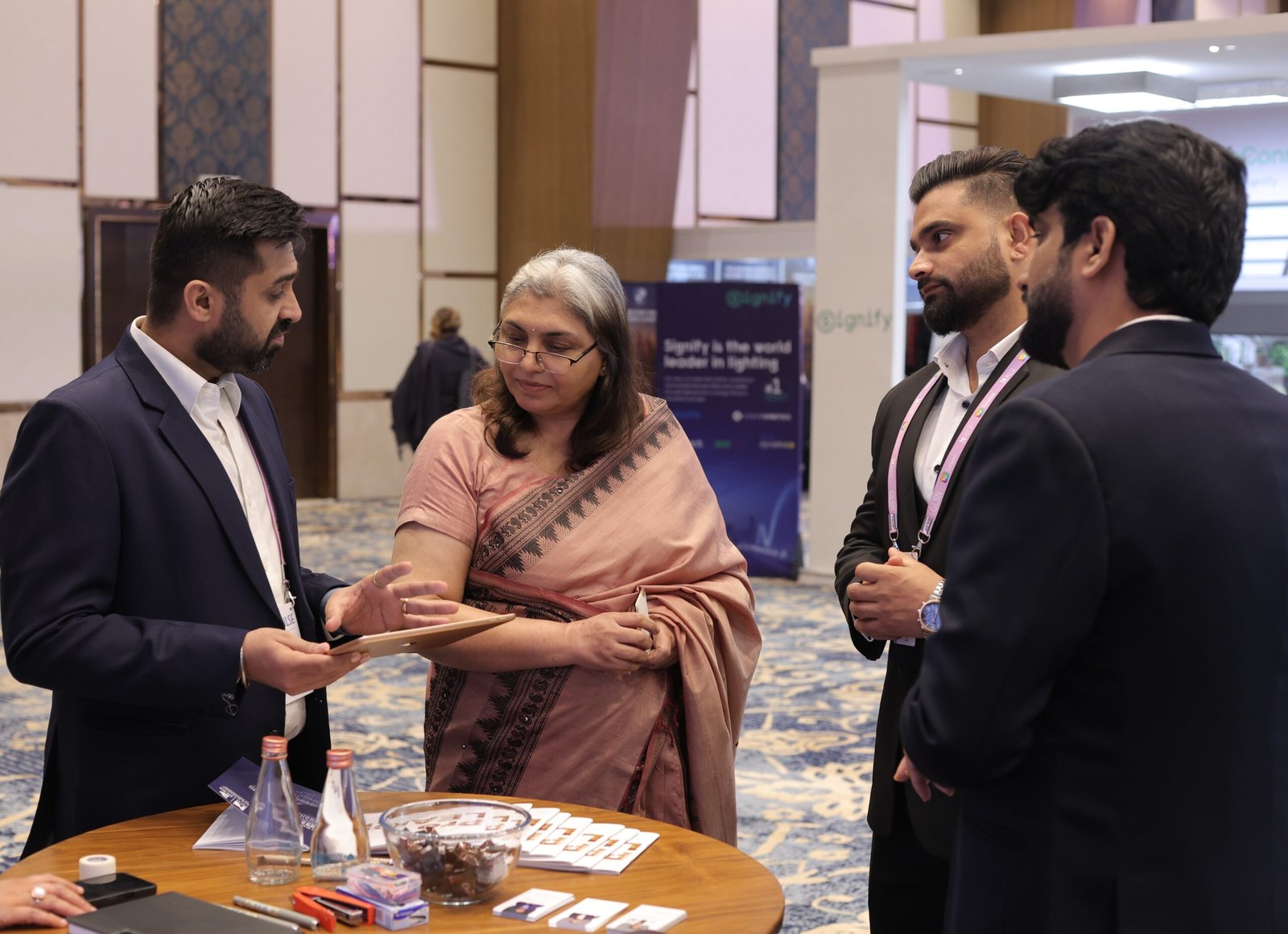
Connect with peers
Become part of a network of architects, designers, educators, institutions and organisations working to improve learning environments.
Be Seen. Be Remembered.
Shape the Conversation.
PULSE brings together the people designing, building and inhabiting the learning environments of tomorrow. Whether you enter a project, become a PULSE Nominee, win your category or receive the GLSN Grand Prix, your work becomes part of that conversation.
Submit Your Entry
Complete all required details, upload architectural evidence, and proceed to secure checkout.
Open Entry FormHelp Center
Frequently Asked Questions
Everything you need to know about eligibility, submission, judging, the PULSE Gala Awards Night, and winner announcements.
A About the Awards
The PULSE Learning Space Awards recognise outstanding learning environments that demonstrate thoughtful connections between learning, pedagogy and spatial design.
The awards celebrate learning environments across different educational contexts, with a focus on how spaces support learners, educators and the wider learning community.
No. The awards are intended to recognise learning environments across the wider educational ecosystem, rather than limiting entries to conventional schools.
Projects serving K–12 learners, as well as other eligible educational and learning environments, may be considered under the relevant categories.
Every submission must be jointly authorised by both the architectural/design entity and the school or institutional leadership.
This ensures that the entry represents a shared commitment to spatial pedagogy and a collaborative vision for the learning environment.
B Eligibility & Project Entry
No. Projects that are still under construction or are not yet operational are not eligible.
However, a completed project may be eligible even if the entire building or campus is not yet operational, provided the relevant learning environment has been operational for at least 6 months. For example:
- If a building is complete and the Early Years section has been operational for a minimum of 6 months, it may be eligible under Category 3 – Early Childhood Learning Environment.
- If the project is operational from Early Years through Middle Years for at least 6 months, it may be eligible under Category 1 – Outstanding New Learning Environment.
Eligibility will be assessed based on the scope and requirements of the relevant category.
Yes. Existing projects can demonstrate their impact through evidence of actual use, including photographs, user feedback and other relevant information.
You can provide evidence appropriate to the age and stage of the project.
For established projects, this could include:
- User feedback
- Educator observations
- Learner feedback
- Evidence of how the space is being used — photographs or short videos showing the space in active use, examples of different activities taking place, changes in patterns of use, or evidence of how learners and educators adapt the space.
- Adaptations made over time — examples of changes made to the space based on experience, such as changes to furniture, layouts, materials, circulation, acoustics, lighting or activity zones, along with a brief explanation of why the changes were made.
For recently completed projects, you can provide:
- Early observations from educators and users
- Initial feedback from learners and/or educators
- Photographs showing the space in use
- Examples of how the space is already being used
- Intended learning outcomes
- The design team’s rationale for the spatial decisions
- Any early evidence that the environment is supporting those intended outcomes
You do not need to provide all of the above. Submit the forms of evidence that are most relevant and available for your project.
Formal research, quantitative data or professionally conducted surveys are not required. The jury is interested in understanding how the learning environment works in its real context and how it supports the overall development of learners.
The jury’s decision is final.
Yes. A project may be entered into separate categories where it genuinely meets the requirements of each category.
For example, a project may be entered under Category 1 – Outstanding New Learning Environment for the whole campus and Category 5 – Outdoor Learning Environment for its outdoor landscape.
A separate nomination form and applicable entry fee must be paid for each competitive category entry.
Yes, provided each project meets the eligibility requirements and is submitted separately.
Yes. Category 6 – The Grassroots Change Award is specifically intended to recognise low‑cost learning environment projects in government schools, anganwadis and NGO setups.
Yes.
Category 6 – The Grassroots Change Award is 100% free to enter for eligible low‑cost projects with a budget of under ₹50 lakh in government schools, anganwadis and NGO setups.
Narrative submissions are accepted in English and Hindi, and clear smartphone photography is fully acceptable.
C Submission Requirements
No. Professional photography is not a judging criterion.
The purpose of the photographs is to help the jury understand the learning environment. Clear photographs taken with a smartphone are acceptable, particularly where professional photography is not available.
Where possible, yes. Images showing the space in active use can help demonstrate how the environment supports learning and overall learner development.
However, projects should not be disadvantaged simply because they cannot provide professionally produced photographs.
Please note: It is the entrant’s responsibility to acquire relevant permissions for learner photographs. All images shared must feature real people, not AI‑generated content. If AI use is discovered during the submission process or after an award is conferred, the project will be disqualified.
The Awards team may contact you if information or documents required for a complete submission are missing. A window of 48 hours will be provided to submit the required documents.
Material changes to a project after the submission deadline may not be accepted.
D Judging
Entries will be evaluated by a multidisciplinary jury with expertise relevant to learning, education, architecture, design and related fields.
The final jury panel will be announced shortly.
All eligible entries will first undergo an independent digital review. The highest‑performing projects will progress to the shortlisted stage.
Shortlisted projects will then be invited for an interview or presentation with the jury. Following this interaction and the jury’s deliberation, selected projects will be recognised as Winners.
Projects will be evaluated using four primary criteria: Pedagogical Alignment, Spatial & Ergonomic Innovation, Evidence of Impact & Use, and Inclusivity & Climate Responsive Design.
This looks at how effectively the spatial design supports the institution’s learning approach. The jury may consider whether the environment encourages:
- Autonomy
- Inquiry
- Collaboration
- Engagement
- Appropriate learner–teacher relationships
- Overall learner development
The jury considers how the physical environment responds to the needs of its users. This may include:
- Daylighting
- Acoustics
- Scale
- Circulation
- Materials
- Spatial flexibility
- Boundaries
- Ergonomics
The jury considers how the environment works in practice and what evidence demonstrates its value. This may include:
- Active use of the space
- Educator observations
- Learner observations and feedback
- Adaptability
- Psychological safety
- Evidence of overall learner development
- Other relevant project outcomes
The jury may consider:
- Universal accessibility
- Support for neurodiverse learners
- Passive environmental strategies
- Local materials
- Durability
No. Photography quality itself is not being judged. Photographs are supporting evidence to help the jury understand the project.
Yes. The jury’s decision is final.
E Shortlisted Projects & Winners
A shortlisted project is an eligible entry that has successfully progressed through the initial digital jury review and has been invited to the next stage of evaluation.
Shortlisted projects will participate in an interview or presentation with the jury before the final winners are selected.
All eligible entries will first undergo an independent digital review. The highest‑performing projects will be invited to the shortlisted stage. A presentation with the jury will then be scheduled for these projects.
Following the presentation and jury deliberation, the final Winners will be selected.
Shortlisted projects will be selected approximately 7 days before the PULSE Gala Awards Night to allow sufficient time for travel arrangements.
Winners will be announced at the Gala Awards ceremony.
A designated representative may accept the award on its behalf.
Failure to provide the required exhibition material within the specified deadline may result in disqualification from the awards.
The Awards team will provide the specifications, content requirements and deadline after the project is shortlisted.
Any public announcement of the result before the official publication on the GLSN website will be considered a violation of the Awards’ Terms & Conditions. The project will be disqualified.
F Special Honours & Grand Prix
The Special Honours recognise exceptional projects across the awards programme. They include:
- Climate Responsive Design Citation
- Inclusive Design Citation
- GLSN Grand Prix
No. The Climate Responsive Design Citation, Inclusive Design Citation and GLSN Grand Prix cannot be applied for directly and carry no additional fee.
All shortlisted finalists across Categories 1–6 are automatically evaluated by the Grand Jury for these honours.
The GLSN Grand Prix is selected through the Grand Jury process from eligible shortlisted projects across Categories 1–6.
The final Grand Prix Winner will be announced during the Gala Awards ceremony.
G PULSE Gala Awards Night
The PULSE Gala Awards Night brings together entrants, shortlisted finalists, institutional leaders, architects and designers for an evening featuring:
- Exhibition of shortlisted projects
- Project showcase videos
- Jury deliberations
- Awards presentations
- Special Honours
- GLSN Grand Prix announcement
No. The Awards team will handle the production of the A1 exhibition boards.
Specifications and guidelines for the required content and format will be provided by the Awards team after a project is shortlisted.
Shortlisted teams will receive a maximum of 2 complimentary delegate conference passes.
Every additional delegate pass purchased by the shortlisted team will receive a 30% discount.
H Travel & Accommodation
Entrants and shortlisted participants are responsible for arranging and paying for their own travel and accommodation.
To assist participants, the Awards team will share a list of possible accommodation options located close to the venue.
No. International travel costs are not covered by the Awards.
The Awards team can provide letters required for visa applications, where needed.
I Images, Copyright & Permissions
Yes. By submitting a project, you must confirm that you have the necessary rights and permissions to submit the photographs, drawings, videos, logos and other materials included in your entry.
Selected projects may be featured as part of the awards programme, including the website, exhibition, social media, publications and other promotional communications.
The final terms governing the use of submitted material are part of the .
The withdrawal policy and applicable deadlines are stated in the official .