
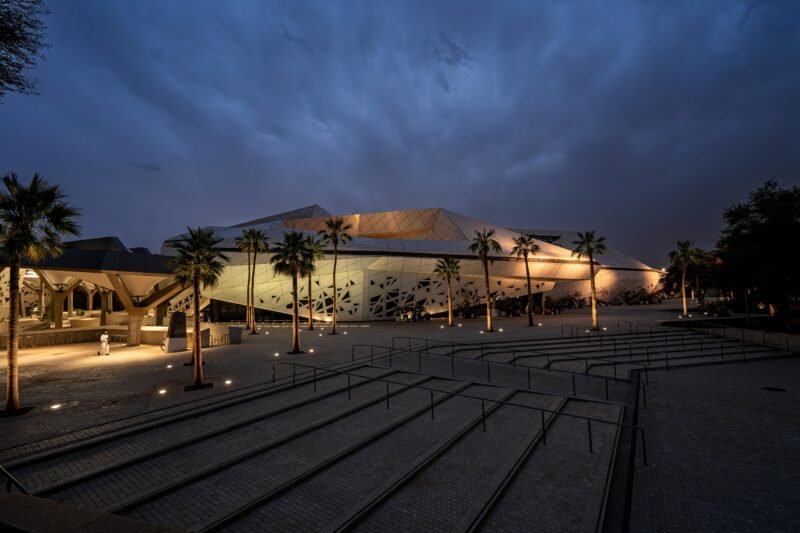
Images and text description provided by the Architects.
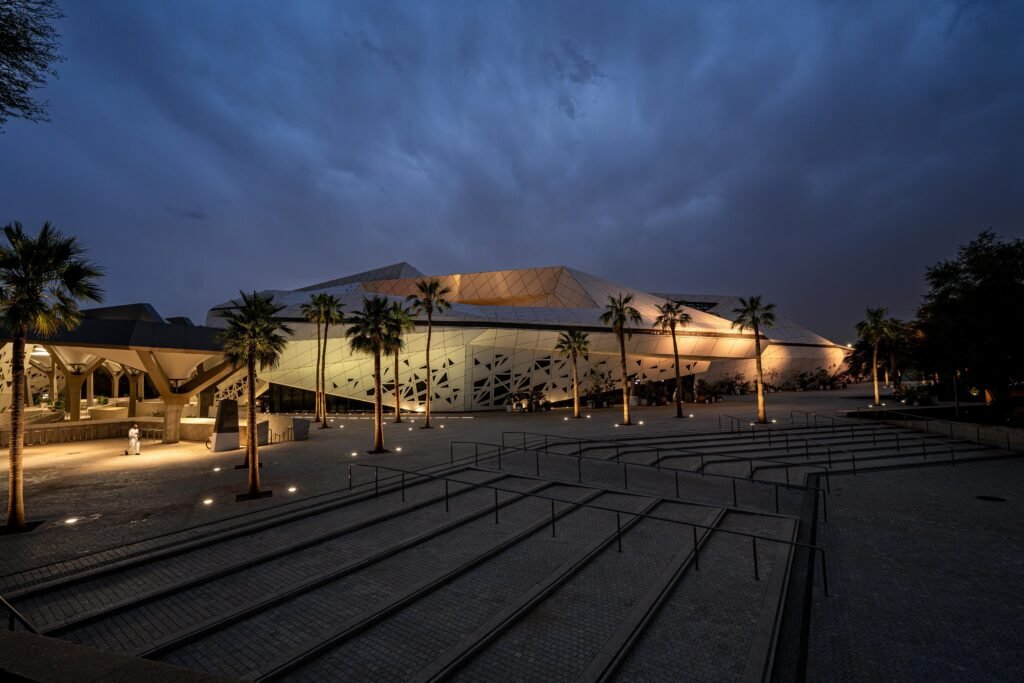
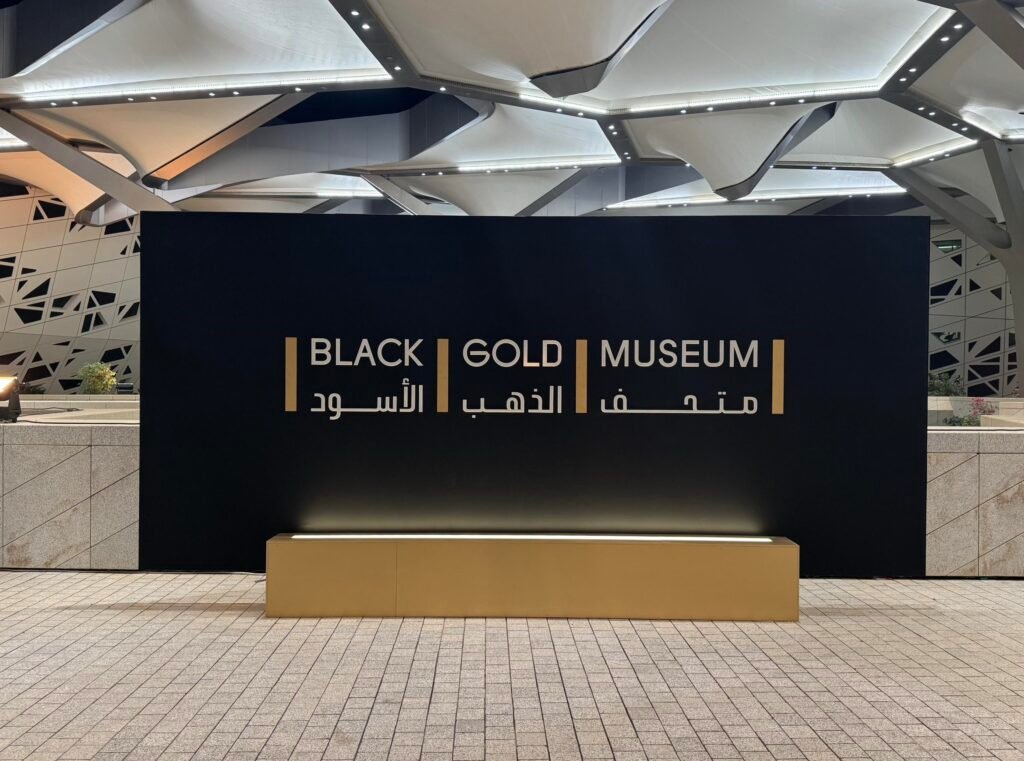
A New Museum Where Oil Becomes Art, Narrative, and Experience. Opening of the BLACK GOLD MUSEUM Riyadh, Kingdom of Saudi Arabia
Paris, France, 2026-05-19 –
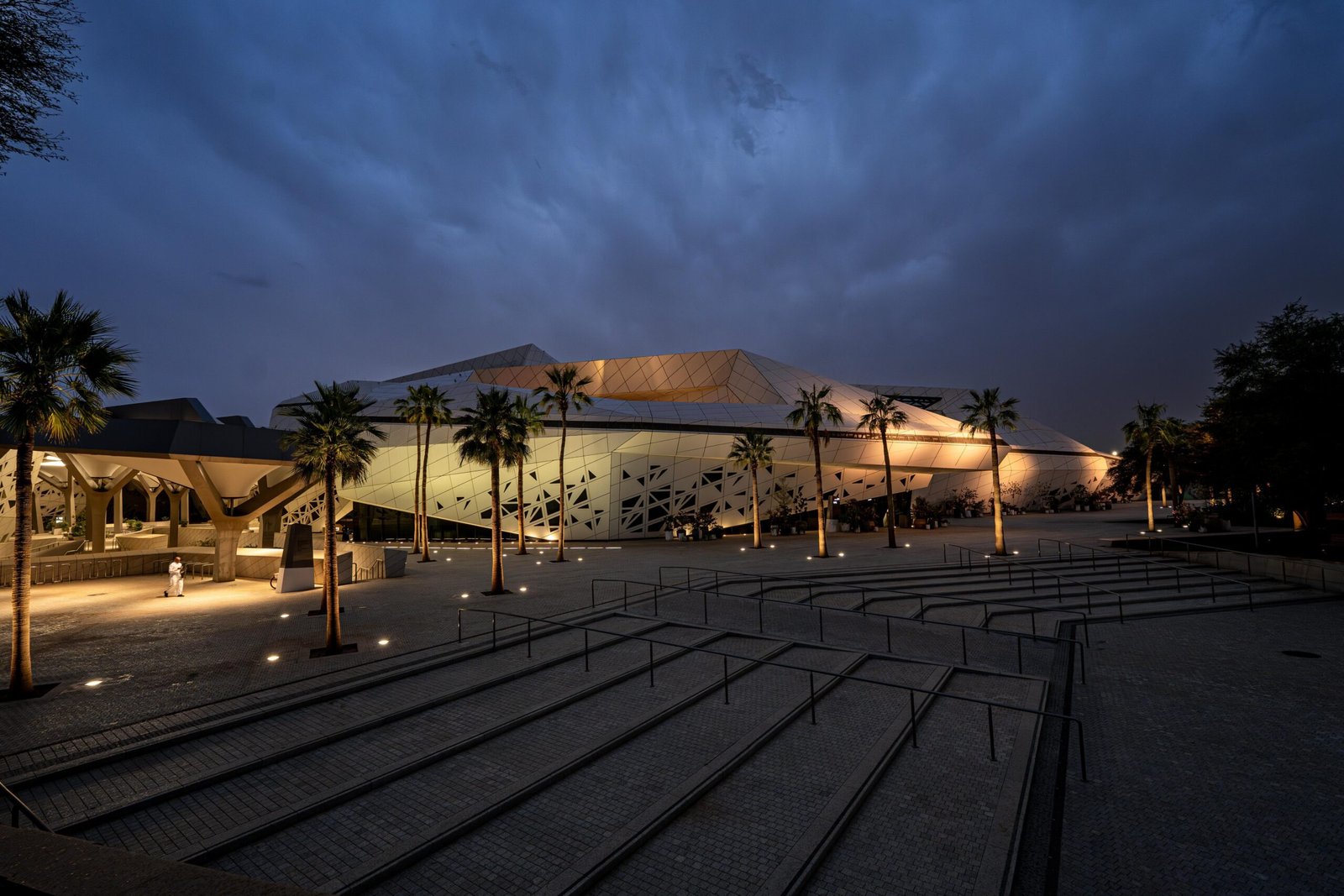
Located within the iconic KAPSARC building designed by Zaha Hadid Architects, the Black Gold Museum reveals a new kind of museum, transforming the exhibition experience into a narrative journey.
A curatorial vision at the origin
At the origin of the project lies a simple observation: oil is everywhere in our daily lives and yet remains largely invisible. This paradox became the starting point of the curatorial vision developed by Christian Janicot, who conceived the museum as an artistic investigation into how oil has shaped our imagination, our environments, and our societies.
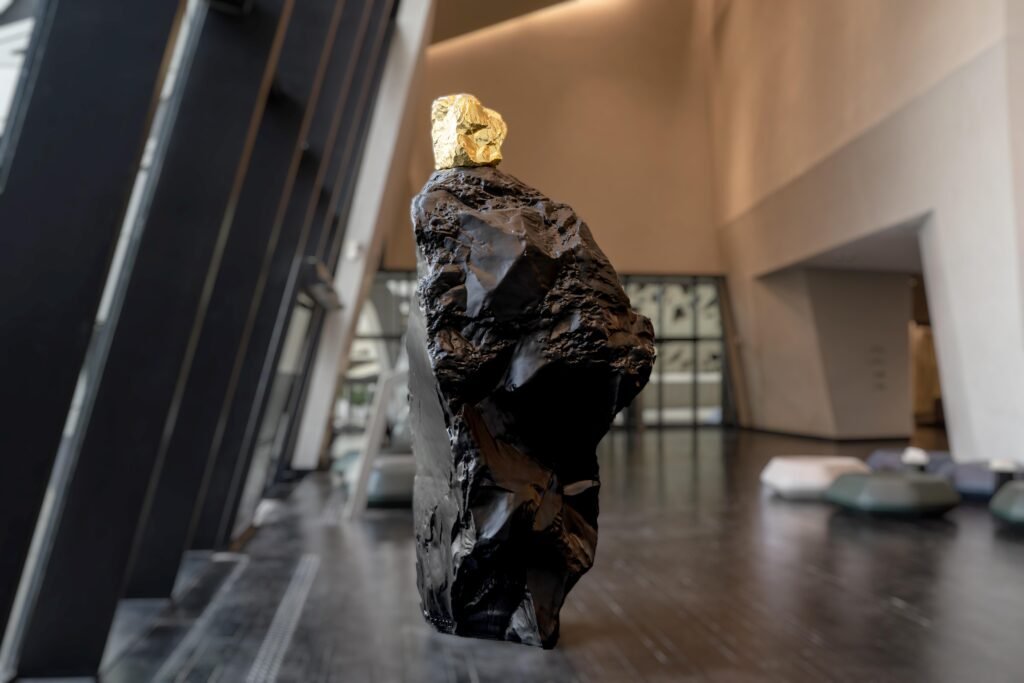
“This awareness fascinated me. How could a substance so crucial to our civilization remain so overlooked? I then embarked on an artistic inquiry: had artists grasped this reality? Painters, sculptors, photographers, designers… had they explored our addiction to this raw material?,” asks Christian Janicot, Curator.
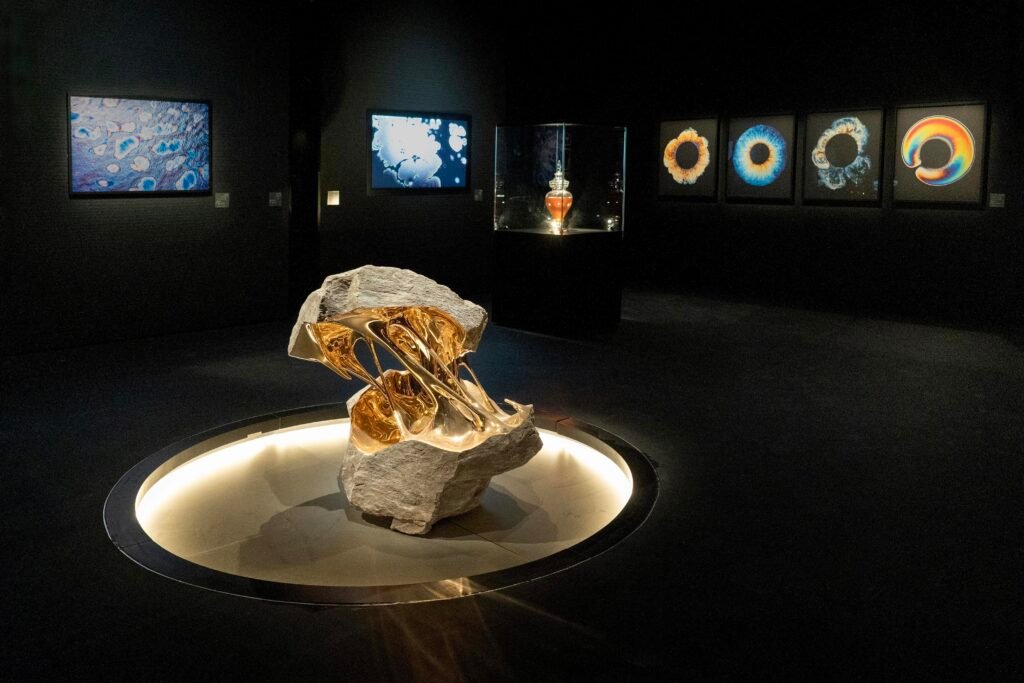
“From this intuition, the Black Gold Museum was born: a unique place where art reveals the invisible, where artists become the narrators of this civilizational adventure. For who better than them can make us see what we no longer perceive? Who better than them can transform raw material into emotion, into questioning, into beauty?”
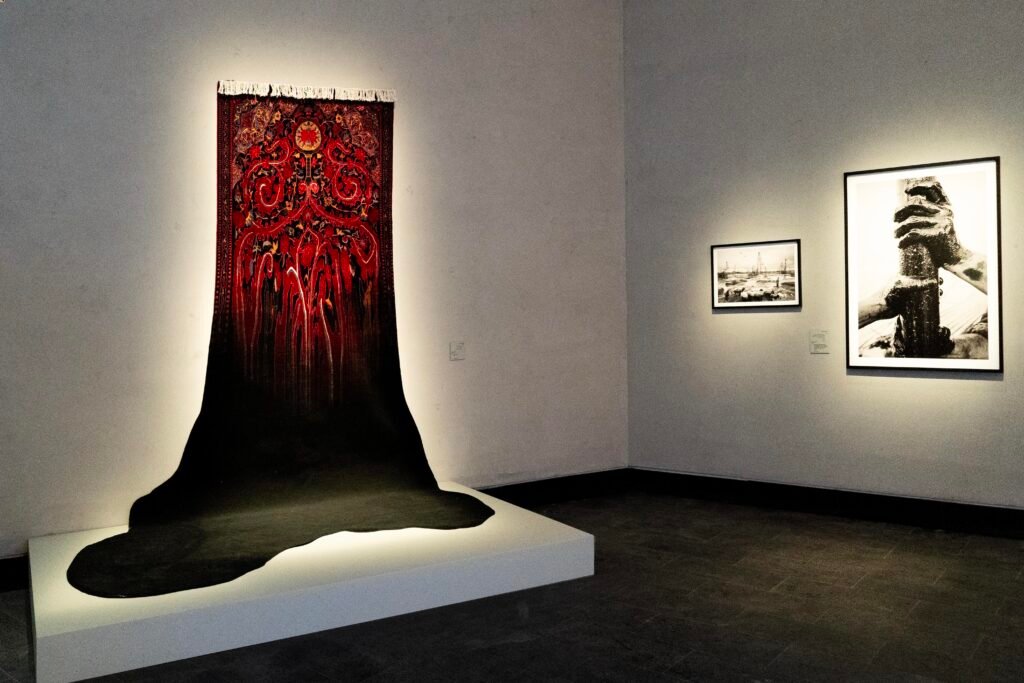
The Black Gold Museum was not born from a commission, but from a vision brought forward: the idea that oil could become the subject of a major artistic, cultural, and human narrative. In the very heart of the kingdom of oil, the Museums Commission (Ministry of Culture), together with the Ministry of Energy and KAPSARC, had the vision and boldness to bring such an unprecedented project to life. What may appear evident today was in fact a remarkable cultural ambition: to approach oil not as an industrial subject, but as a civilizational story to be explored through art, design, and immersive experience.
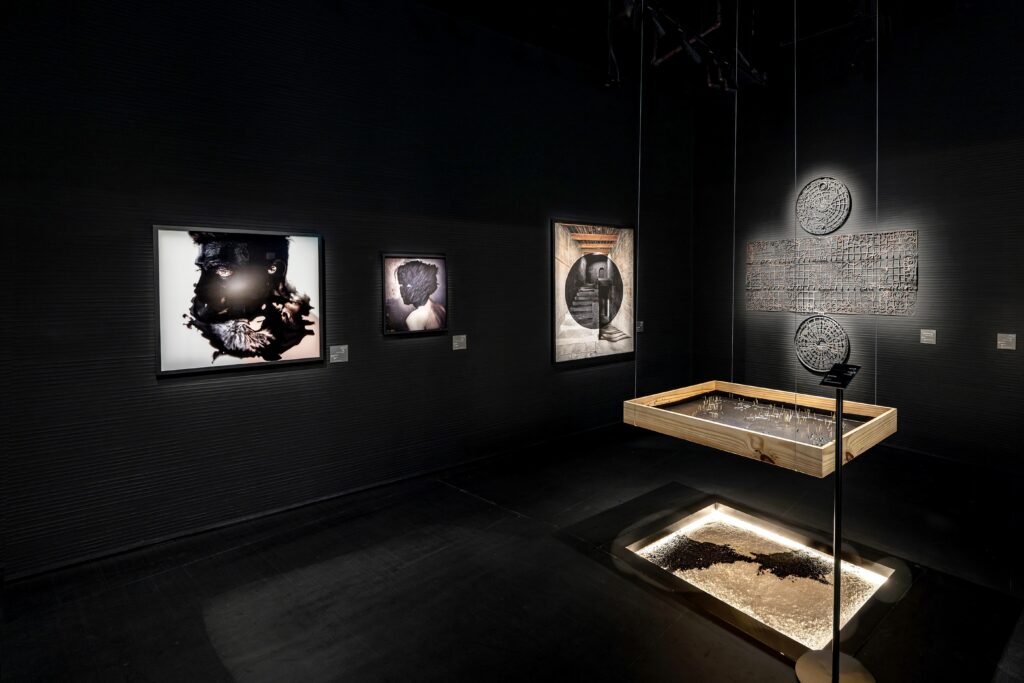
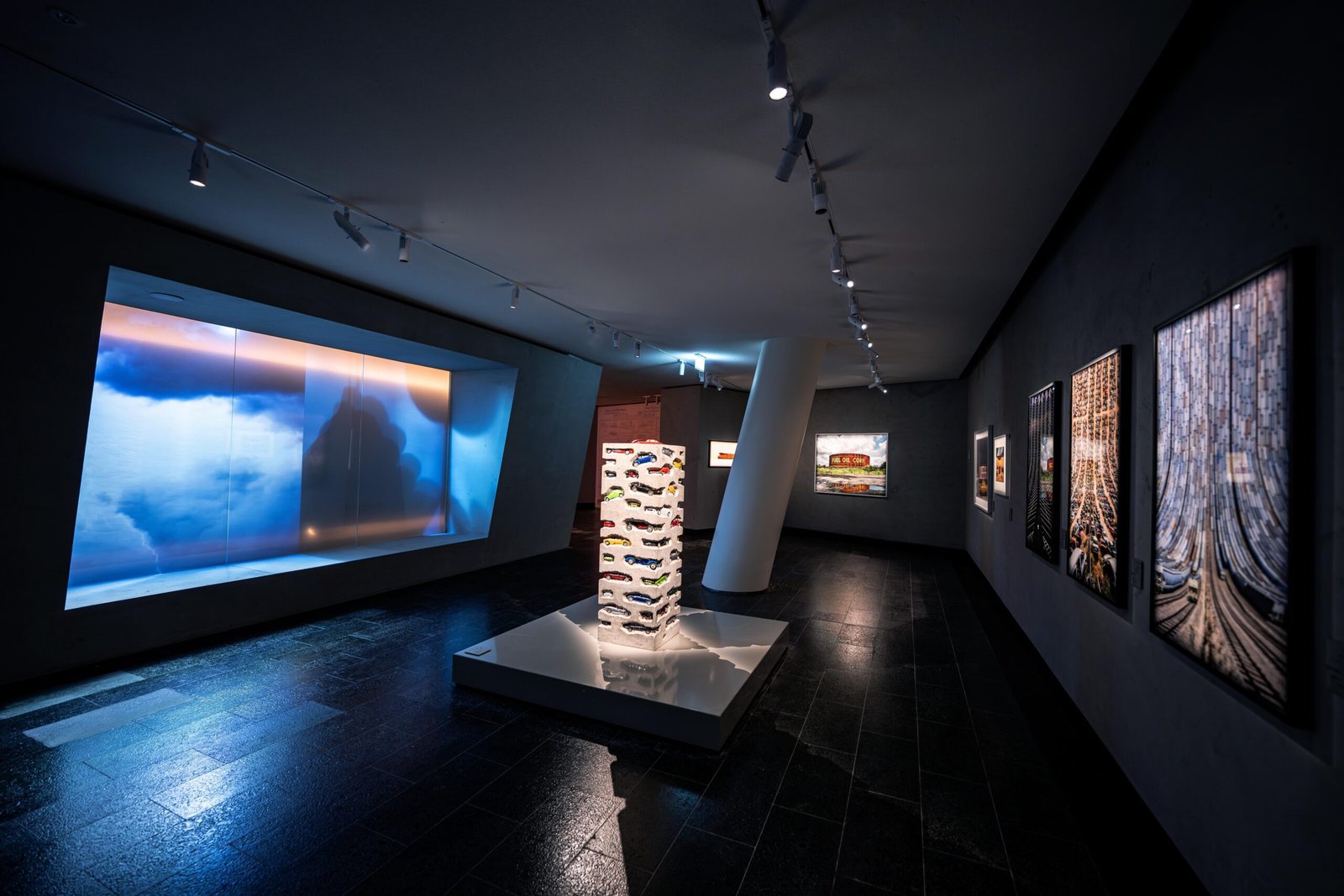
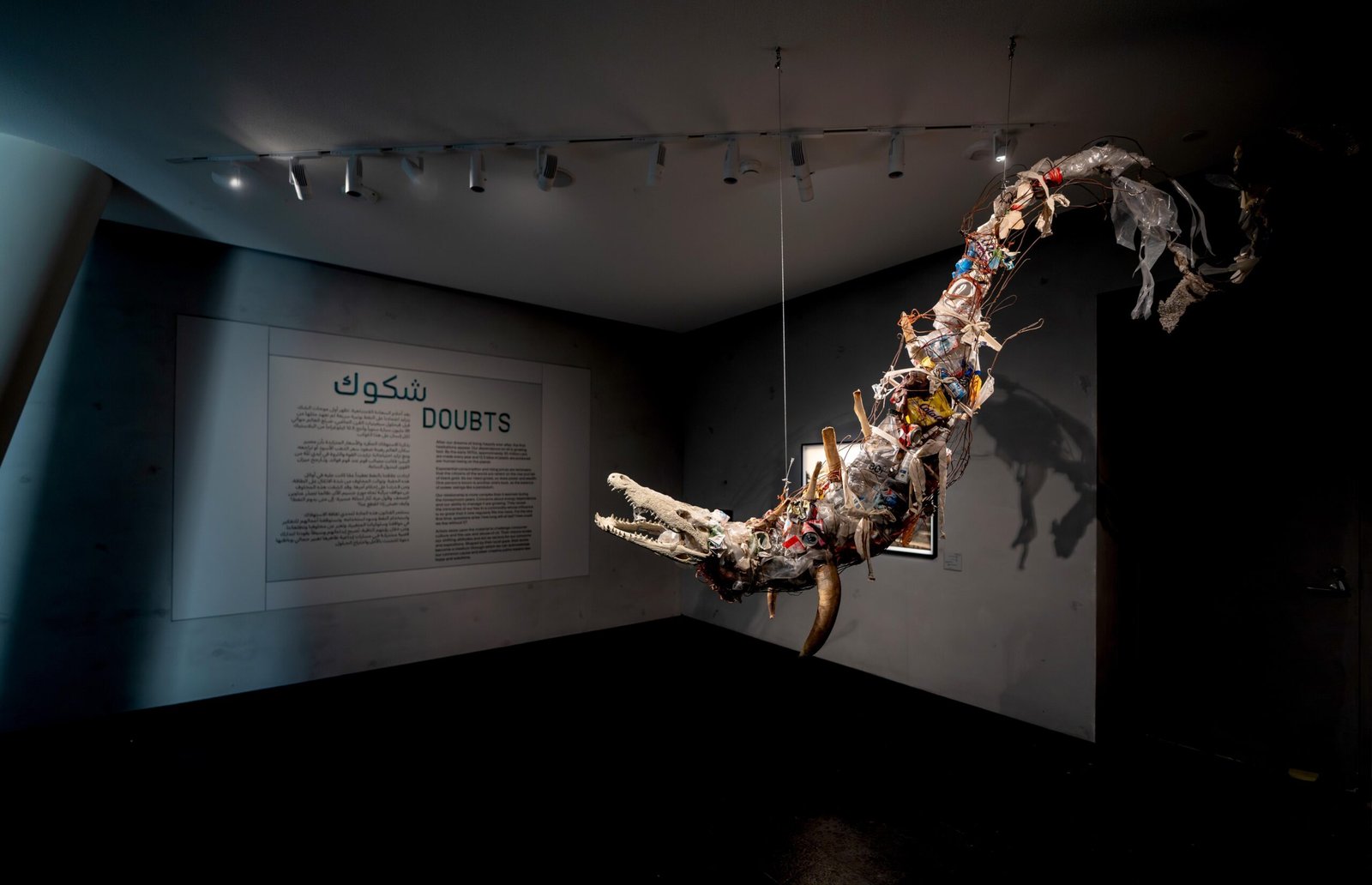
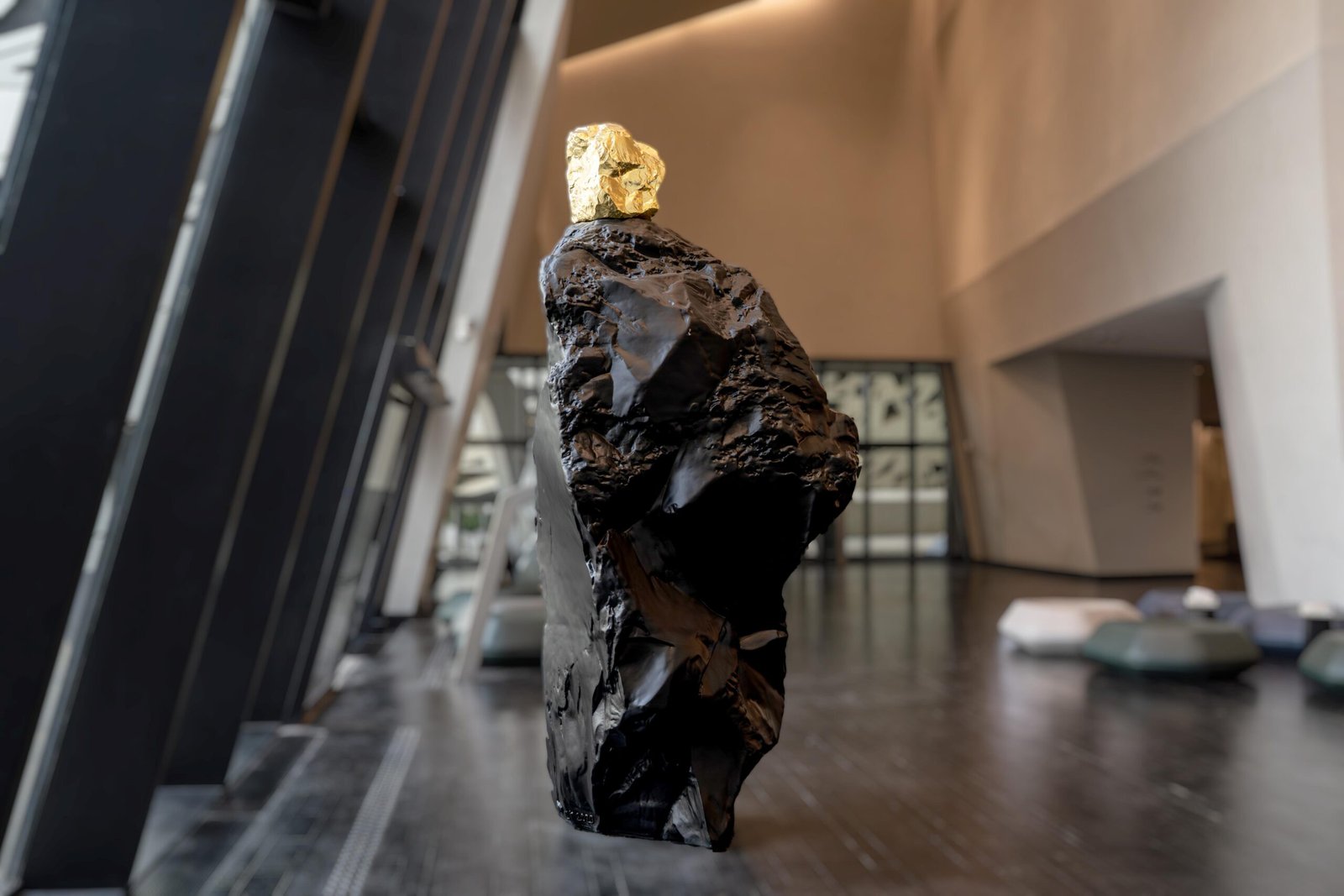
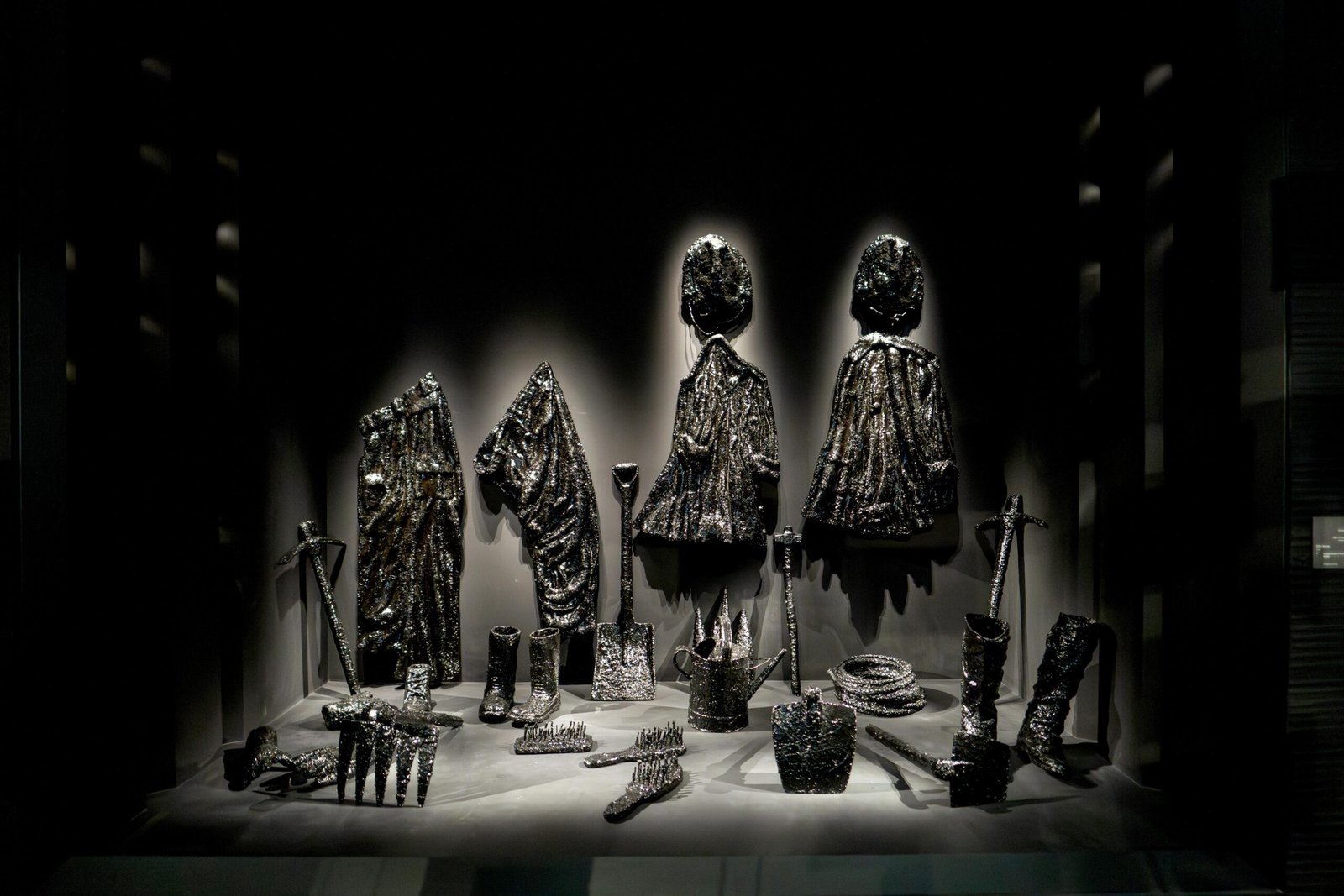
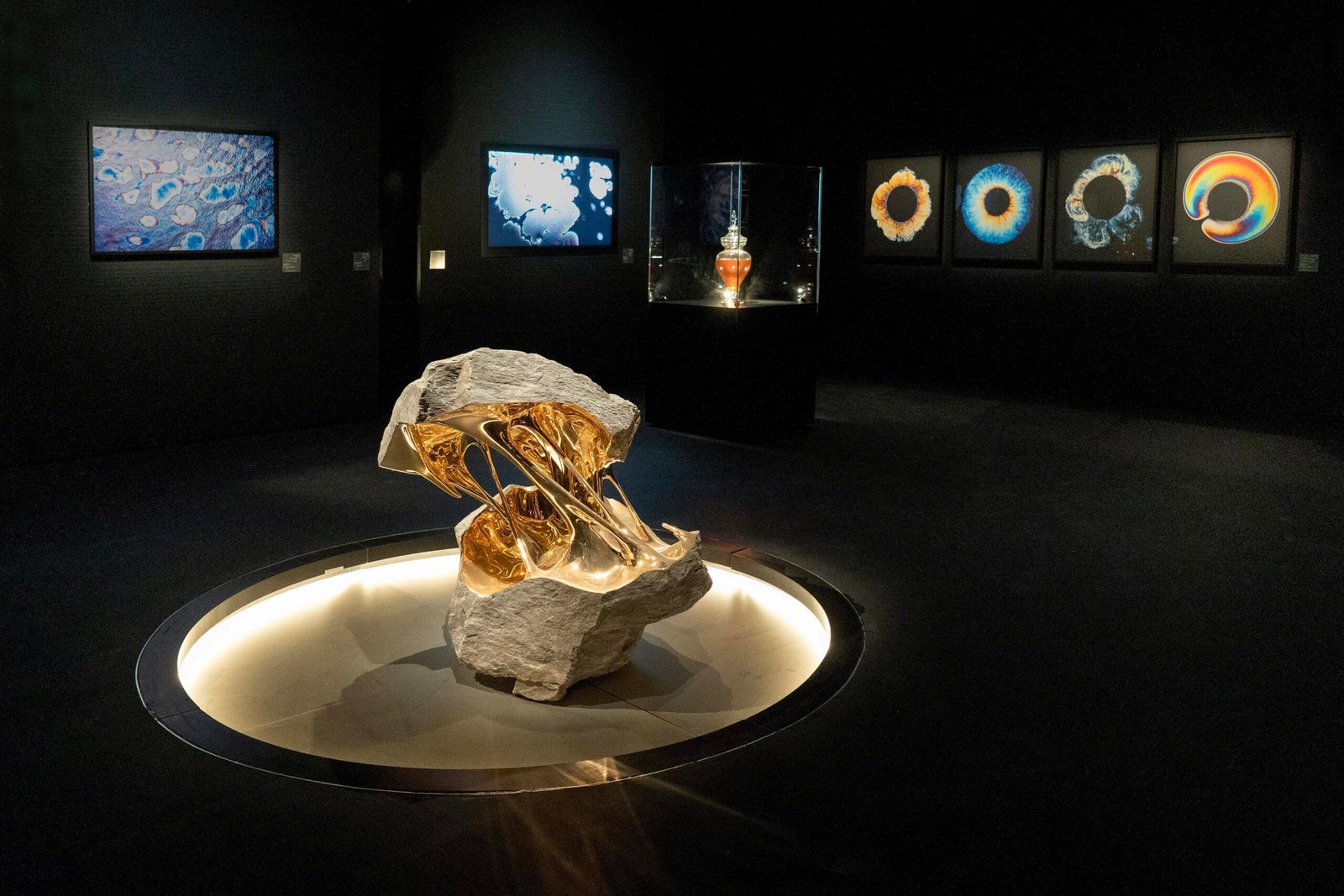
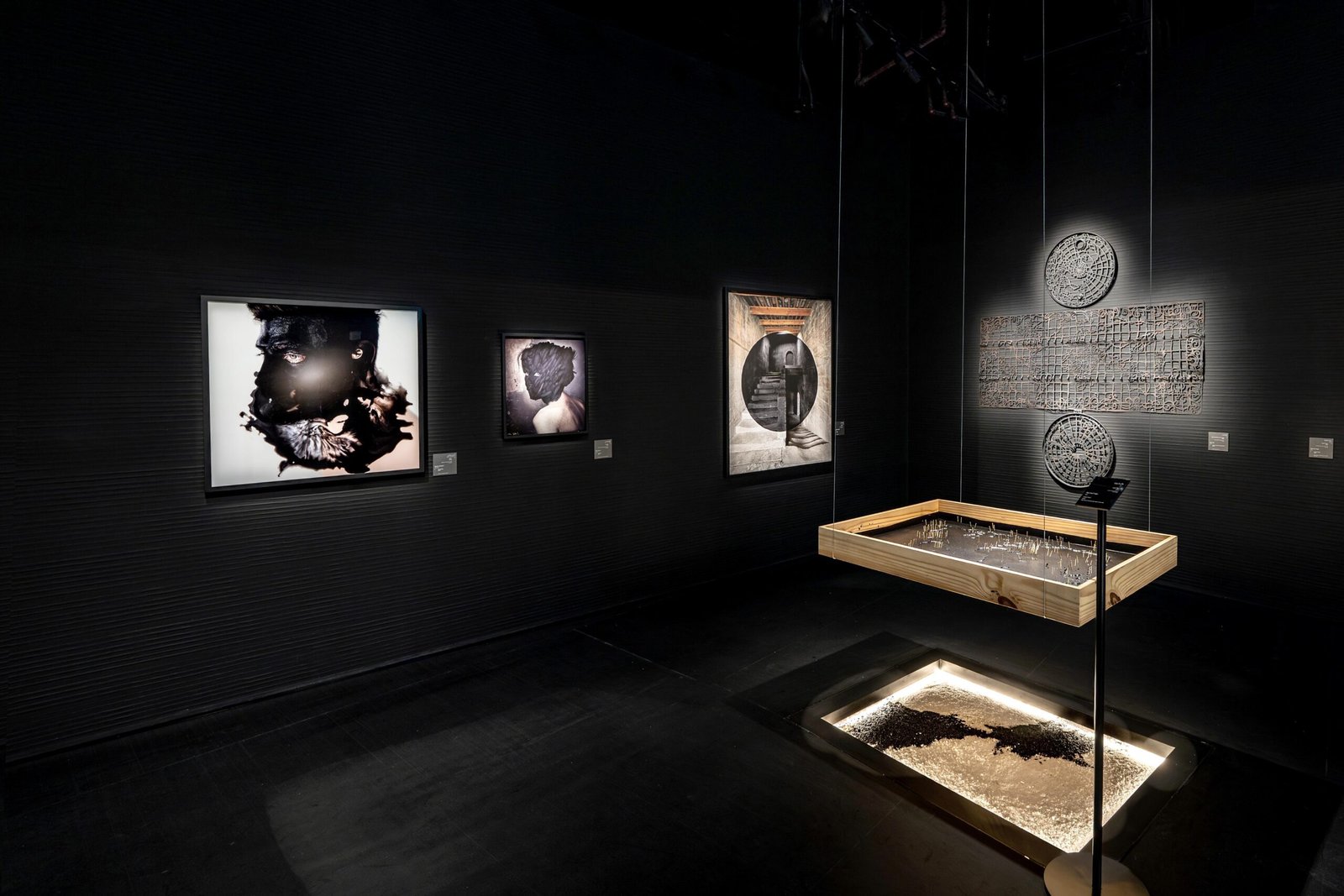
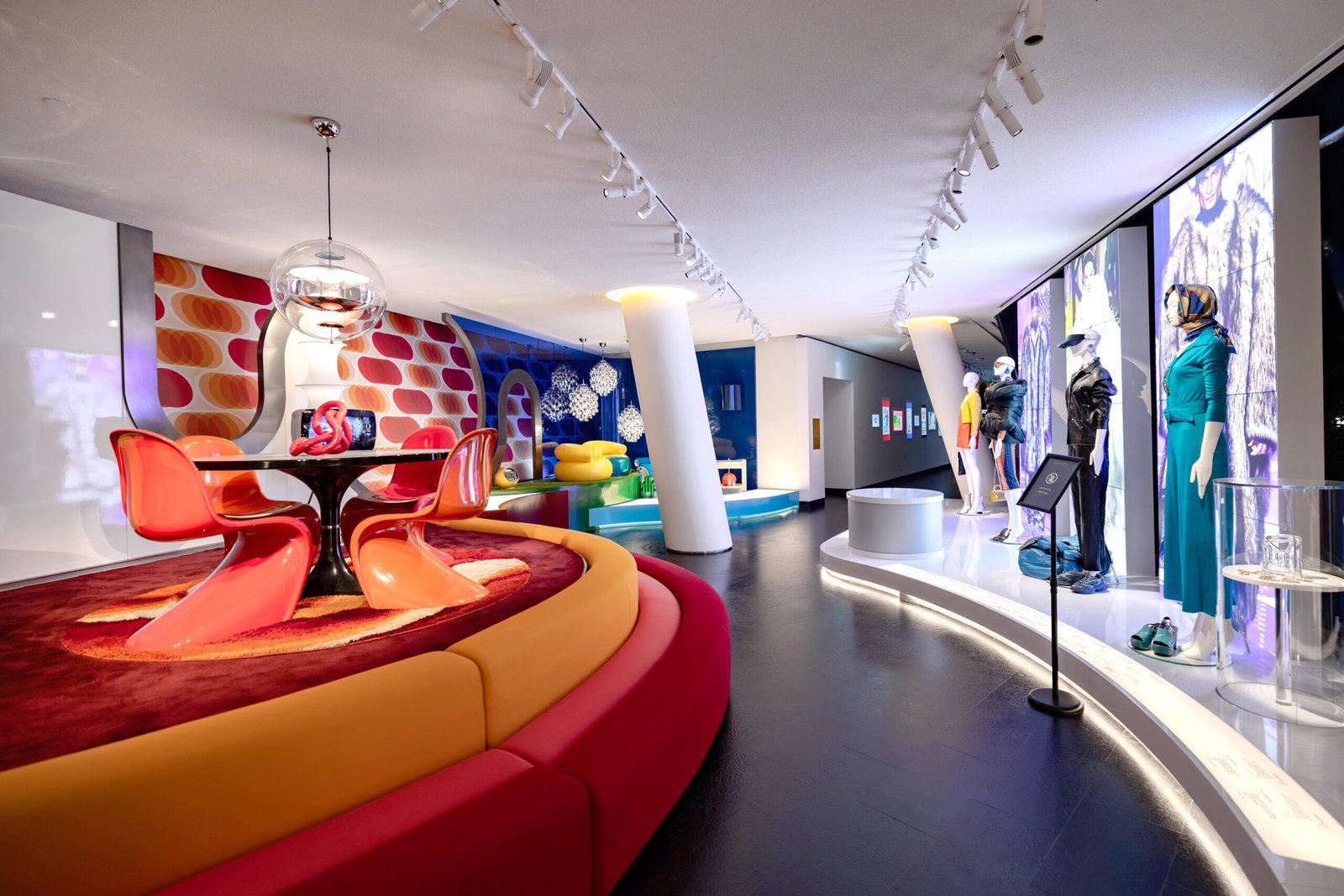
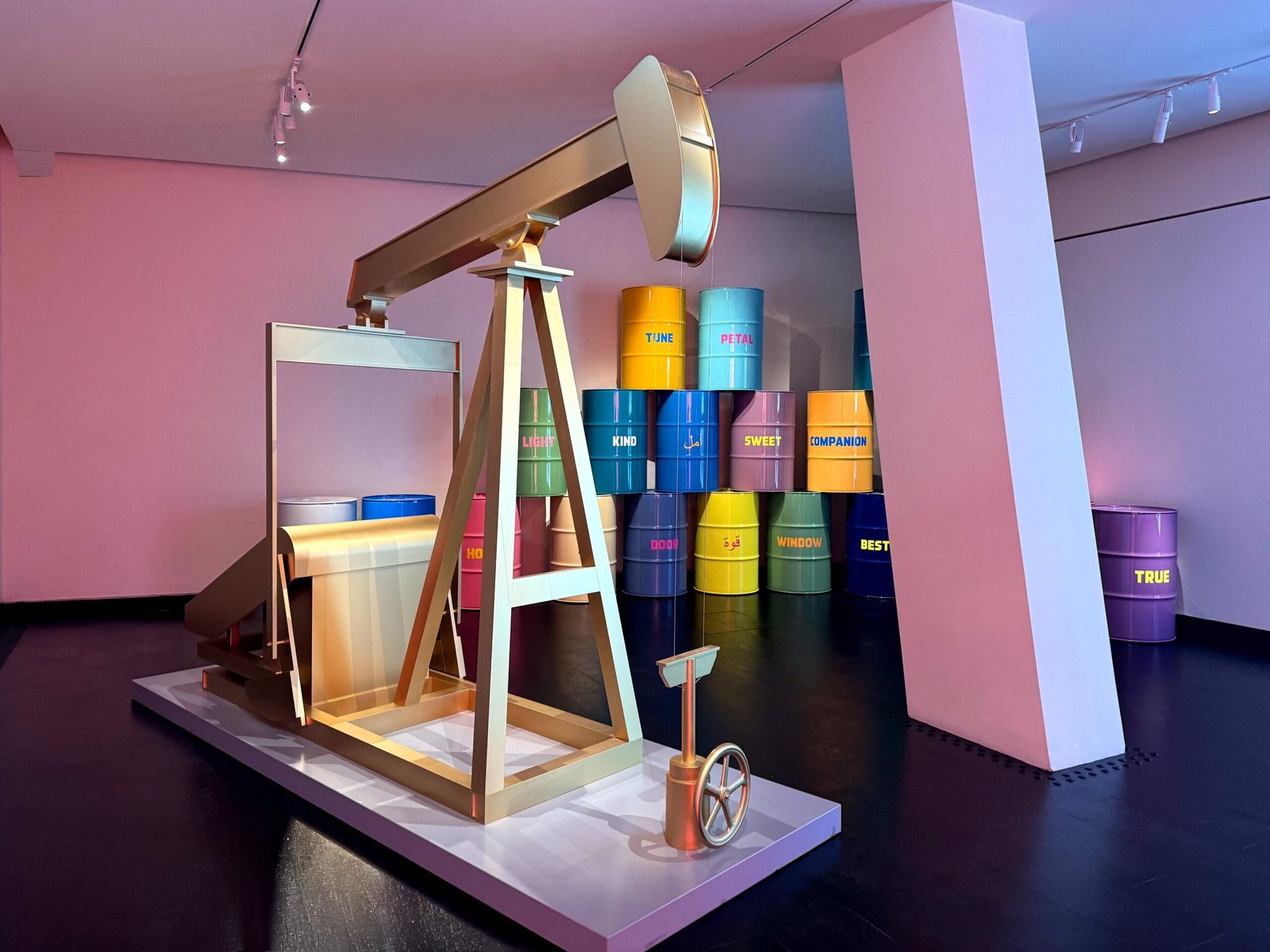
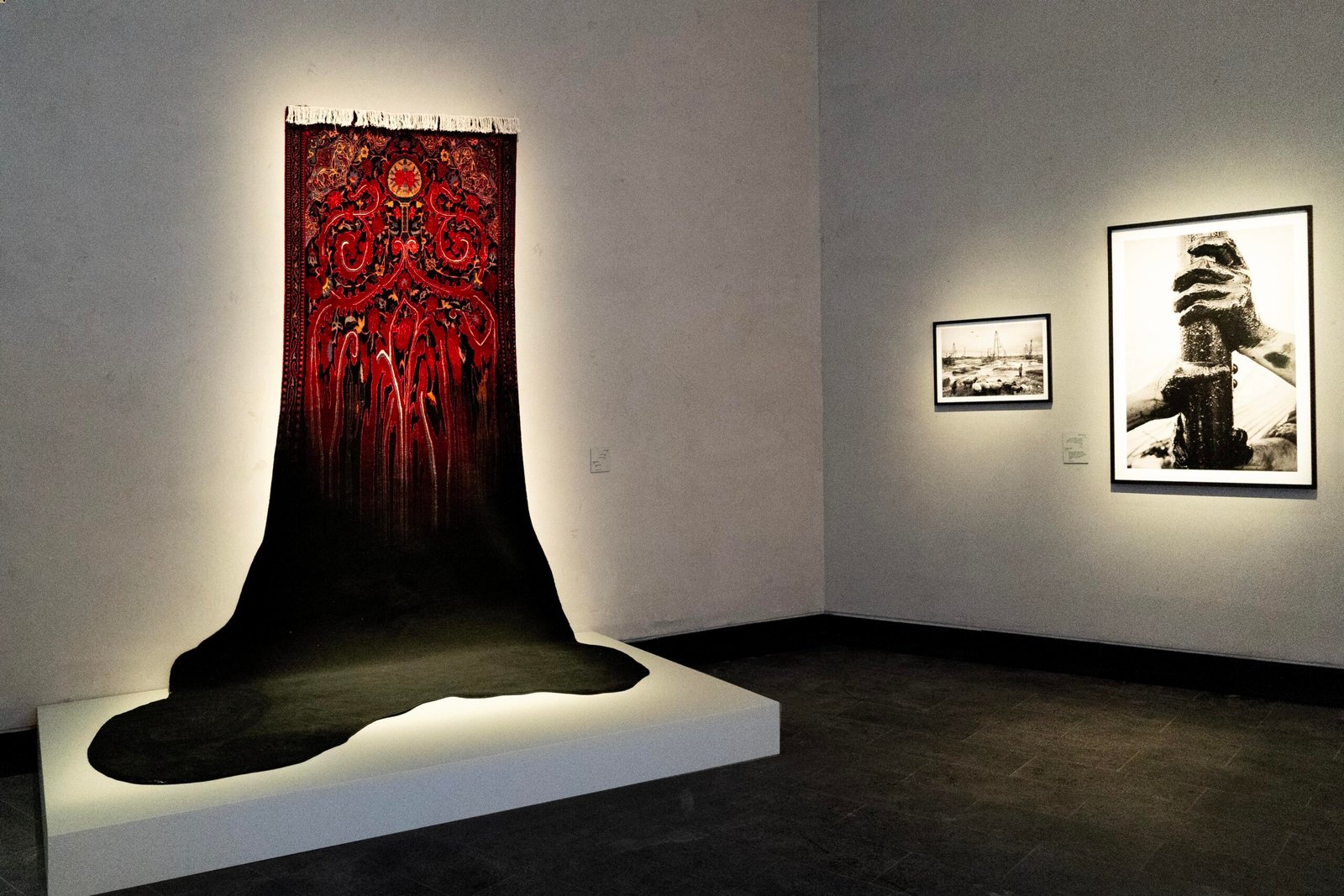
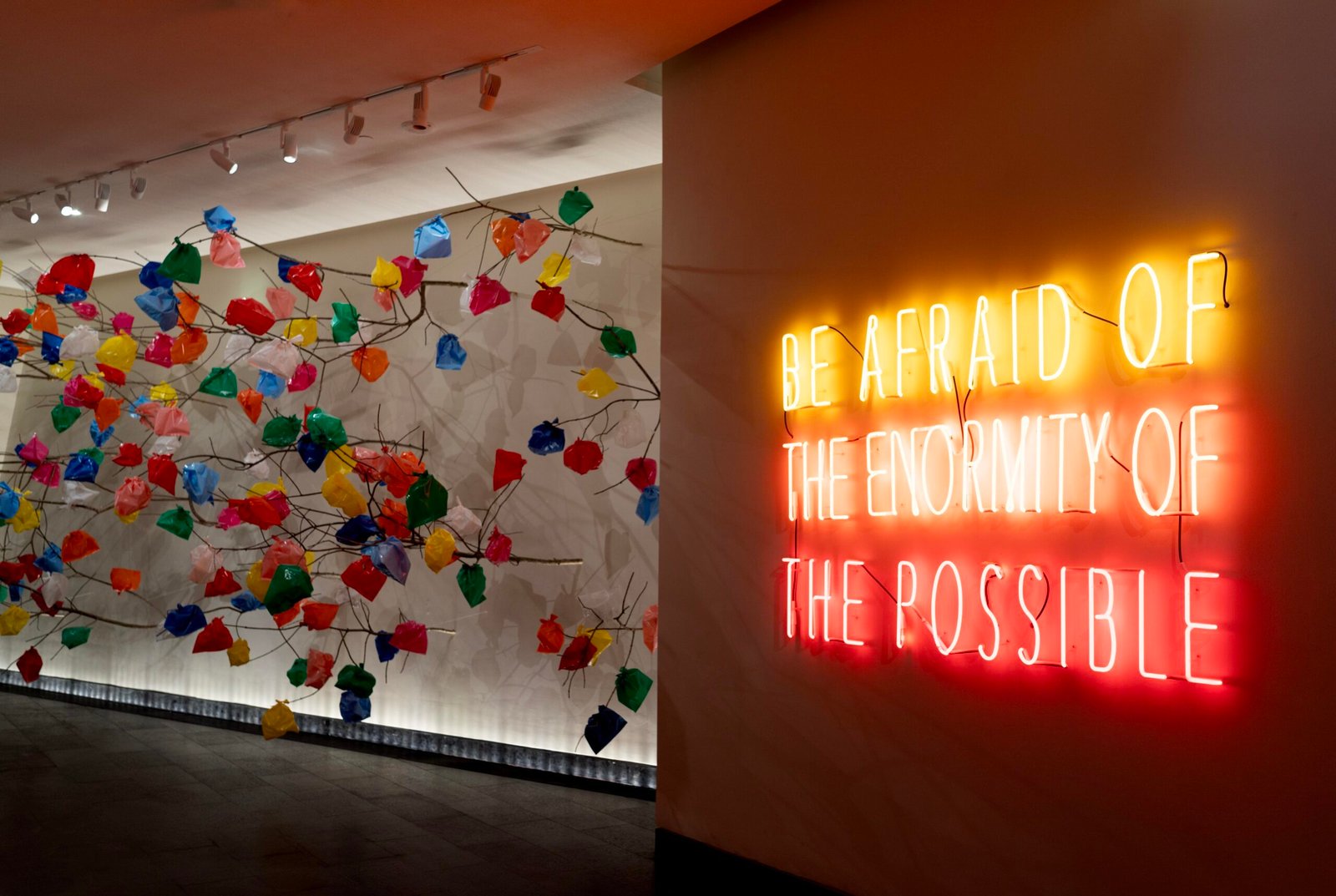
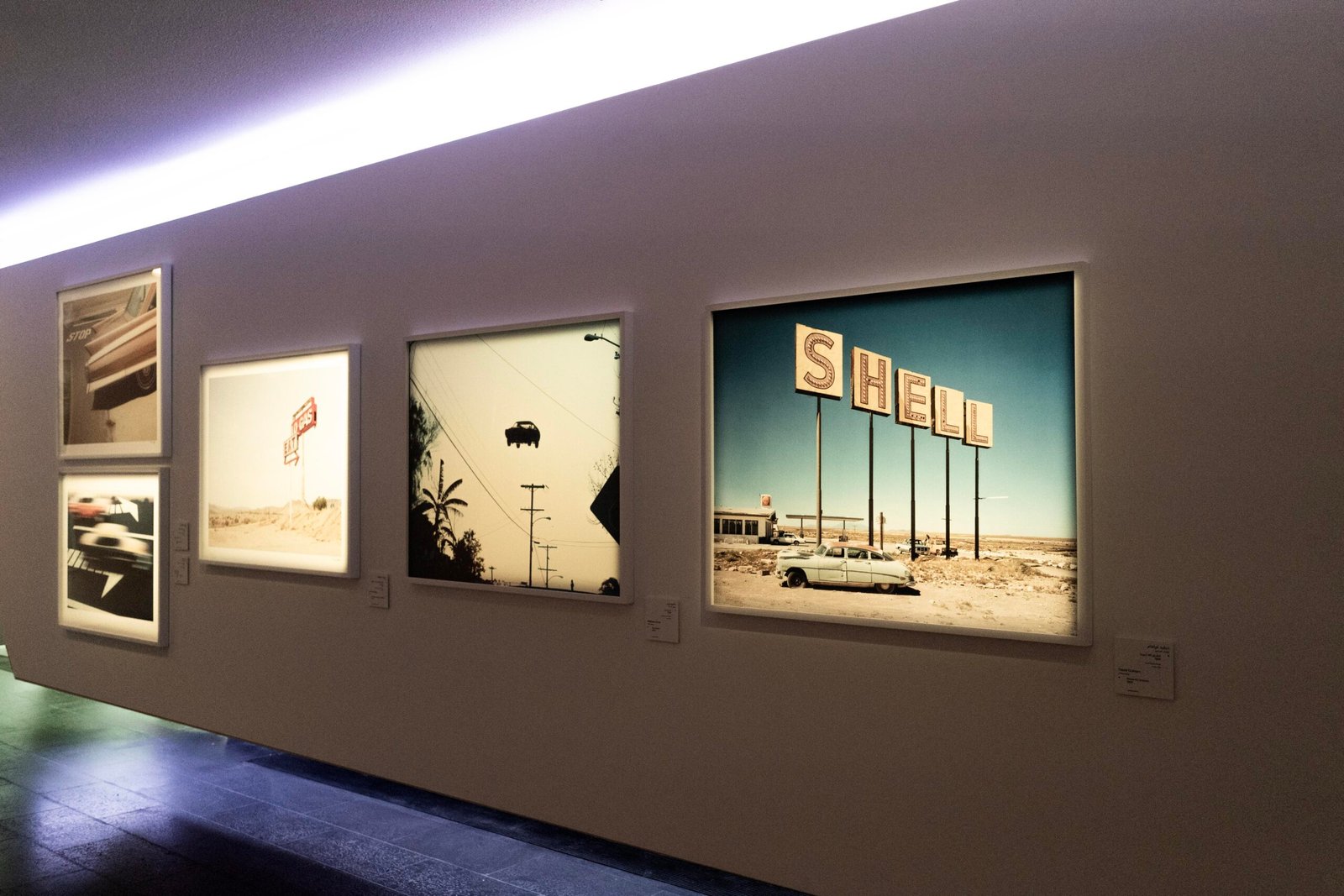
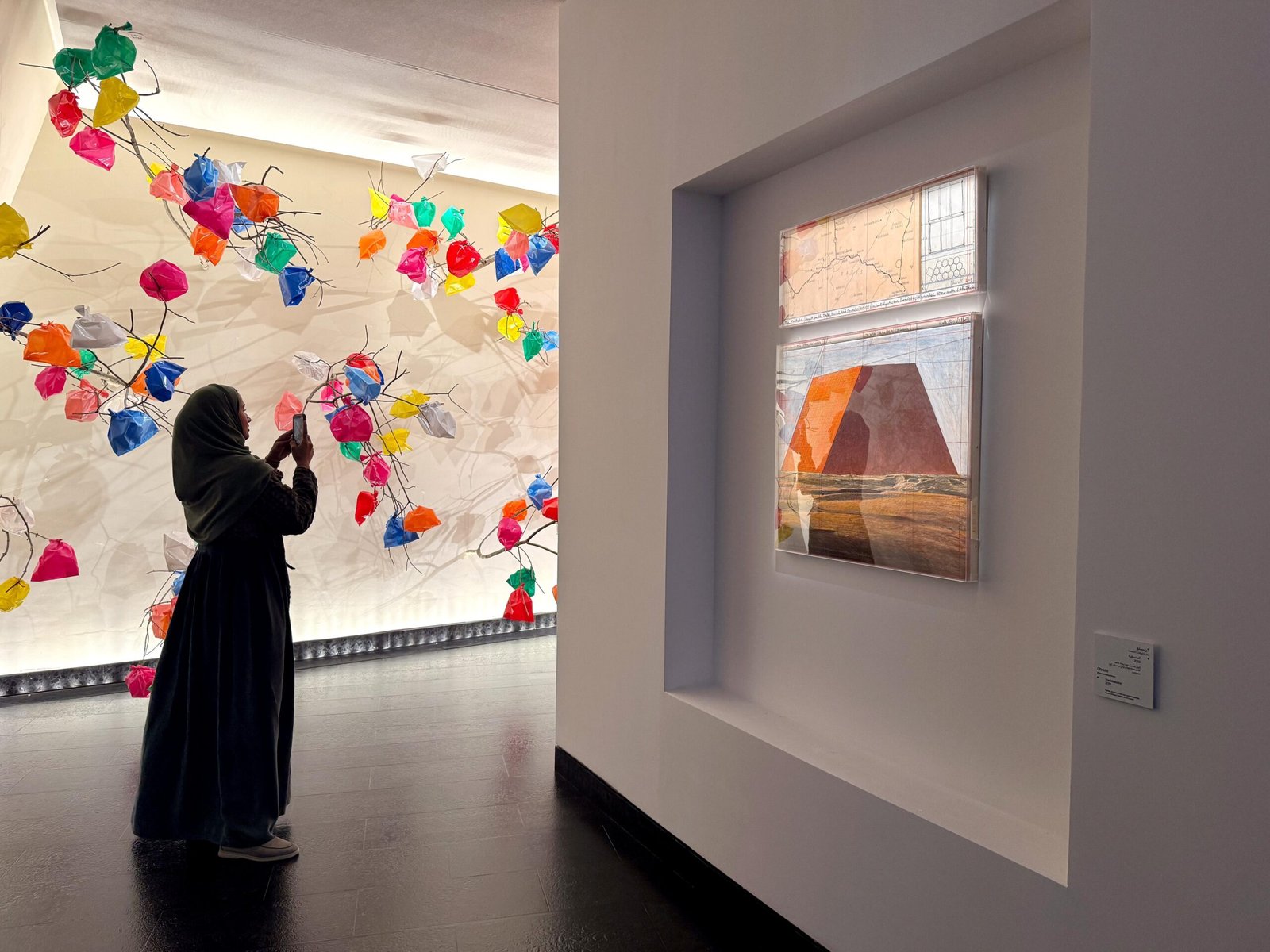
The museum brings together more than 350 artworks by leading international artists from a wide range of disciplines: photography, installation, sculpture, painting, film, comics, design, fashion, digital practices, and more. Figures such as Wim Delvoye, Adel Abdessemed, Jimmie Durham, Edward Burtynsky, Christo, or Ugo Rondinone are presented alongside leading Saudi artists including Ahmed Mater and Muhannad Shono.
This diversity allows for a multiplicity of perspectives and sensibilities. Together, they trace a unique narrative, a “love story” between humanity and oil, a universal metaphor to link both intimacy and collective experience.
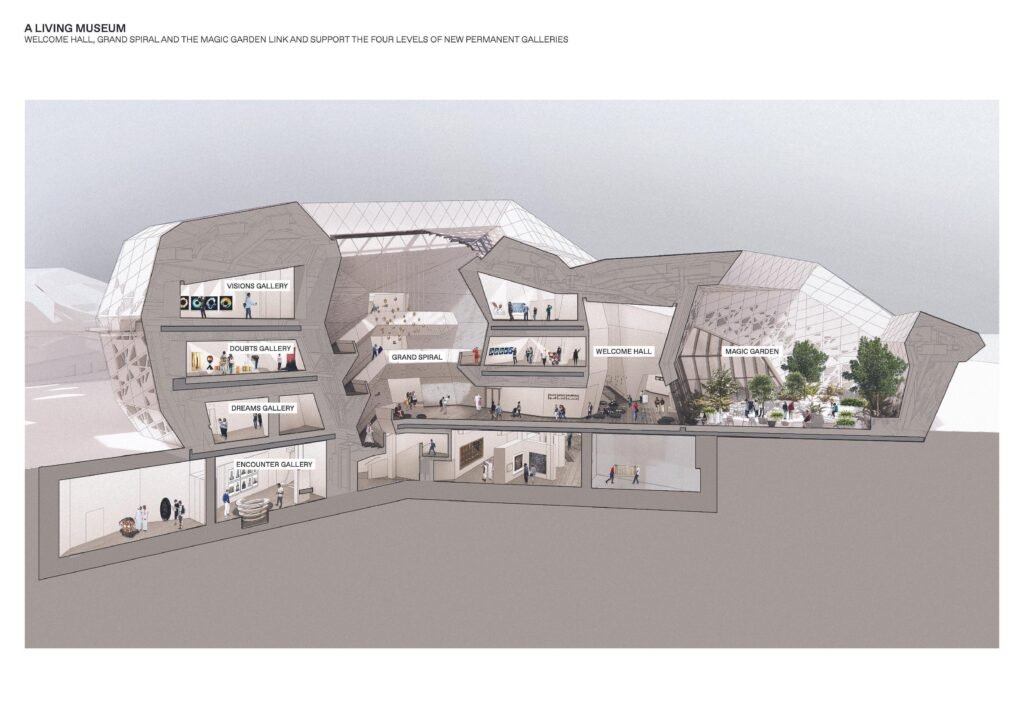
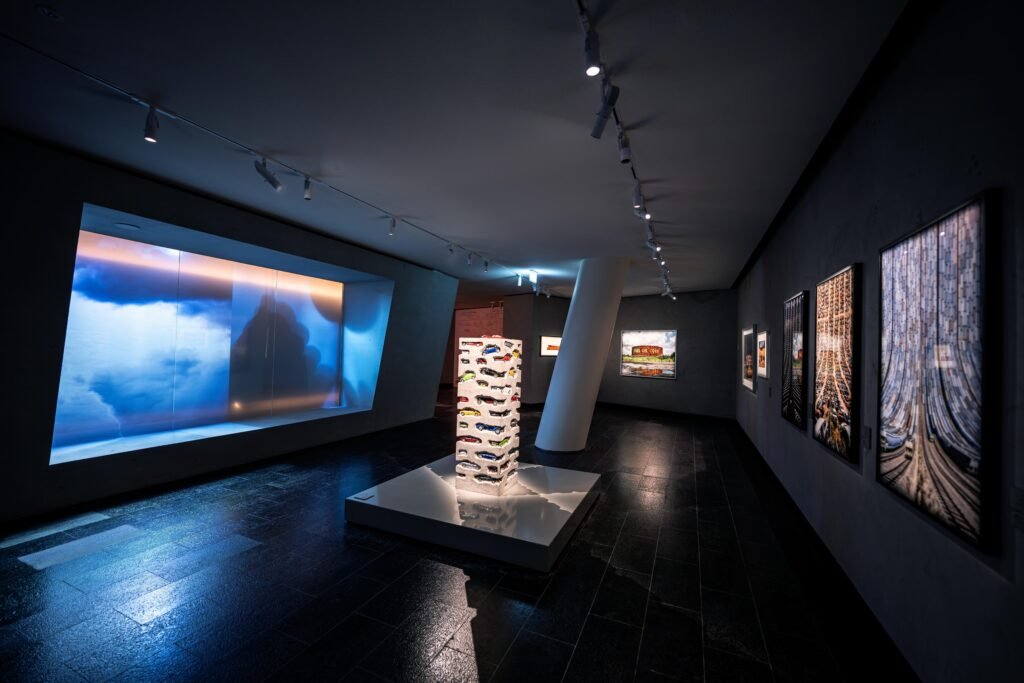
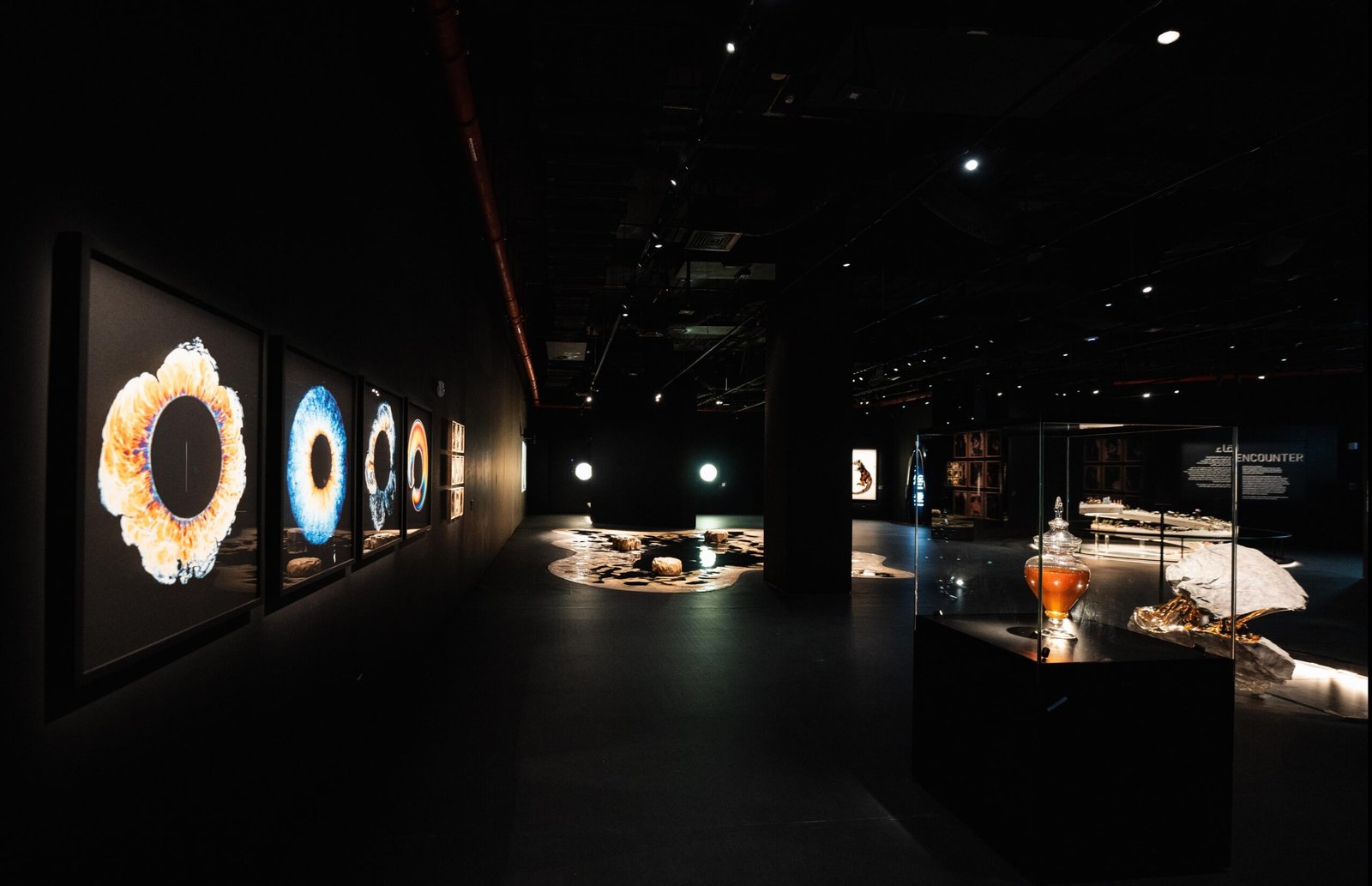
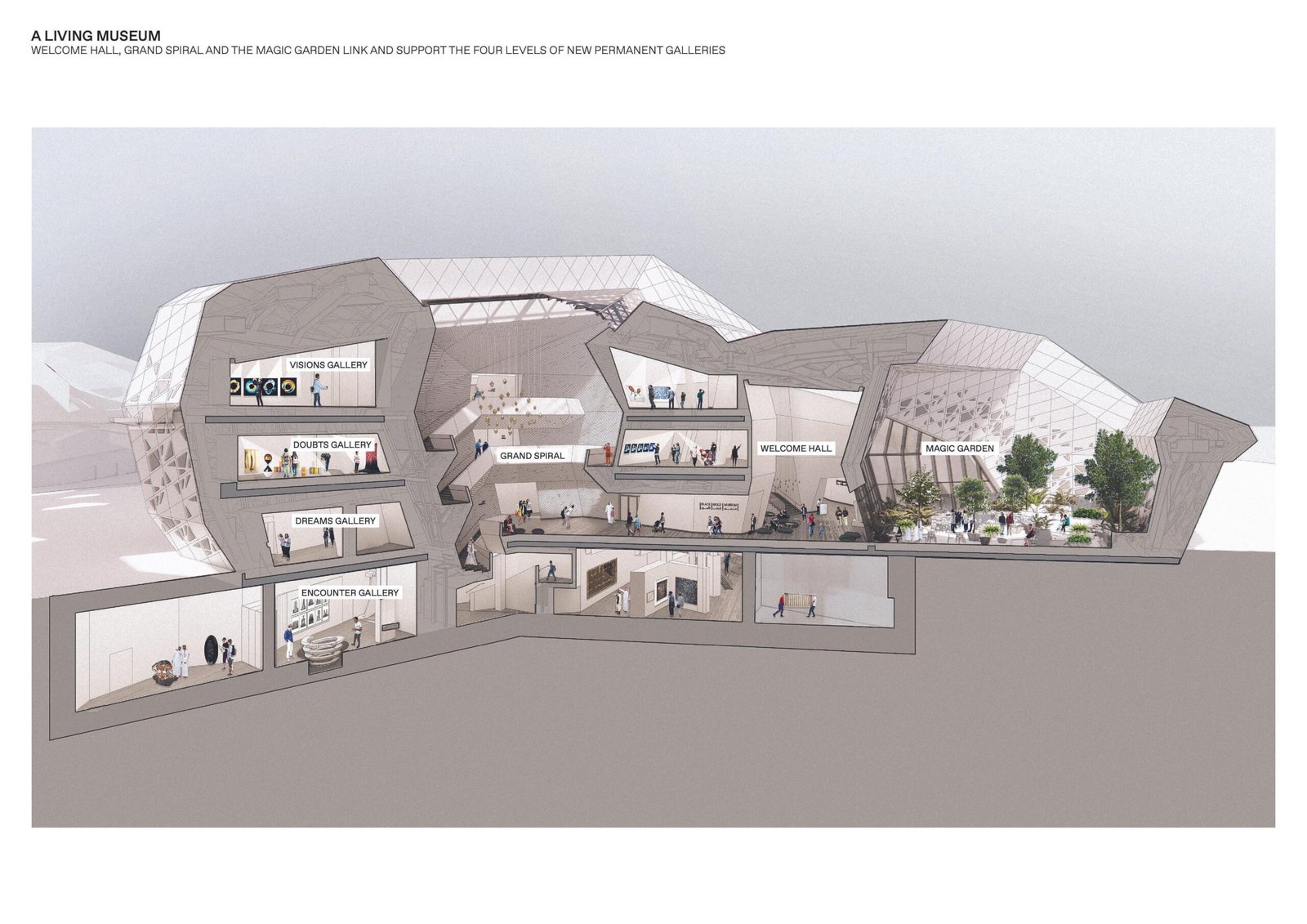
Structured across four chapters — Encounter, Dreams, Doubts, and Visions — the museum unfolds as a journey through time, from fascination and expansion to dependency and transformation. Each sequence explores a specific period, placing artworks in dialogue with the historical, cultural, and social issues related to oil.
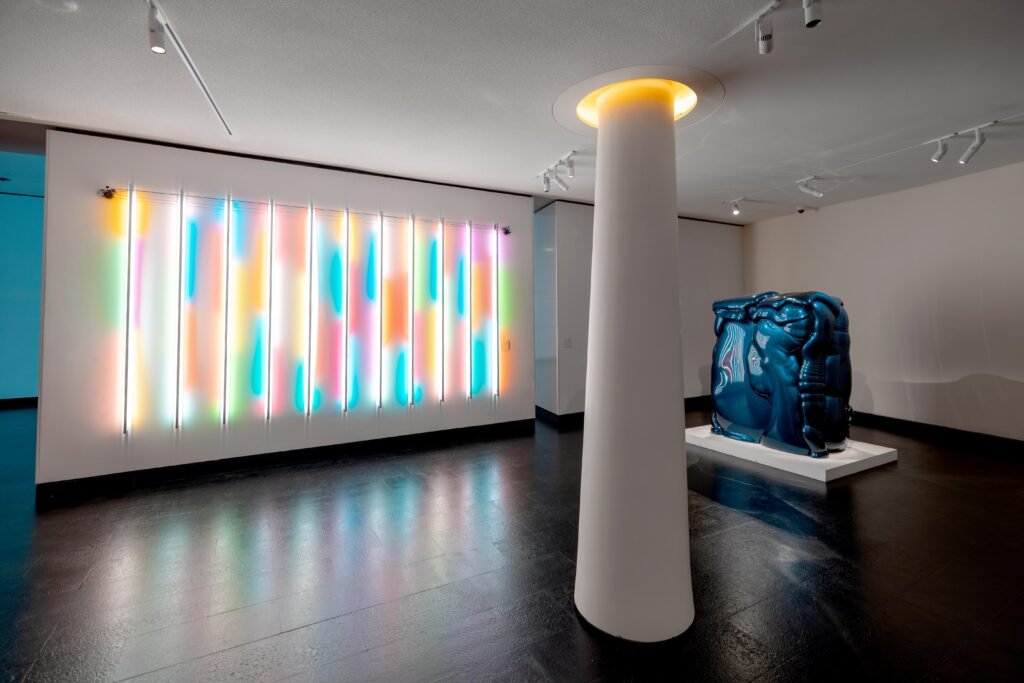
A museum conceived by an international design team
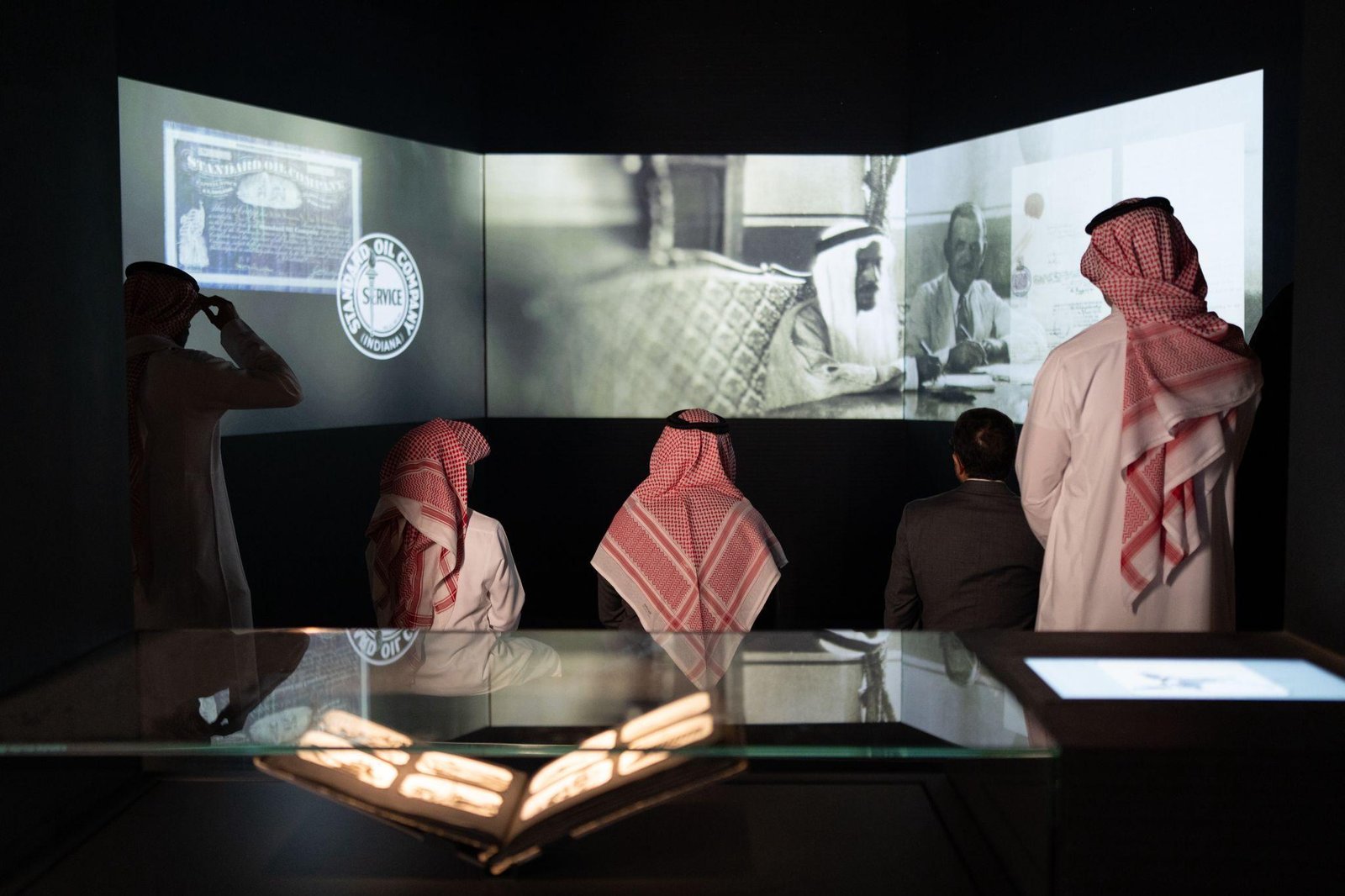
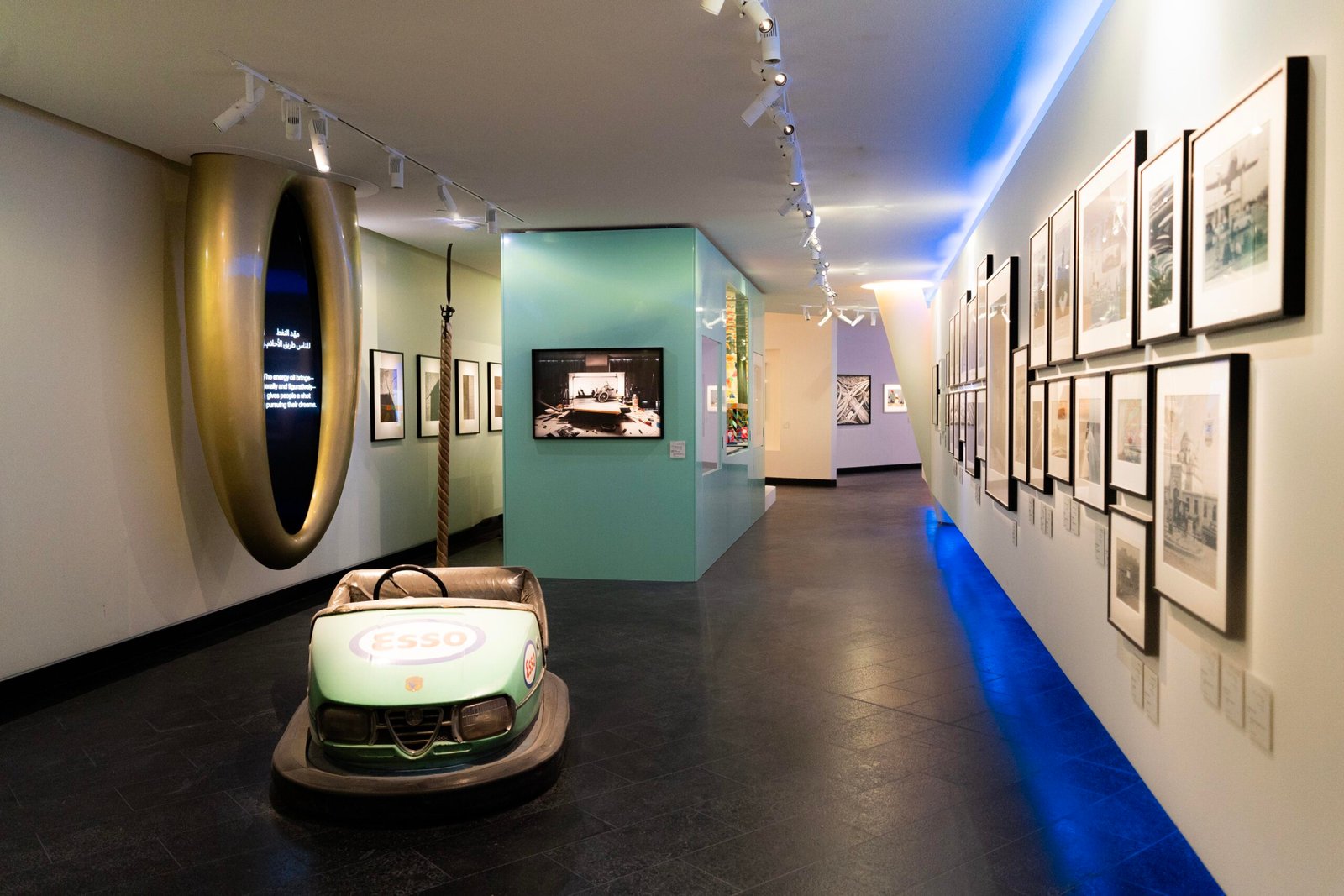
The Black Gold Museum is conceived as a total experience, where narrative, space, light, and image converge into a seamless immersive journey. Rather than a juxtaposition of disciplines, the project is driven by a close dialogue between curator and designers, shaping a coherent and sensitive environment.
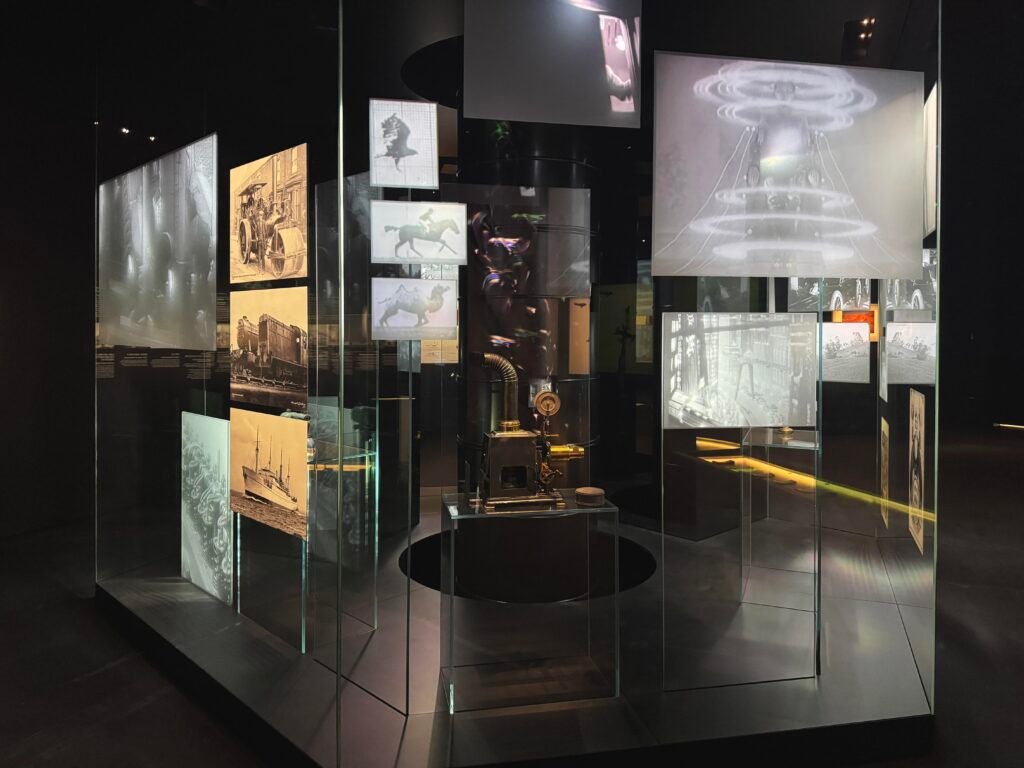
The design team brings unique expertise developed across major heritage museums, fine arts institutions, and luxury maisons. This dual culture is central to the project: it allows the museum to combine rigor and emotion, knowledge and immersion.
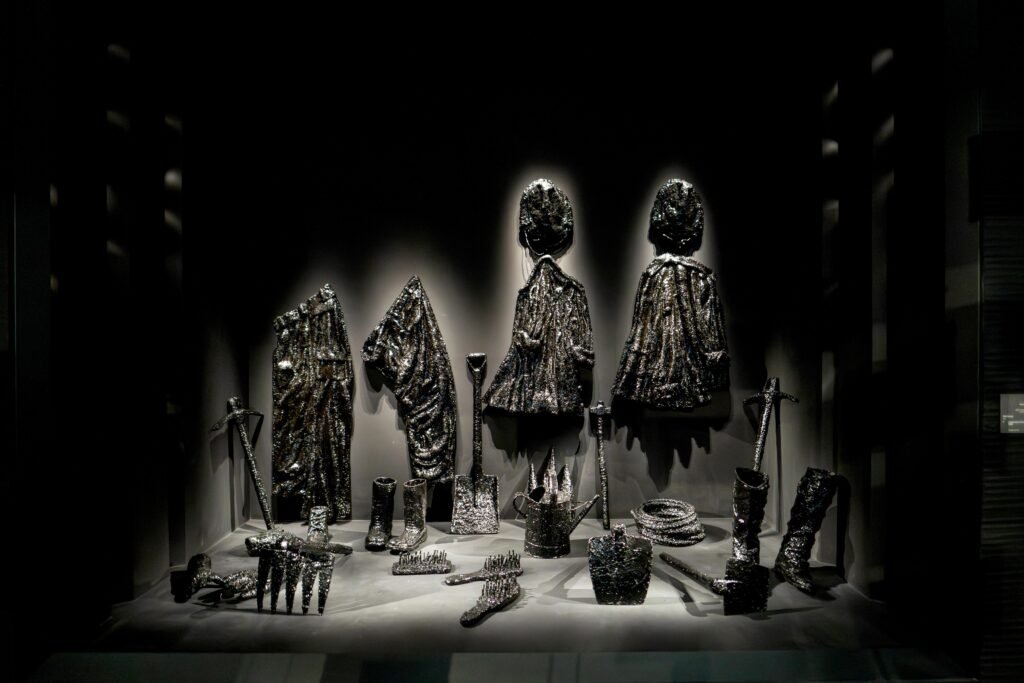
Agence NC, led by Nathalie Crinière, creates a spatial dramaturgy, where the scenography unfolds as a carefully composed sequence of spaces. Each chapter is defined by its own materiality, atmosphere, and sensory intensity, from dense, mineral environments to lighter, more luminous spaces, offering a progression that supports both the story and the visitor’s experience.
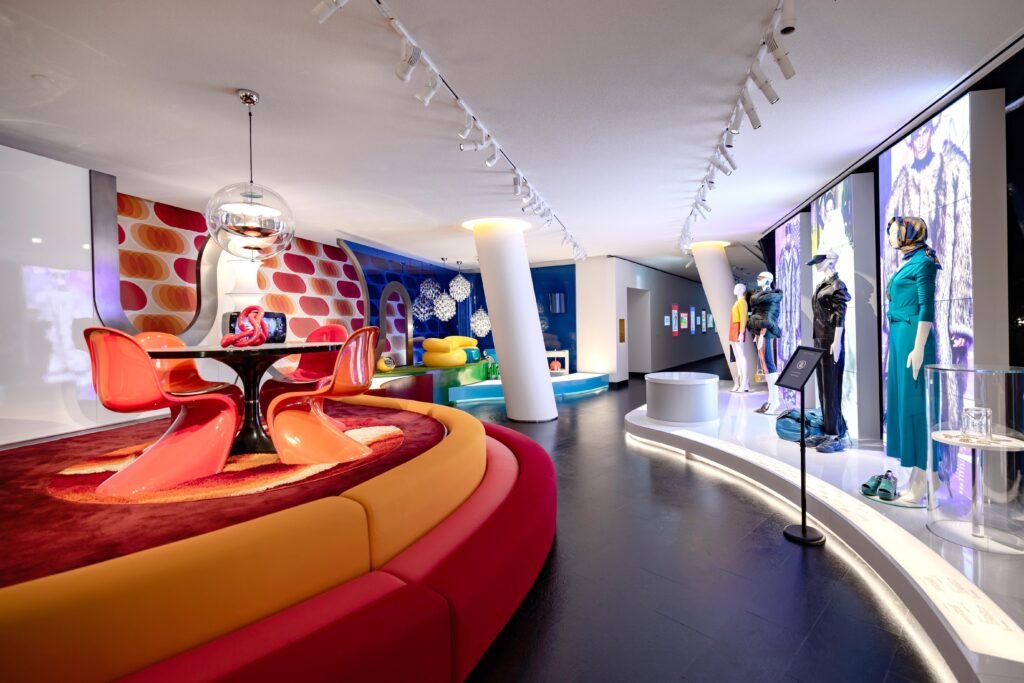
“At Agence NC, we design permanent museums ranging from classical fine arts institutions, such as the Musée Carnavalet, to luxury environments like the La Galerie Dior,” explains Nathalie Crinière. “With the Black Gold Museum, we had the opportunity to imagine a particularly vibrant scenography, creating atmospheres through meaningful materials and spatial compositions that carry the emotional nuances of the curatorial narrative.”
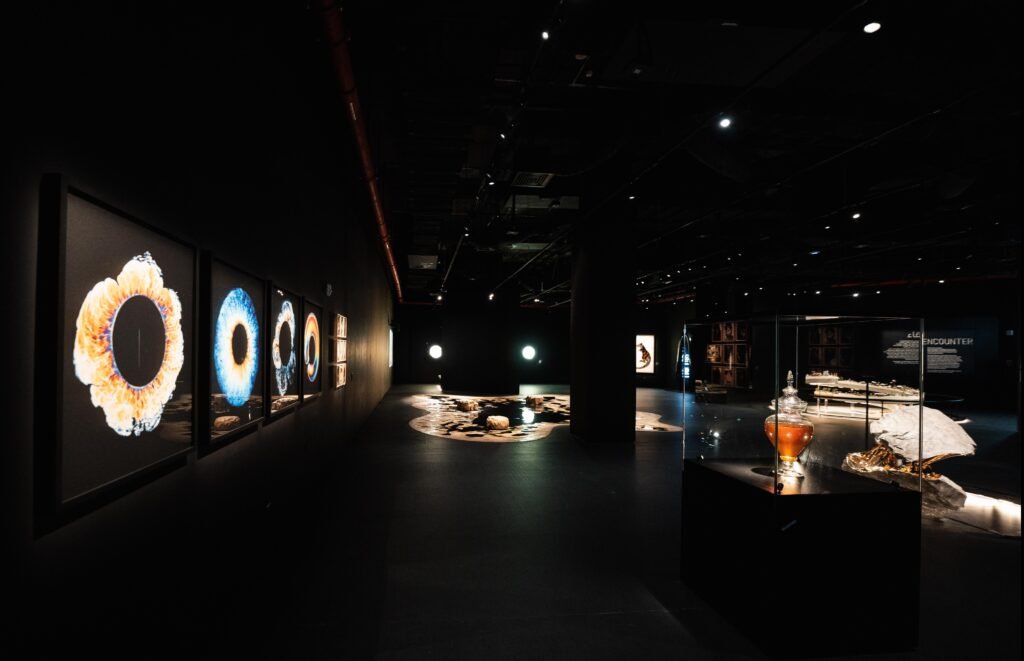
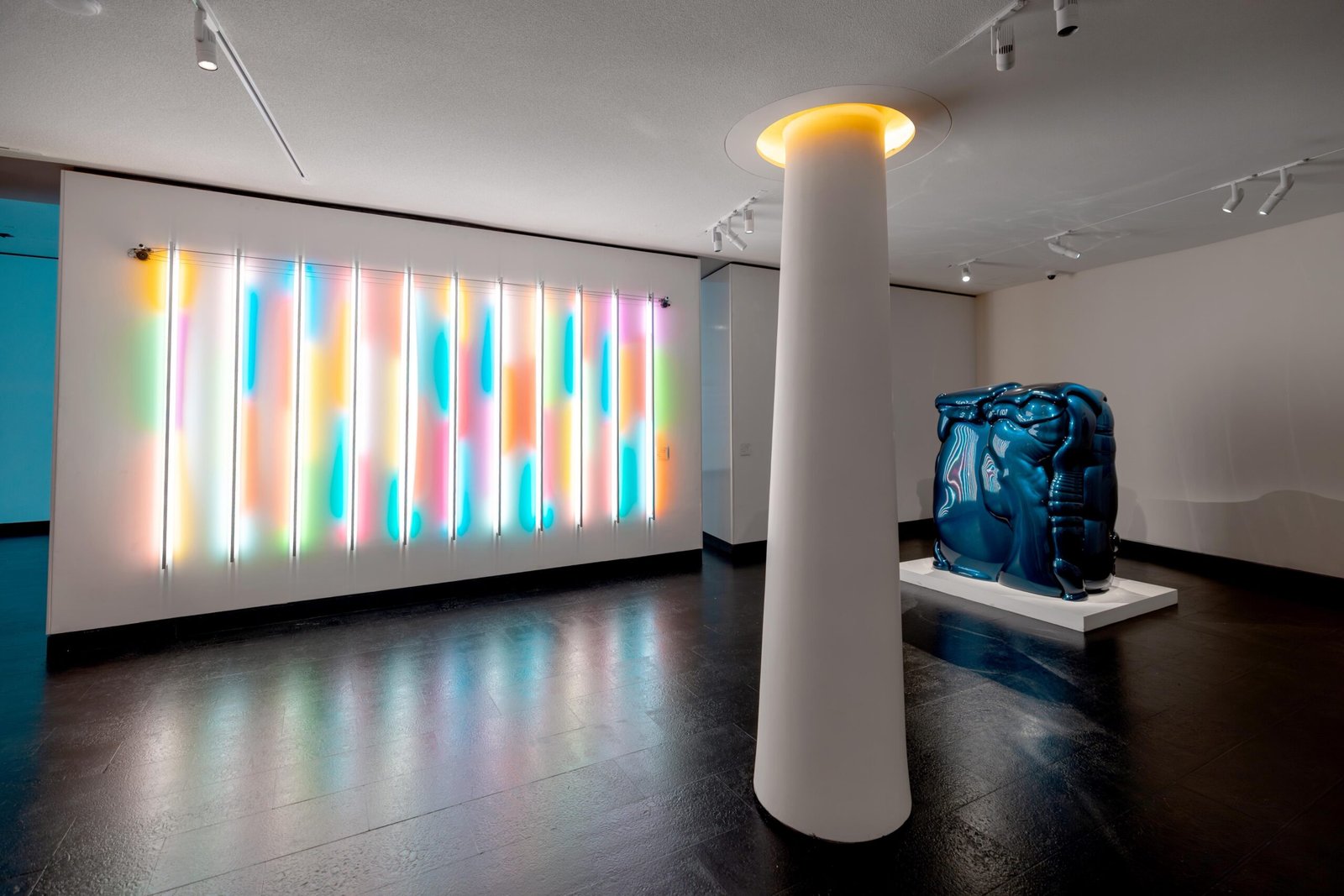
Lightemotion designs a sensitive lighting that reveals both the architecture and the artworks, guiding perception throughout the journey.
“Light should never dominate the experience; it should reveal, guide, and create emotion,” says François Roupinian. “At the Black Gold Museum, the artworks are incredibly diverse, from photography and paintings to monumental installations, making the museum an extraordinary playground for light and perception.”
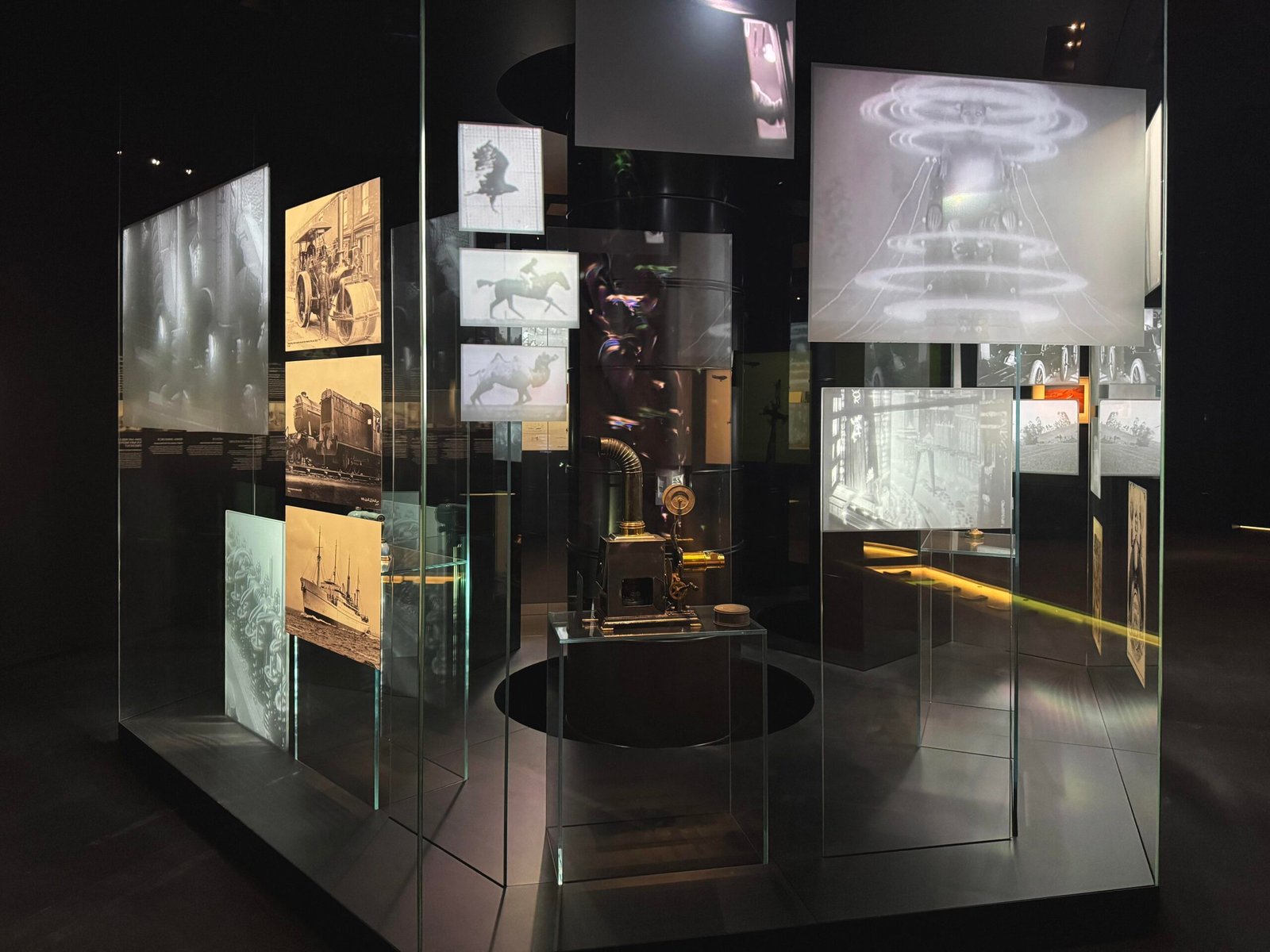
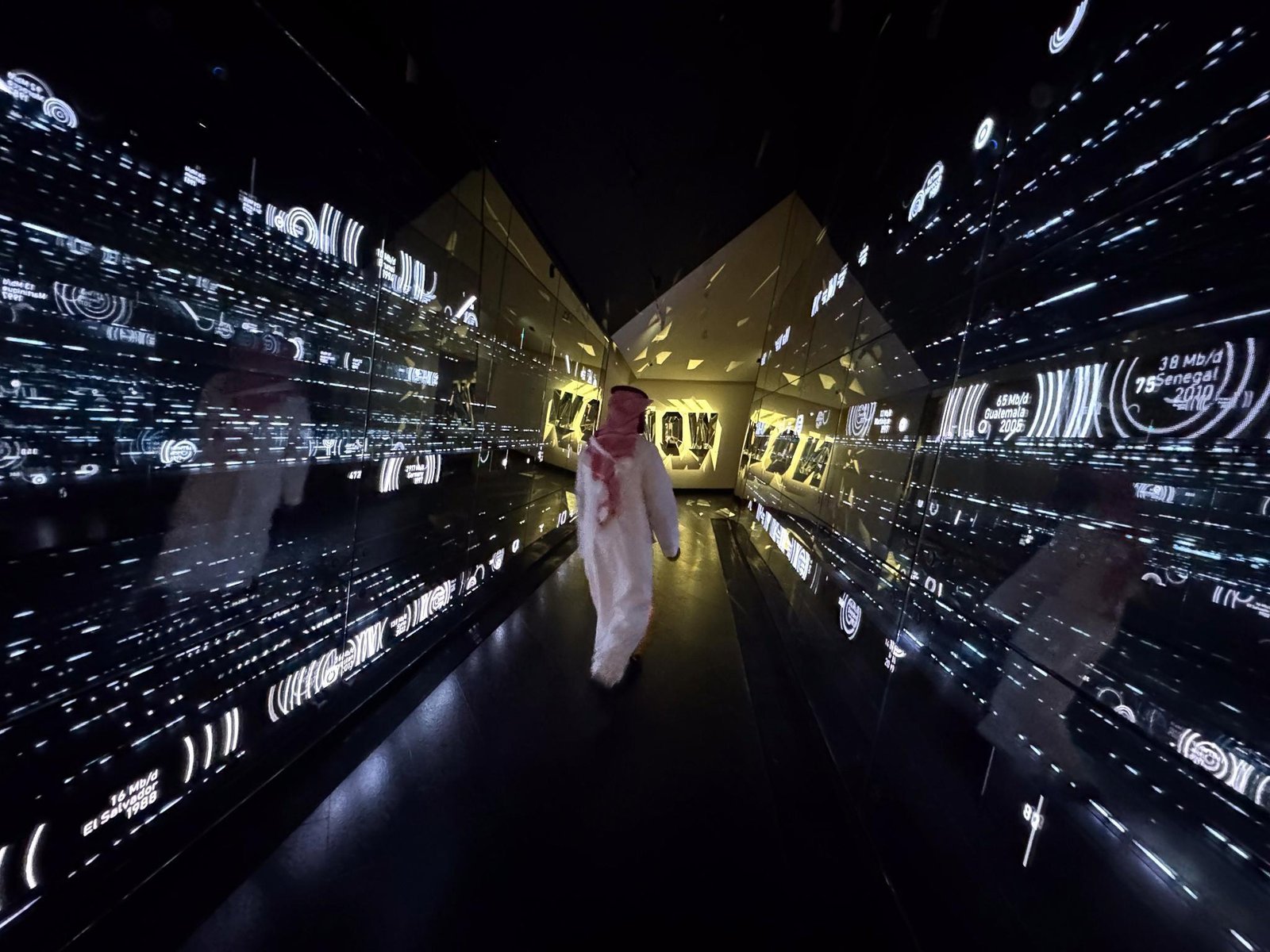
La Méduse & Nokinomo extend the experience through immersive digital installations, using technology, moving images, data, and sensory environment in service of emotion and storytelling.
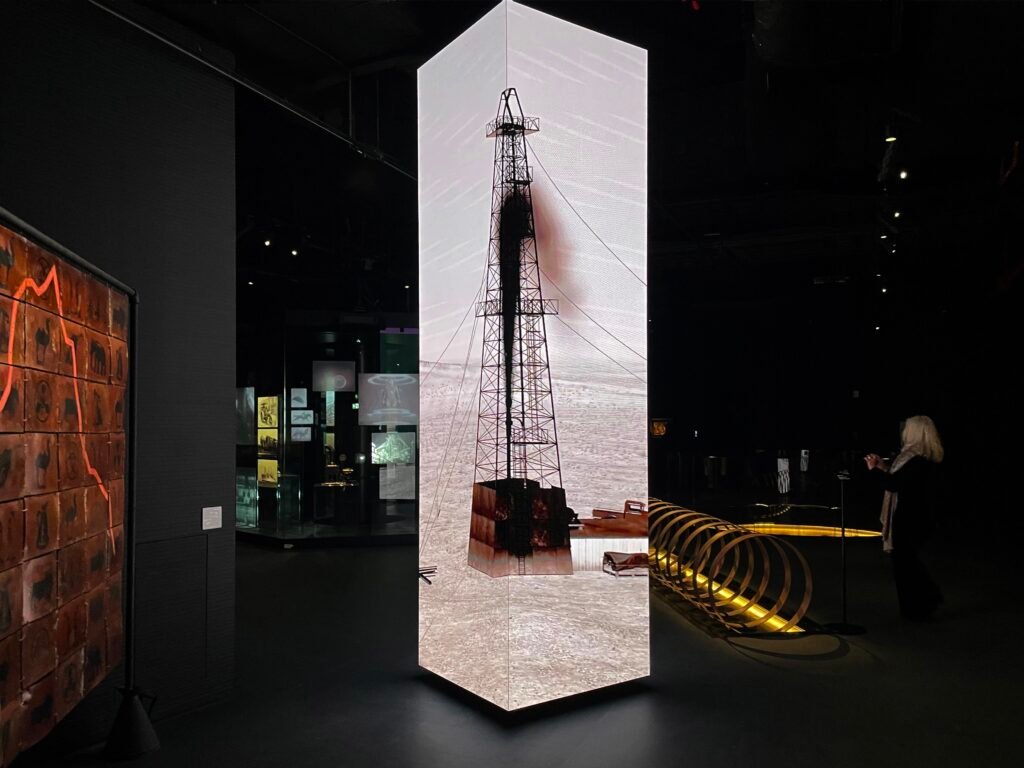
“For the Black Gold Museum, we created entirely bespoke immersive, digital, and interactive installations,” notes Anne Jaffrennou. “Each major installation was designed to carry strong narrative content, introducing the different thematic chapters of the museum. The project gave us the opportunity to fully deploy our expertise, guided by one central idea: technology only becomes meaningful when it serves emotion and storytelling.
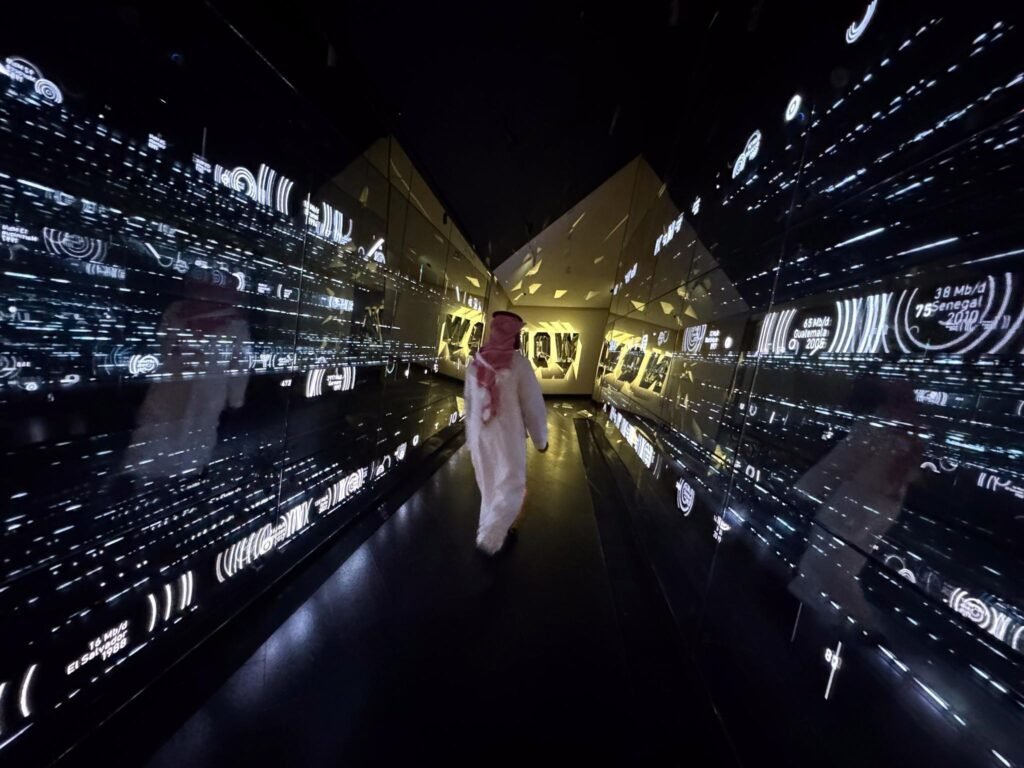
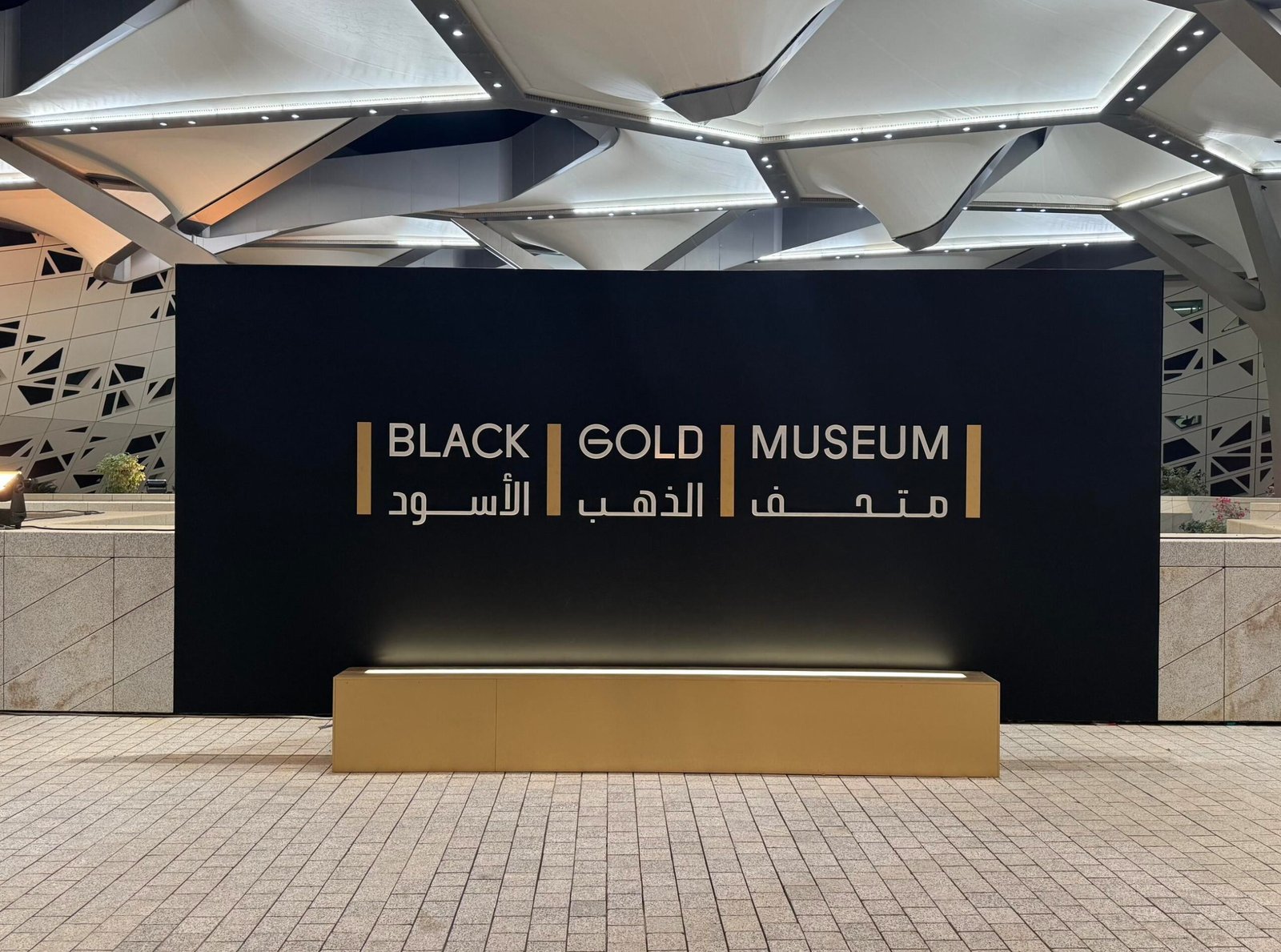
Anamorphée constructs the visual identity of the museum, embedding meaning into graphic systems that support orientation, rhythm, and narrative clarity. Designing the graphic identity for the Black Gold Museum was a fantastic adventure.
“We created the entire visual language of the museum, including a bold and highly contemporary logo that the client fully embraced in its international ambition.”
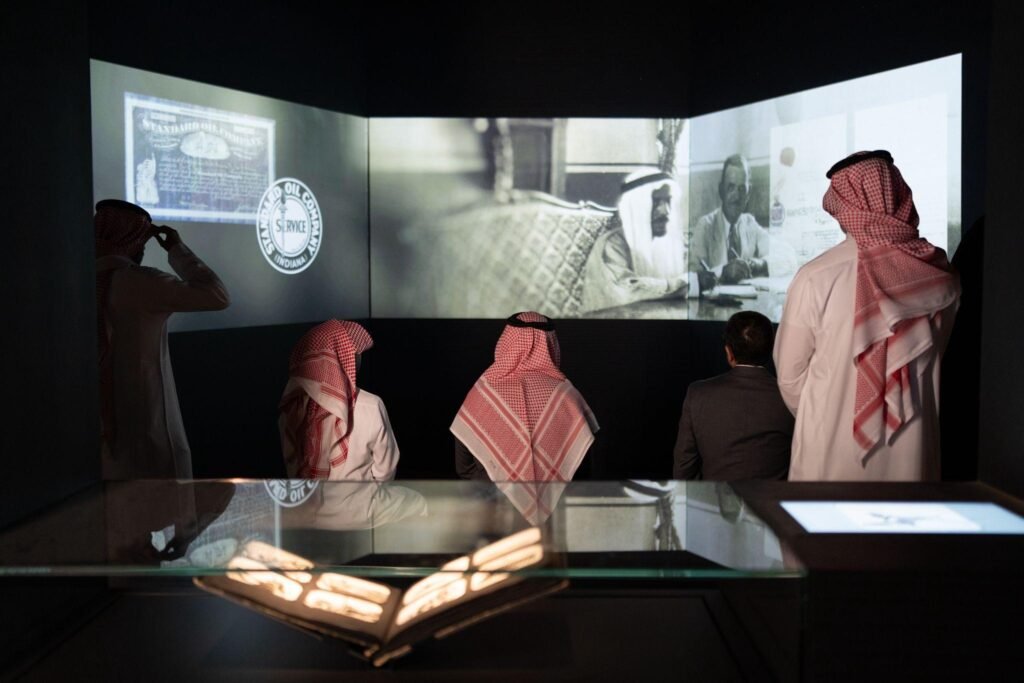
Together, these approaches merge into a continuous narrative where design becomes a language.
From concept to realization — La Méduse
Over six years, La Méduse led the project from concept to completion – initiating the curatorial direction and coordinating the collaboration between designers. Acting as a creative lead, La Méduse ensured coherence across all dimensions of the project, from narrative construction to spatial experience and immersive environments.
The transformation of the building – originally a research library within the KAPSARC campus – was carried out by DaeWha Kang Studio, enabling the development of a fluid and continuous visitor journey across four levels.
A new model for contemporary museums .
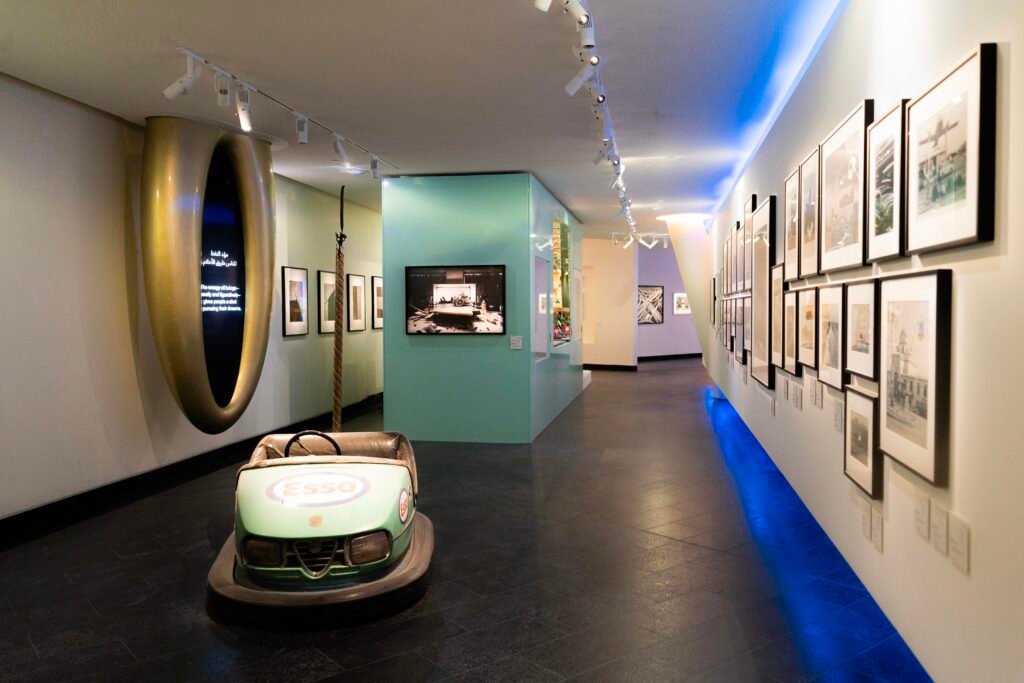
The Black Gold Museum is defined by its immersive approach:
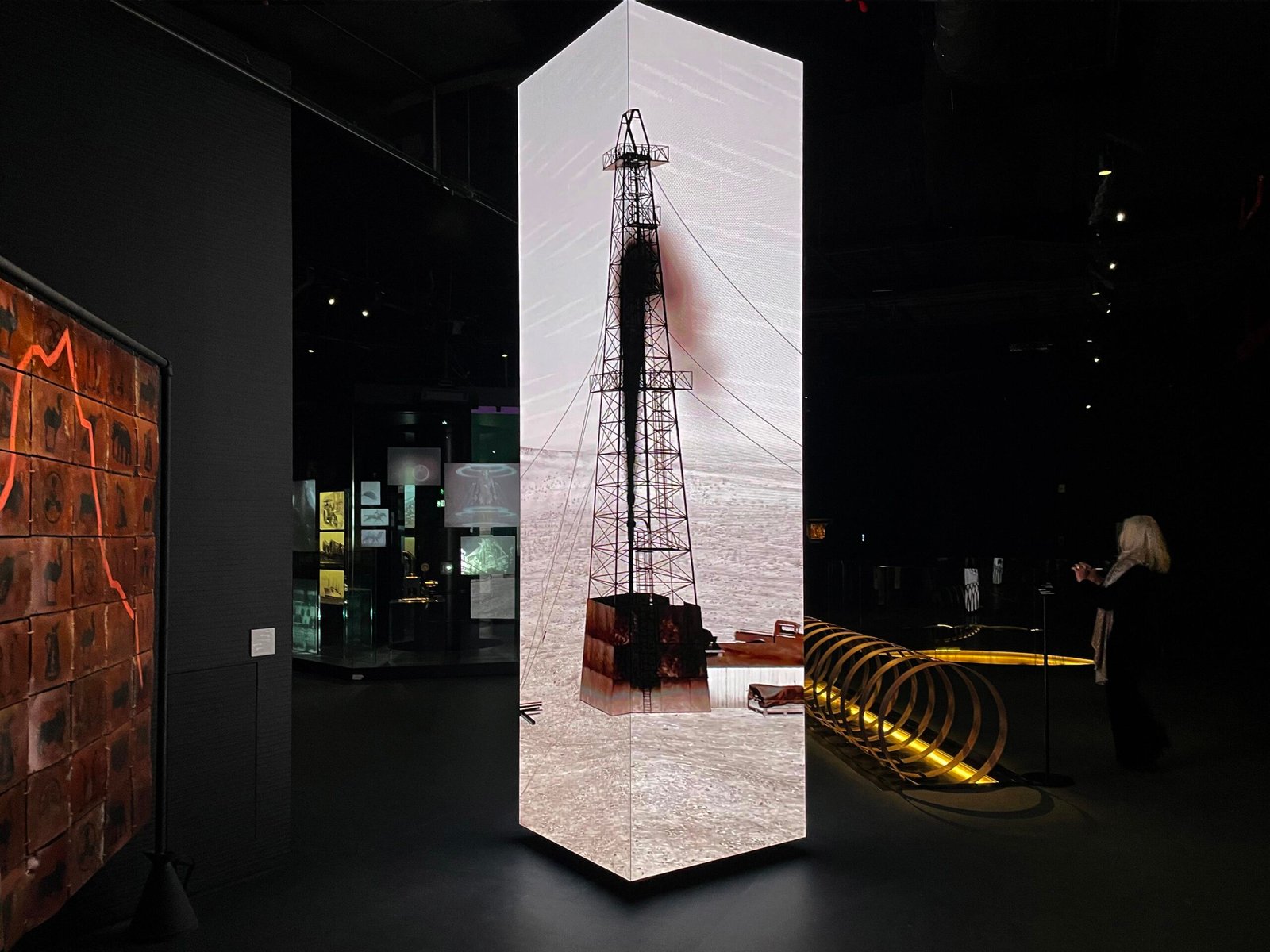
– monumental installations
– interactive digital environments
– subtle interplay of light and matter
– a strong sensory narrative
Interactivity goes beyond traditional digital interfaces or informational displays. It is conceived in a more sensitive and immersive way, engaging visitors through their movement and perception, to provoke a reaction, an awareness.
At a time when oil remains central to global geopolitical and environmental conversations, the Black Gold Museum proposes a new way of engaging with this material. From the depths of the earth and its darkness to abstract data and future projections, the museum invites visitors to understand and experience oil. It thus becomes a space of discovery and curiosity, rather than a simple place for transmitting information or content.
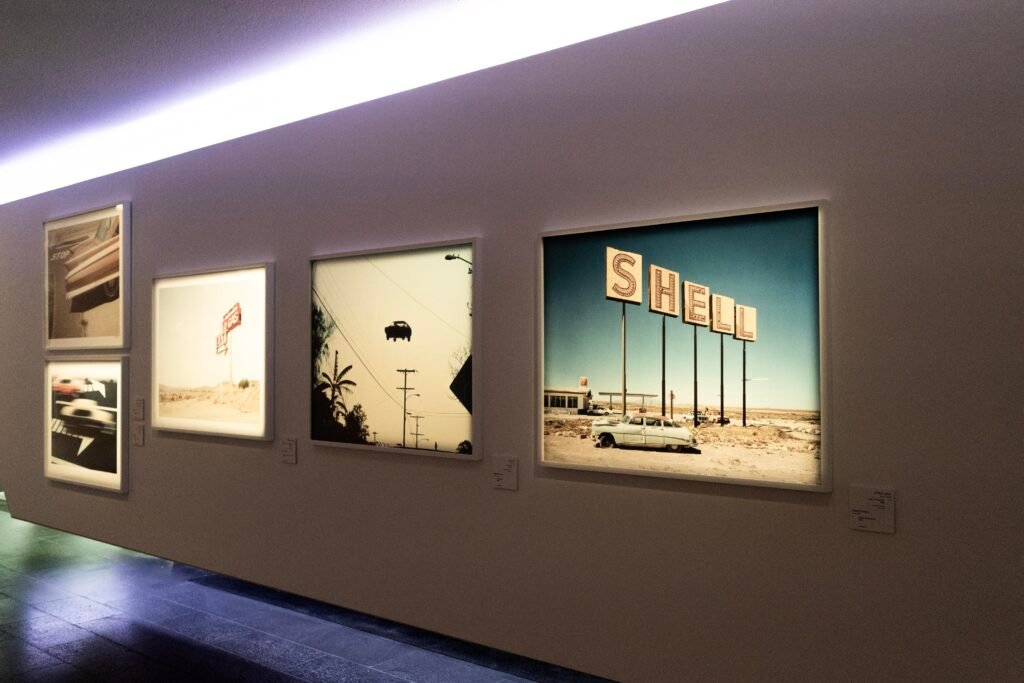
By bringing together art, design, and storytelling, it reflects a broader transformation of cultural institutions, where disciplines converge to shape how stories are told – and experienced.
Project Gallery:
Cite: “Black Gold Museum, Riyadh, Saudi Arabia / Zaha Hadid Architects 3 September 2026. GLSN. Accessed . https://theglsn.com/black-gold-museum-riyadh-saudi-arabia-zaha-hadid-architects/