Shared by the architects upon our invitation.
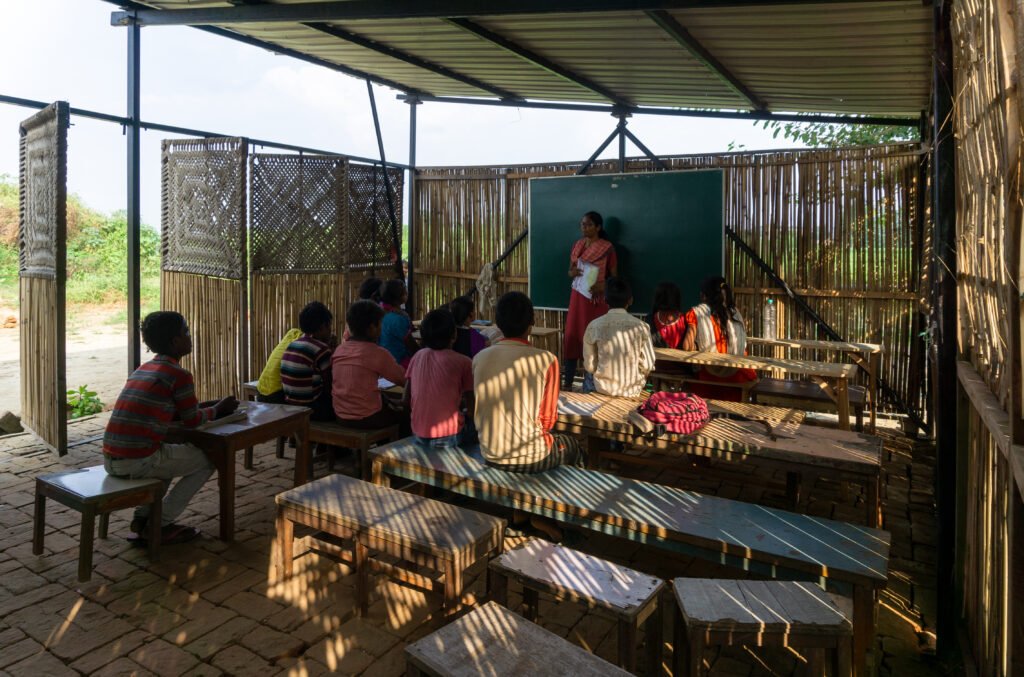
Modskool is the modular design and construction of a low-cost school that was built in a few days and can be dismantled within a few hours to protect from evictions faced by squatter settlements in Delhi, India
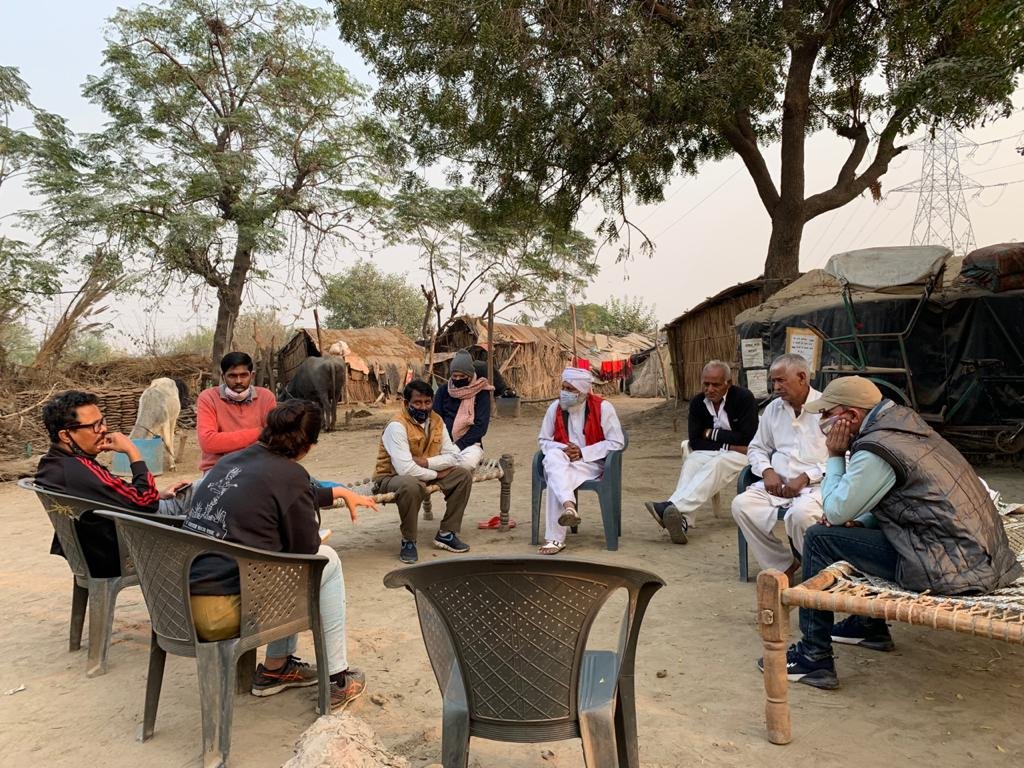
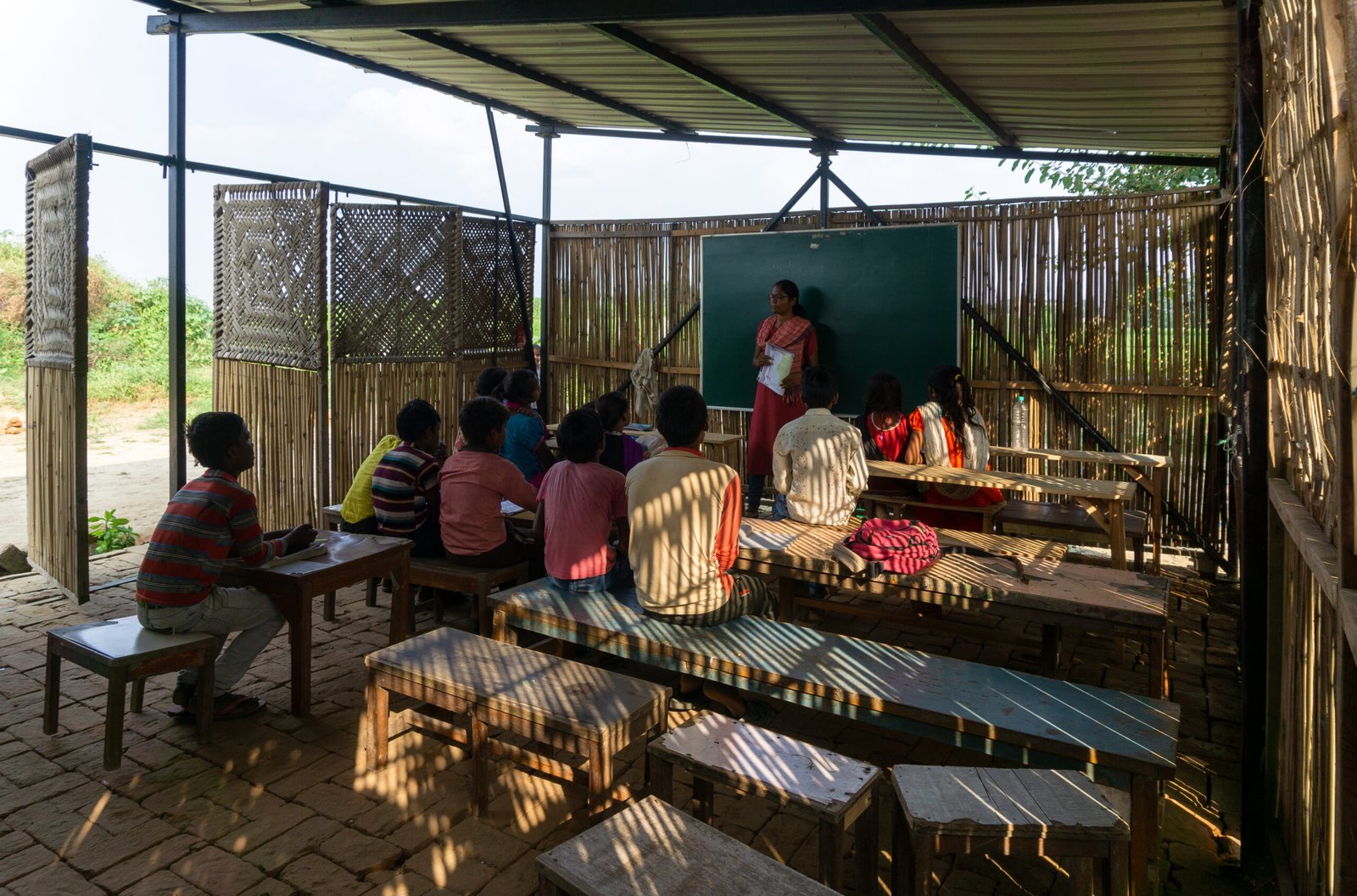
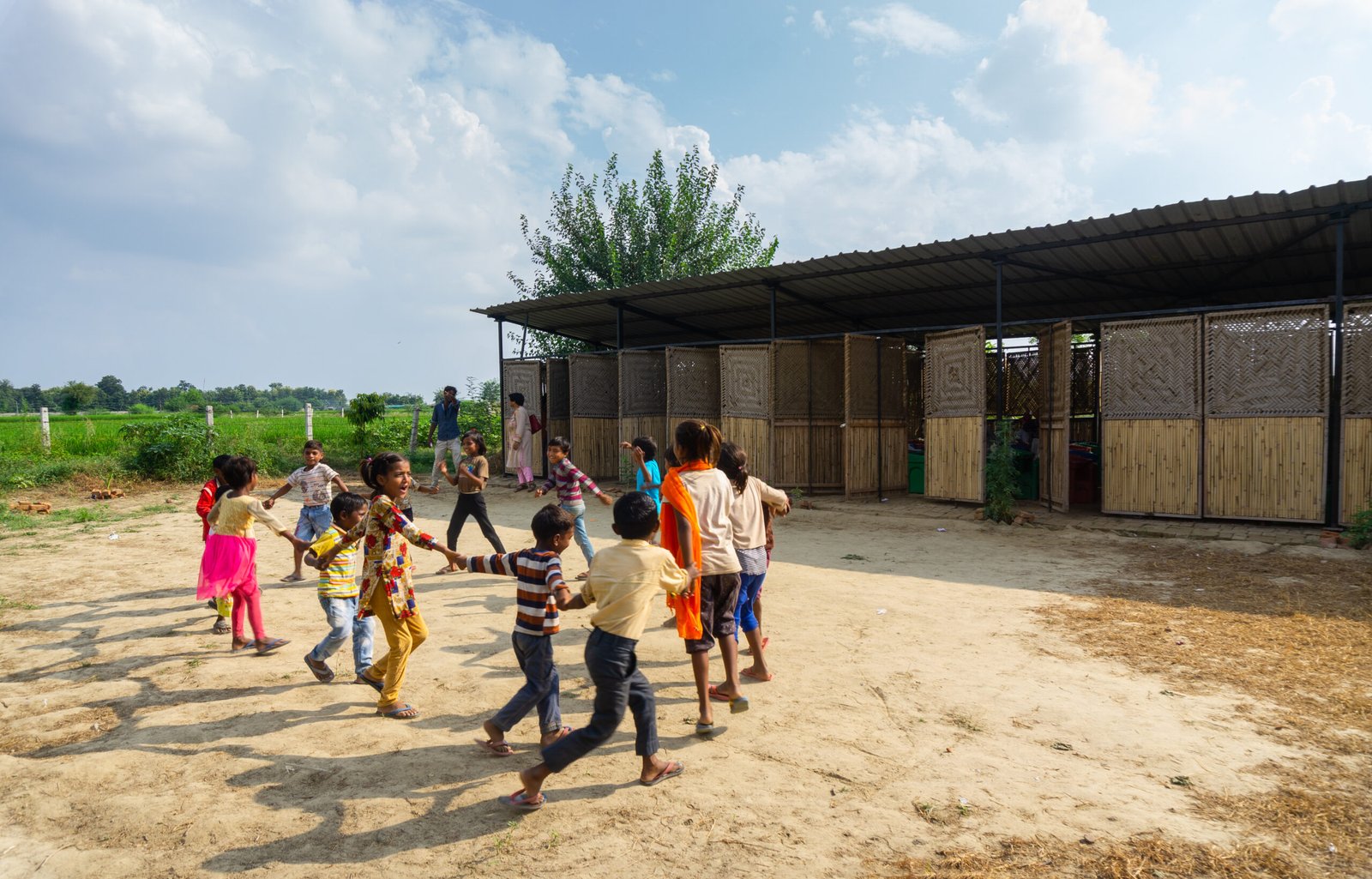
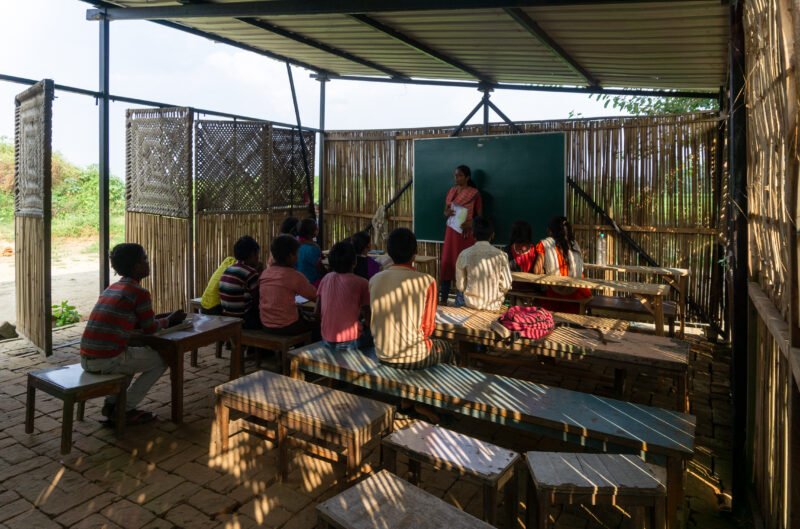
Every year, parts of Indian cities disappear as informal settlements built informally by the poorer citizens continue to be evicted. The modular school was initially designed as a response to repeated forced evictions in Delhi, specifically for the children of farmers along the Yamuna. After a school for around 200 children in a farming community on the floodplains of the river Yamuna was demolished due to the ‘illegal’ status of the settlement, the community approached us to help them design a temporary school that could be dismantled before the bulldozers could arrive on ground to demolish it.
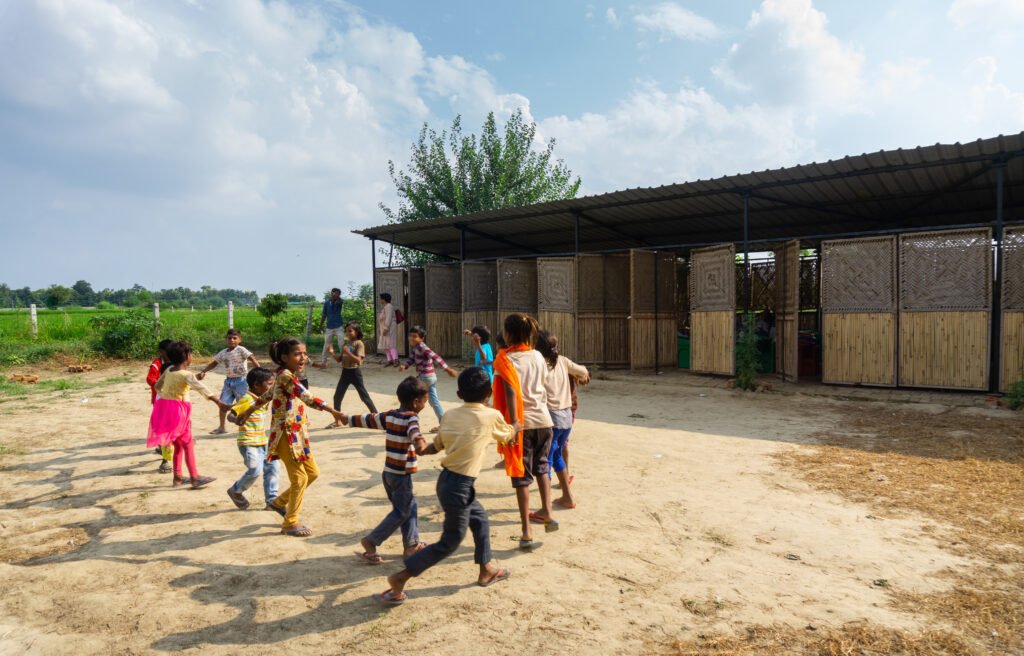
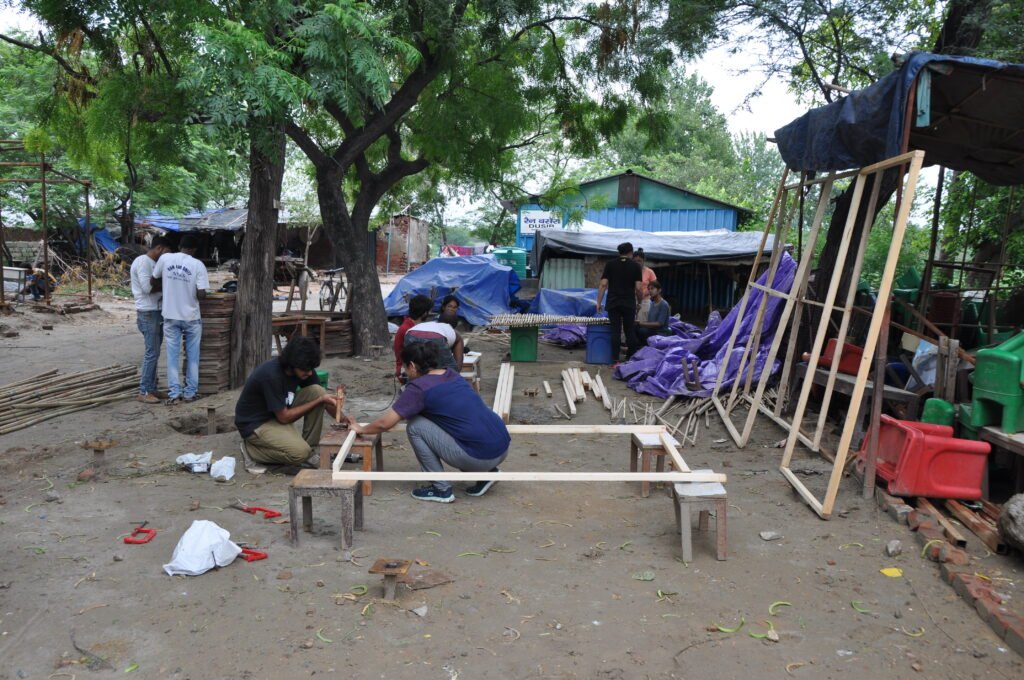
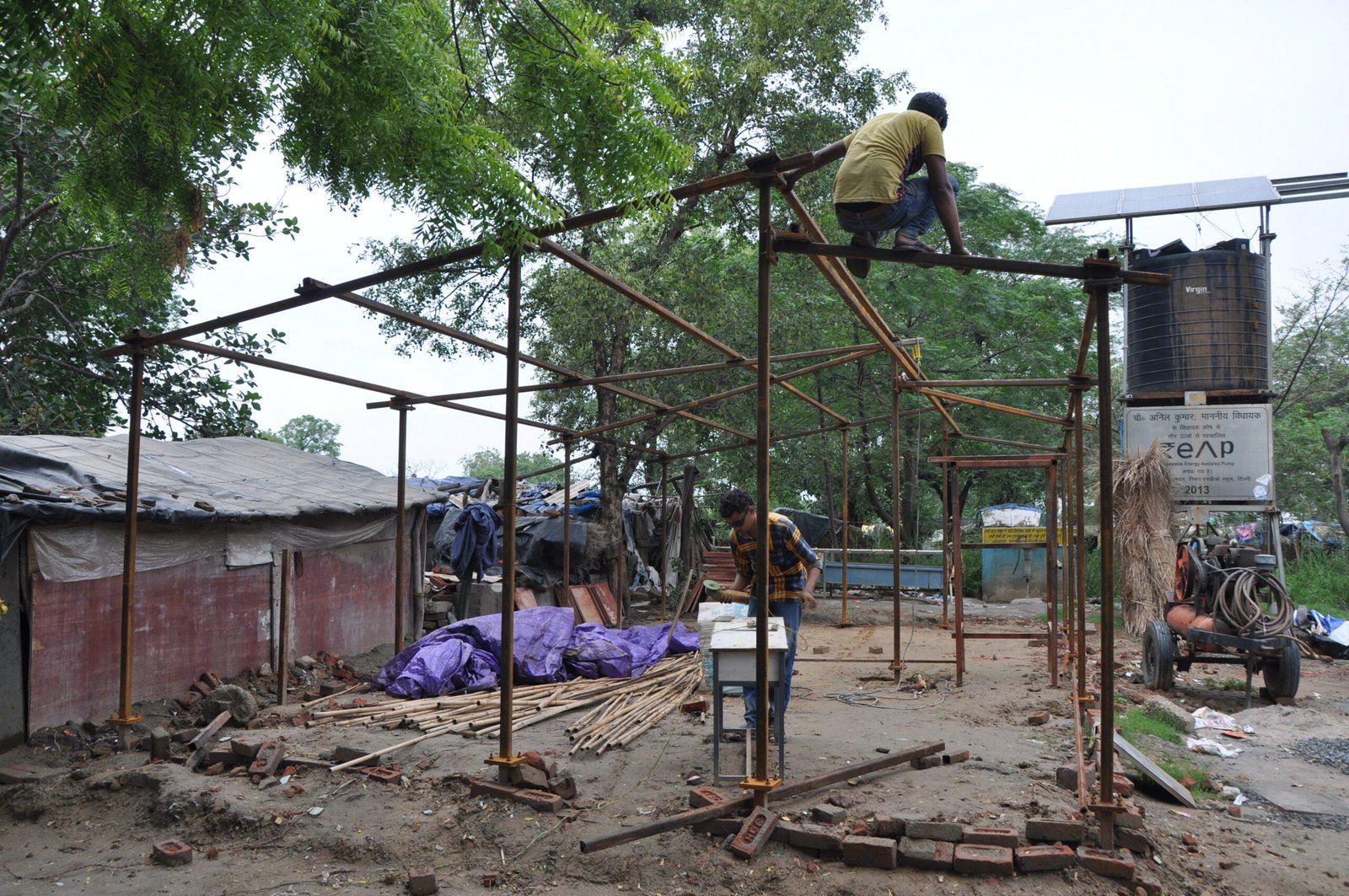
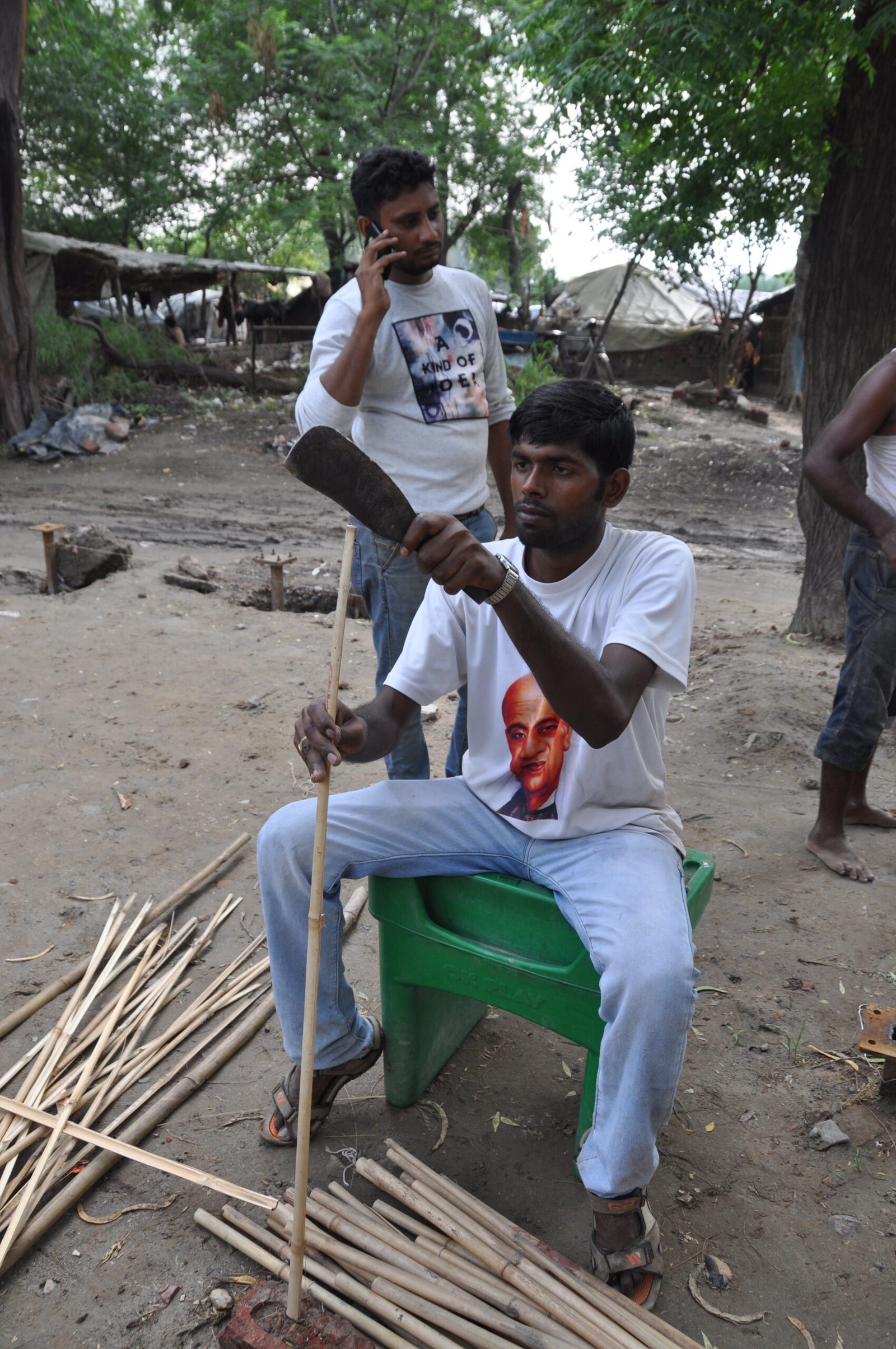
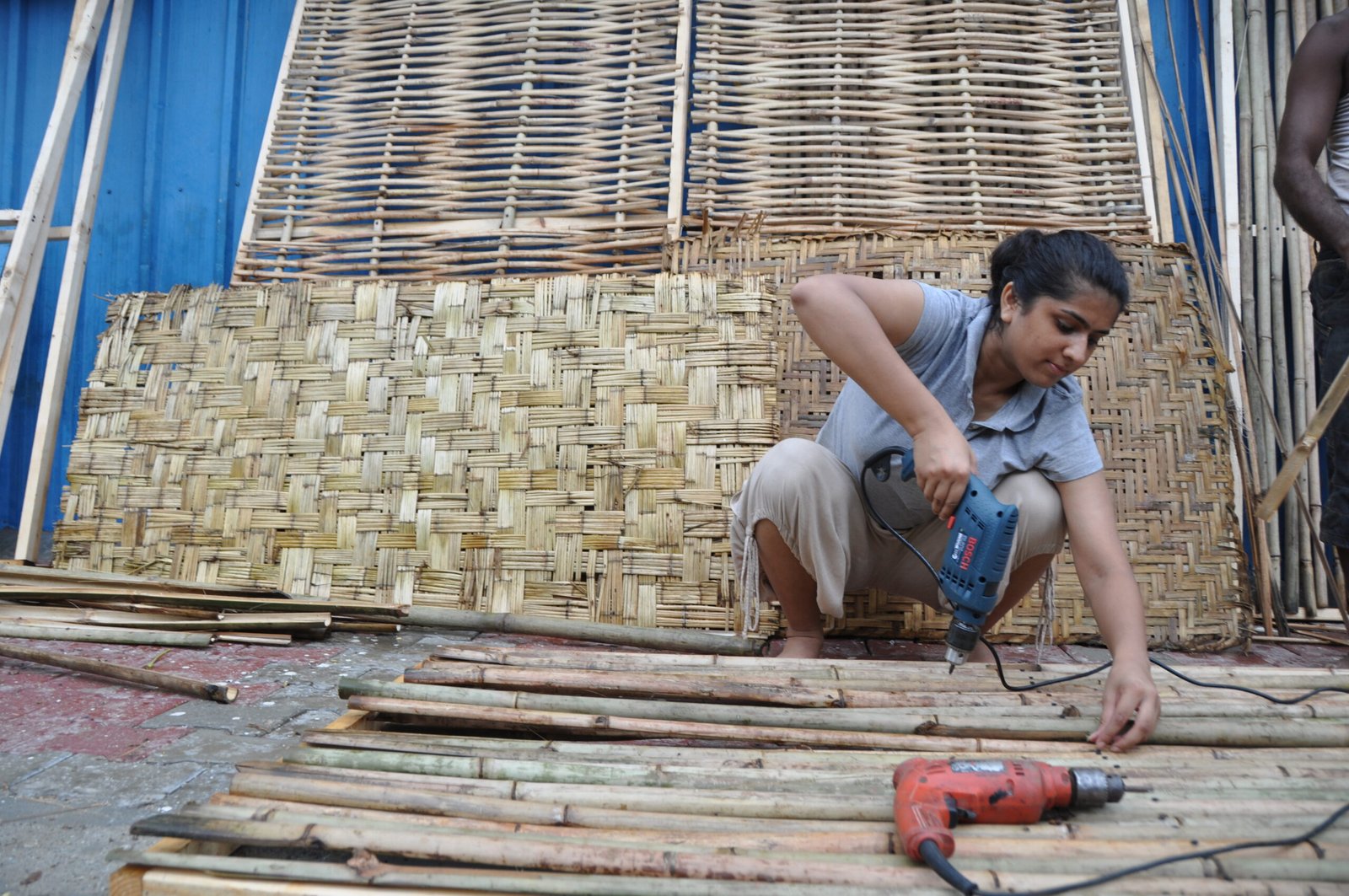
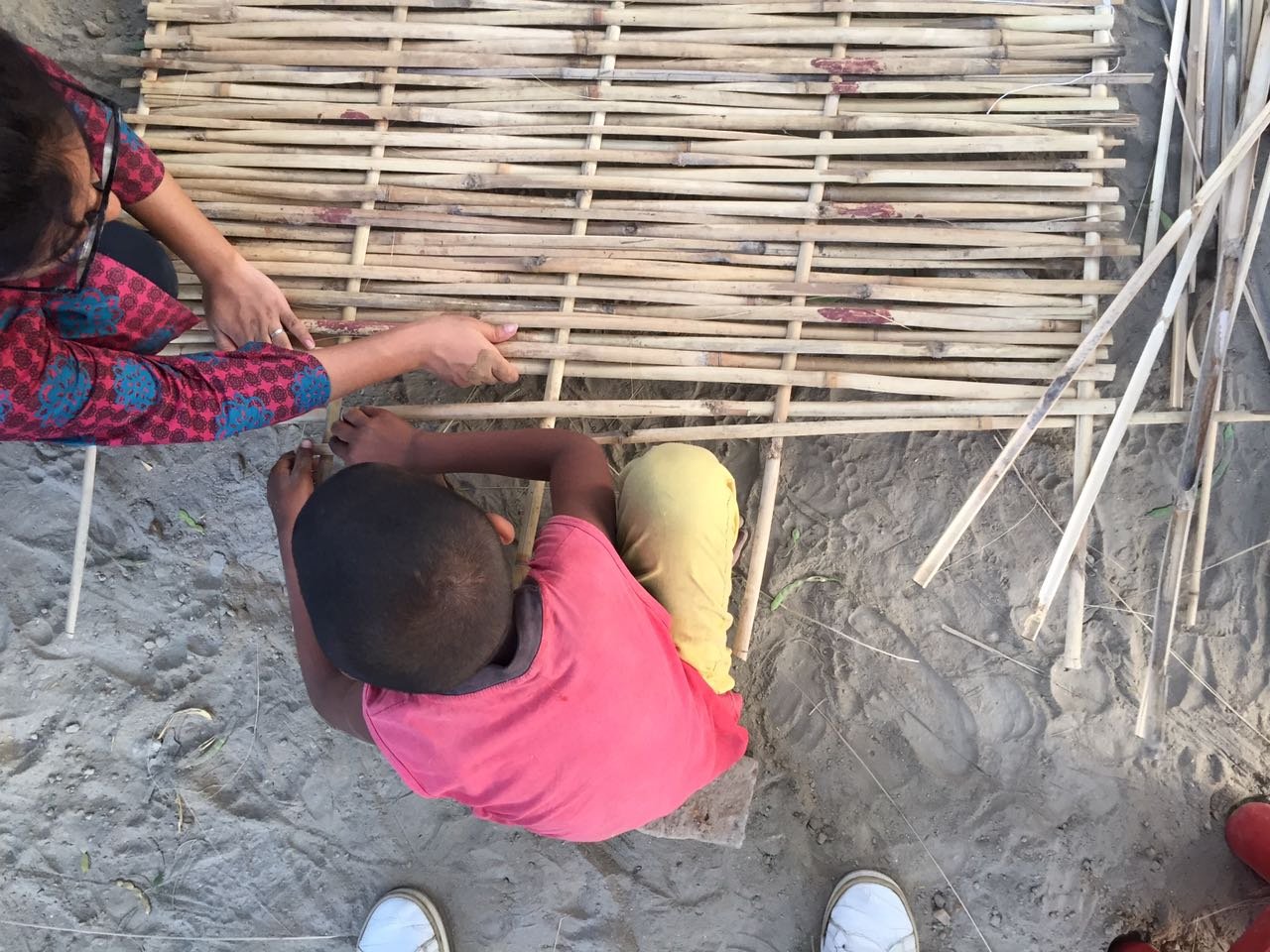
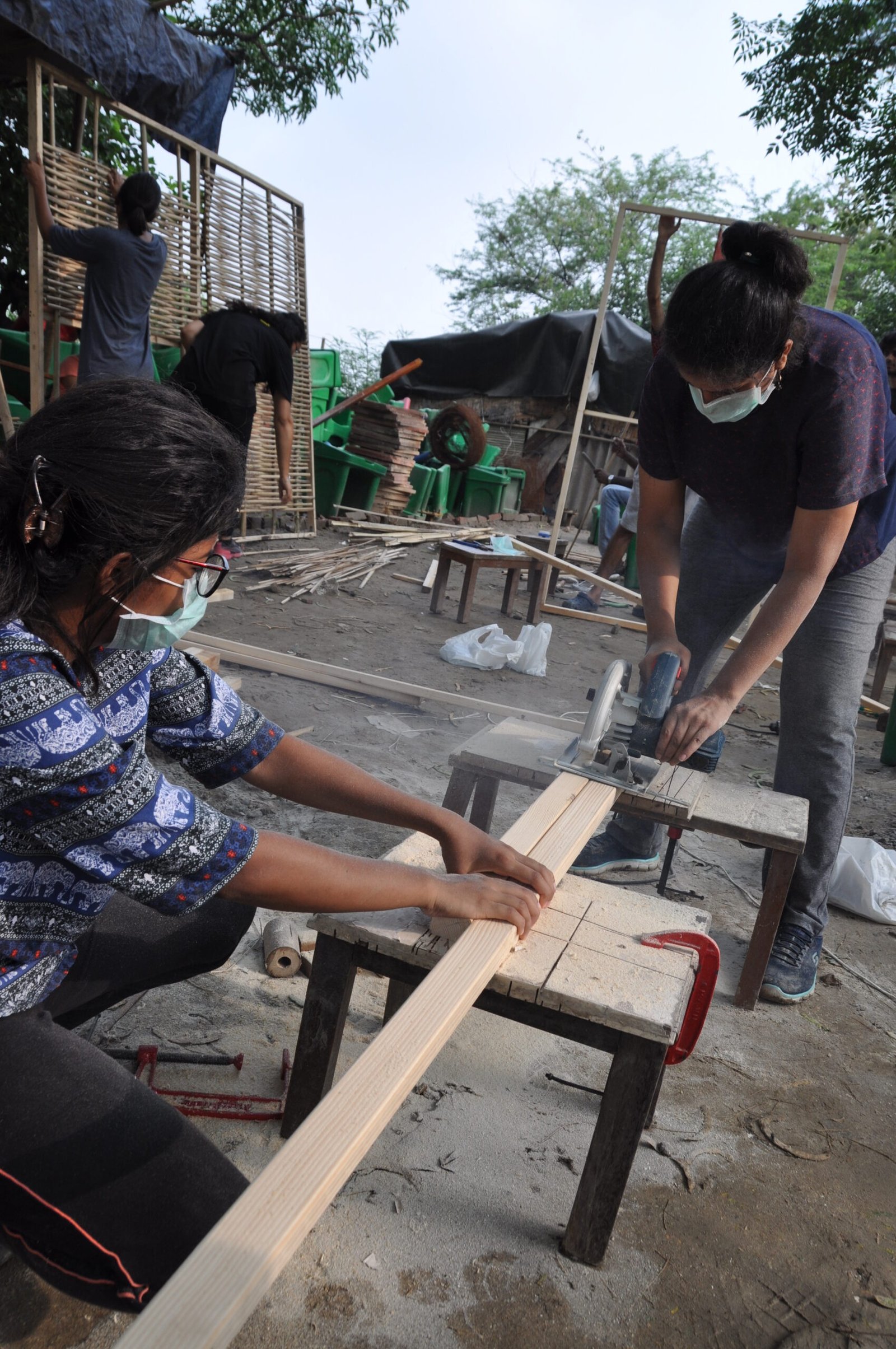
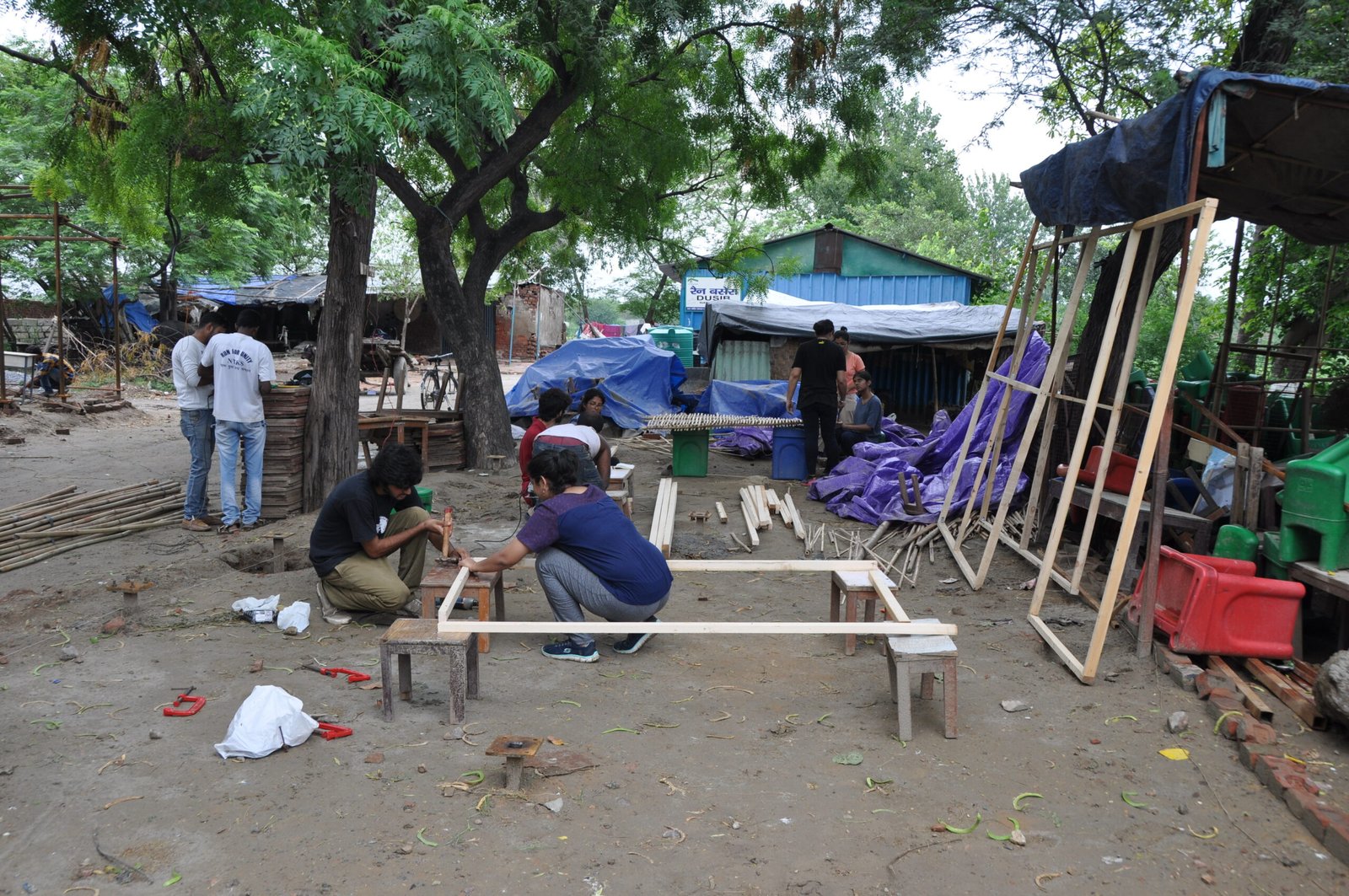
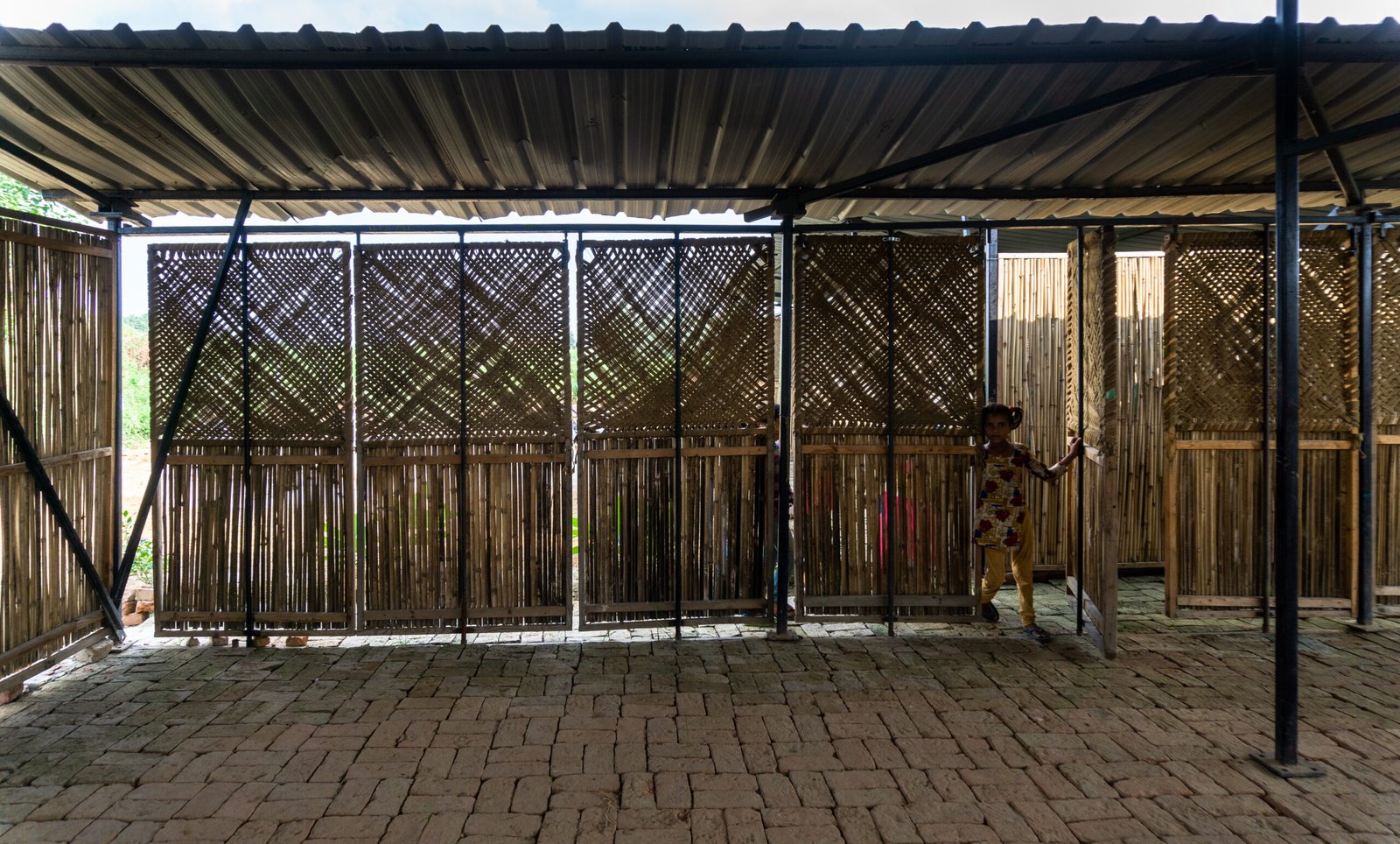
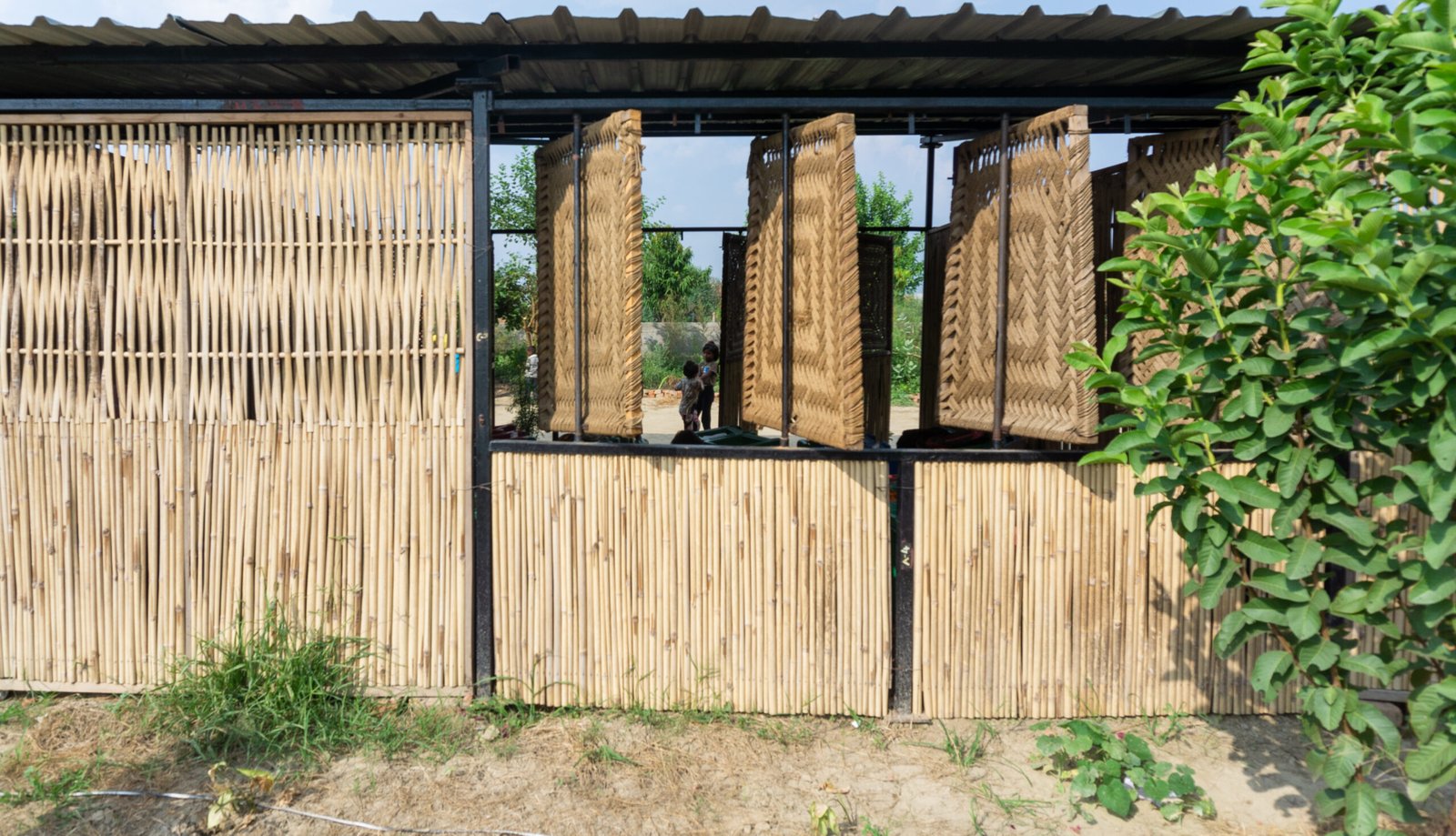
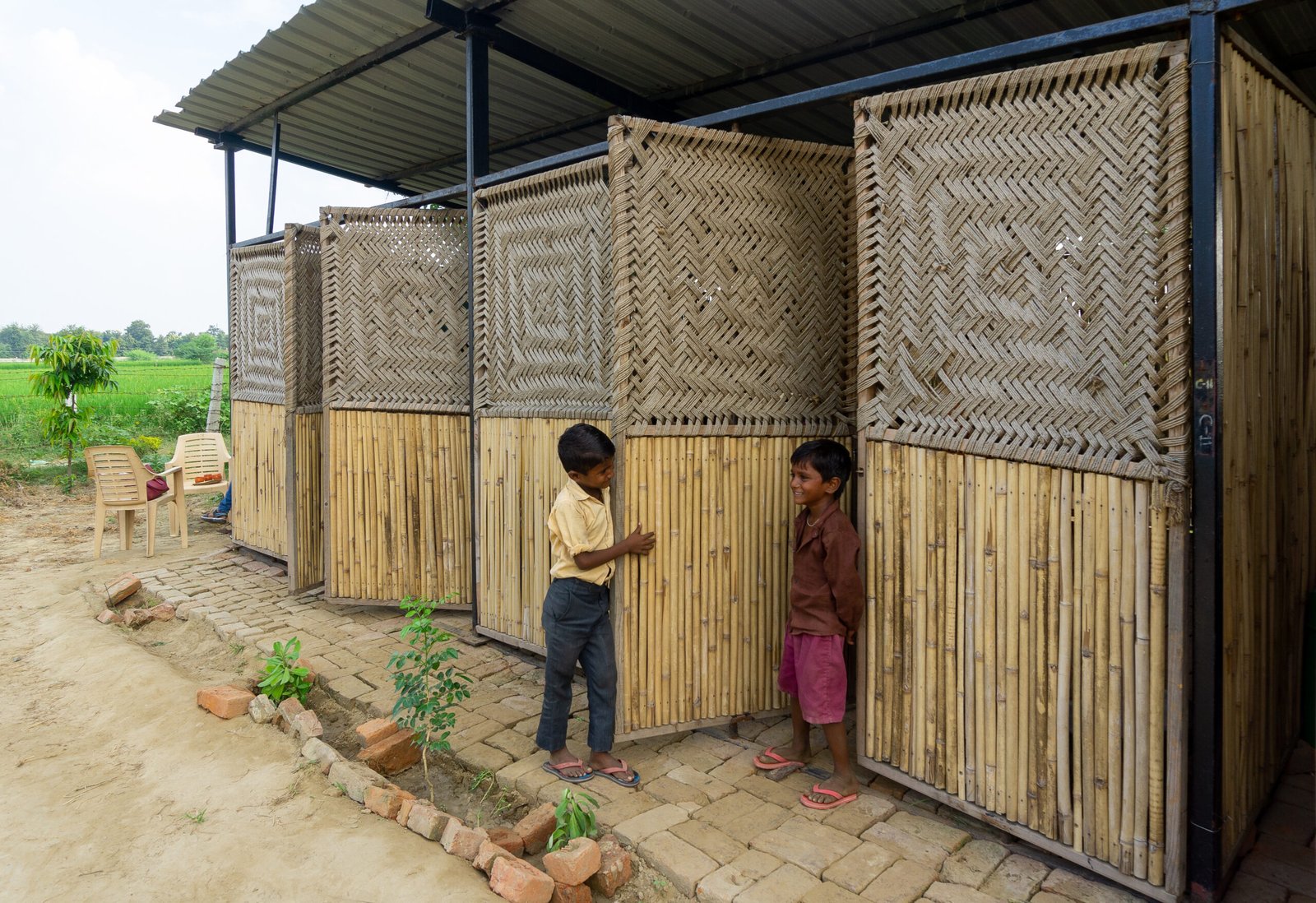
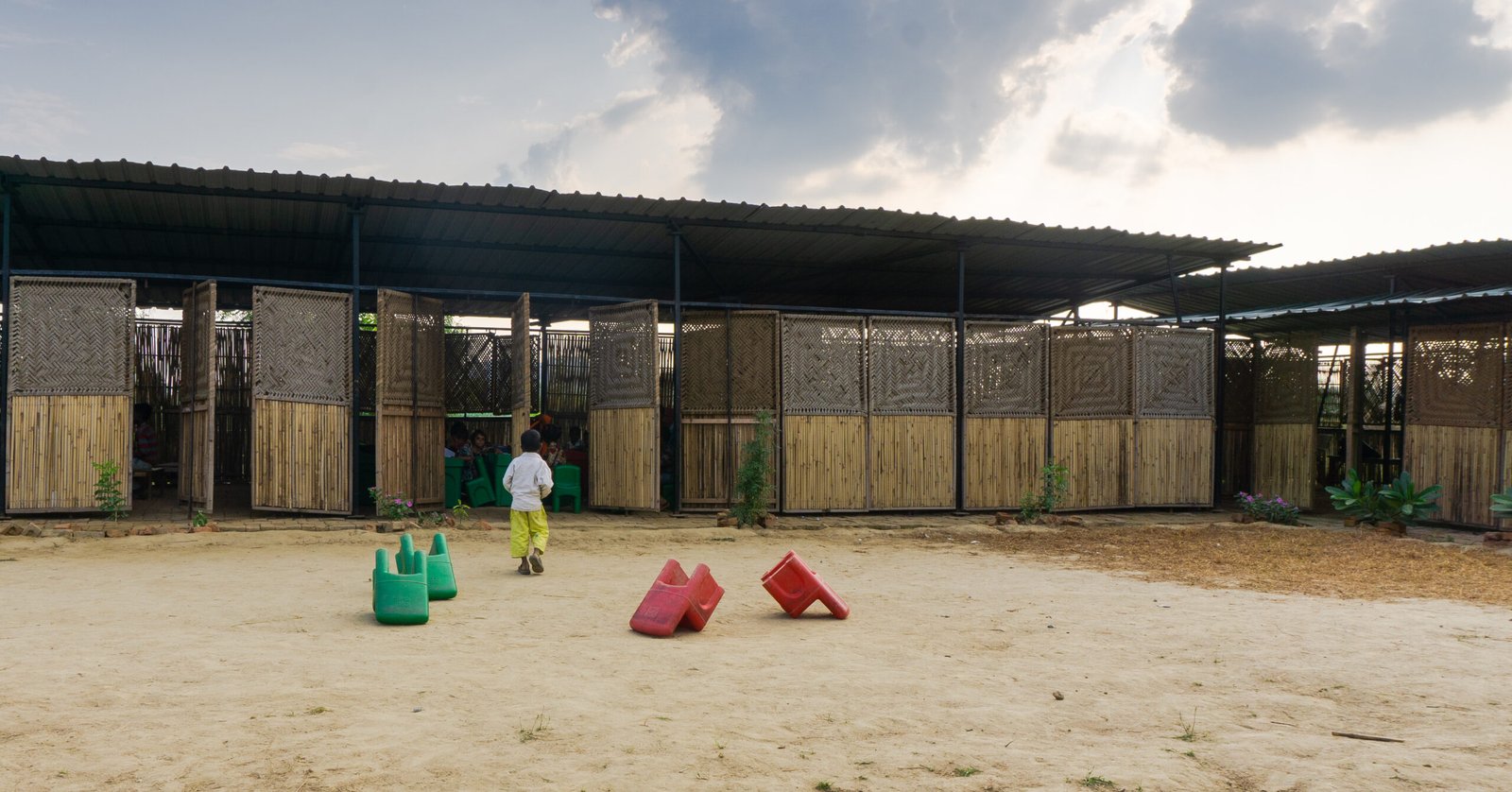
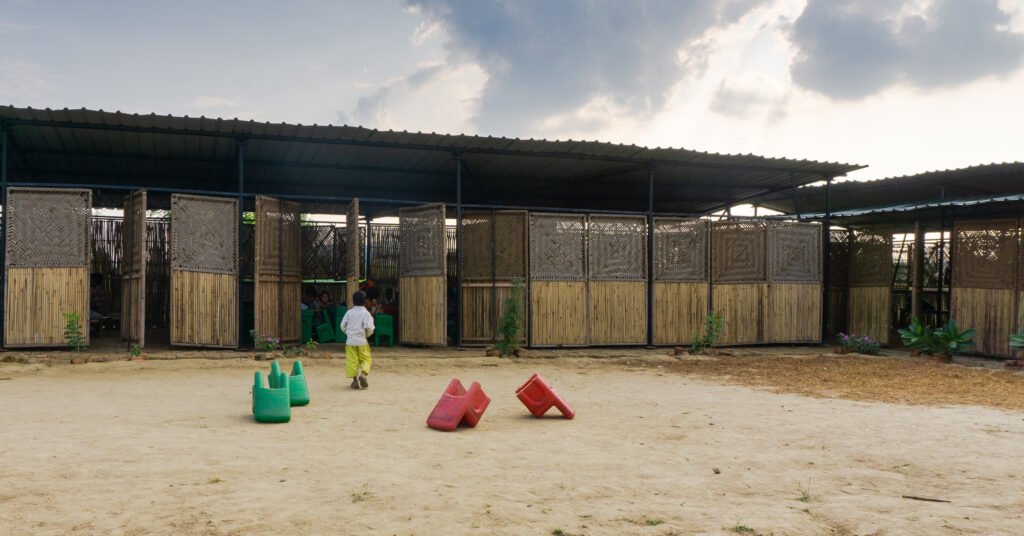
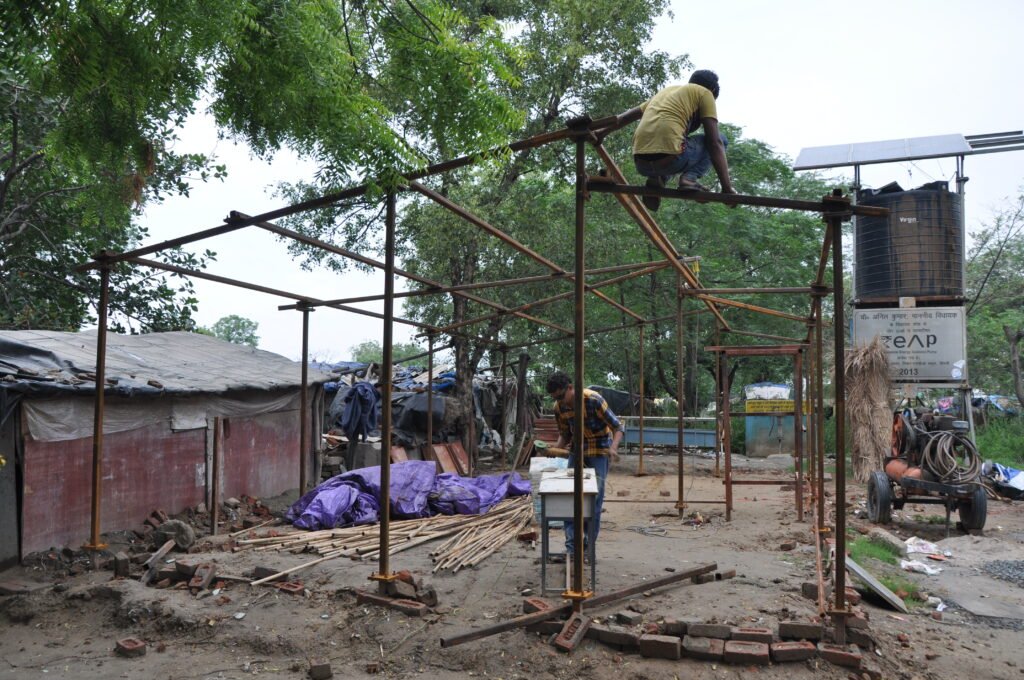
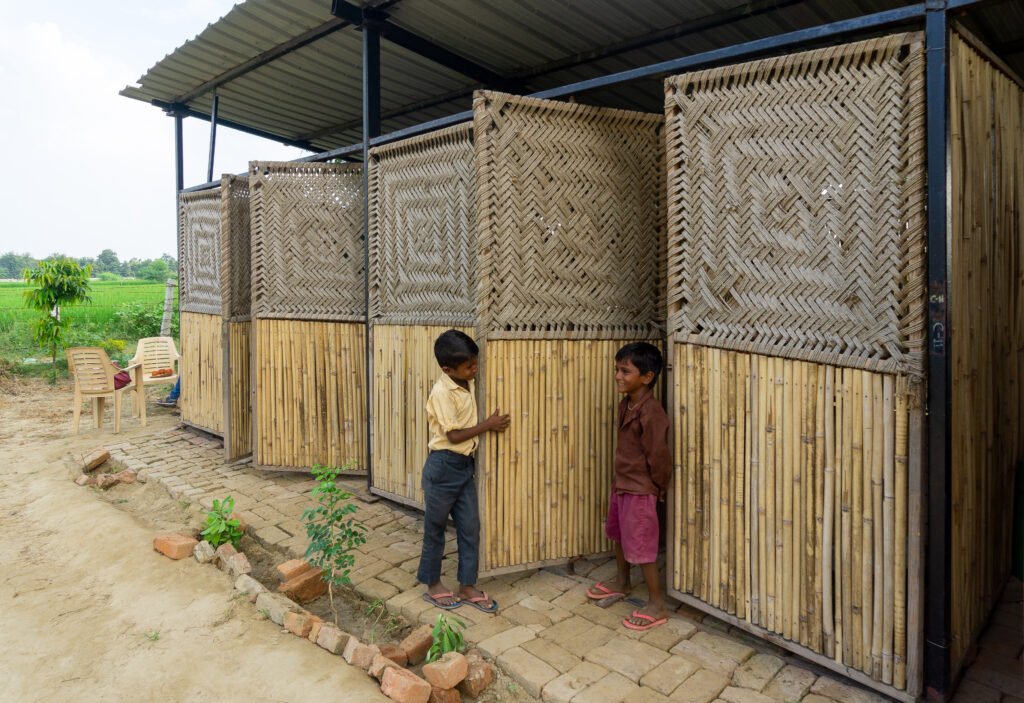
Through several consultations with the school staff over 2016, the structure was designed as a steel frame bolted in a way that it could be erected easily, and dismantled quickly when required. The infill walls, doors and windows were made out of bamboo, reused wood and dried grass – materials that farmers commonly use to build homes in the area. The school was built hands-on in less than 3 weeks in the summer of 2017 by the students, school staff and parents from the village along with the help of around 50 volunteers from outside the village who heard about it on social media.
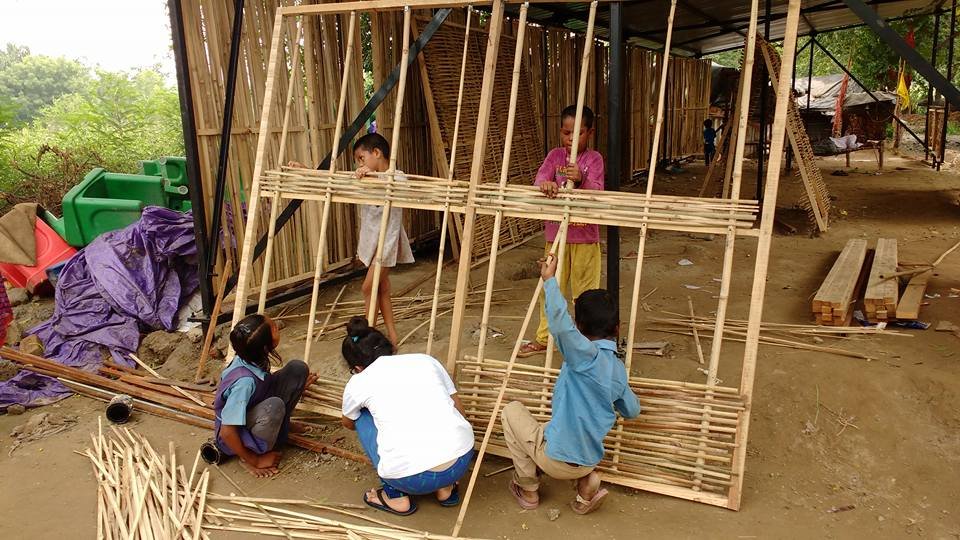
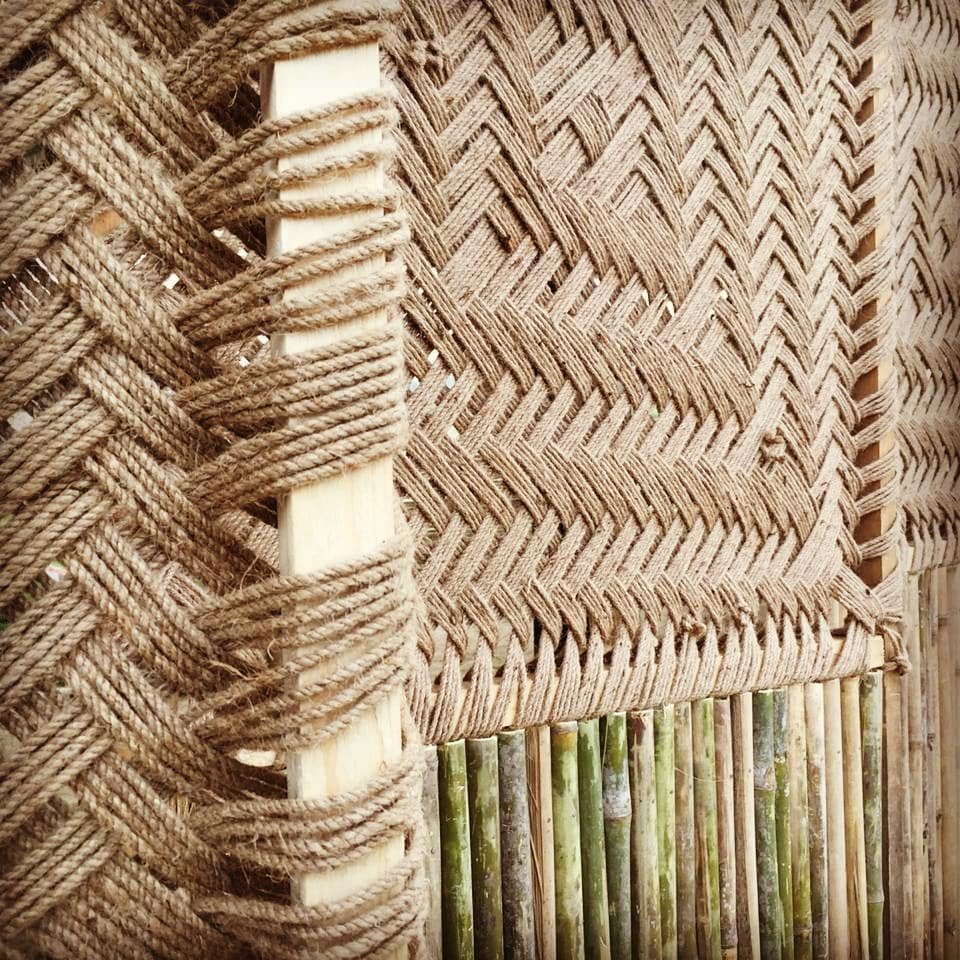
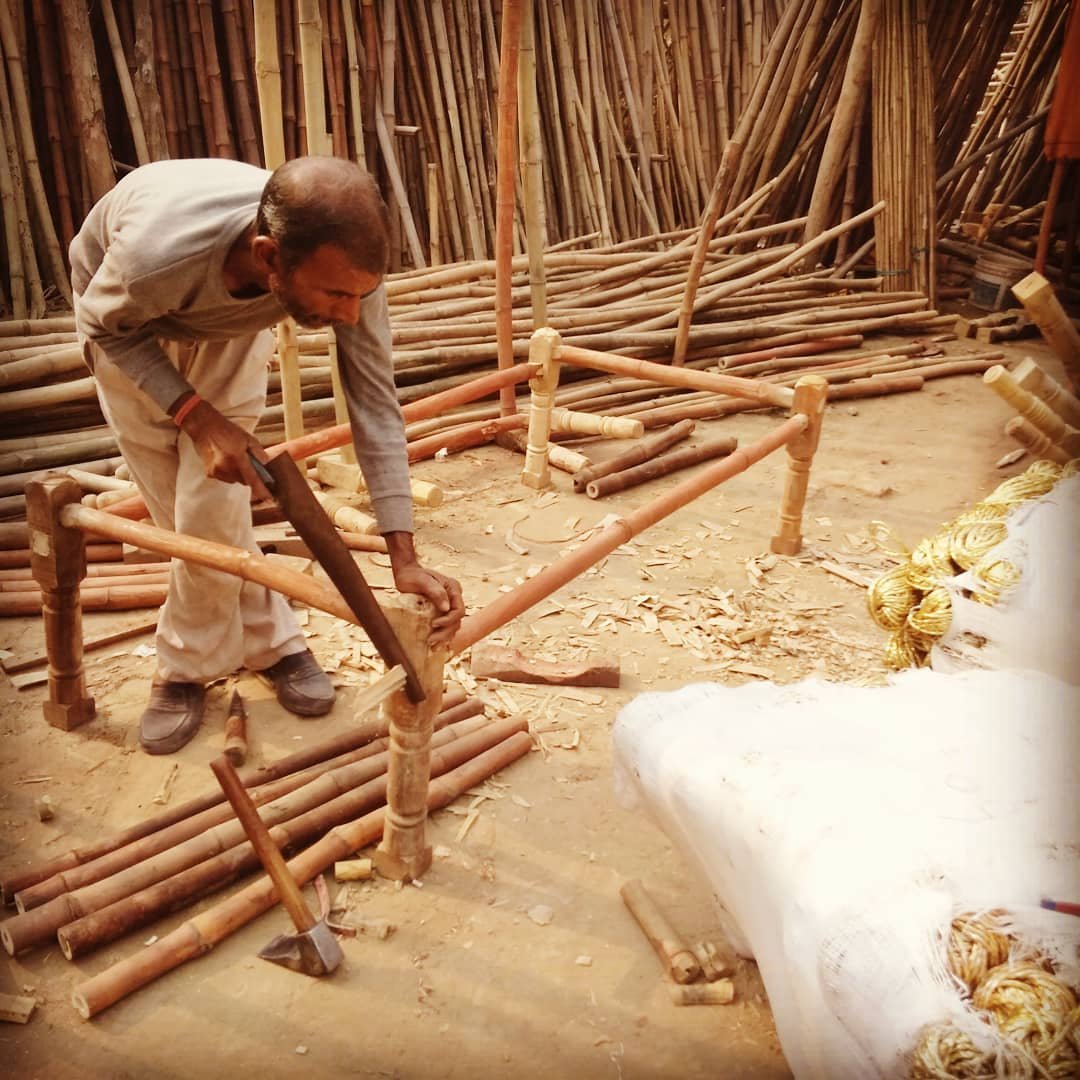
After providing a secure and creative educational space for around 200 students for a year, the school had to be finally dismantled due to land ownership issues and relocated further south of the river for the children of farmers at a new location in 2018. While the school at the first location used local building materials from around it such as bamboo and dried grass, at its second location, the school was rebuilt in 2019 using the local craft of ‘charpai’ – traditional cot weaving found commonly in the area. Not only was this approach the most affordable and employed local skills, it has also helped create a sense of ownership and pride within the community when they saw their building materials and processes adopted in creating a sustainable school for their children. The design approach of the school also mirrors the teaching approach which focuses on holistic and sustainable education.
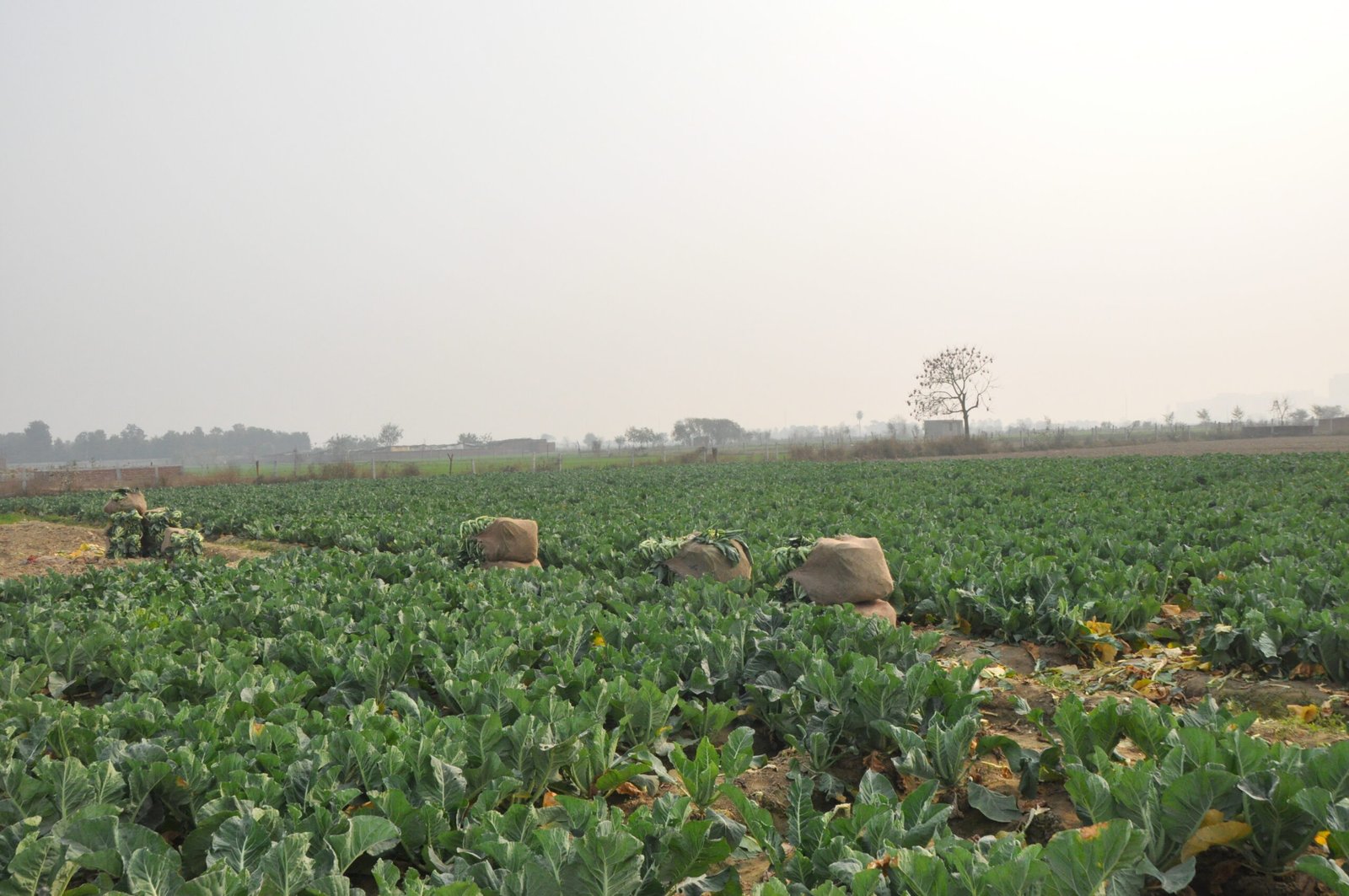
The team’s efforts did not stop with the building of the school. The team continues its on-ground engagement for advocacy of the farmers’ right to the city and has been questioning the riverfront development plan at the planning level. Alternative imaginations of the riverfront have been presented to the planning authorities, integrating riverfront development plans with the existing farms, instead of removing them to create parks and public spaces. A three year long advocacy for integration of farming and recognition of the farmers’ contribution as part of the collective ‘Main Bhi Dilli’ has helped influence Delhi’s latest draft Master Plan 2041 which lists agriculture as a permissible activity on the floodplains (Zone O) in a first in the history of Delhi’s Master Plans.
The studio has also been working with the farmers at a grassroots level for bottom-up mapping initiatives to help put themselves on the map since the official maps have so far excluded them.
Due to these mapping efforts, an enumeration of over 9000 households along the length of Yamuna in Delhi has been recorded and publicly launched in 2022: https://indianexpress.com/article/cities/delhi/study-9-000-households-live-on-yamuna-floodplains-7800022/
Through public exhibitions and walks led by farmers, the team has been working to increase public awareness on the food security and sustainability that the farmers bring to the city. This was launched as an event ‘Chalo Yamuna’ in early 2022 and the walks continue, supporting the walk leaders in terms of remuneration as well: https://www.chaloyamuna.com/
The mapping efforts have also taken many artistic forms as storytelling tools which have been led by female farmers who stitched a map of their area as they see it, and shared it with the public at the ‘Chalo Yamuna’ walks through an on-ground exhibition.
Project Gallery: