
Shared by the architects upon our invitation.
Designing for Learning and Engagement
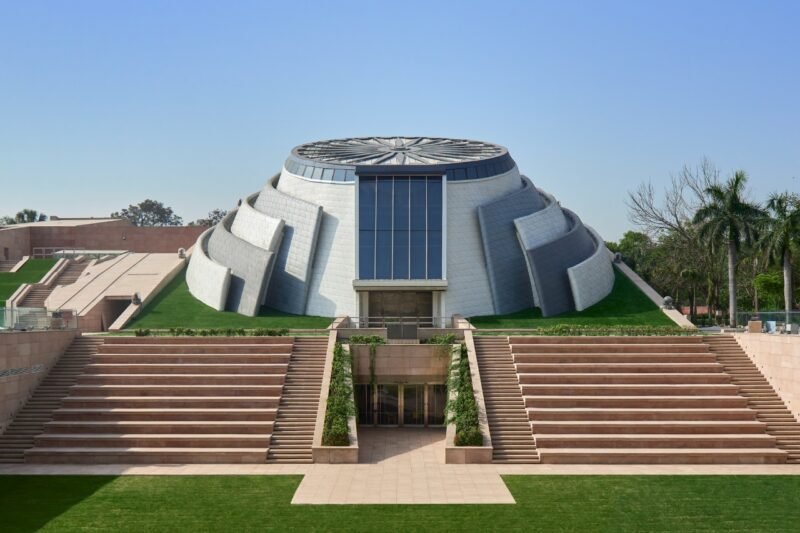
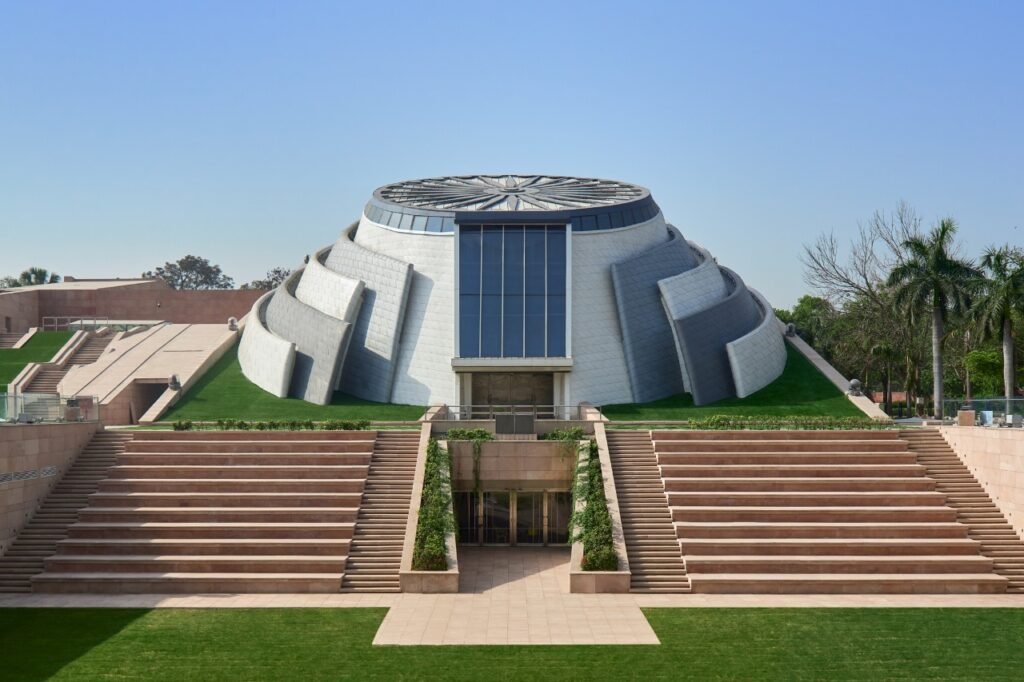
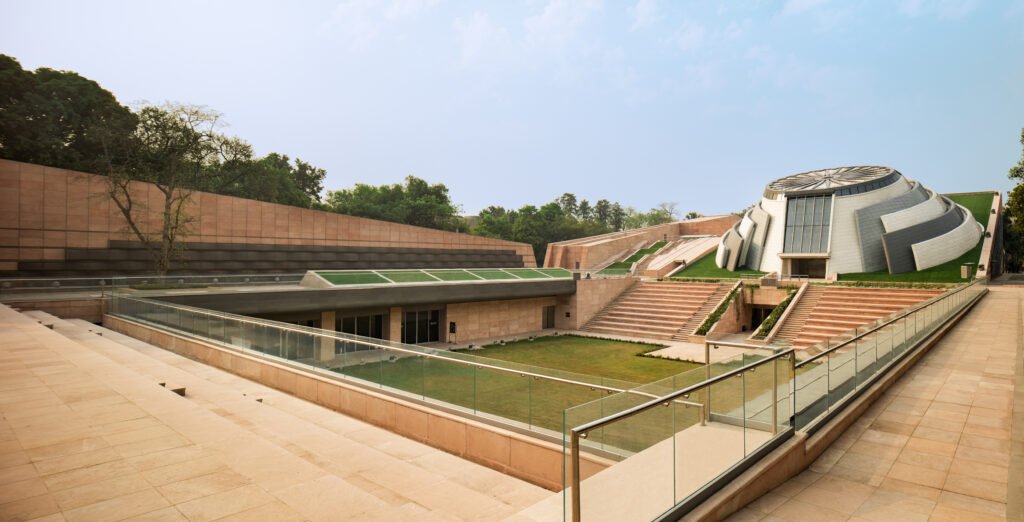
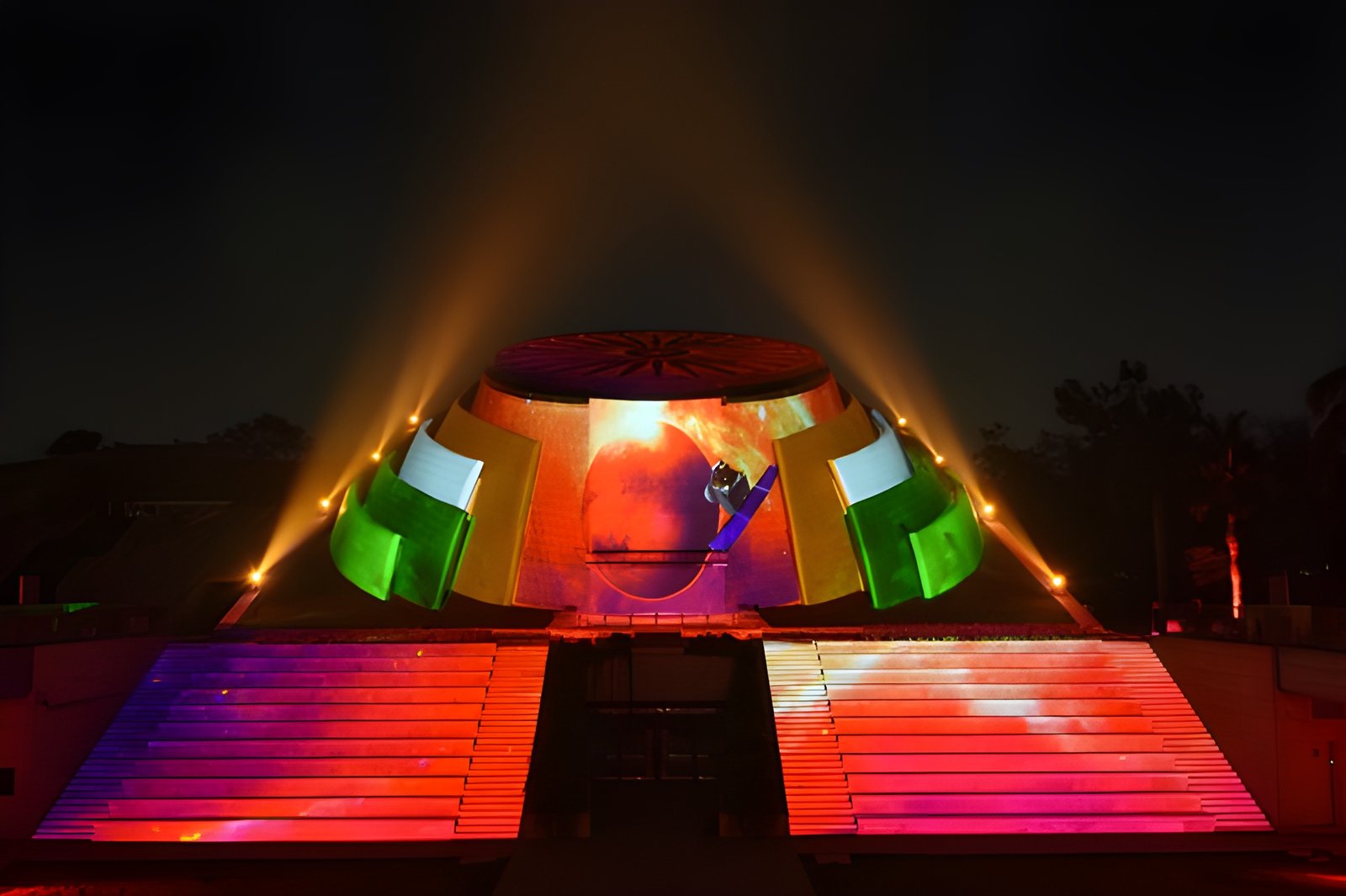
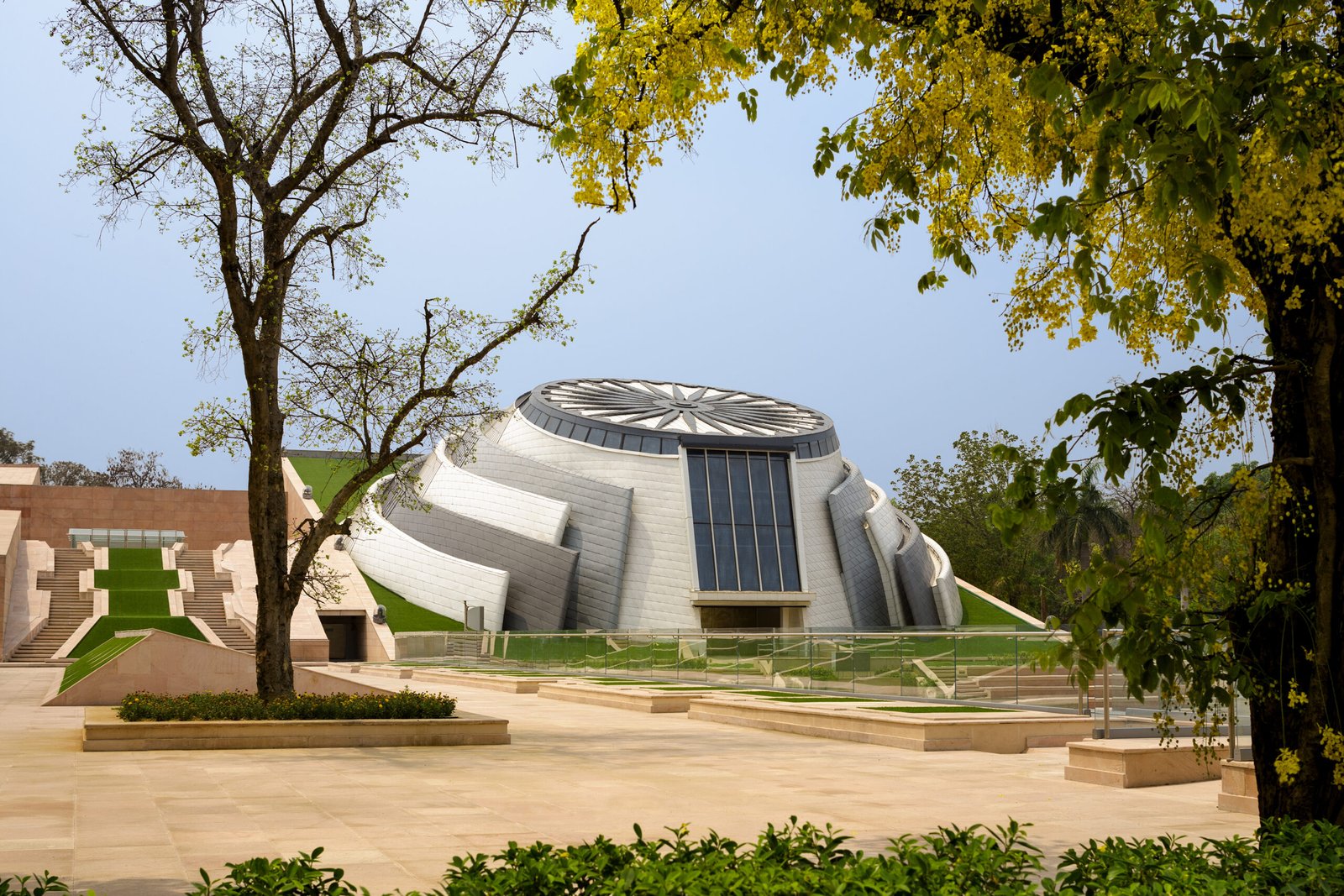
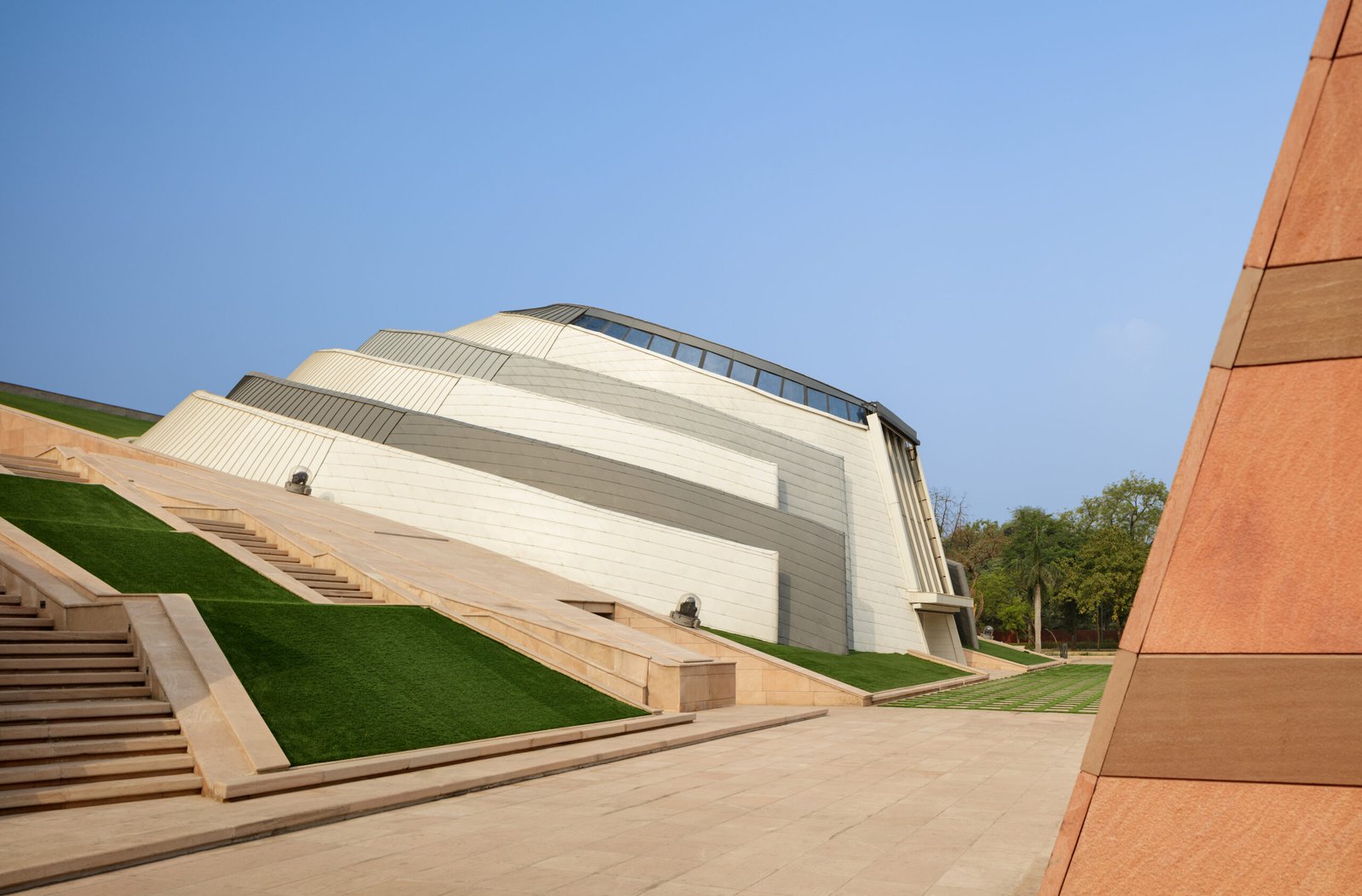
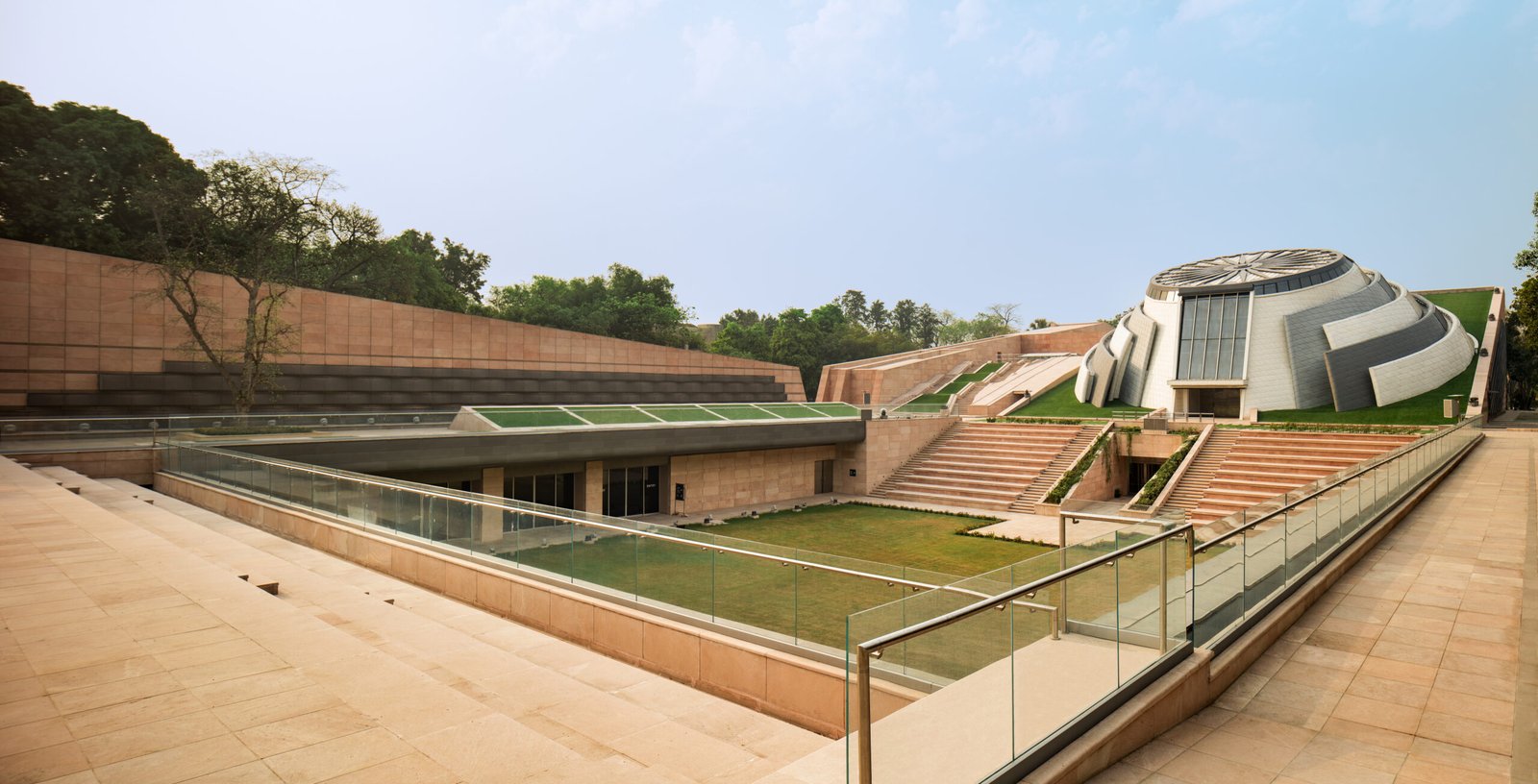
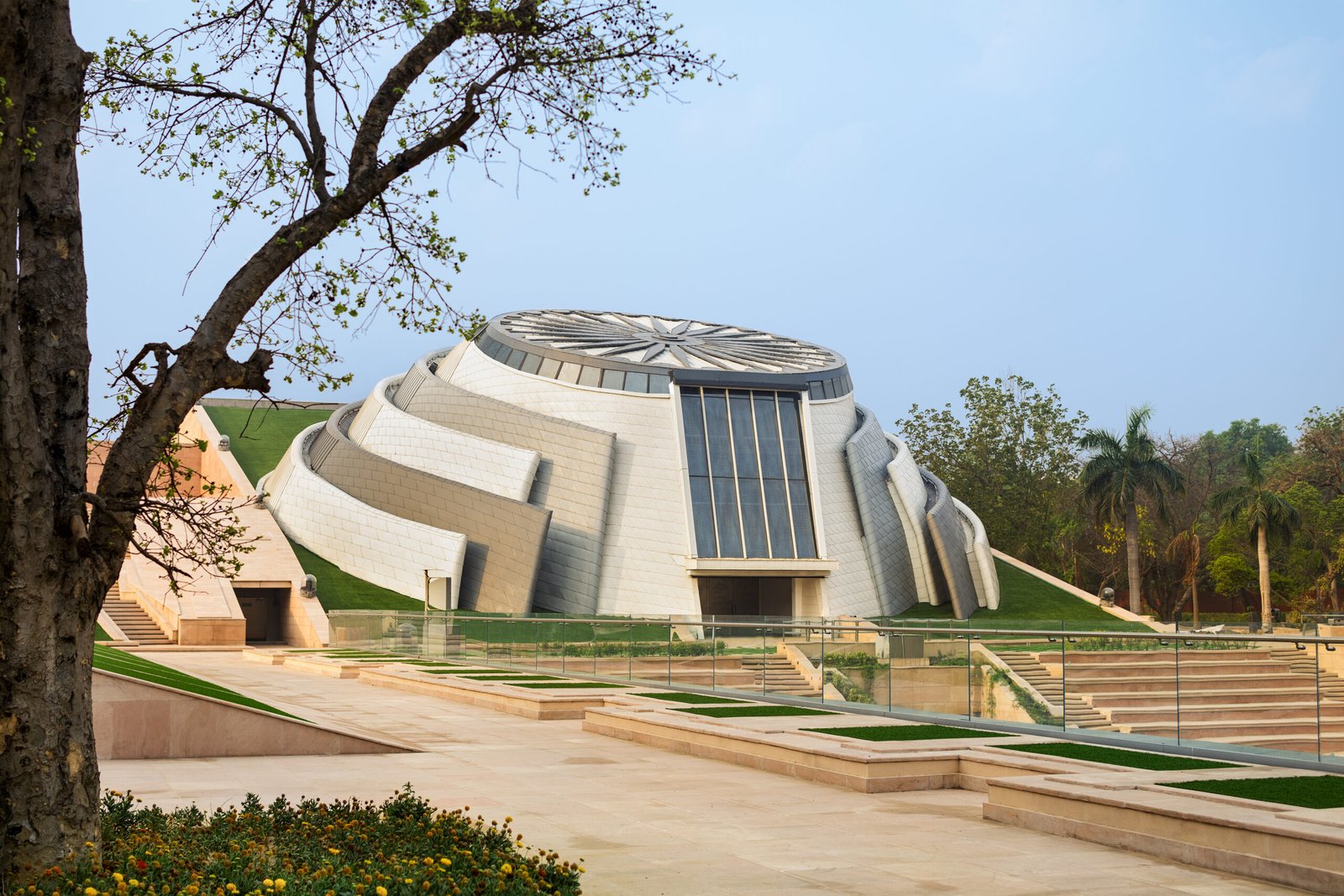
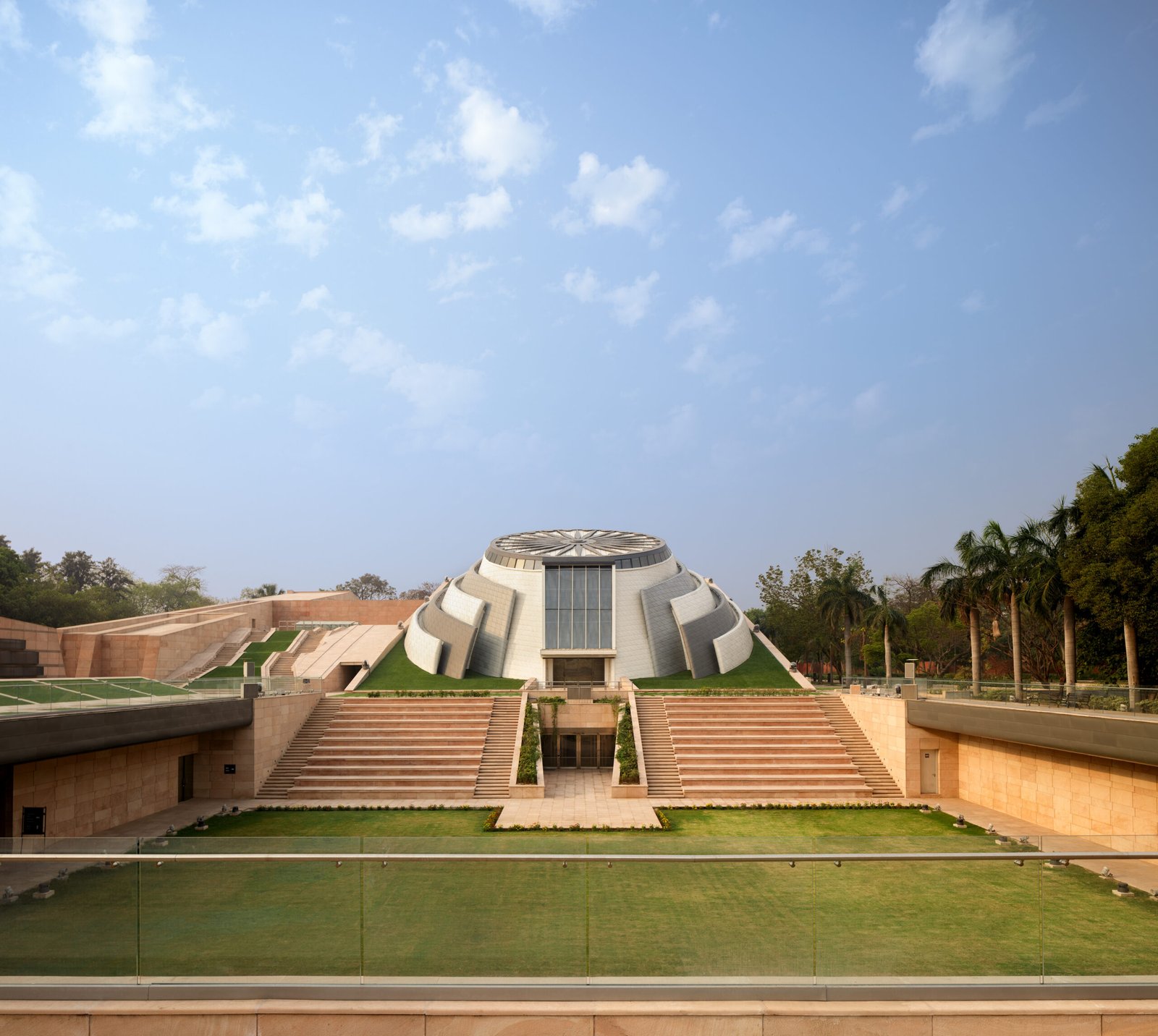
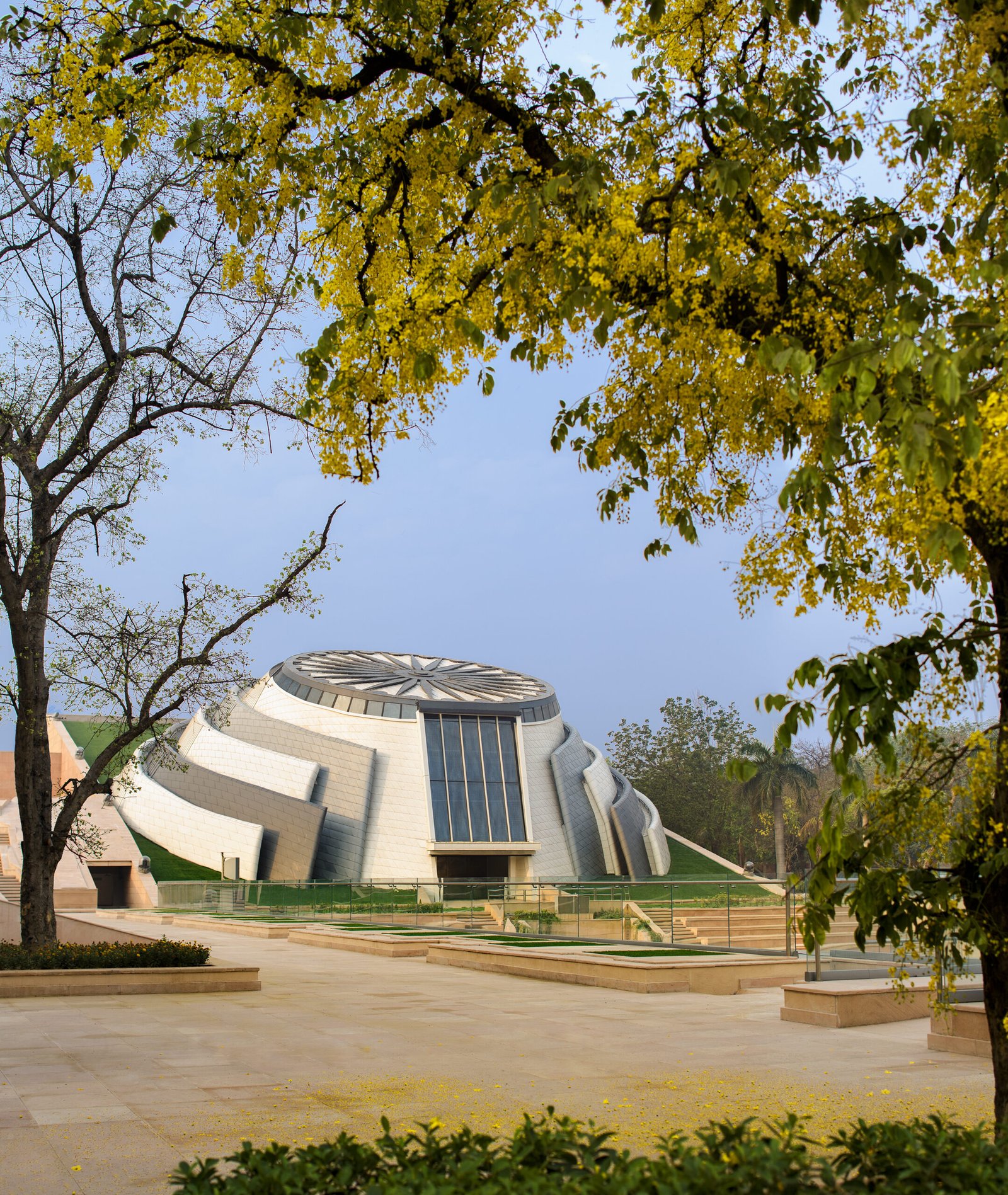
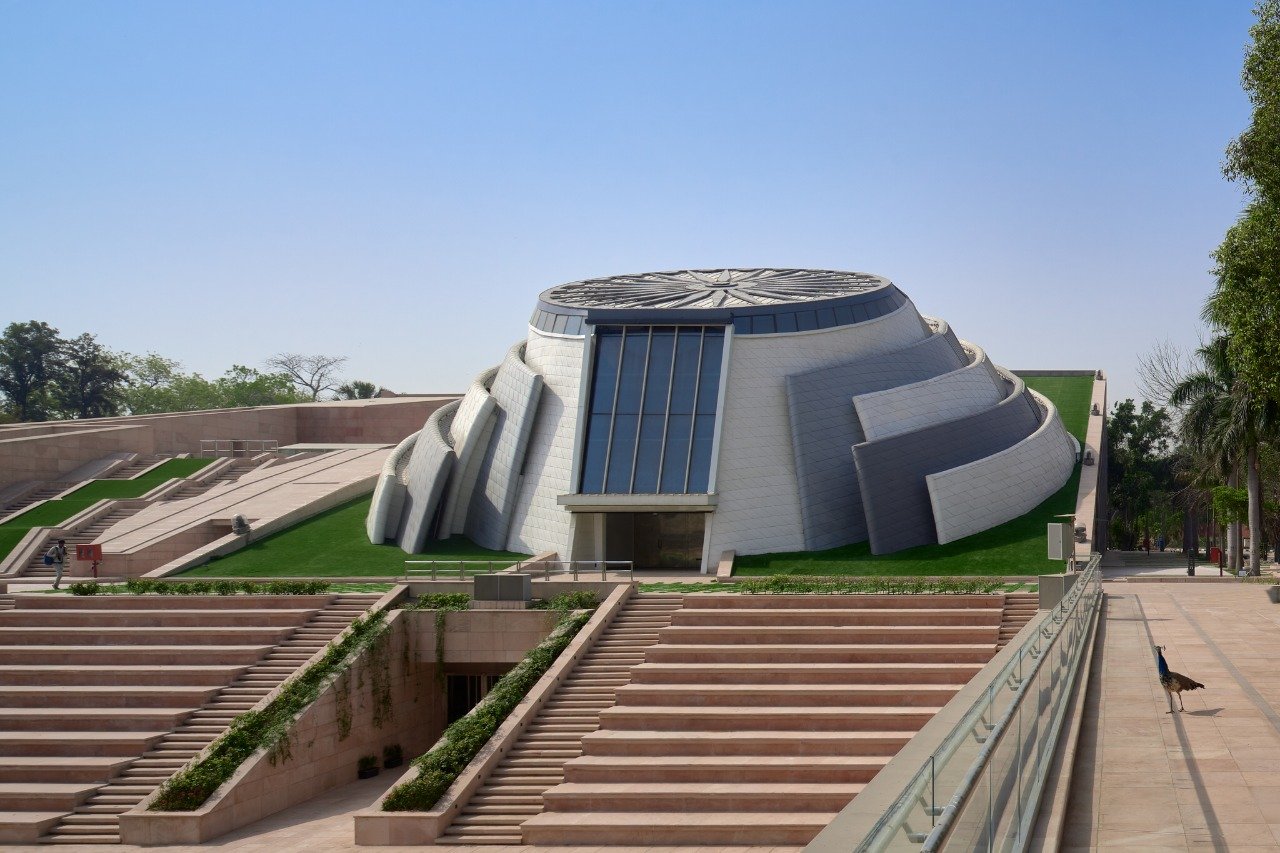
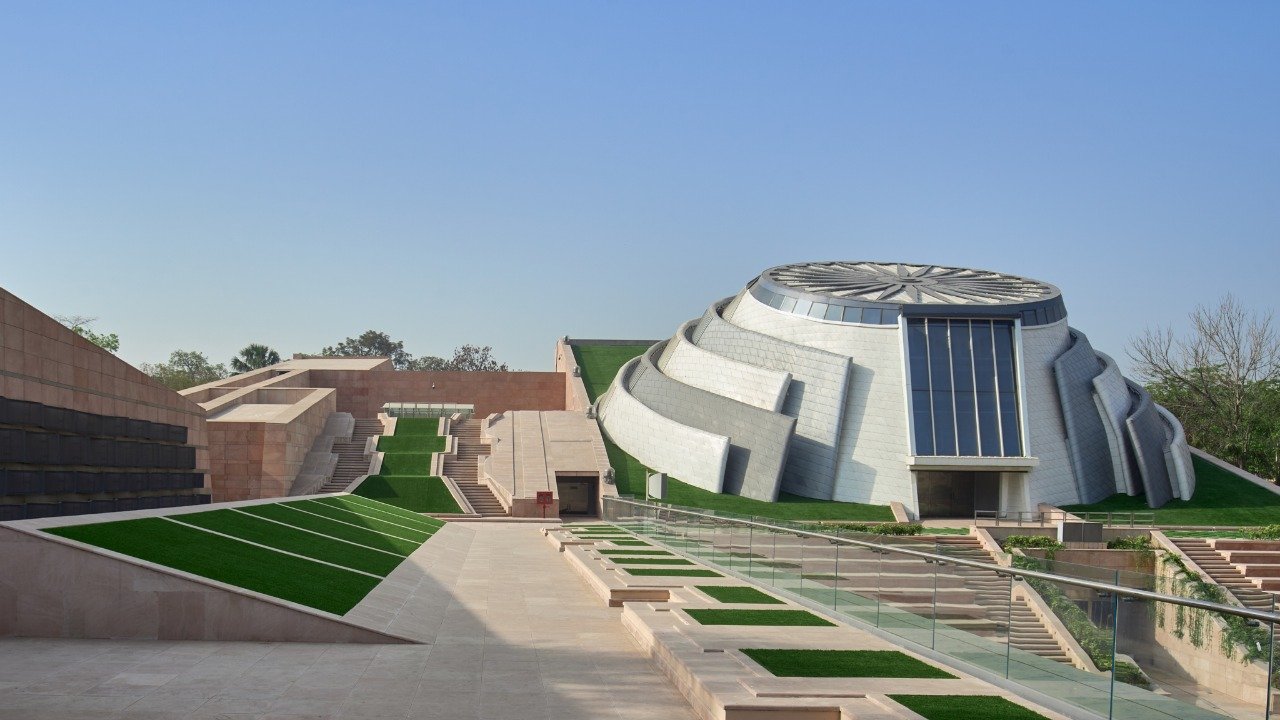
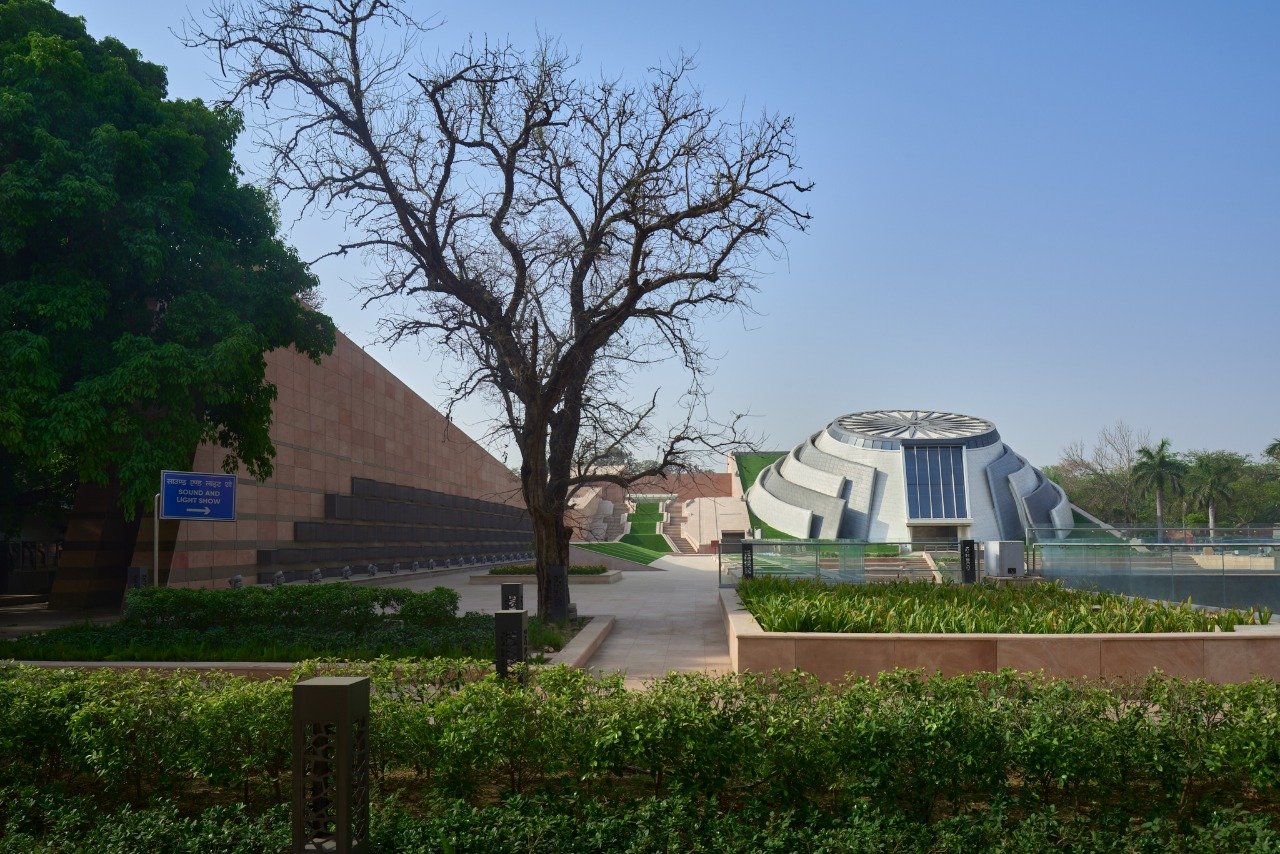
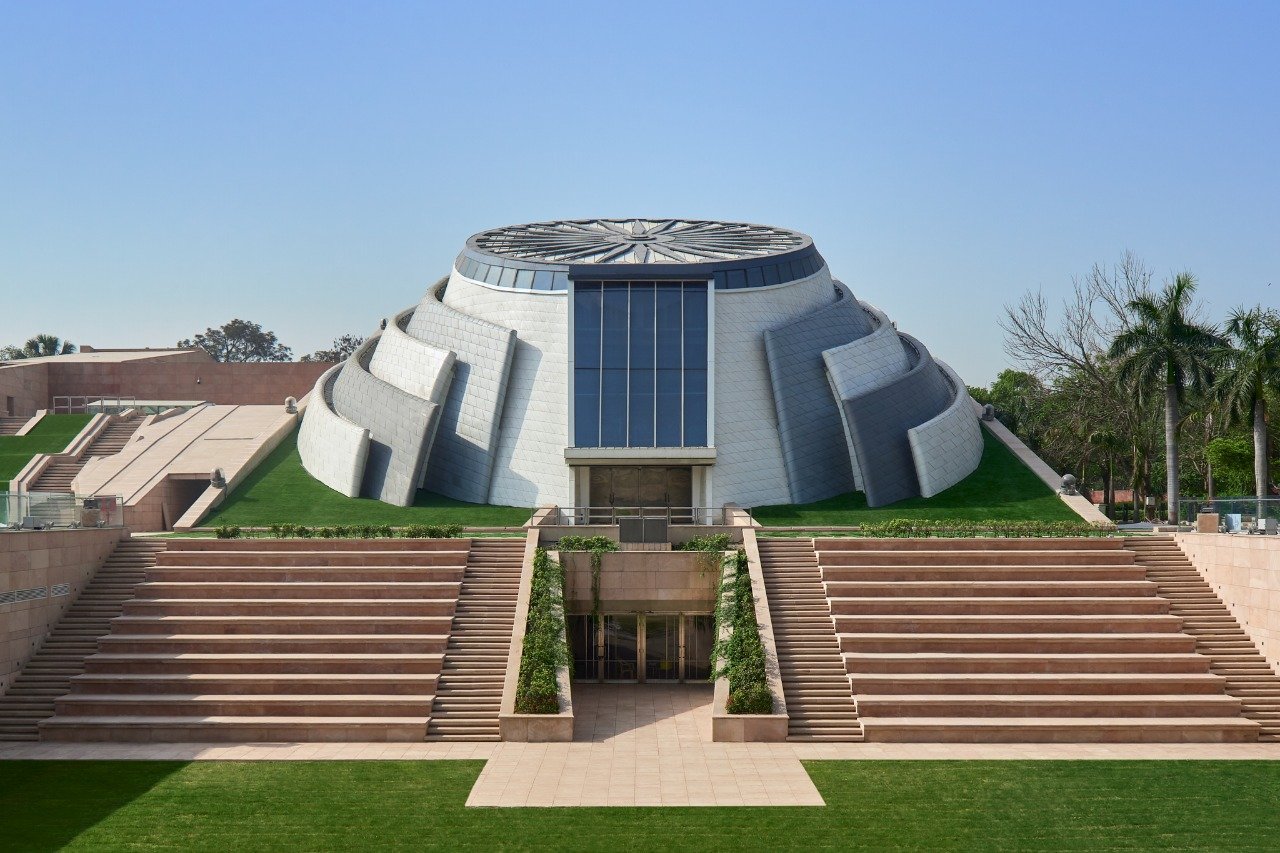
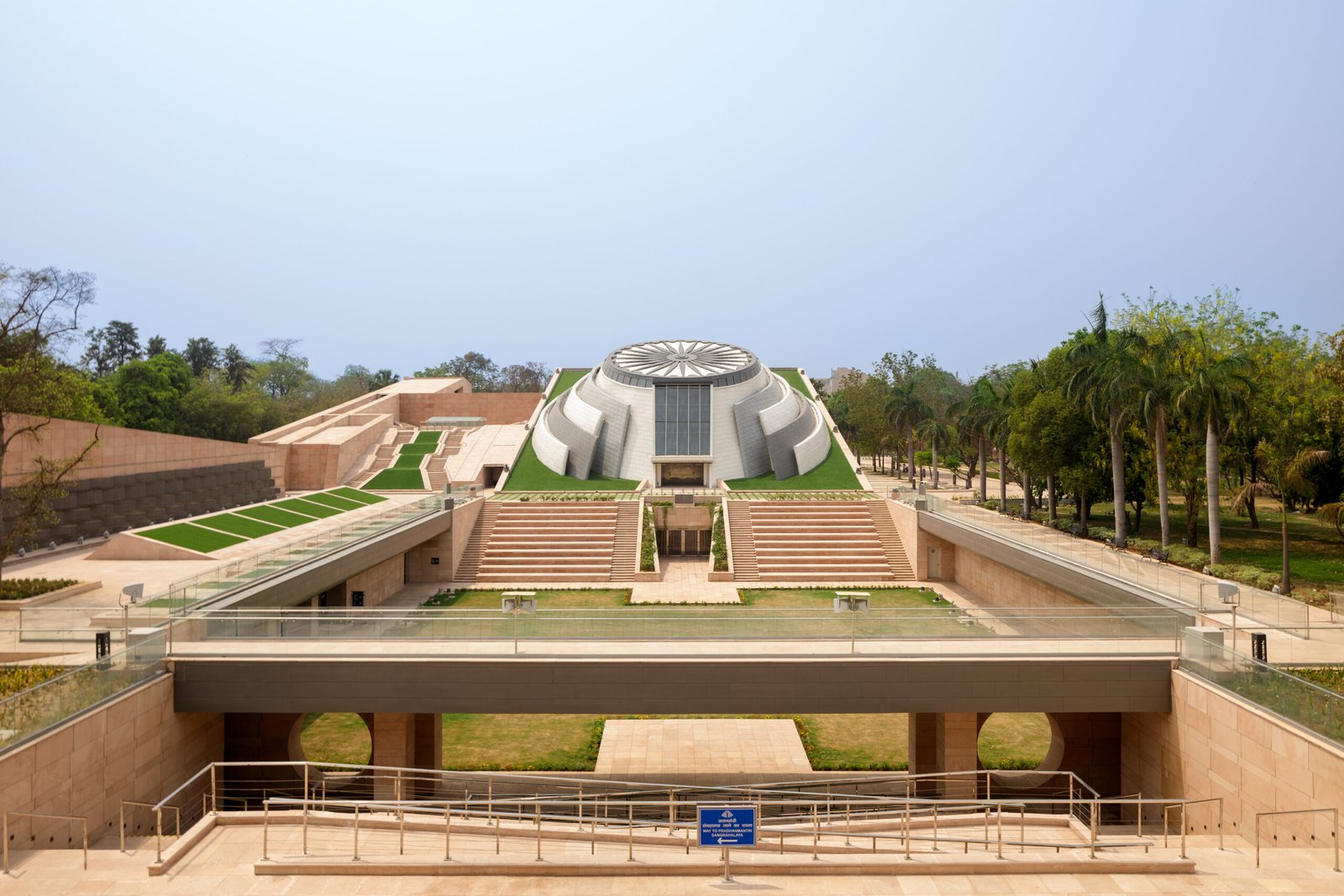
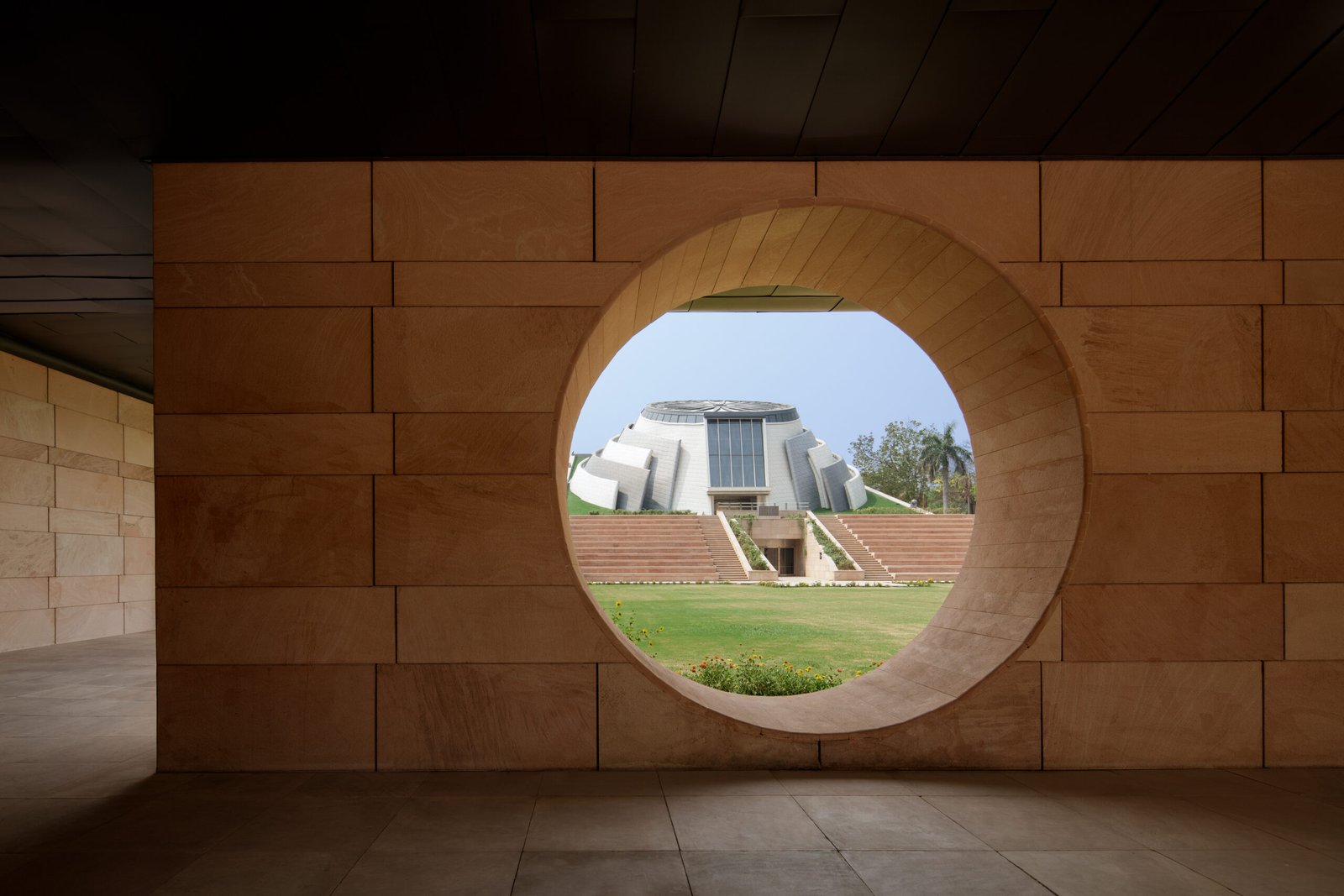
The Pradhanmantri Sangrahalaya, a museum dedicated to the Prime Ministers of India, goes beyond mere artifacts and historical narratives. It stands as a testament to the hands that have shaped the nation, representing India’s rise as a global power. At its core, the museum presents a profound concept – India’s leaders molding a rising form, much like a potter’s wheel, symbolizing the collective efforts of the Indian people and its visionary leaders in shaping the nation. The museum pays tribute to an emerging and ever-evolving India, guided by its statesmen over the years. The Pradhanmantri Sangrahalaya artfully combines architectural elements, structural innovation, and landscape design offering a captivating experience to visitors. Every aspect of the museum has been meticulously crafted to enhance the visitor’s experience and create an atmosphere that inspires awe and Introspection.
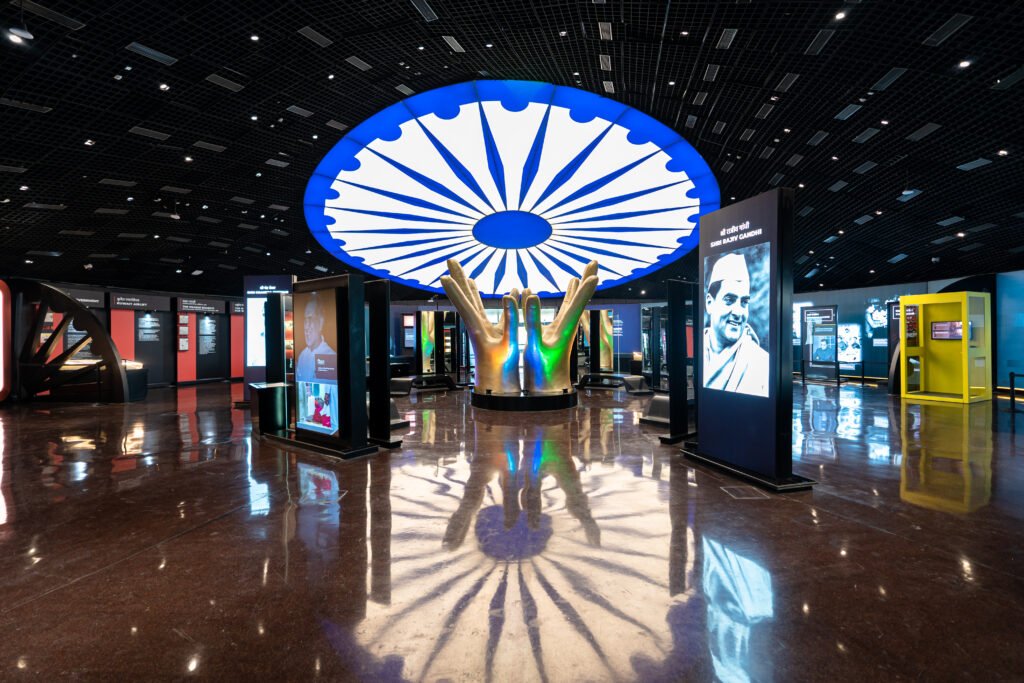
Beyond its grandeur, the museum is conceived as an environment where history can be explored, experienced and interpreted. The architectural and exhibition design work together to create multiple points of engagement, allowing visitors of different ages, interests and levels of prior knowledge to encounter the story of India’s democratic journey in ways that are intuitive, immersive and memorable.
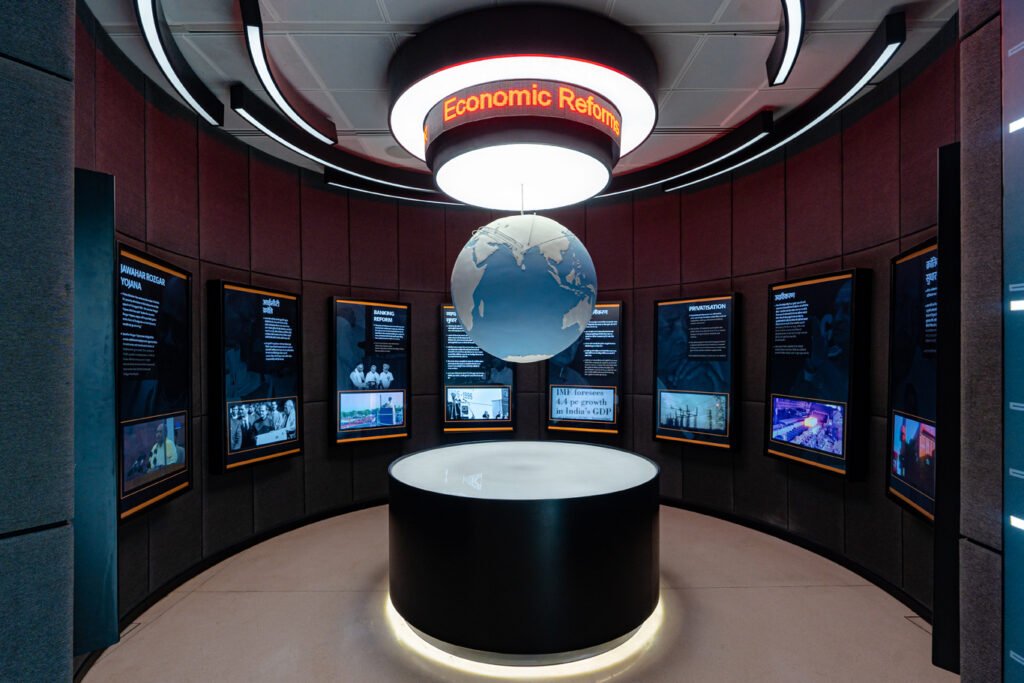
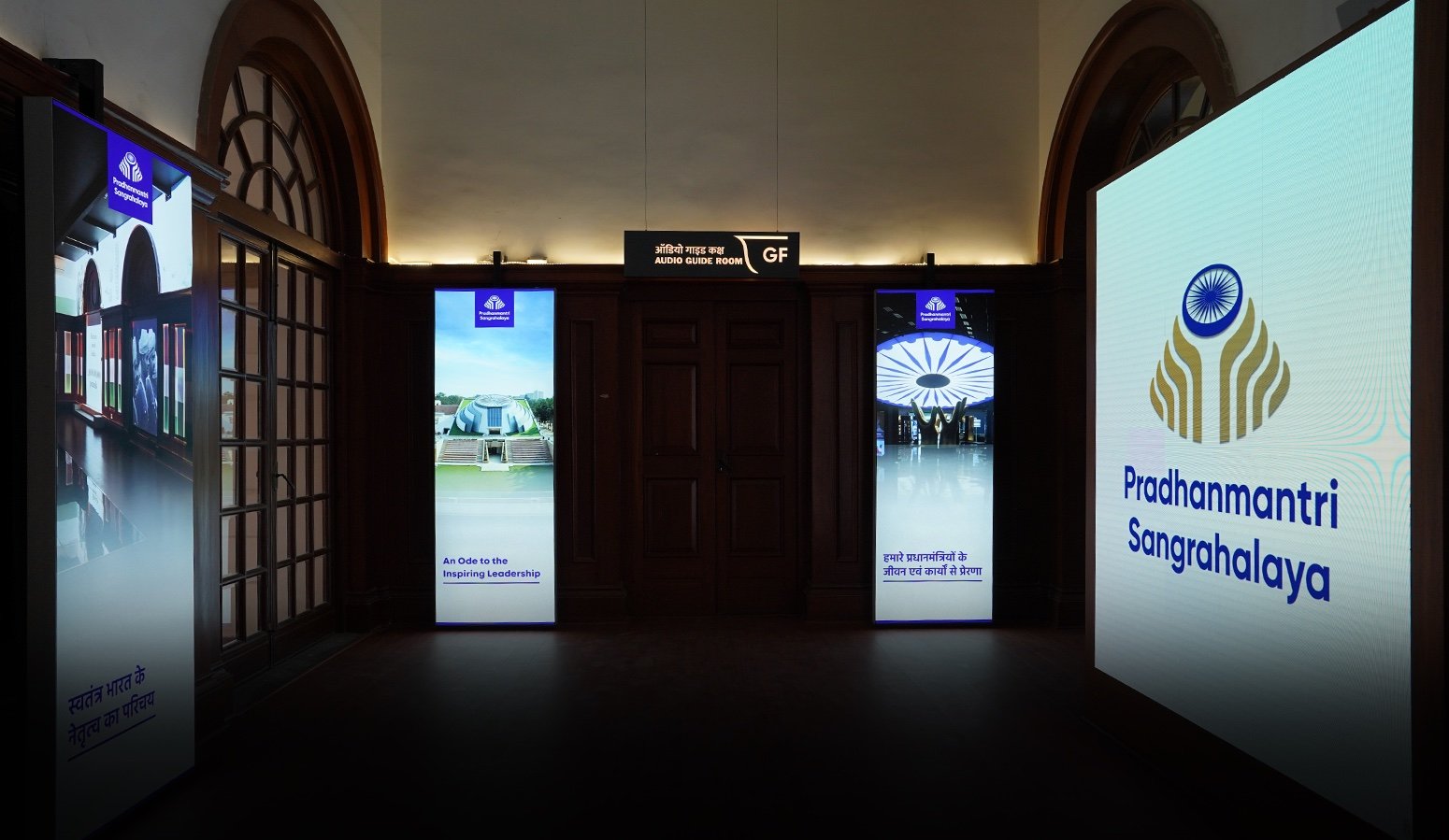
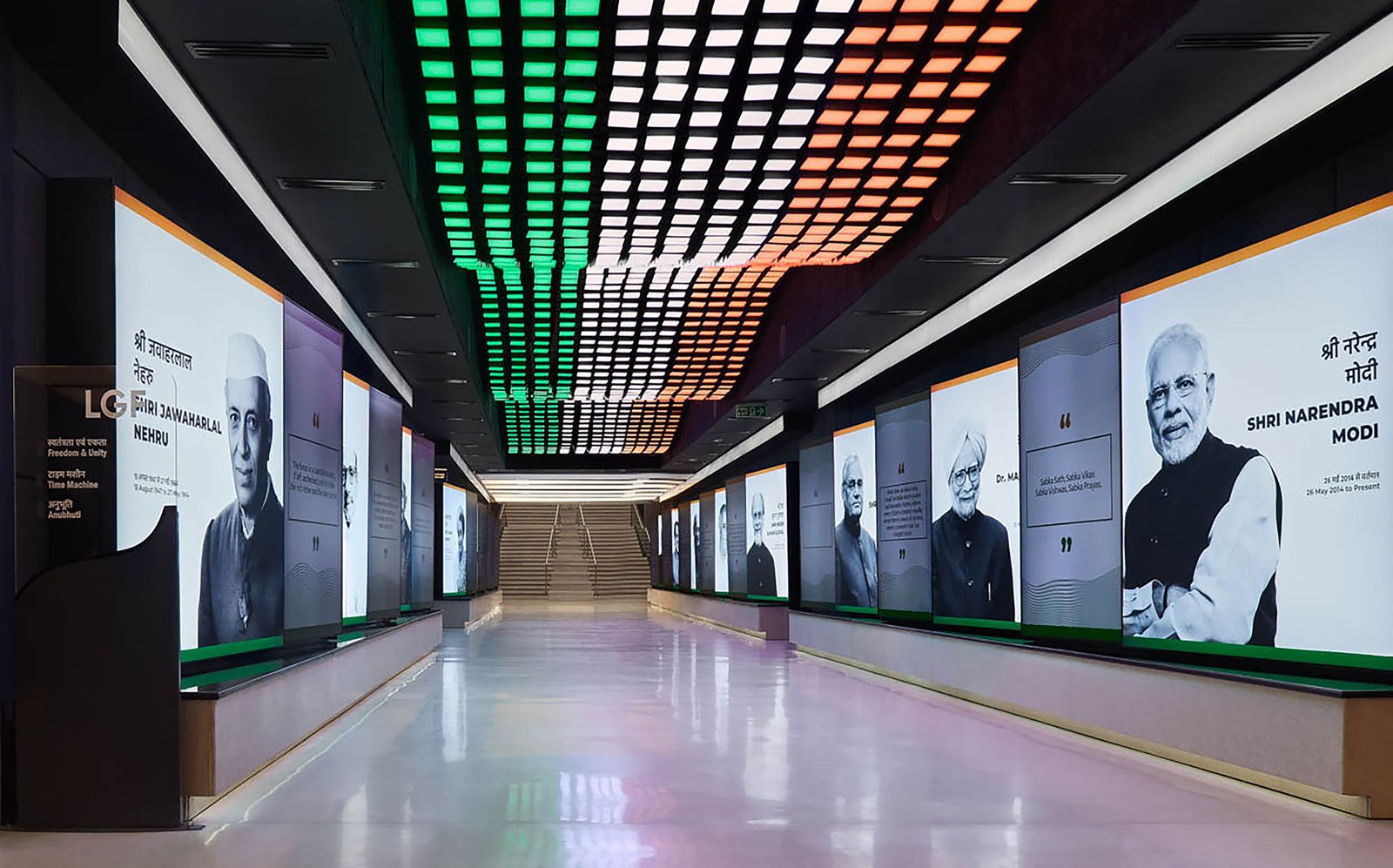
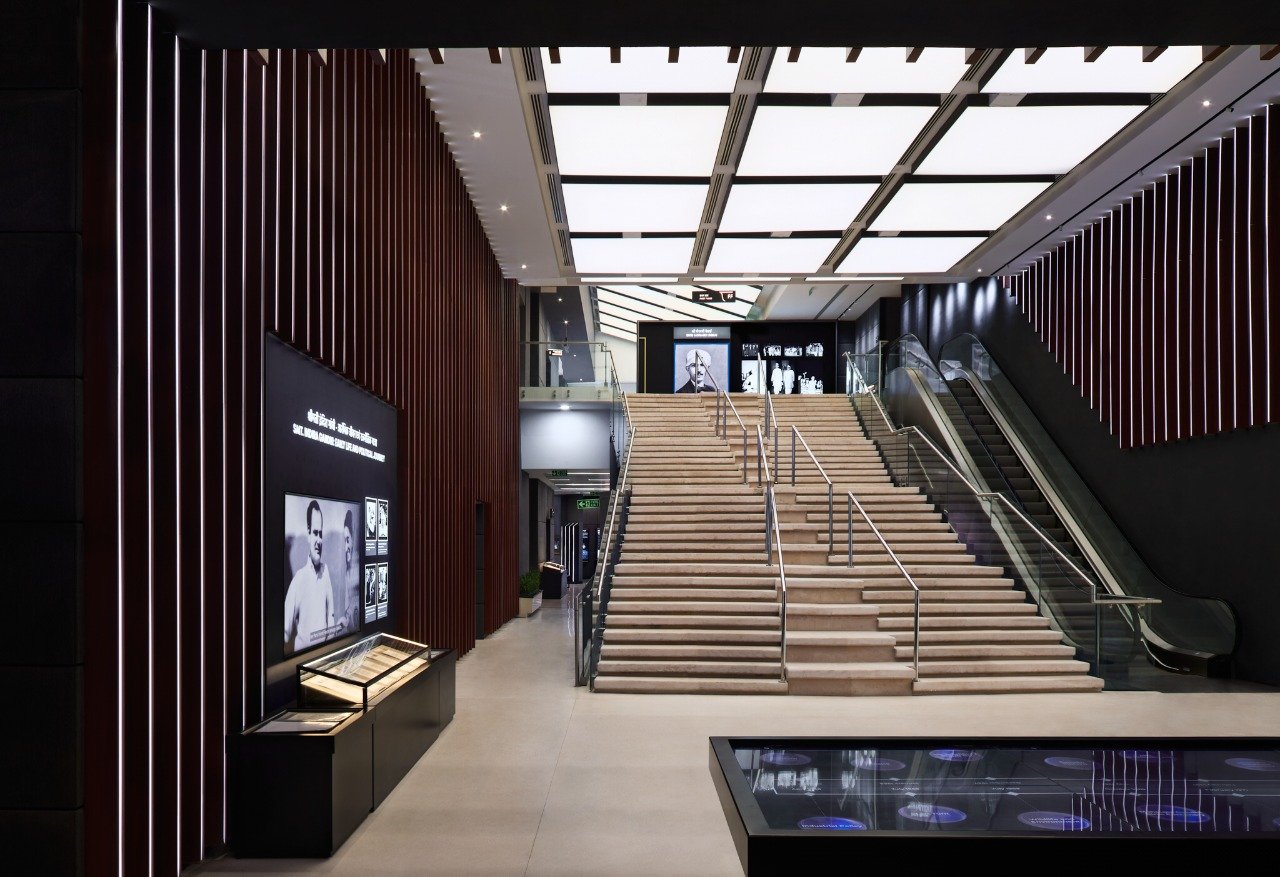
A key aspect of the experience is the integration of physical architecture with digital and interactive media. The museum uses augmented and virtual reality, holograms, multi-touch interfaces, interactive kiosks, multimedia displays and experiential installations to transform historical information into something visitors can actively engage with. Rather than relying exclusively on reading and observation, visitors can interact with content, explore personalities and events, and form their own connections with the narratives being presented. The museum’s audio guide further provides a more guided mode of exploration for visitors who prefer a structured introduction to the exhibits.
This layered approach is particularly relevant for younger visitors and school groups. Interactive features such as the Augmented Reality experiences, the Handwriting Robot and the activity that allows children to explore India’s space programme through drawing introduce elements of participation, play and discovery into the learning process. The Shatabdi Sankalp installation, where visitors are invited to write their vision for India in 2047, extends this engagement beyond learning about the past to thinking about the country’s future and their own role within it.
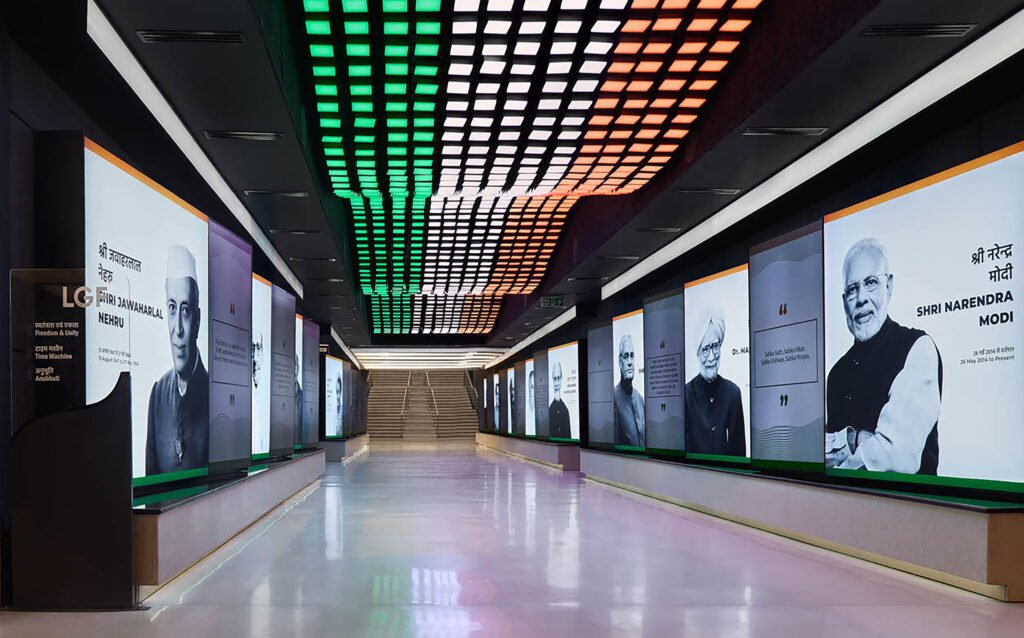
For older students and adults, the museum offers a deeper opportunity to understand the relationships between leadership, governance, social change and nation-building. The chronological and thematic narratives provide context, while the immersive technologies can bring historical personalities and events closer to the visitor. This creates an environment in which learning can happen at different levels – from a child’s first encounter with an aspect of India’s history to a more detailed exploration by students, educators, researchers or adults with an existing interest in the subject.
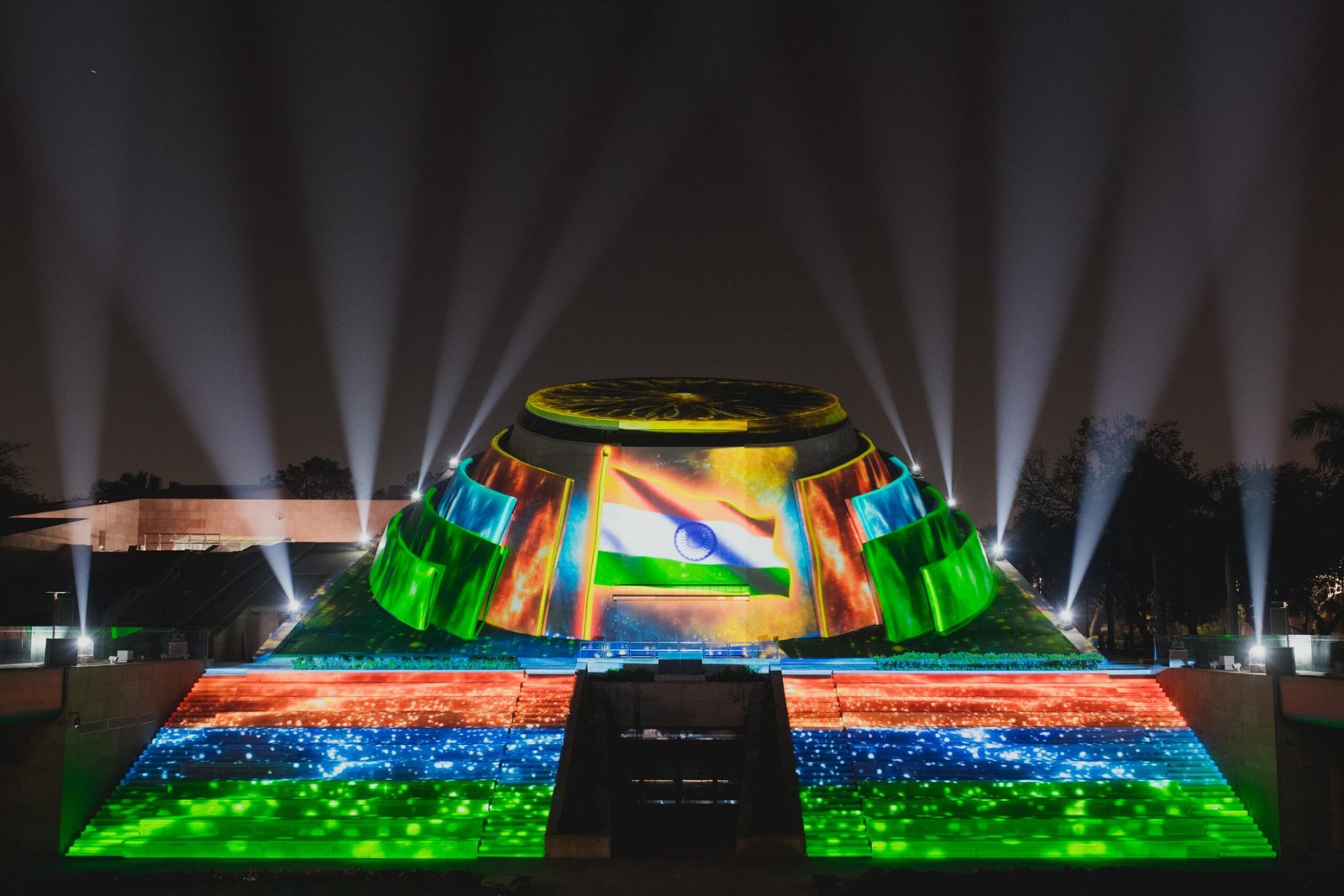
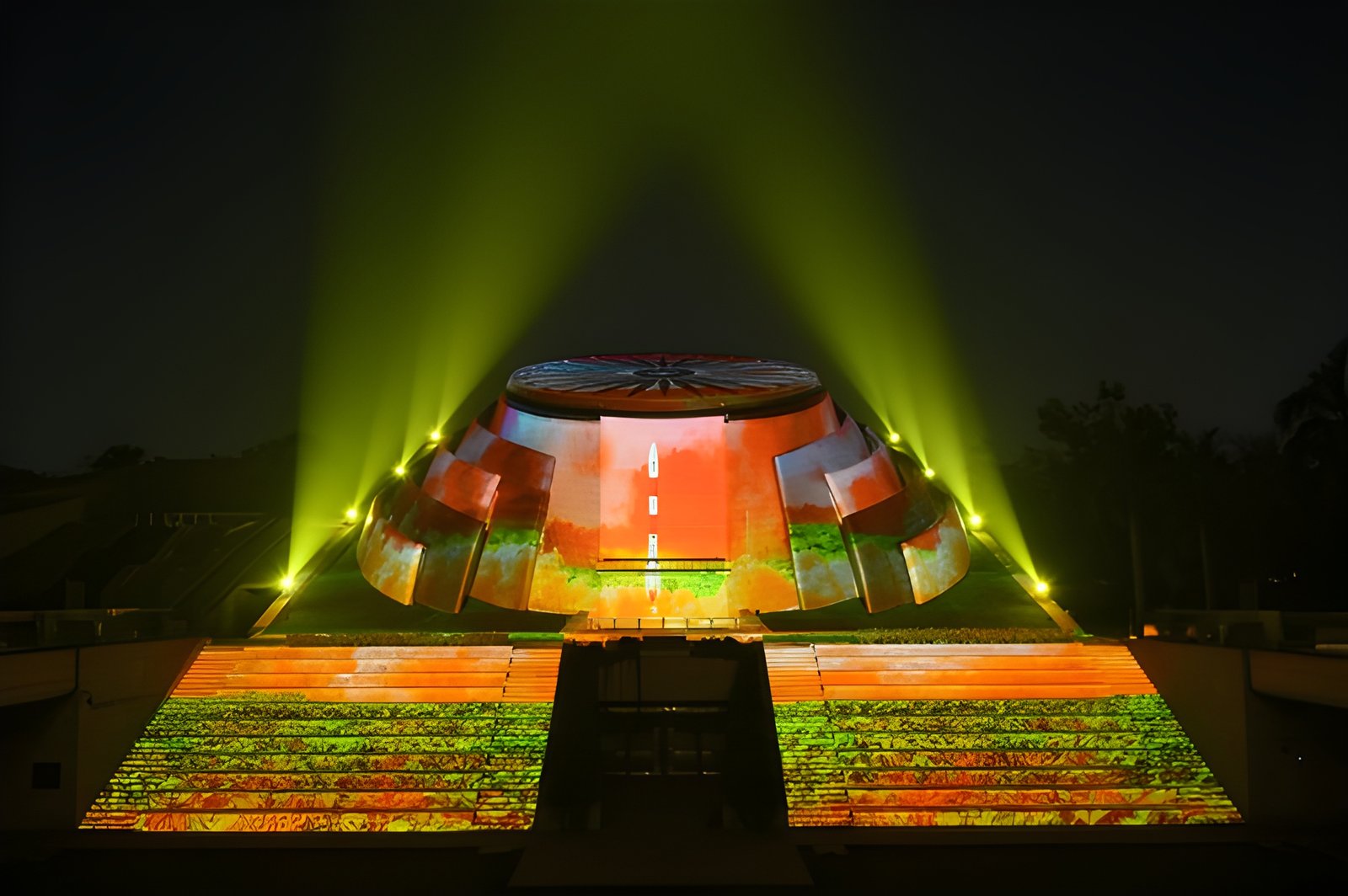
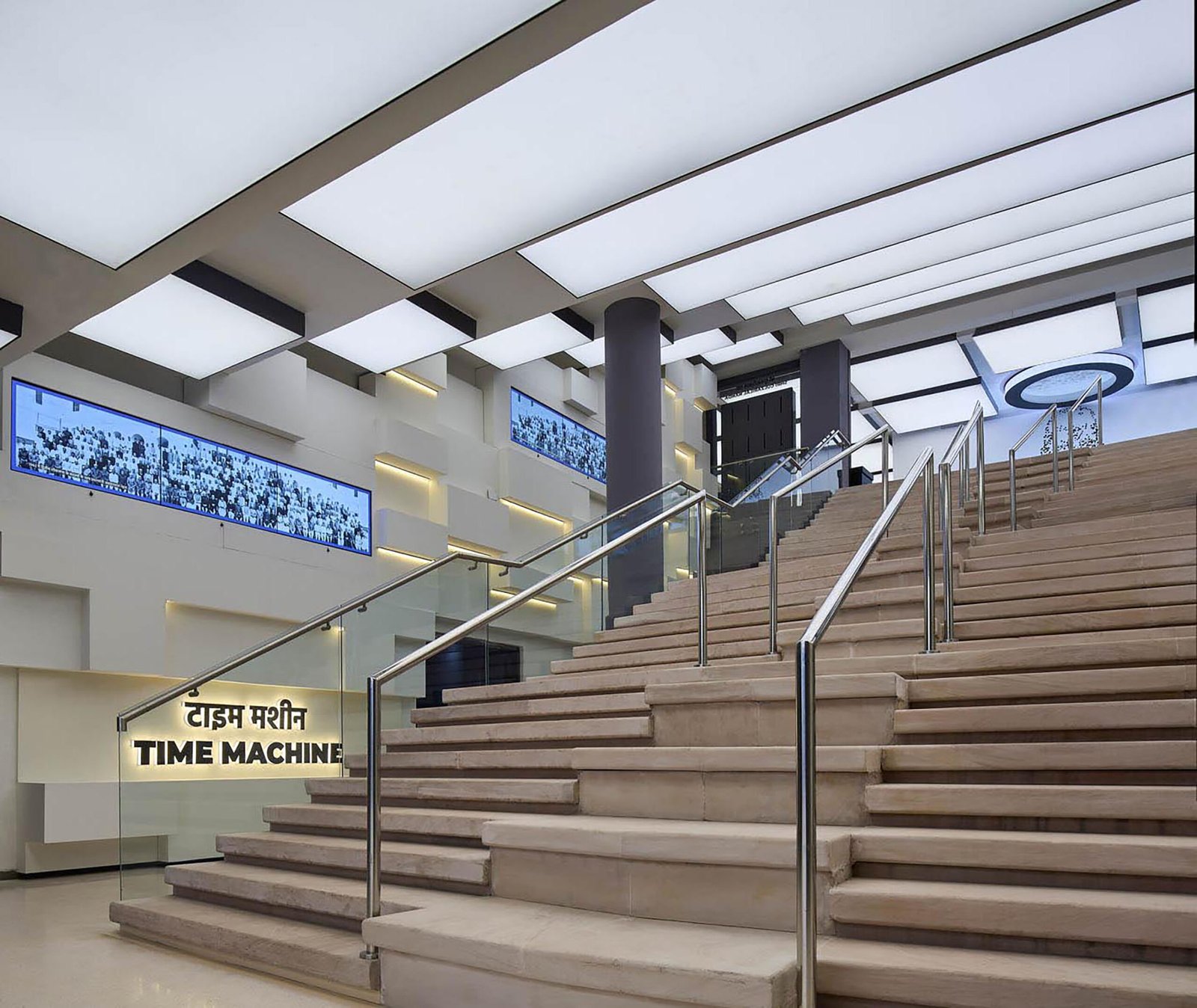
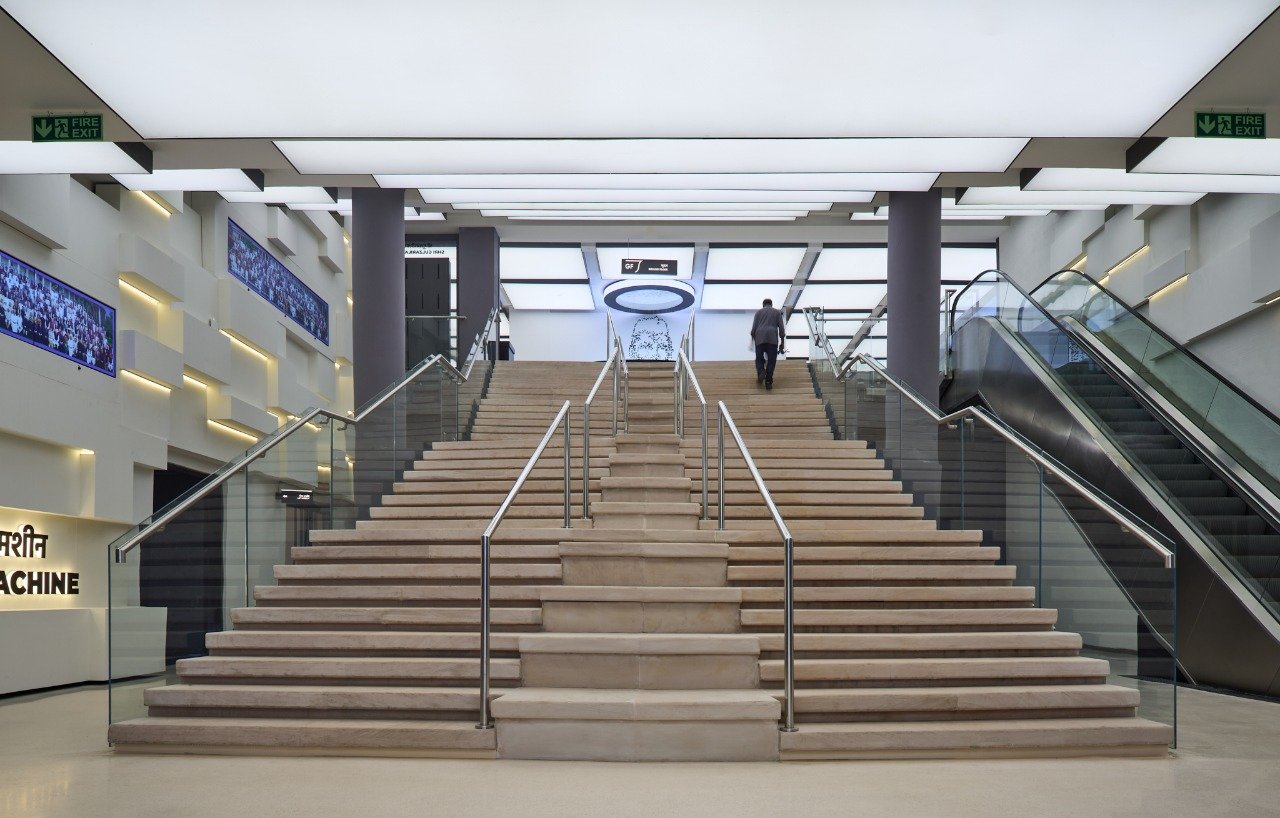
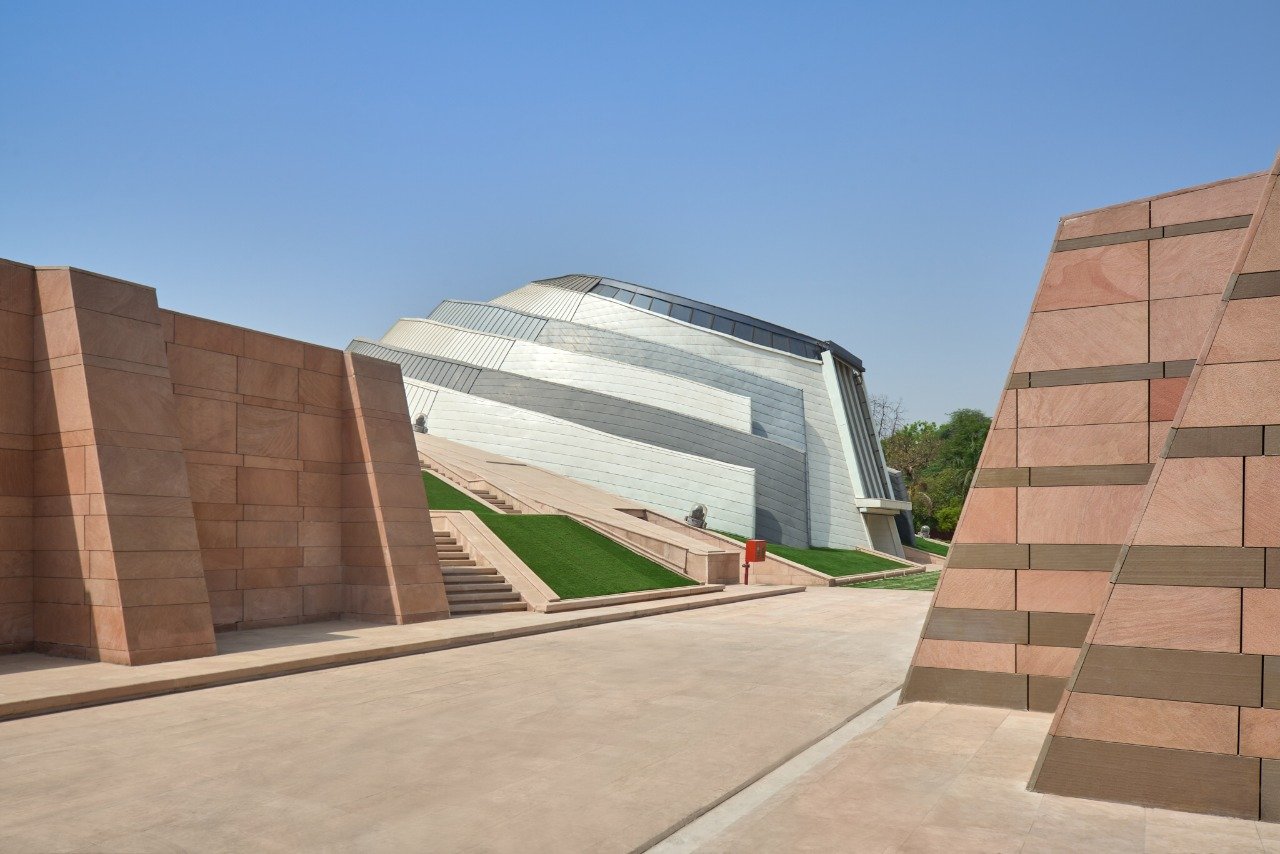
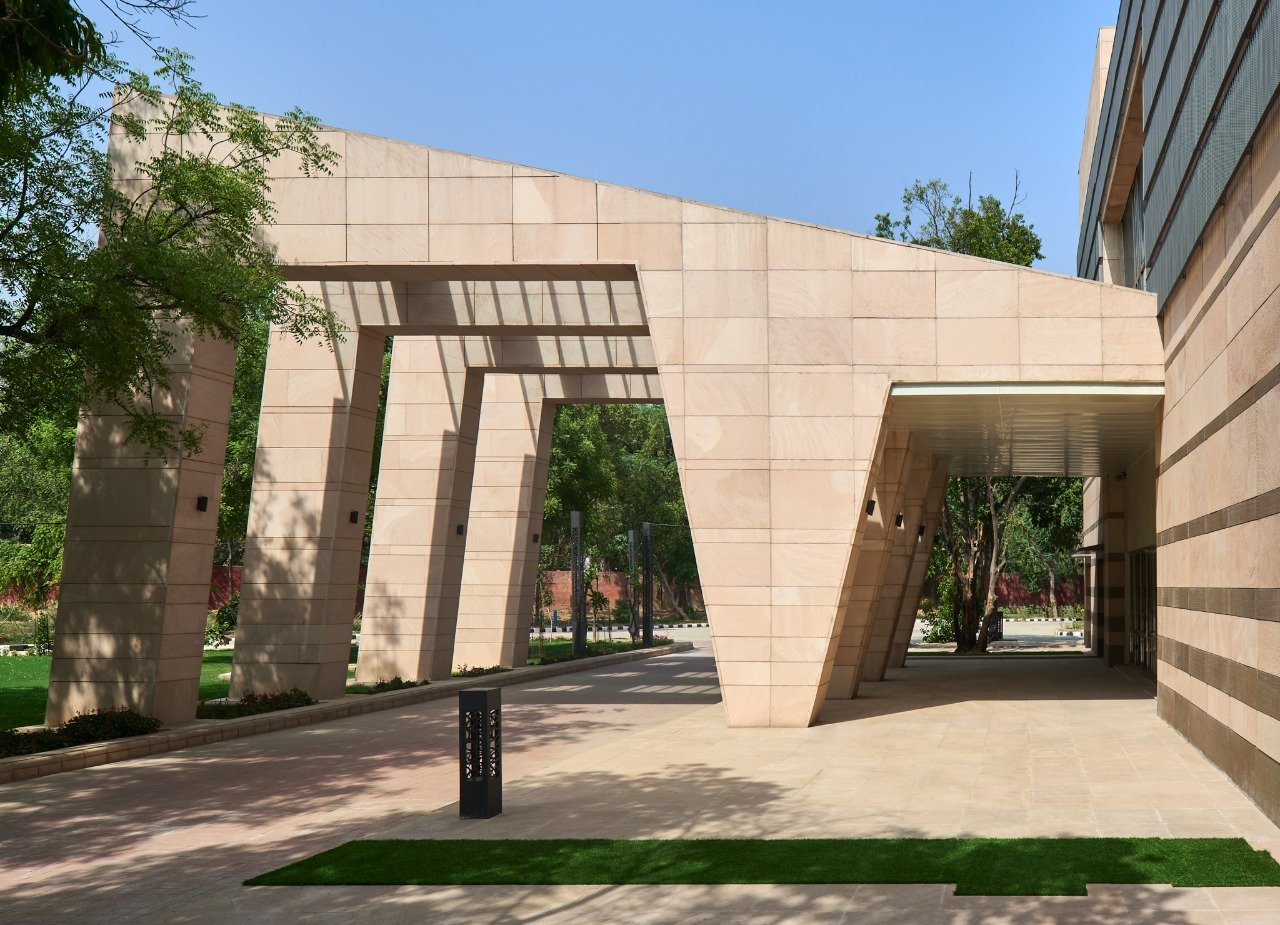
The architectural environment also contributes to this process of learning. The distinctive form, inspired by the Ashoka Chakra and its 24 spokes, provides a spatial and symbolic framework for the museum’s narrative, while the use of Jodhpur pink sandstone connects the contemporary institution with India’s architectural and cultural vocabulary. Within the galleries, carefully controlled and dimmable lighting allows individual exhibits to be highlighted with clarity, while the use of stretch- fabric ceilings contributes to acoustic performance and an immersive environment. These elements help establish the appropriate visual and sensory conditions for concentration, reflection and discovery.
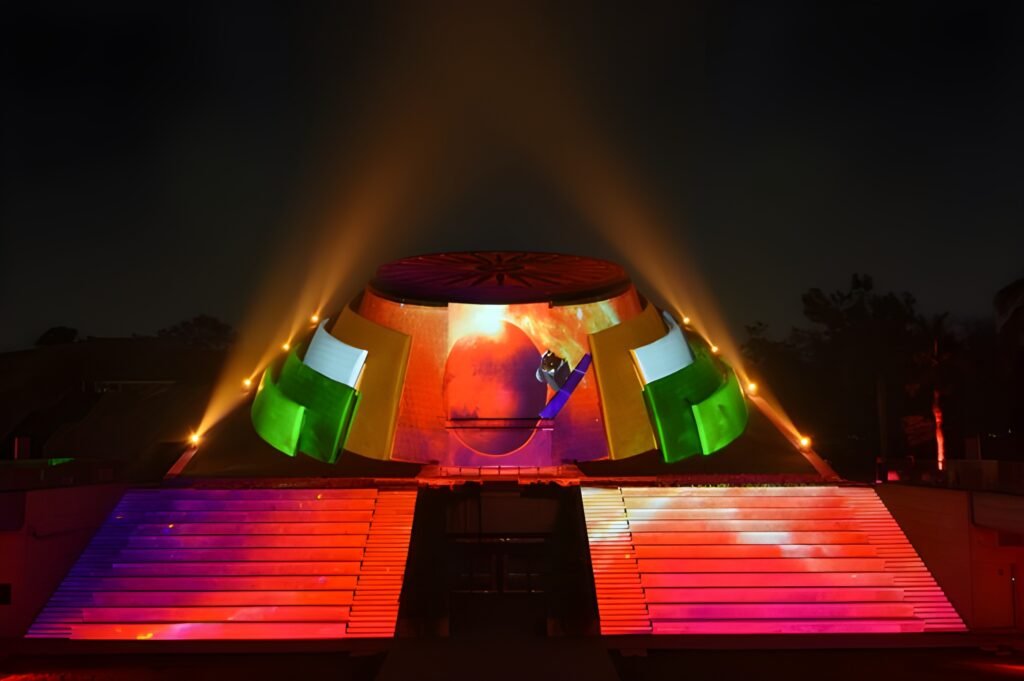
Importantly, the museum accommodates different modes of engagement rather than prescribing a single way of learning. Some visitors may be drawn to the physical artefacts and architectural environment; others may respond to interactive technology, audio narratives or participatory installations. Families can explore together, school groups can use the museum as an extension of classroom learning, and individual visitors can move through the content at their own pace. In this sense, the Sangrahalaya functions as an informal learning environment – one where curiosity,conversation and personal discovery become part of the educational experience.
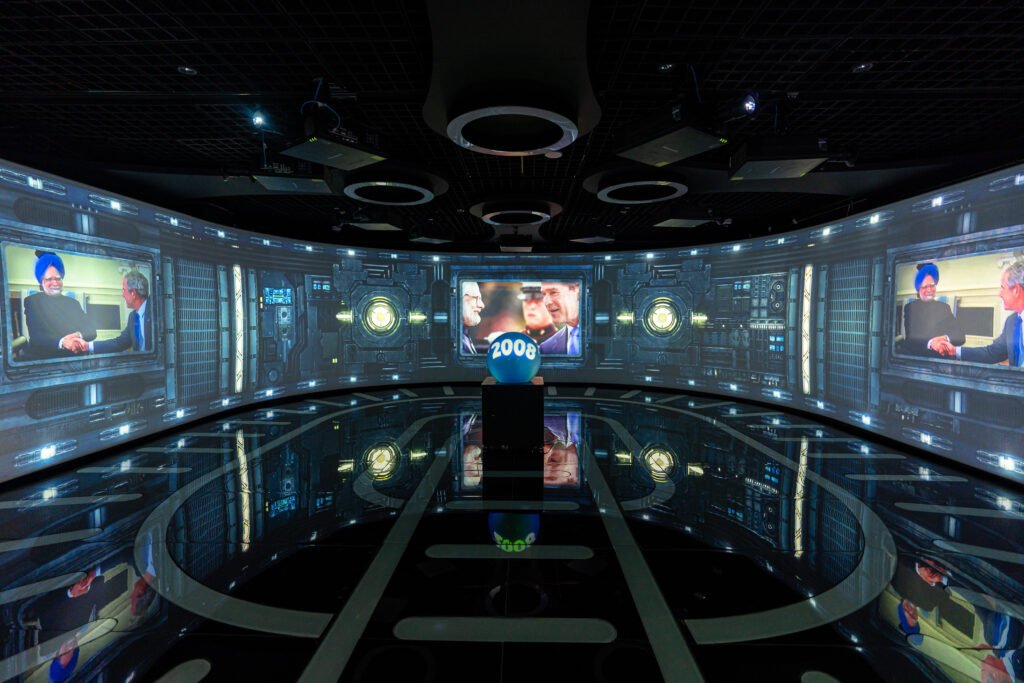
The result is a museum that seeks to make history accessible across generations. By combining architecture, landscape, artefacts, storytelling, technology and opportunities for participation, the Pradhanmantri Sangrahalaya turns the act of visiting into an active process of learning – connecting the history of India’s past leadership with questions about its present and the aspirations of the generations that will shape its future.
As one step inside the Pradhanmantri Sangrahalaya, it not only astounds with its symbolic design and conceptual brilliance but also serves as an iconic statement of the legacy and the stories within.The museum not only celebrates the past but also serves as a beacon of hope for the future. It is a testament to India’s unwavering commitment to progress, innovation, and the relentless pursuit of excellence. The museum stands tall as a living embodiment of India’s rise, inviting visitors to witness and appreciate the indomitable spirit that defines the nation.
The Pradhanmantri Sangrahalaya showcases a range of sustainable features, demonstrating a commitment to environmental consciousness. The incorporation of heat pipes for RH control ensures optimal humidity levels, preserving delicate artefacts and ensuring their longevity. Demand control ventilation and variable frequency drives (VFDs) in the air handling units guarantee energy efficiency and an optimal indoor climate. Moreover, the building was constructed ensuring that not a single tree is harmed throughout the entire process, with every tree on the site left undisturbed.
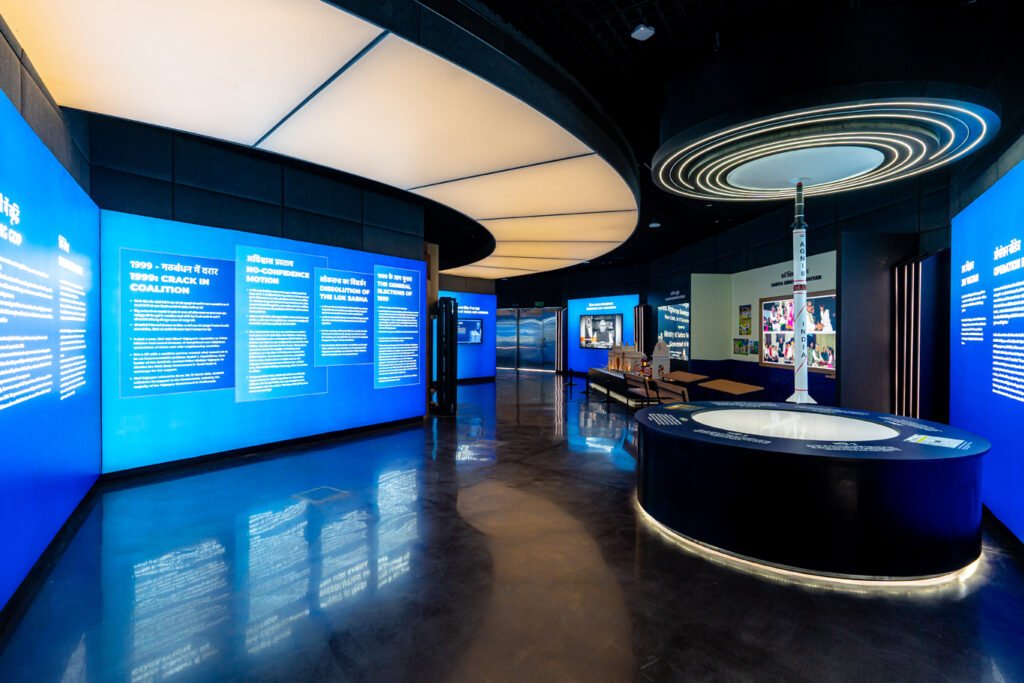
The attention to detail extends to the museum’s flooring, where epoxy mosaic flooring not only adds to the aesthetics but also provides a durable and low-maintenance surface that can withstand heavy foot traffic. Complementing the flooring, the museum features large array ceiling panels created using stretch-fabric ceiling technology. This innovative approach allows for a visually striking and acoustically efficient ceiling design, creating an ideal and immersive experience for visitors.
Additionally, the use of zinc titanium panels in double curvature on shelves adds a touch of contemporary flair to the exterior while providing durability and weather resistance.
Project Gallery:



Cite: “Pradhanmantri Sangrahalaya, New Delhi / Sikka Associates Architects 27 October 2026. GLSN. Accessed . https://theglsn.com/pradhanmantri-sangrahalaya-new-delhi-sikka-associates-architects/