
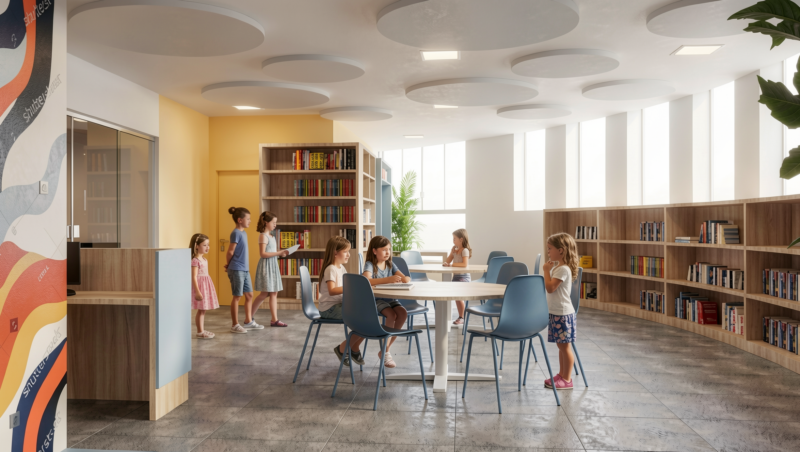
Author: Ar. Luciana Correa, Architect, publicist, and founding partner of DecorArquitetura – Arquitetura para Escolas
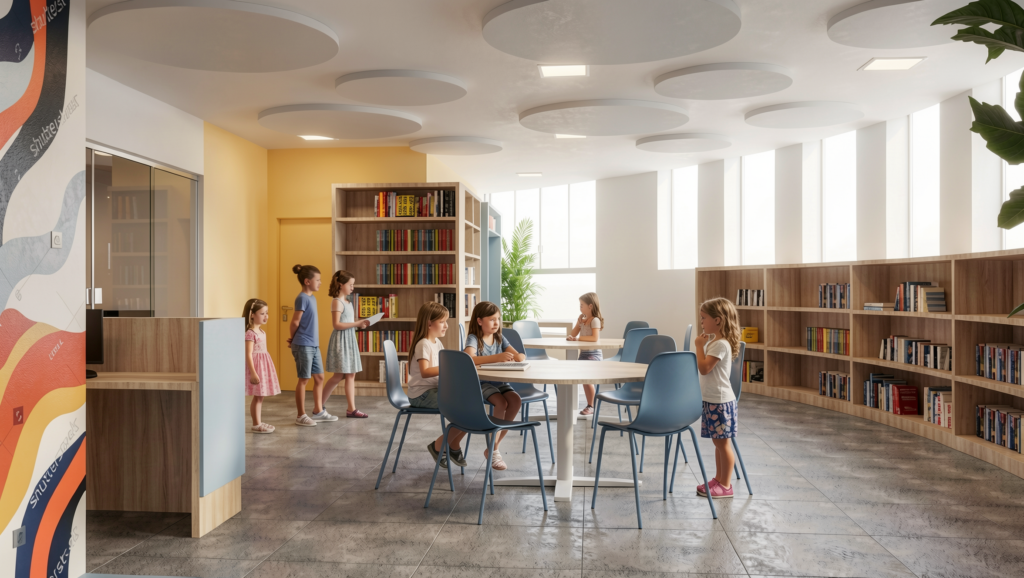
Throughout my experience with educational architecture, I have increasingly realized that learning environments have a much greater impact on education than we often imagine.
Neuroarchitecture emerges precisely from this understanding: the idea that physical spaces directly influence students’ behavior, emotions, concentration, and even cognitive development.
More than simply creating visually attractive schools, neuroarchitecture proposes environments designed to work in harmony with the human brain. It is an approach that combines architecture and neuroscience to understand how elements such as light, colors, acoustics, temperature, textures, and spatial organization can promote well-being and enhance learning.
In practice, this means designing spaces that reduce stress, increase the feeling of comfort and belonging, and support children’s concentration and development. I believe schools should be seen as an active part of the educational process, not merely the place where it happens.
The Importance of Natural Lighting
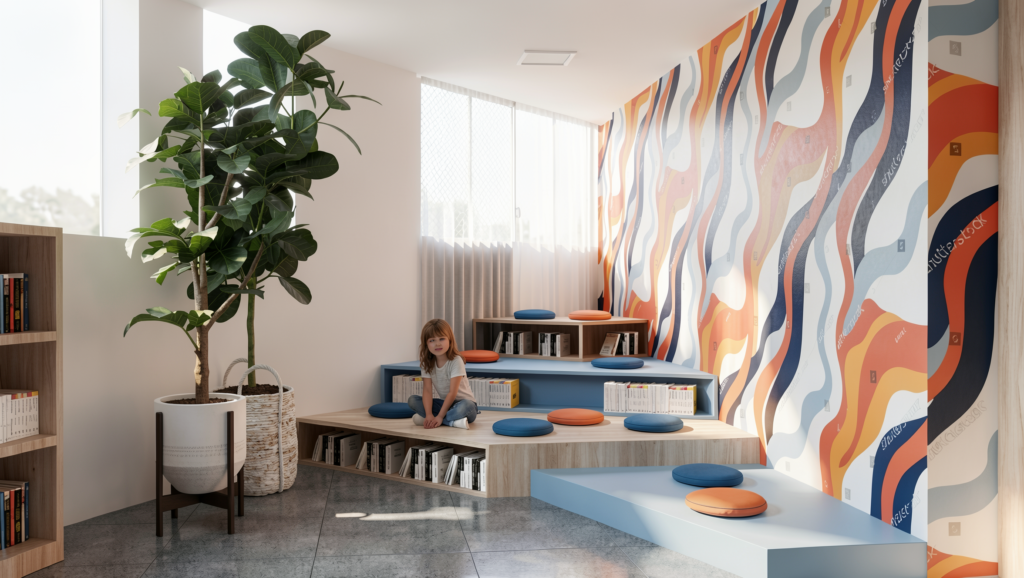
One of the aspects I consider most important in educational neuroarchitecture is natural lighting. I clearly notice how naturally well-lit environments provide greater comfort, energy, and a sense of well-being for both students and teachers.
Natural light directly influences our biological rhythms and affects alertness, concentration, and even mood. That is why strategies such as large openings, skylights, solar control, and the appropriate use of glass and shading systems make a significant difference in the performance of educational spaces.
Beyond functionality, natural light also creates a sense of warmth and connection with the outdoor environment, making spaces feel more welcoming and human-centered.
The Impact of Colors and Textures
In my perception, colors and textures play a very important role in how children experience spaces. Softer tones, such as greens and blues, generally encourage calmness and concentration, while warmer colors can stimulate creativity, interaction, and dynamism when used thoughtfully.
I believe the key lies in the conscious use of these elements. Visually overloaded environments can generate mental fatigue and distraction, especially for children who are more sensitive to sensory stimuli.
Textures also enrich students’ sensory experiences. Natural materials, comfortable surfaces, and varied tactile stimuli help create spaces that feel more welcoming and sensorially engaging.
Acoustic Comfort and Learning
Another aspect I consider essential is the acoustics of school environments. Excessive noise often goes unnoticed by adults, yet it directly interferes with children’s concentration and well-being.
Throughout different projects, I have observed how spaces with excessive echo, reverberation, or multiple simultaneous noises can generate mental fatigue and make communication within the classroom more difficult.
For this reason, solutions such as acoustic treatment, sound-absorbing materials, quiet ventilation systems, and proper zoning of spaces are fundamental to creating more balanced environments that support learning.
The Connection with Nature
I also strongly believe in the potential of biophilic design within educational environments. The presence of plants, natural ventilation, appropriate lighting, and natural materials helps reduce stress and create healthier, more welcoming spaces.
Beyond environmental comfort, this connection with nature also encourages curiosity, well-being, and a sense of belonging. Spaces with green areas, indoor gardens, and visual contact with natural elements tend to provide much more positive experiences for both students and educators.
Flexible Spaces for Different Ways of Learning
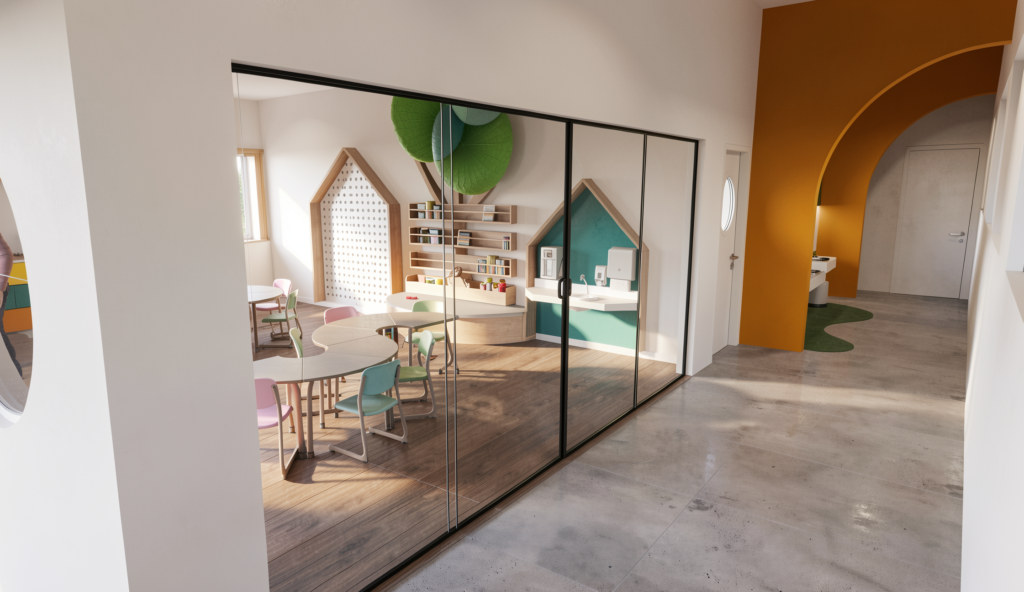
Every child learns differently, and I believe educational spaces must embrace this diversity. That is why I consider flexibility one of the pillars of contemporary school architecture.
Adaptable environments with movable furniture and multifunctional areas allow different spatial configurations and support both collaborative activities and moments of individual concentration.
This flexibility also helps accommodate different learning profiles and specific needs, creating more inclusive and dynamic educational spaces.
Architecture as a Learning Tool
In my view, neuroarchitecture represents an important evolution in the way we think about educational environments. Today, we understand that physical spaces directly influence students’ development, behavior, and performance.
For this reason, I believe designing schools goes far beyond functionality or aesthetics. It is about creating environments capable of welcoming, stimulating, and supporting the learning process in a more human-centered, conscious, and integrated way – always considering the real needs of children and educators.