
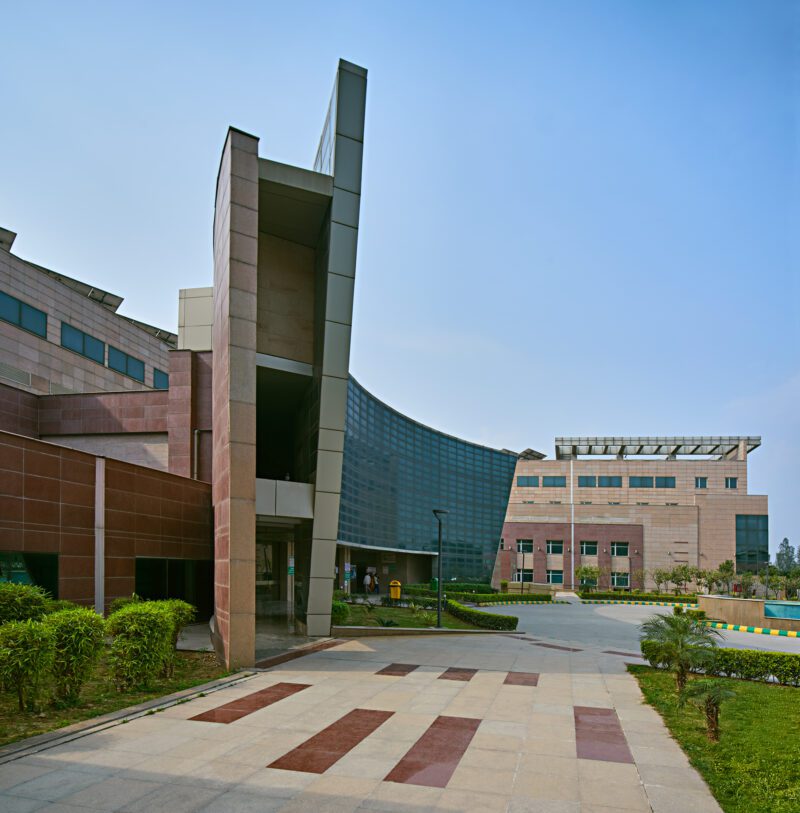
Shared by the architects upon our invitation.

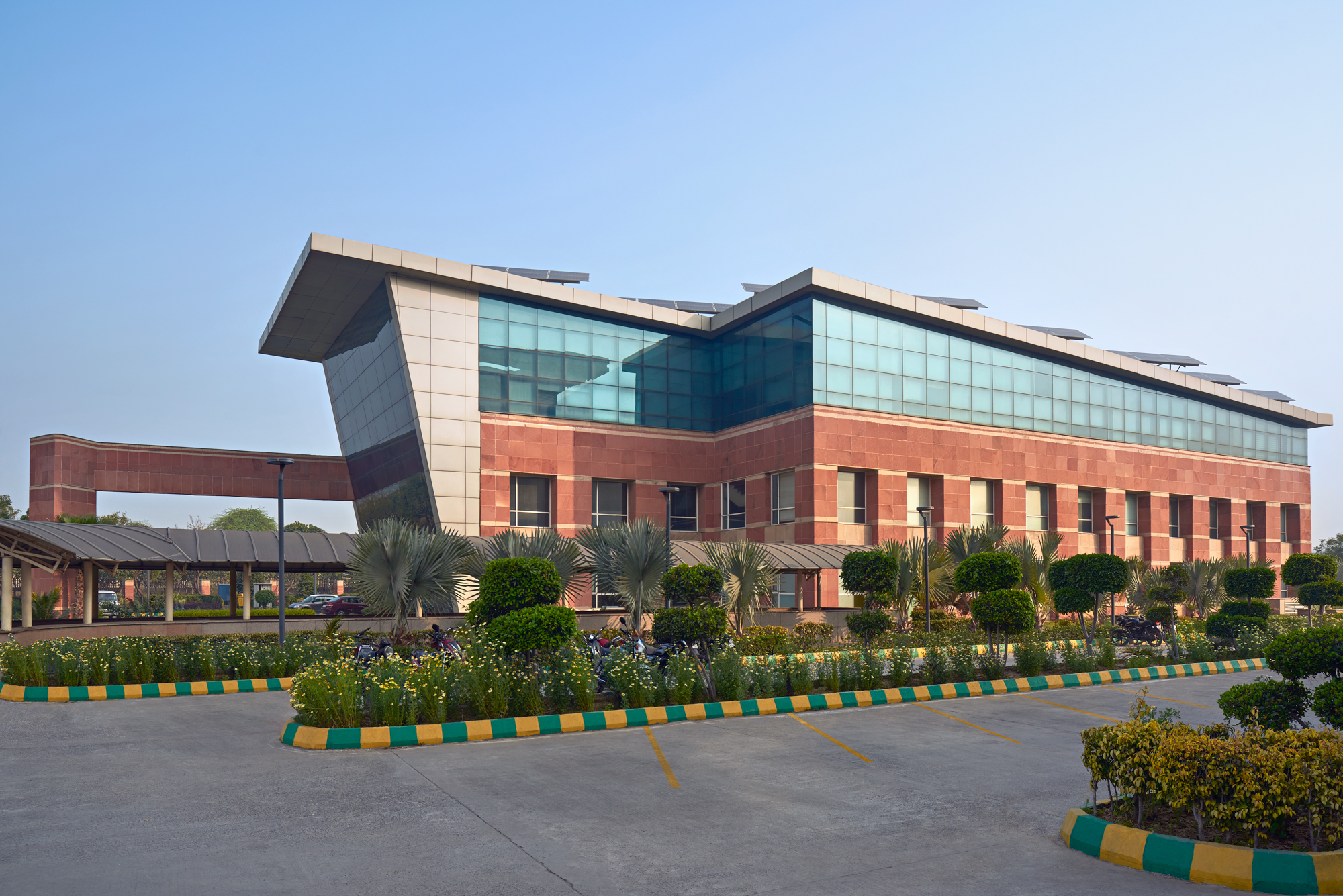
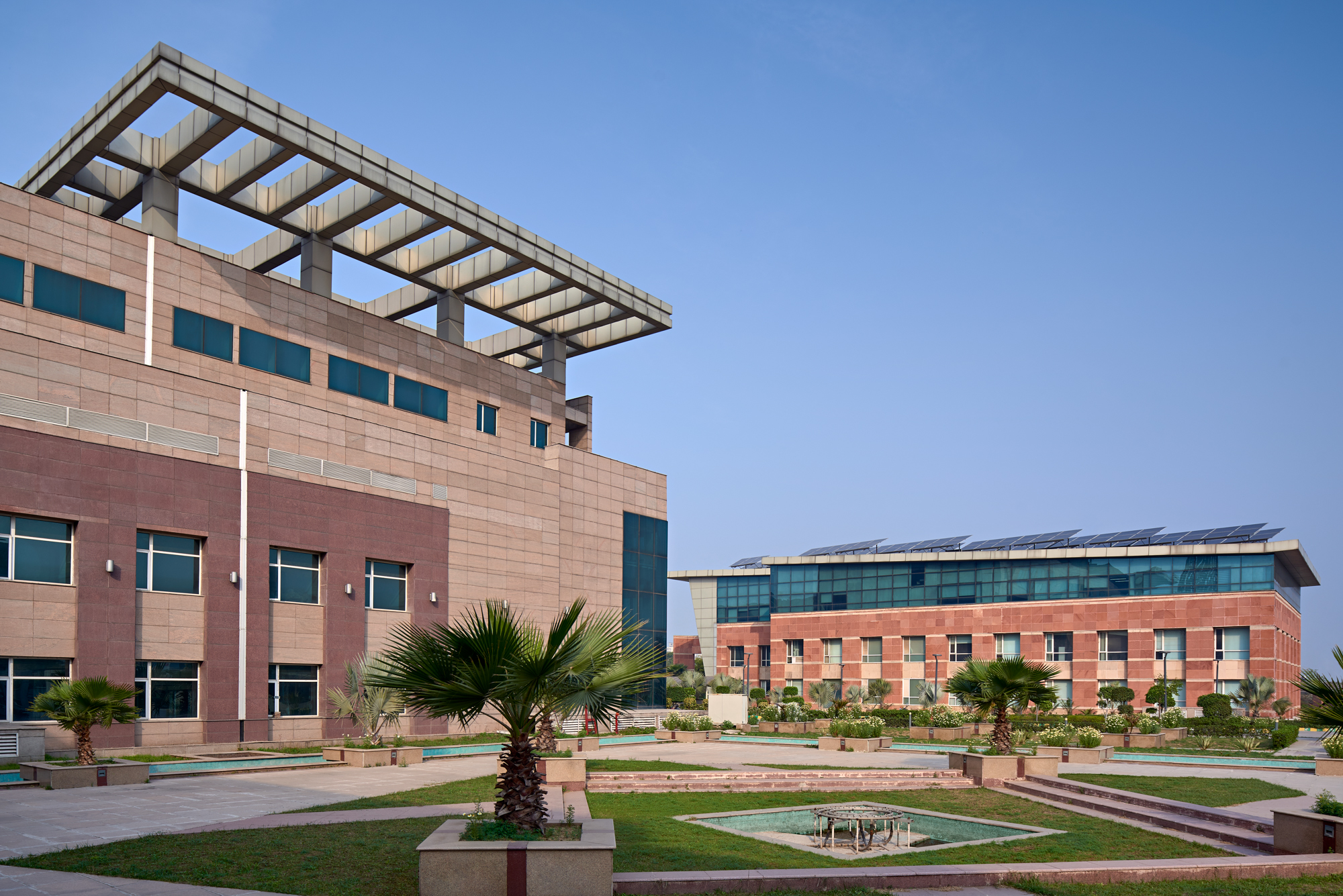
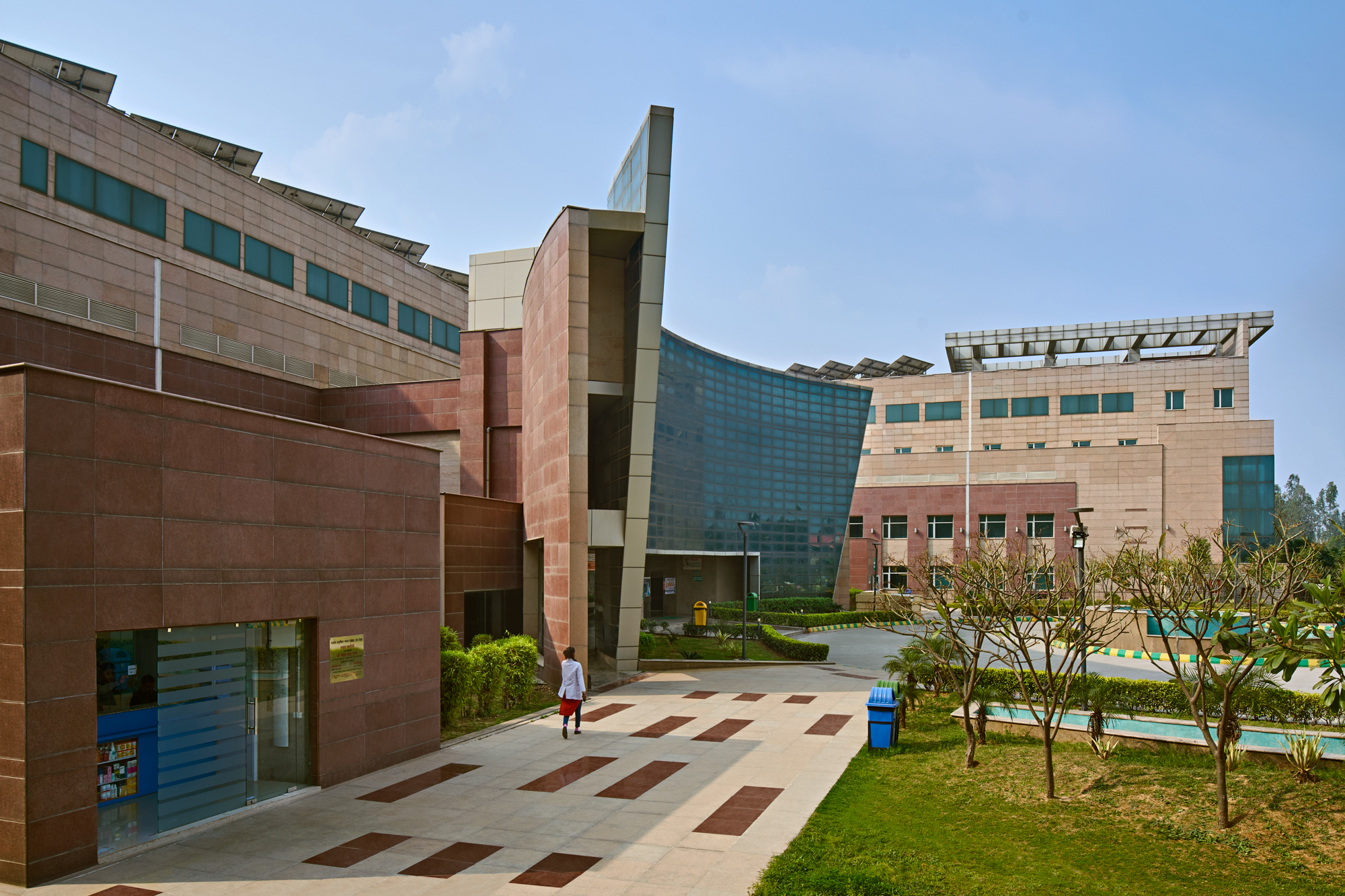
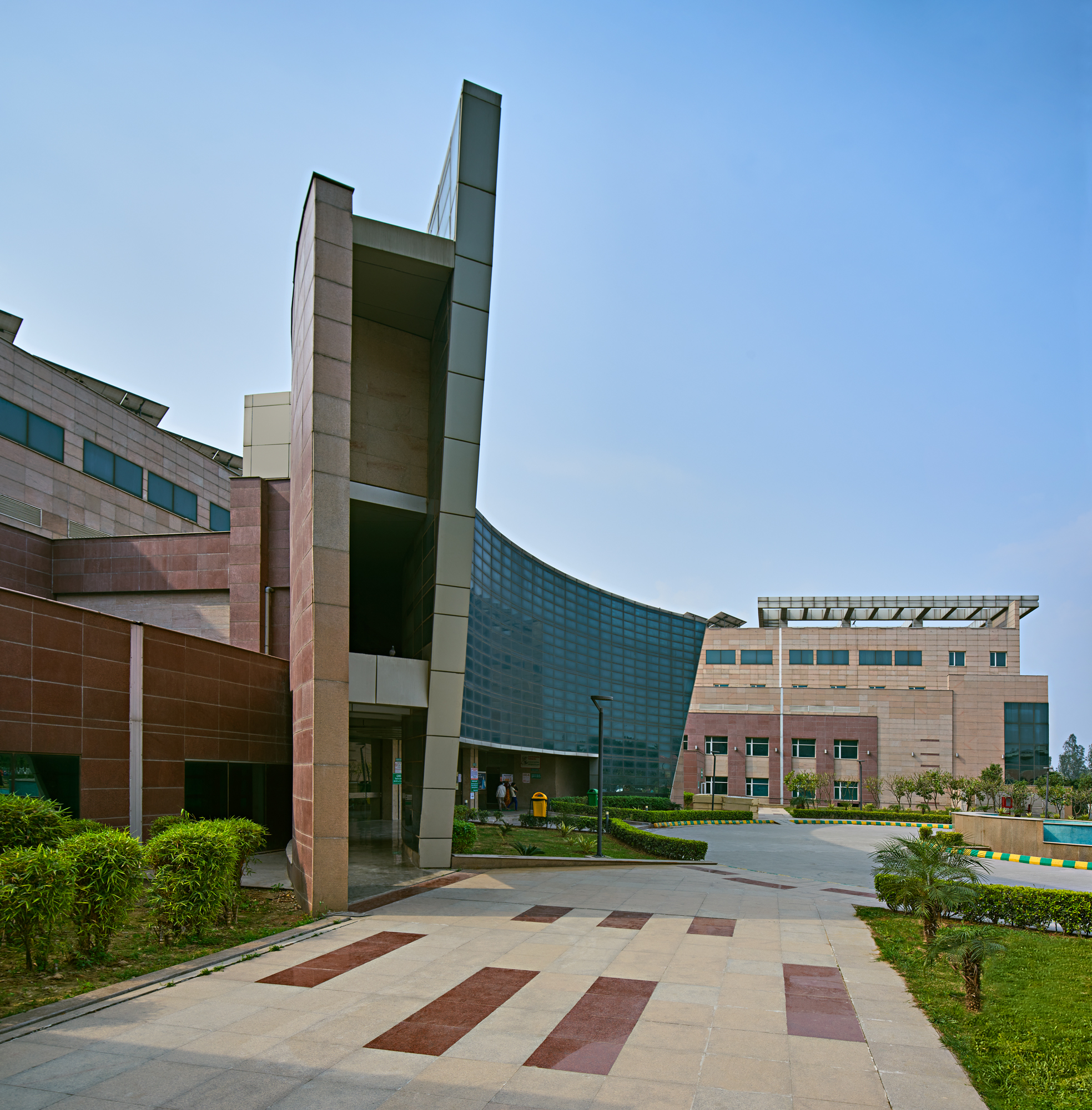
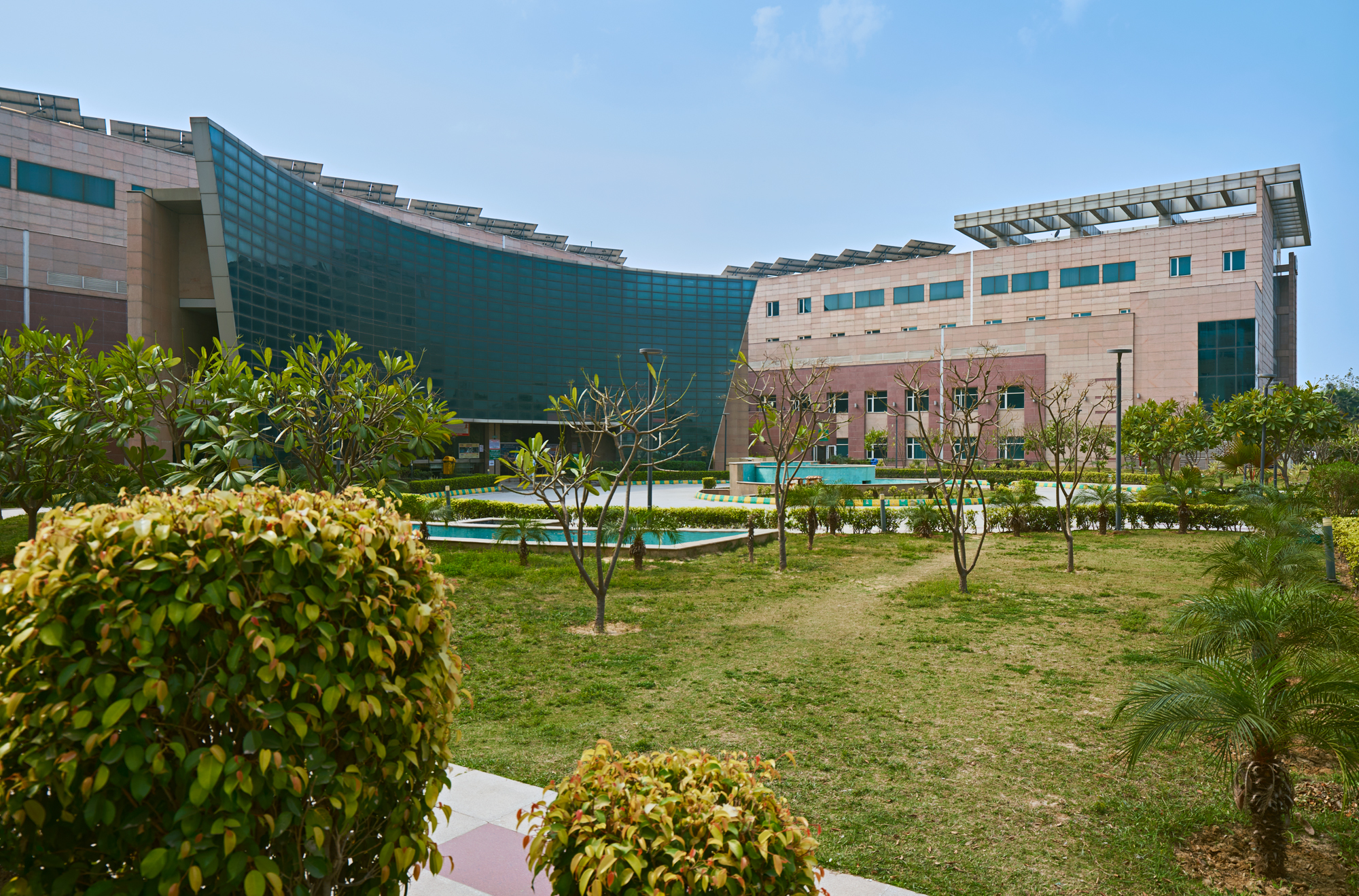
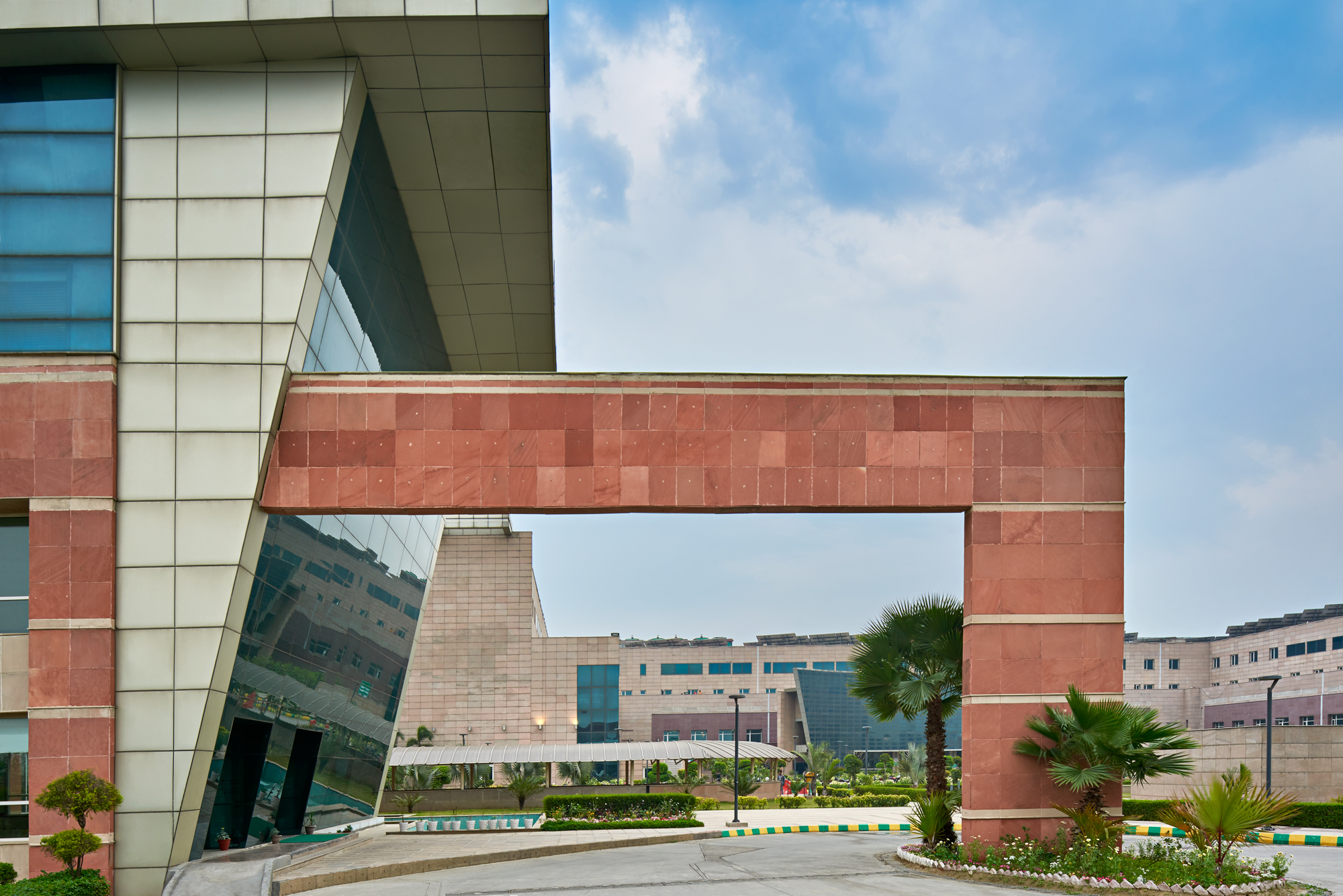
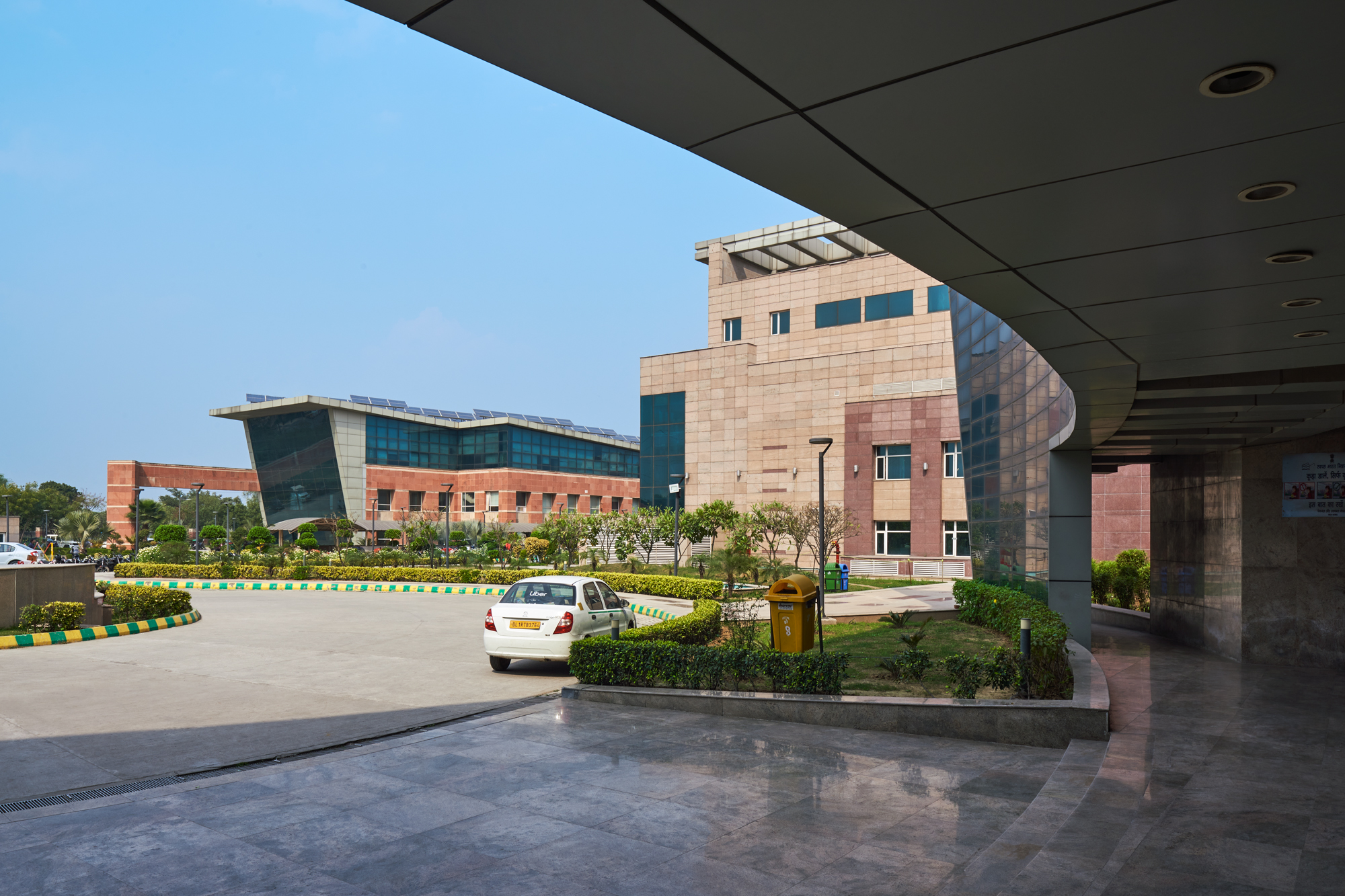
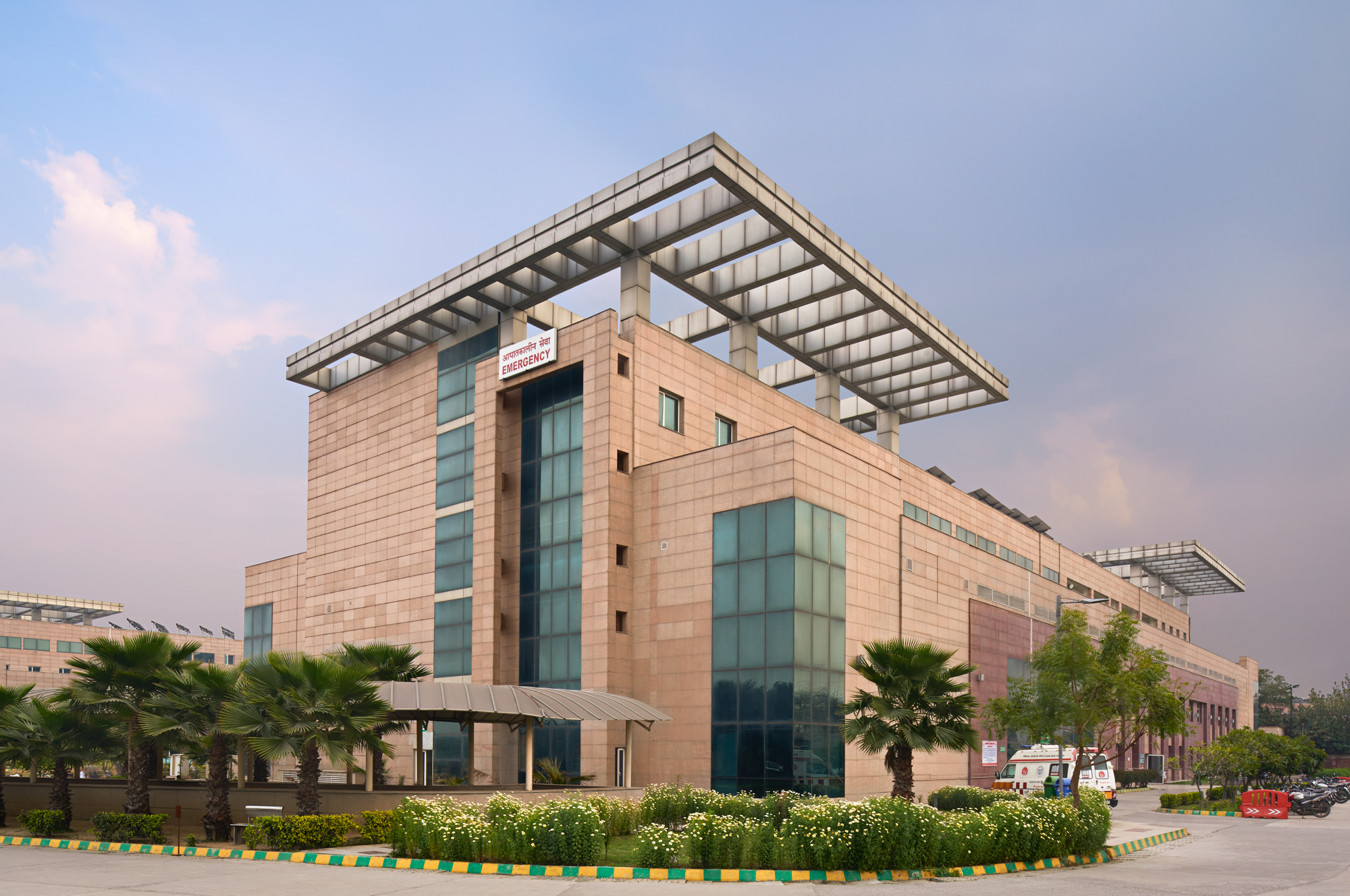
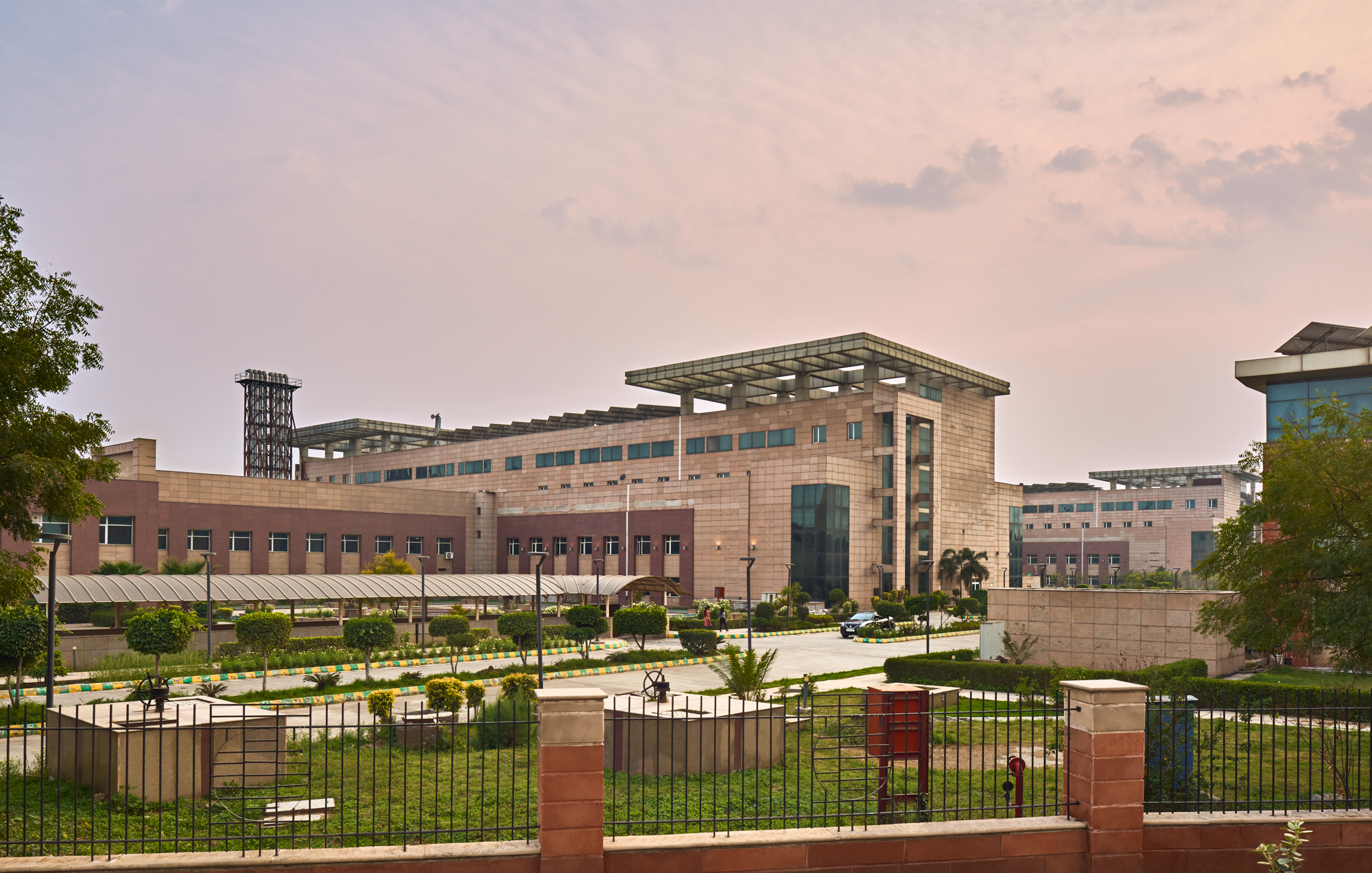
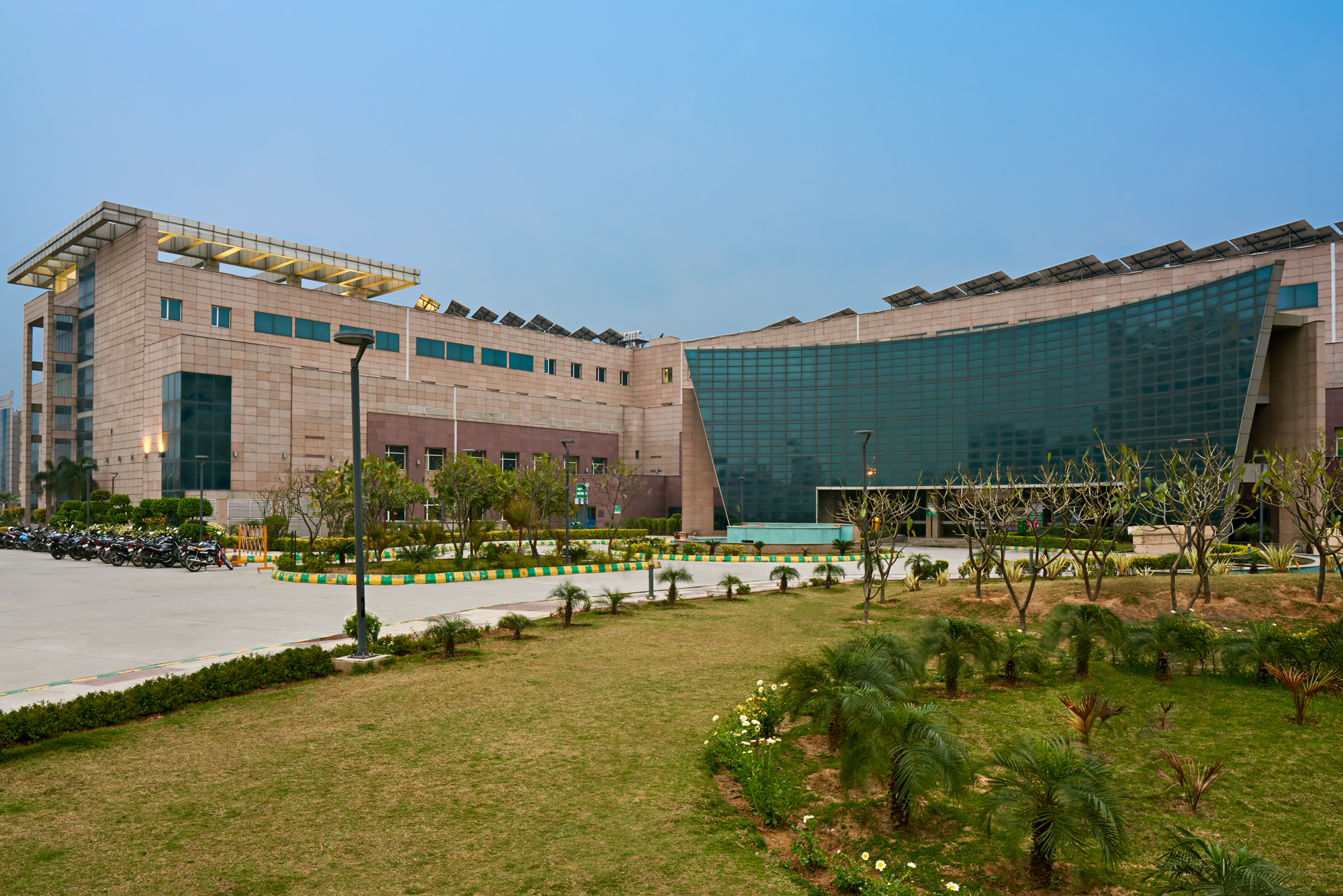
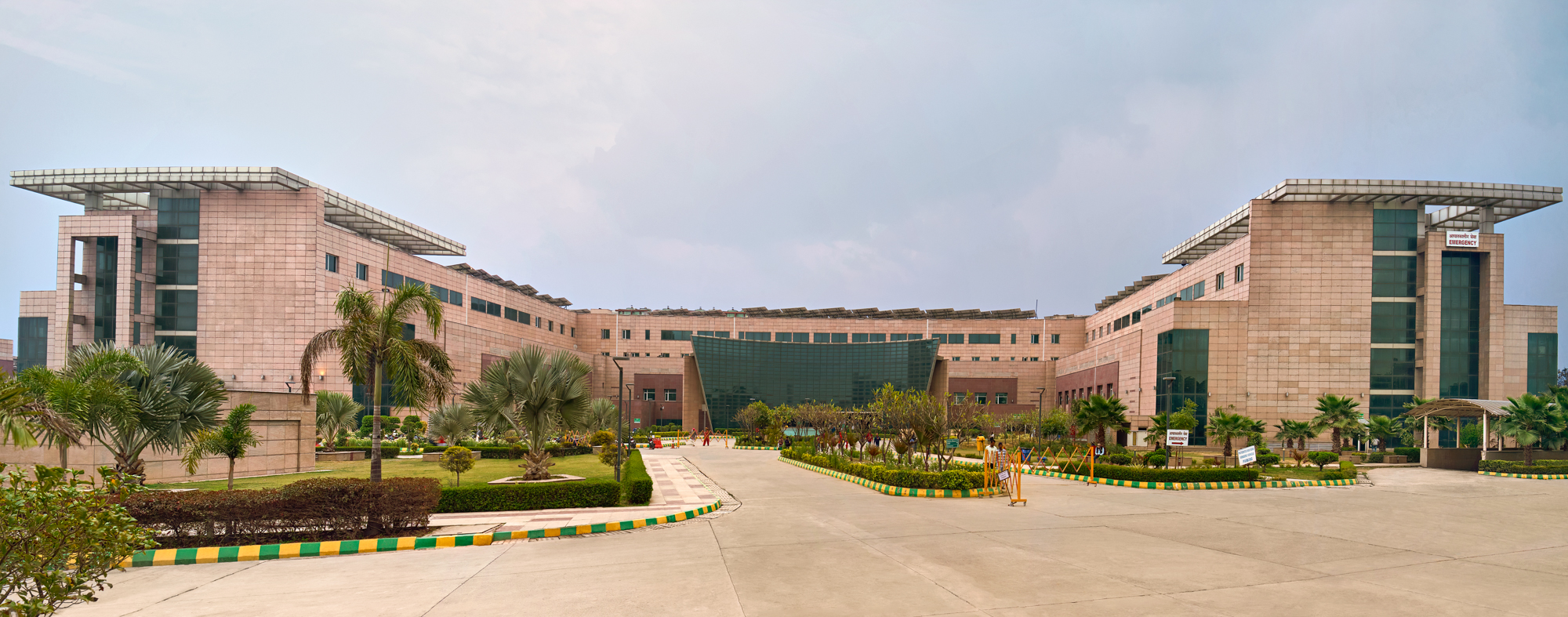
The Government Institute of Medical Sciences (GIMS) in Greater Noida is a landmark public healthcare and education project, designed by Vastunidhi Architects with a vision to integrate healing, learning, and sustainability into one cohesive built environment. Spread across 15 acres, the campus includes a 500-bed multi-specialty hospital, a medical college, residential facilities for staff and students, and the necessary supporting infrastructure. Every element has been consciously designed to respond to the needs of patients, students, healthcare professionals, and the environment at large.

Masterplanning Rooted in Nature: The campus masterplan is landscape-oriented and revolves around the idea that nature can play a profound role in healing. Instead of isolating the buildings, the design stitches the hospital, college, and allied blocks together through green buffers, shaded pedestrian walkways, and clear visual axes. Movement across the campus is intuitive, with corridors and shaded pathways ensuring comfort, accessibility, and connectivity. Thoughtfully placed seating zones, ramps for the differently-abled, and signage throughout the campus encourage walkability and reinforce inclusivity.

A Patient-Centric Hospital Design: At the heart of GIMS lies the 500-bed hospital, planned as a low-rise H-shaped structure. This specific geometry is not only efficient in terms of building services but also maximises exposure to daylight and ventilation. The form creates multiple courtyards, ensuring that every wing of the hospital receives natural light and views of green spaces. Patient rooms have been designed with large picture windows that offer serene views of the outdoors—helping foster a visual connection with nature, which has been proven to aid recovery. These rooms are also equipped with dedicated zones for family members, allowing them to stay overnight with patients, thus accommodating emotional and cultural needs.
The hospital features six state-of-the-art operating theatres, specialist imaging laboratories, and a comprehensive range of diagnostic and treatment zones. Zoning has been planned to separate public, sterile, and emergency circulation routes—streamlining patient movement while maintaining infection control. Waiting areas are designed as bright, open spaces with warm tones and a calming material palette, moving away from the cold sterility often associated with institutional healthcare.
Sustainability at Every Step: From day one, GIMS has been envisioned as a benchmark for environmentally conscious healthcare design. The project incorporates a dual plumbing system to use recycled water for toilet flushing, significantly reducing freshwater consumption. All wastewater is treated on-site and reused, resulting in a net-zero discharge campus. These water conservation strategies are integrated into the broader ecological design intent of the institution.
Natural ventilation is prioritised over forced systems, especially in staircases and secondary service areas. Intelligent Building Management Systems (BMS) monitor and optimise HVAC, lighting, and water usage. Intelligent air conditioning systems, zoned for operational efficiency, help maintain thermal comfort while keeping energy consumption low.

Building orientation is optimised to receive glare-free natural light, and common areas are equipped with daylight sensors to automatically regulate artificial lighting. The emphasis is not just on reducing resource consumption, but on creating a comfortable, healthy environment for occupants—patients, doctors, students, and staff alike.
Green Materials and Low Impact Construction: The choice of construction materials reflects the project’s environmental ethos. Ready-mix concrete with fly ash or GGBS has been used to reduce embodied carbon, while fly ash bricks and Aerocon panels provide both strength and thermal insulation. Partition walls include salvaged or recycled materials, including reused stone and wooden frames from other projects. For road construction in low-traffic zones, M5 concrete has been used in place of conventional pavers, ensuring long-term durability and dust reduction.
External walls and roofs are treated with high Solar Reflective Index (SRI) paints to lower heat gain. Interior finishes use low-VOC (Volatile Organic Compounds) paints, adhesives, and sealants, ensuring healthier indoor air quality and enhancing the overall wellbeing of the occupants.
Smart Energy Conservation Measures: Energy efficiency is deeply embedded in the operational strategy of GIMS. The campus uses energy-efficient light fixtures, along with ISI and BEE-rated pumps, motors, and internal systems. Common areas and outdoor lighting are regulated through daylight and motion sensors. Backup power systems include CPCB-certified DG sets that meet emission and noise standards. Substations are equipped with power factor correction devices to ensure maximum efficiency in electrical consumption.
The energy performance of the buildings is further supported through passive solar design, shading elements, and the use of double-glazed units (DGUs) to minimise heat ingress. Altogether, these measures significantly reduce the building’s dependence on non-renewable energy sources.
A Campus That Encourages Movement and Community
GIMS is not just a functional institution—it is a living, breathing campus that promotes physical activity, community interaction, and social wellbeing. Walkways have been designed around landscaped greens, with shaded paths and benches that offer comfort and respite. Sitting areas placed strategically along the movement paths encourage moments of pause and interaction, especially important in a setting that blends medical care with learning.
In addition, the hospital and academic blocks have been designed with wide corridors, ramps, and accessible entrances to ensure smooth movement for all, including patients, caregivers, and people with disabilities. The pedestrian-friendly layout reinforces the importance of wellness beyond clinical care.
The medical college within GIMS has been designed with a clear focus on academic excellence, practical exposure, and student wellbeing. It houses digitally enabled lecture halls, seminar rooms, libraries, and student lounges that create a vibrant learning environment. All academic departments are equipped with dedicated laboratories tailored to the curriculum—ranging from anatomy and microbiology to pharmacology and physiology.
Each laboratory includes a clearly designated teaching zone, a preparation room for facilitators, and fully equipped workstations for practical demonstrations. Designed with warm hues and ample daylight, these laboratories blur the line between the outdoors and indoors creating a visually stimulating and psychologically uplifting environment for medical students.
Built on the Green Concept
GIMS adopts an integrated green building approach that reduces or eliminates the negative impact of buildings on the environment and occupants. Sustainable site planning, passive solar design, the use of recyclable products, clean and renewable energy systems, and comprehensive water and waste management strategies are fundamental to the design. The overarching goal is not only environmental conservation but also the health and wellbeing of all who inhabit the campus.
By incorporating these strategies, GIMS stands as a powerful example of how government institutions can be designed not just for service delivery, but also for ecological balance and human dignity.
With its deep integration of sustainable design, human-focused healthcare planning, and future-ready educational infrastructure, the Government Institute of Medical Sciences redefines the idea of public medical institutions in India. It demonstrates how thoughtful design—when aligned with purpose, people, and the planet—can create environments that do far more than just function. GIMS is a place where healing is holistic, learning is empowering, and every detail is guided by compassion and intelligence. Through Vastunidhi Architects’ vision, this project becomes a living blueprint for institutions of tomorrow.
Project Gallery:
Cite: “Government Institute of Medical Sciences, Greater Noida / Vastunidhi Architects” 4 December 2025. GLSN. Accessed . https://theglsn.com/government-institute-of-medical-sciences-greater-noida-vastunidhi-architects/