
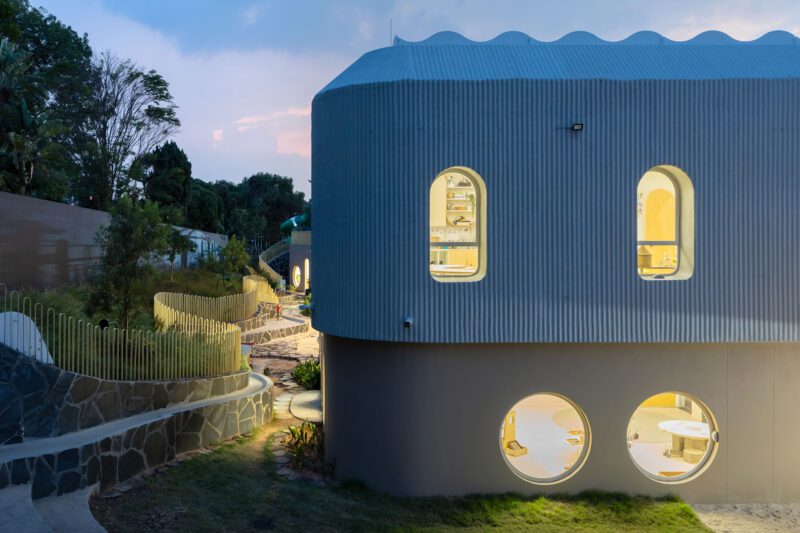
Shared by the architects upon our invitation.

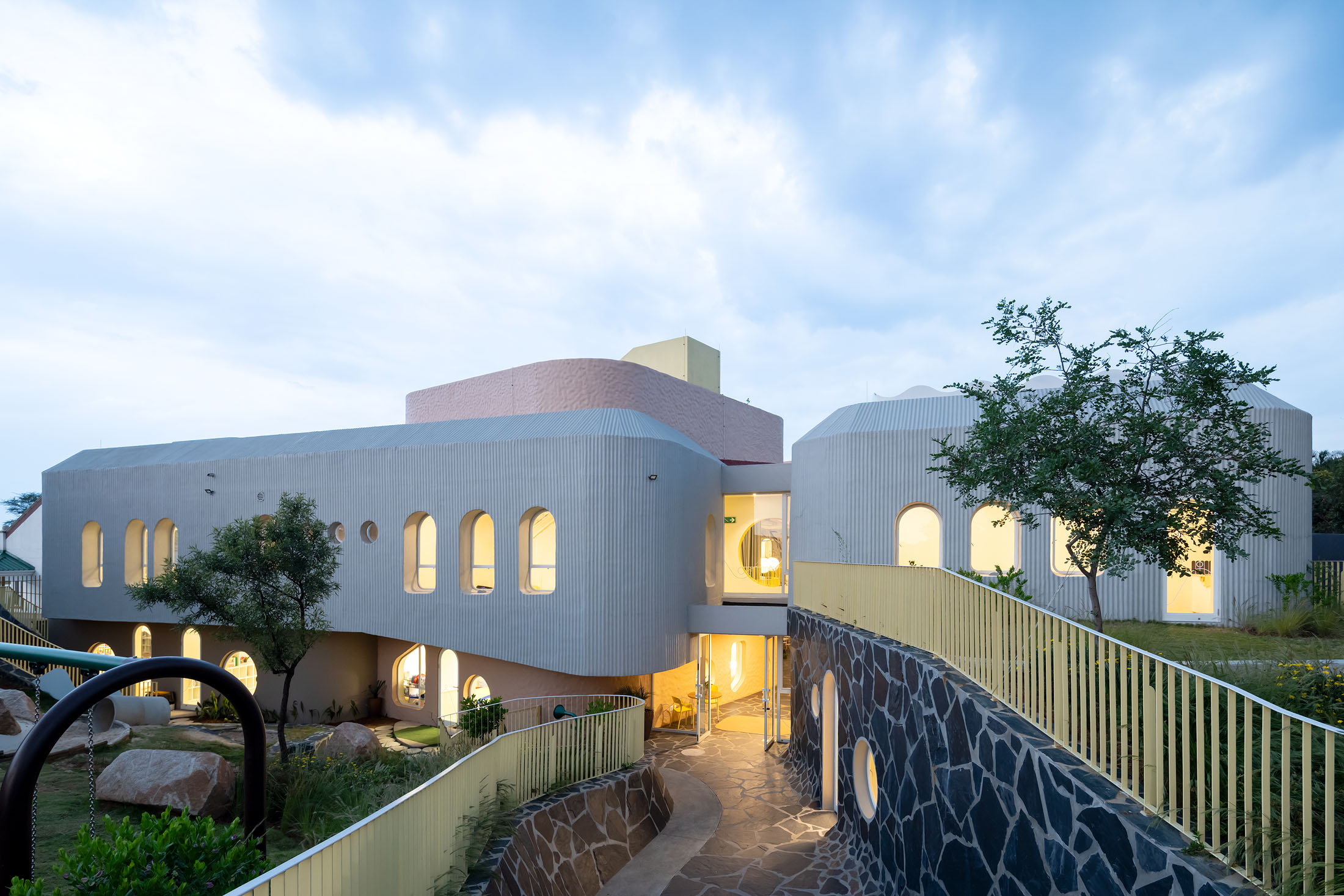
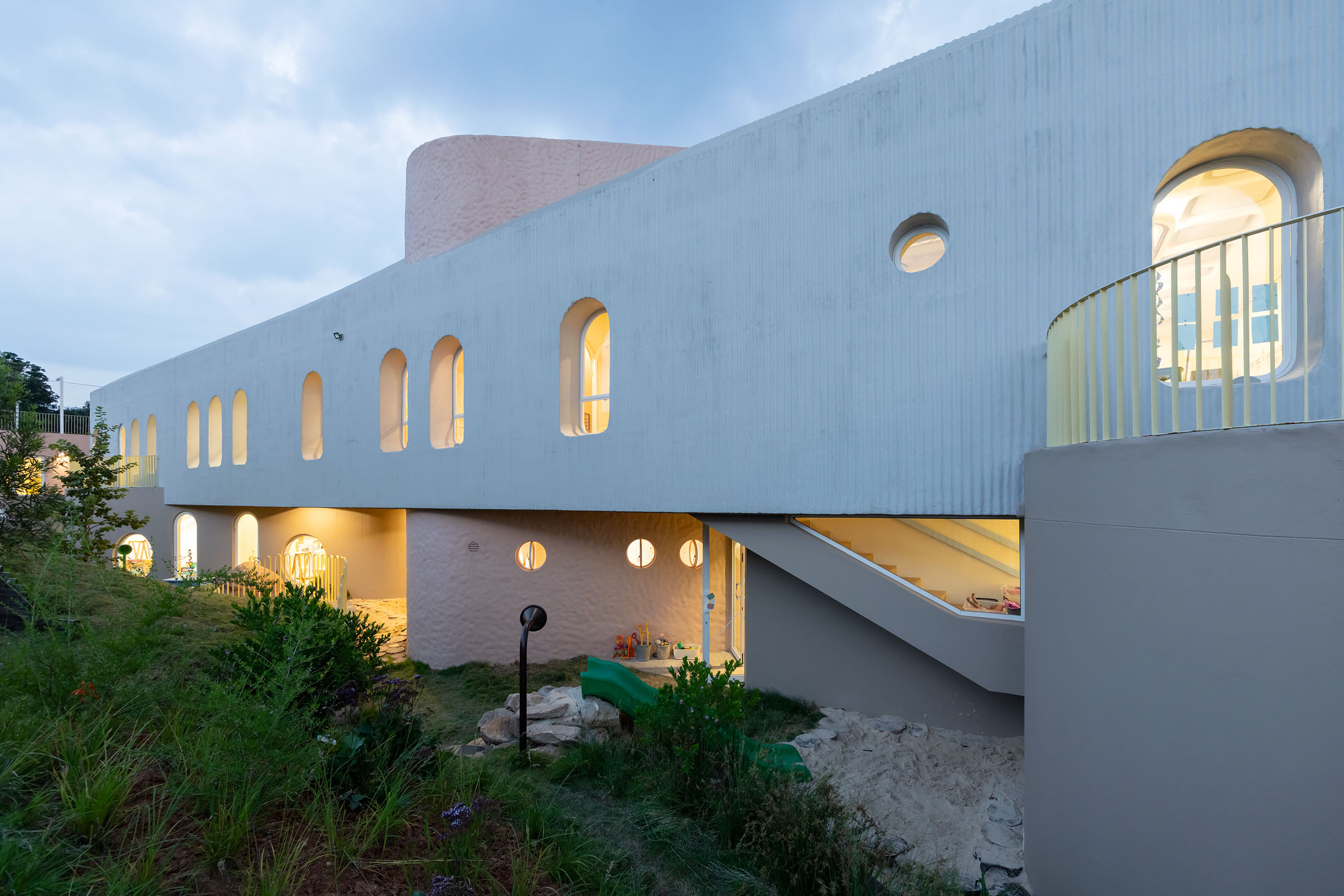
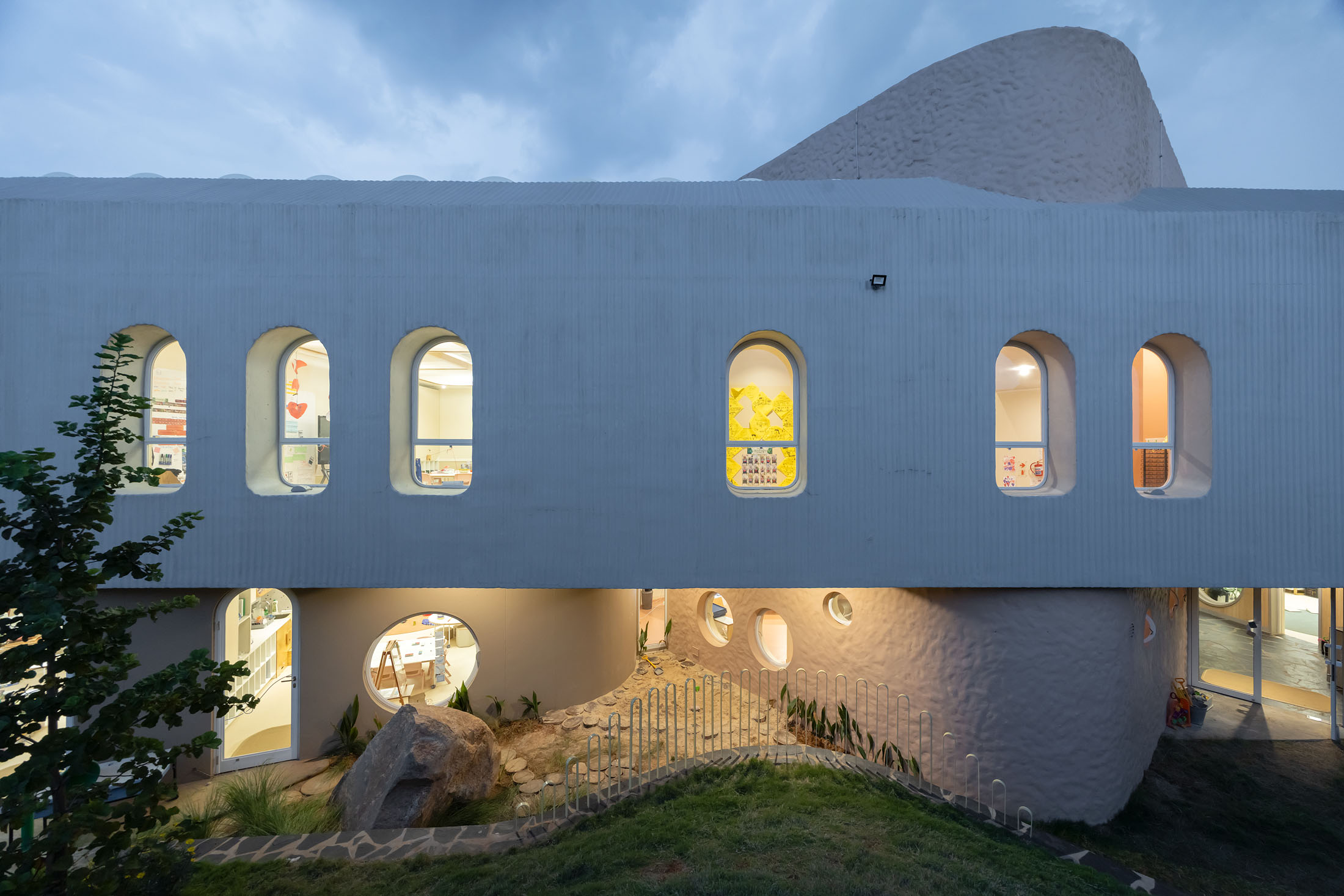
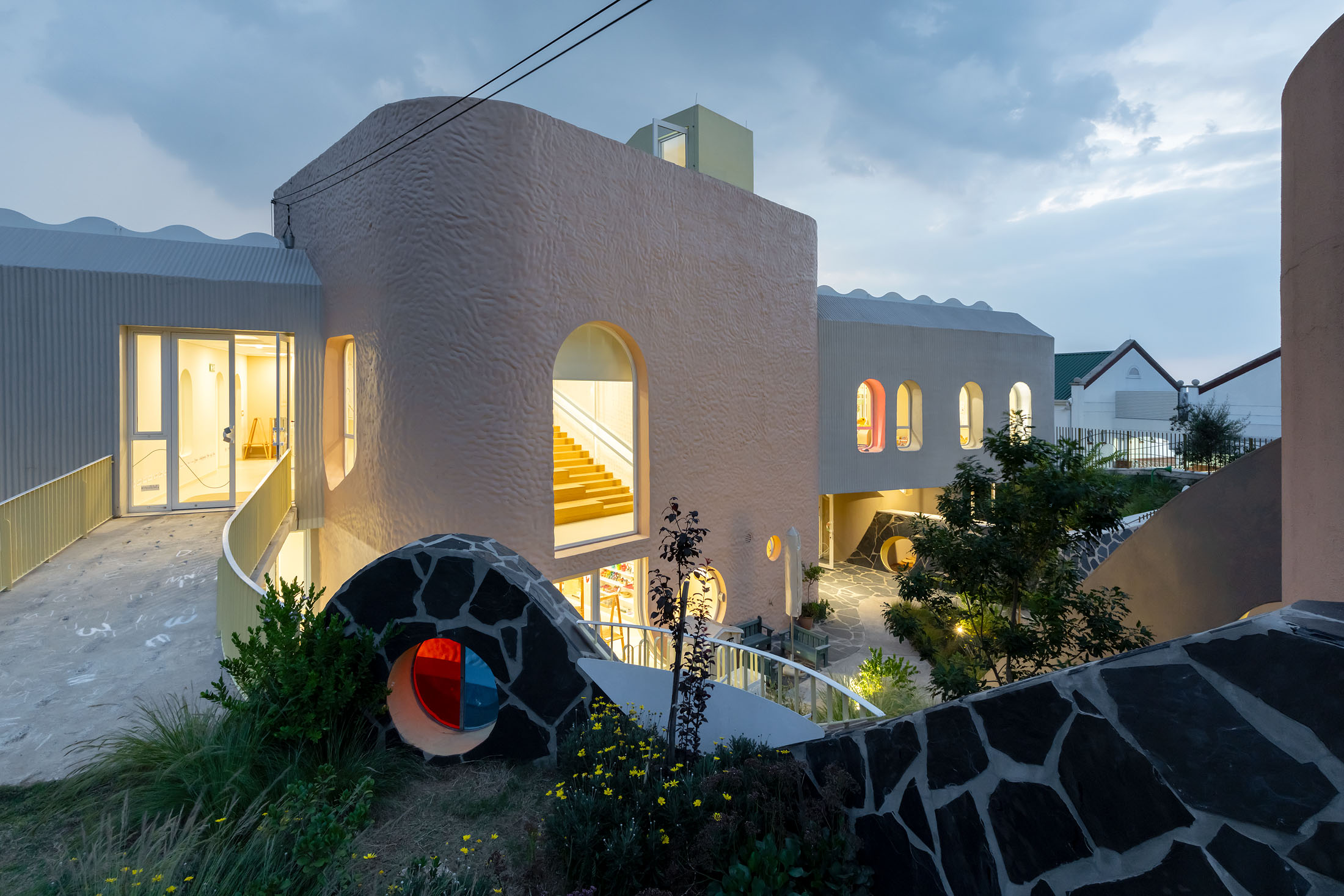
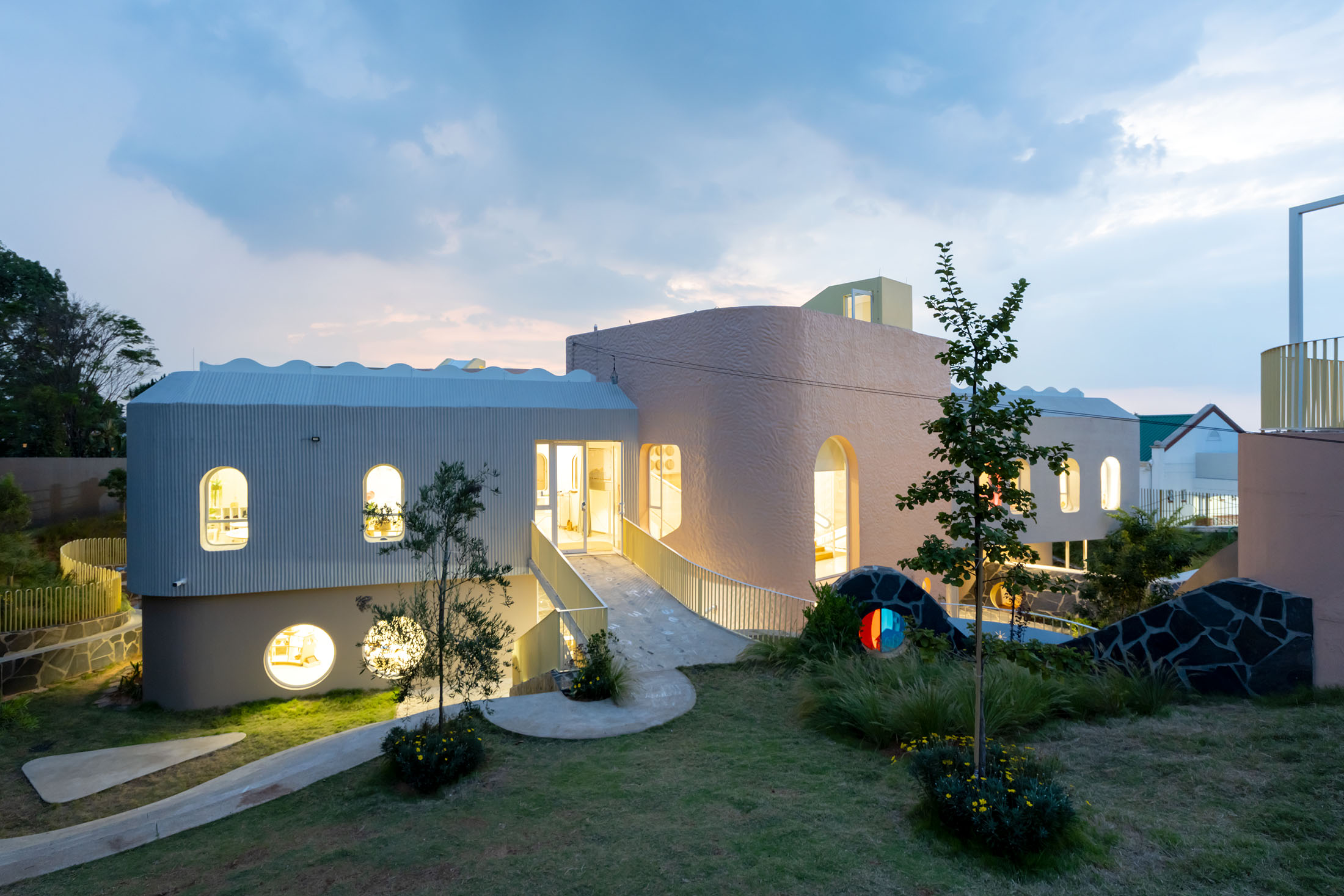
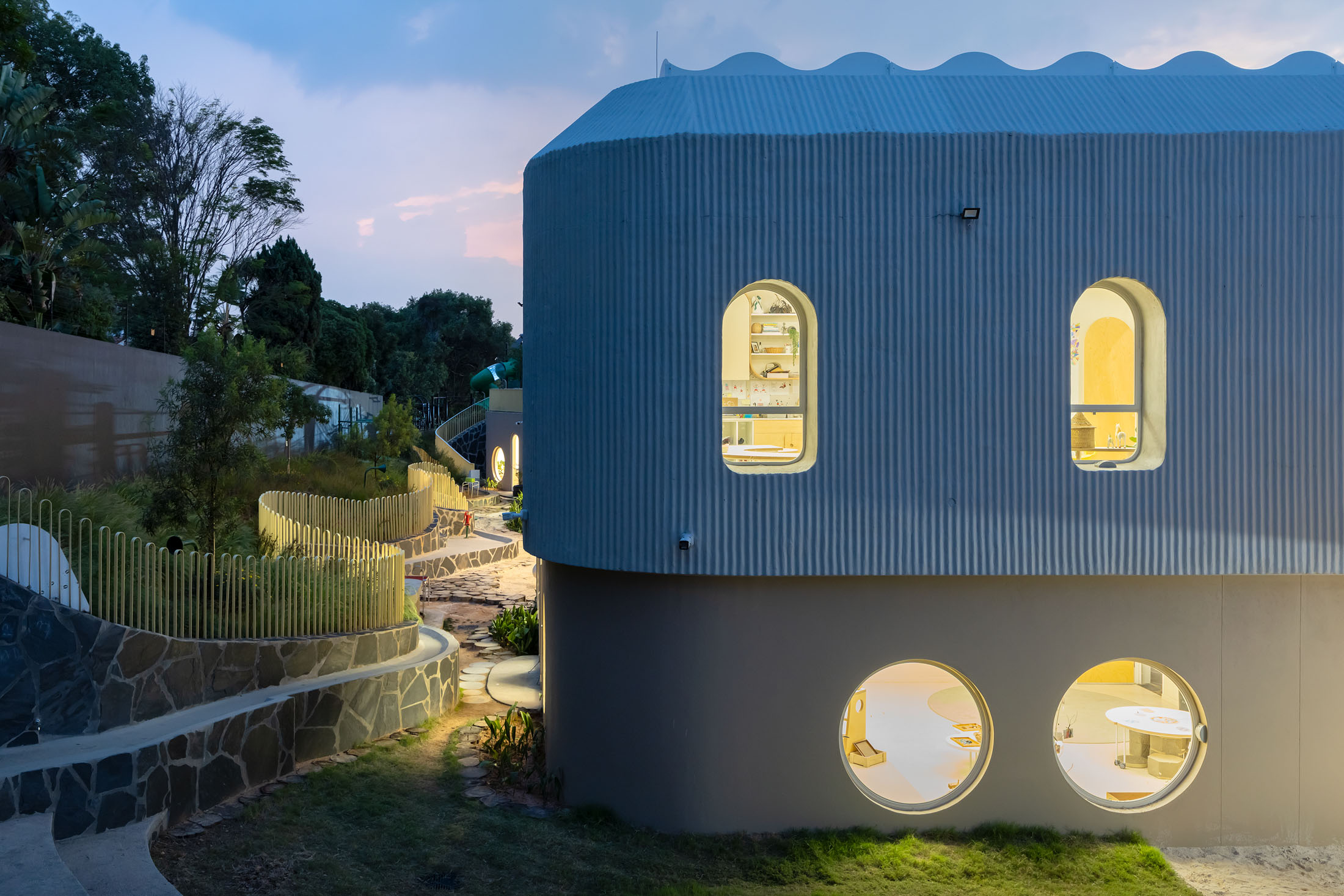
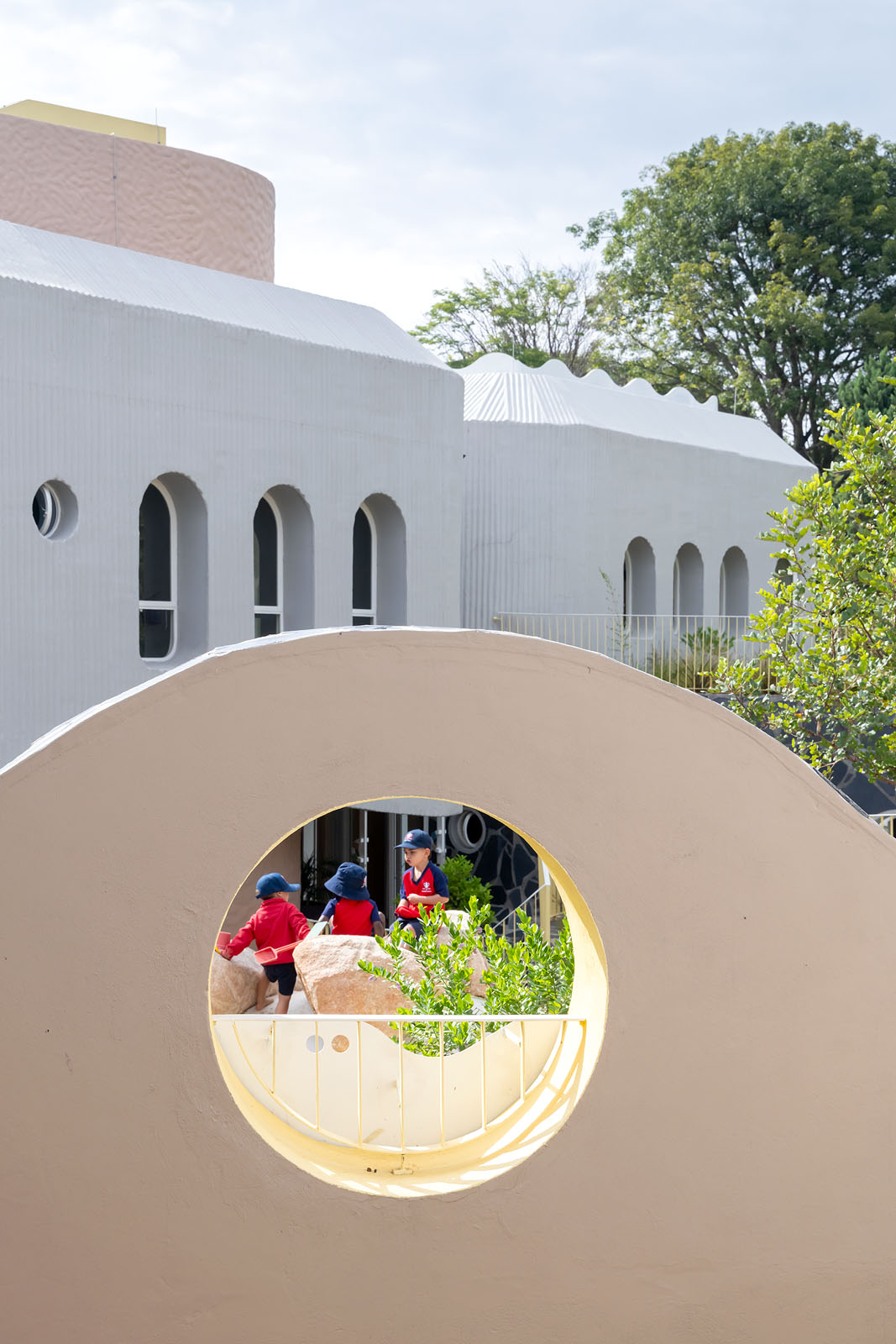
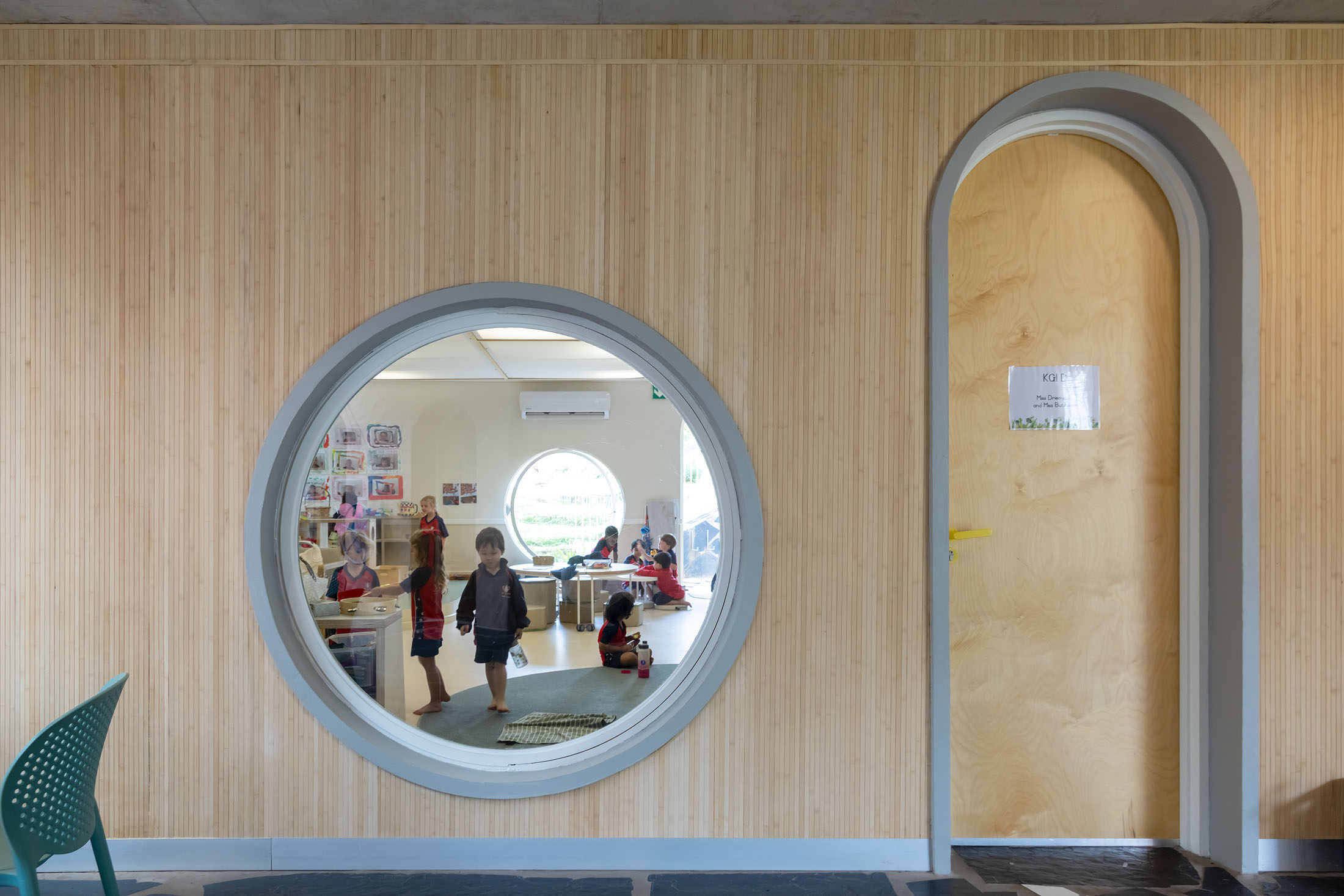
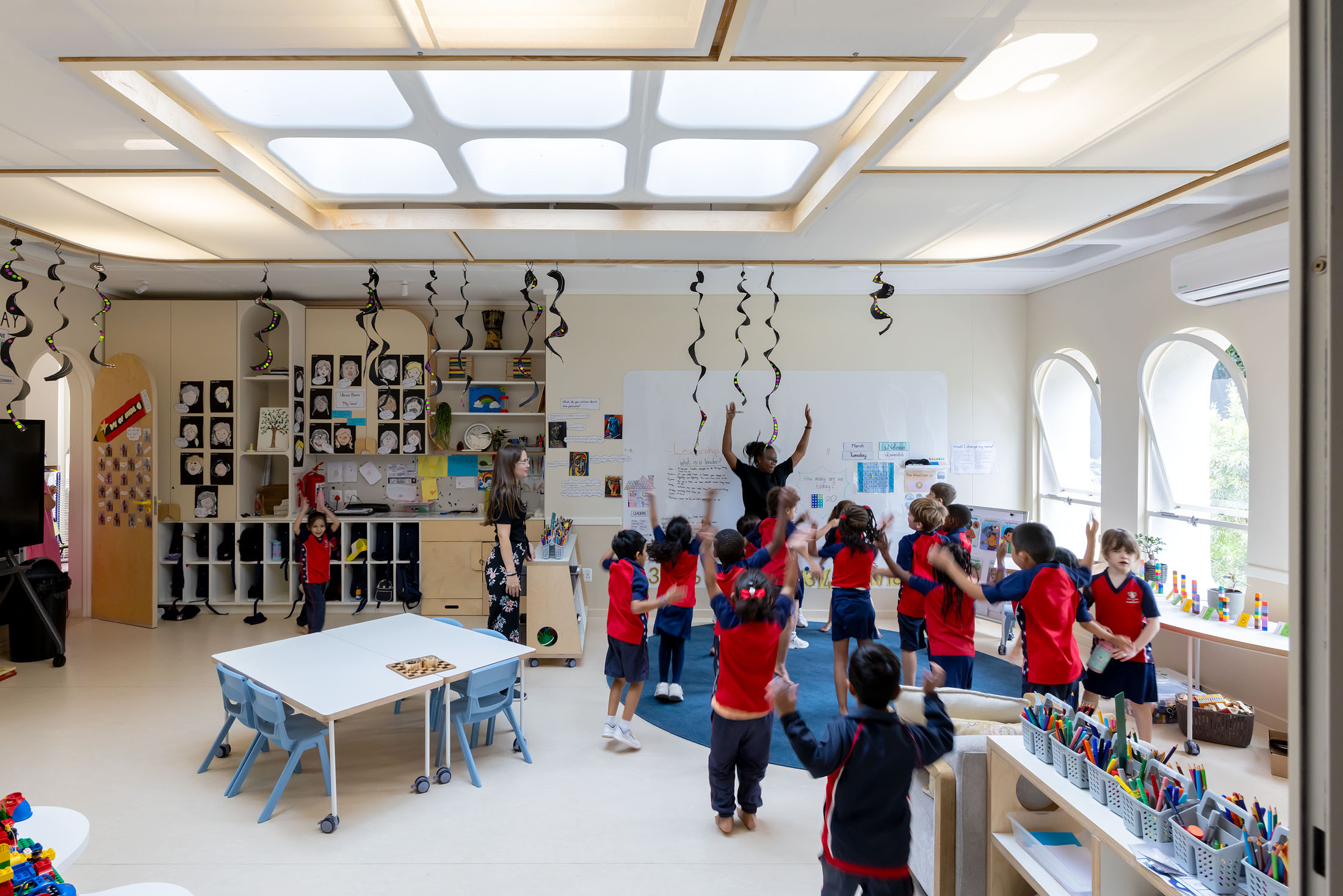
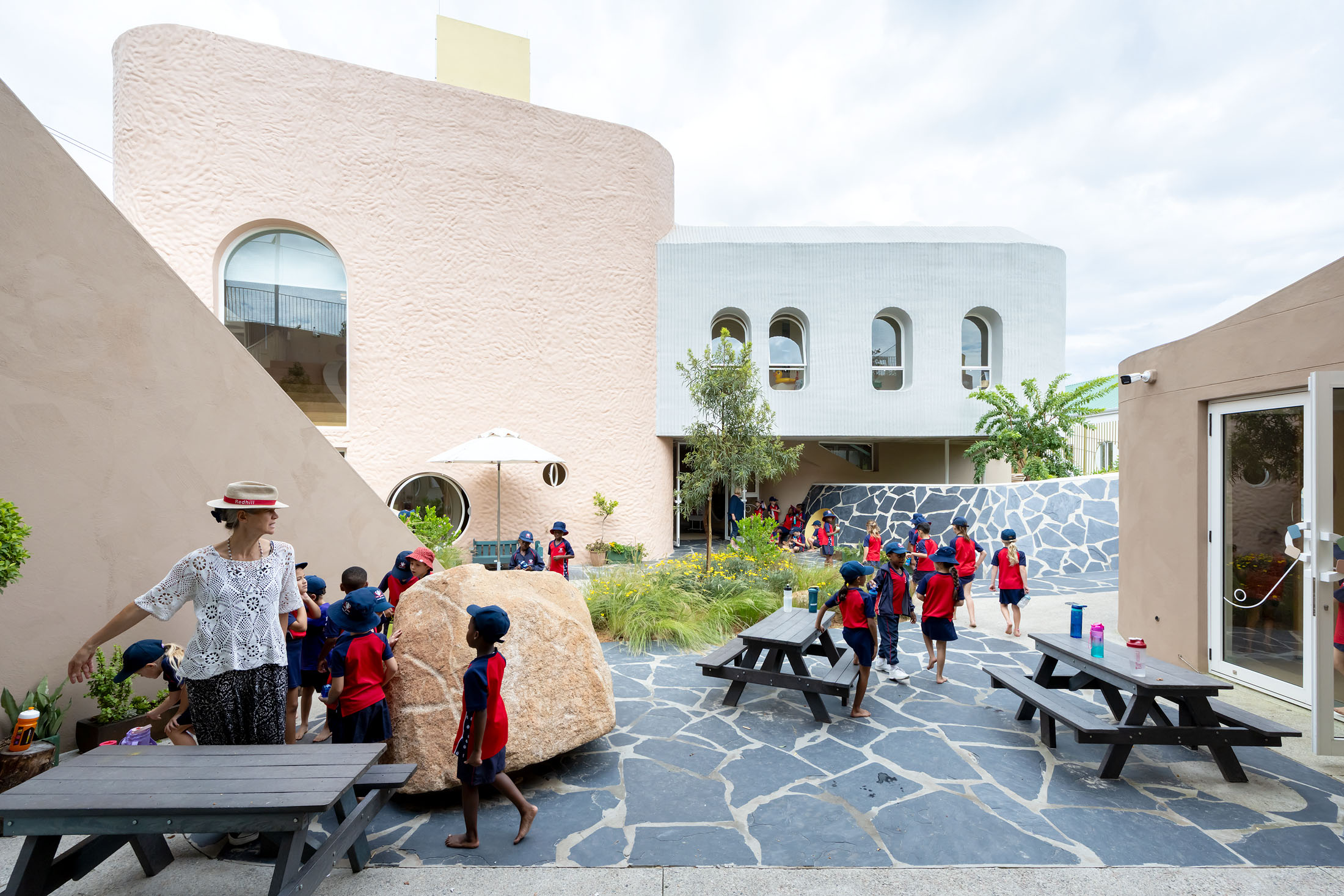
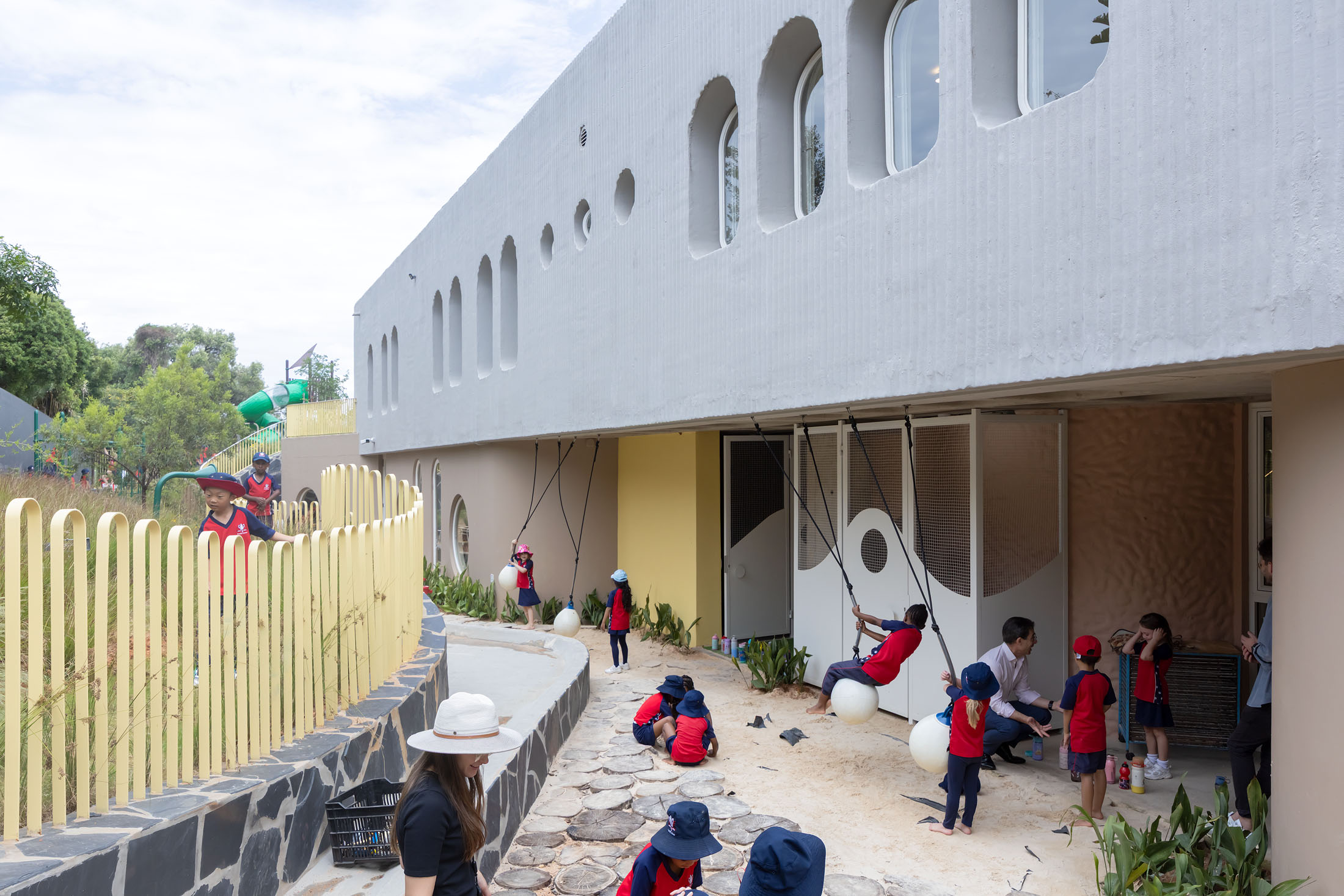
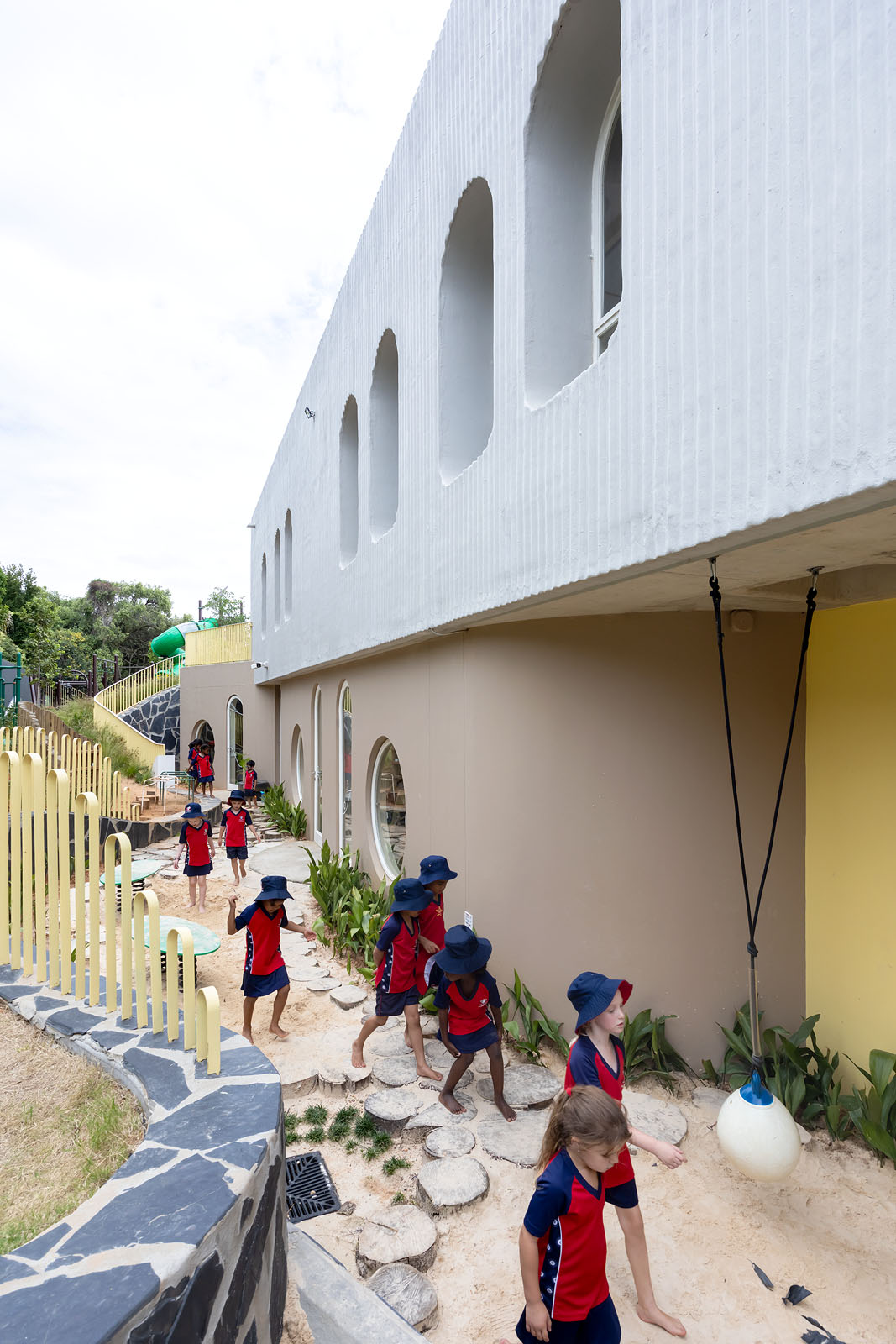
The Redhill Early Learning Centre is the authentic combination of ambitious educational philosophy and process- driven architectural innovation. Inspired by the Reggio Emilia approach – a philosophy that views children as active contributors and researchers within society – the architecture places children at the centre of a collaborative learning environment. With built form operating not only as a container but as an active third teacher- learning happens in networks of spaces.
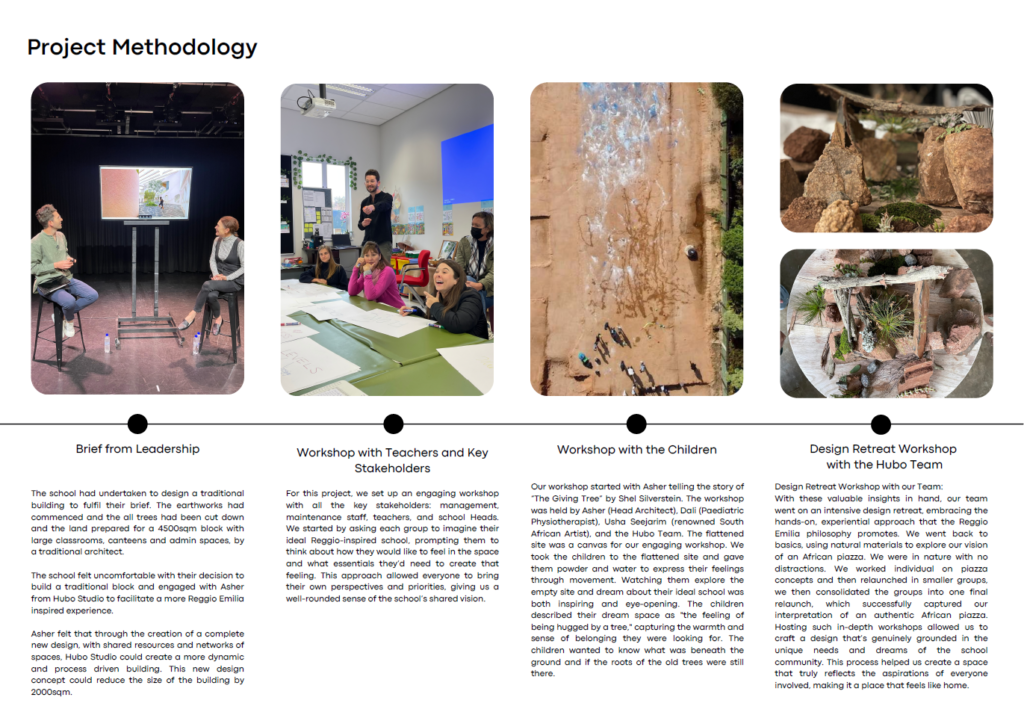
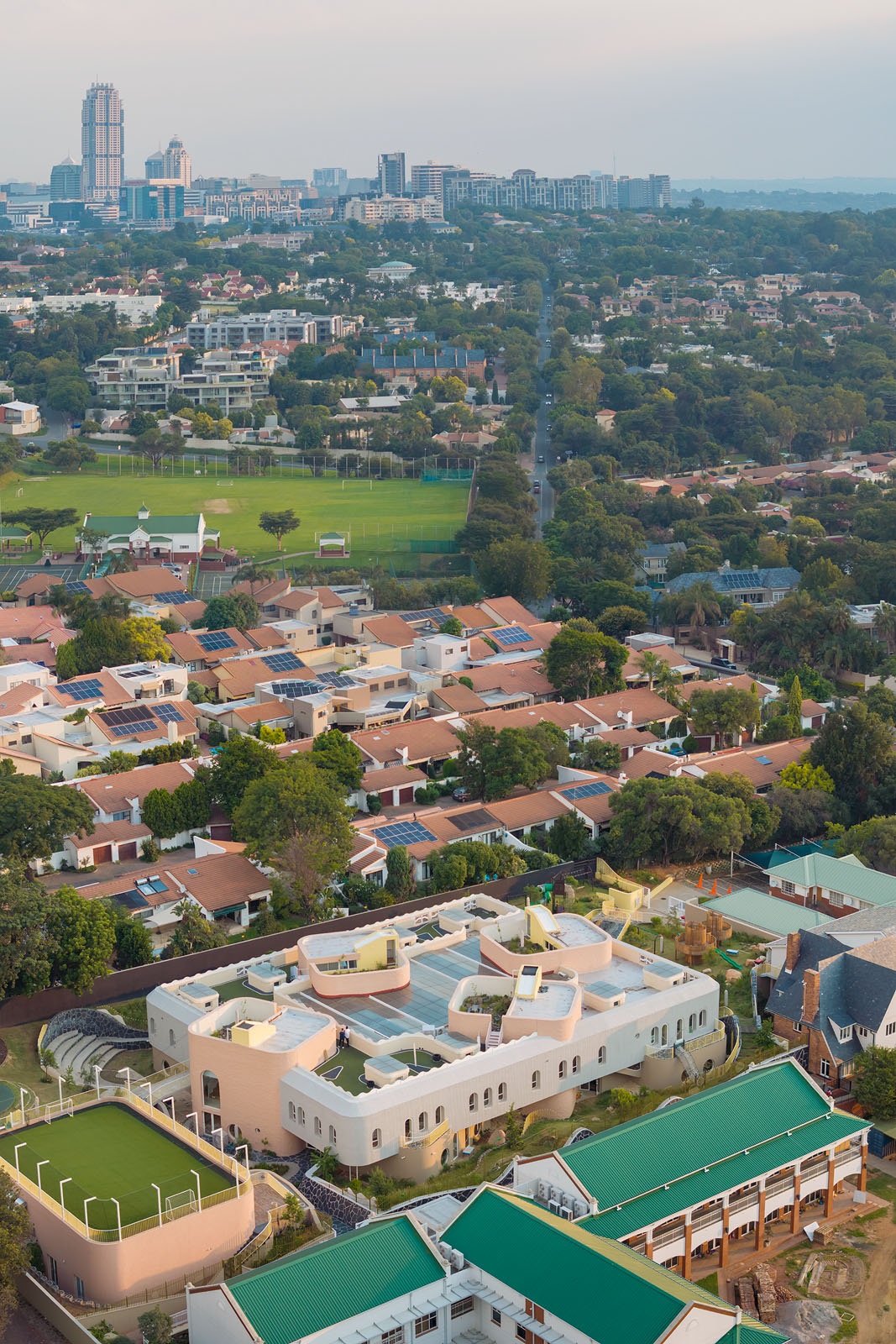
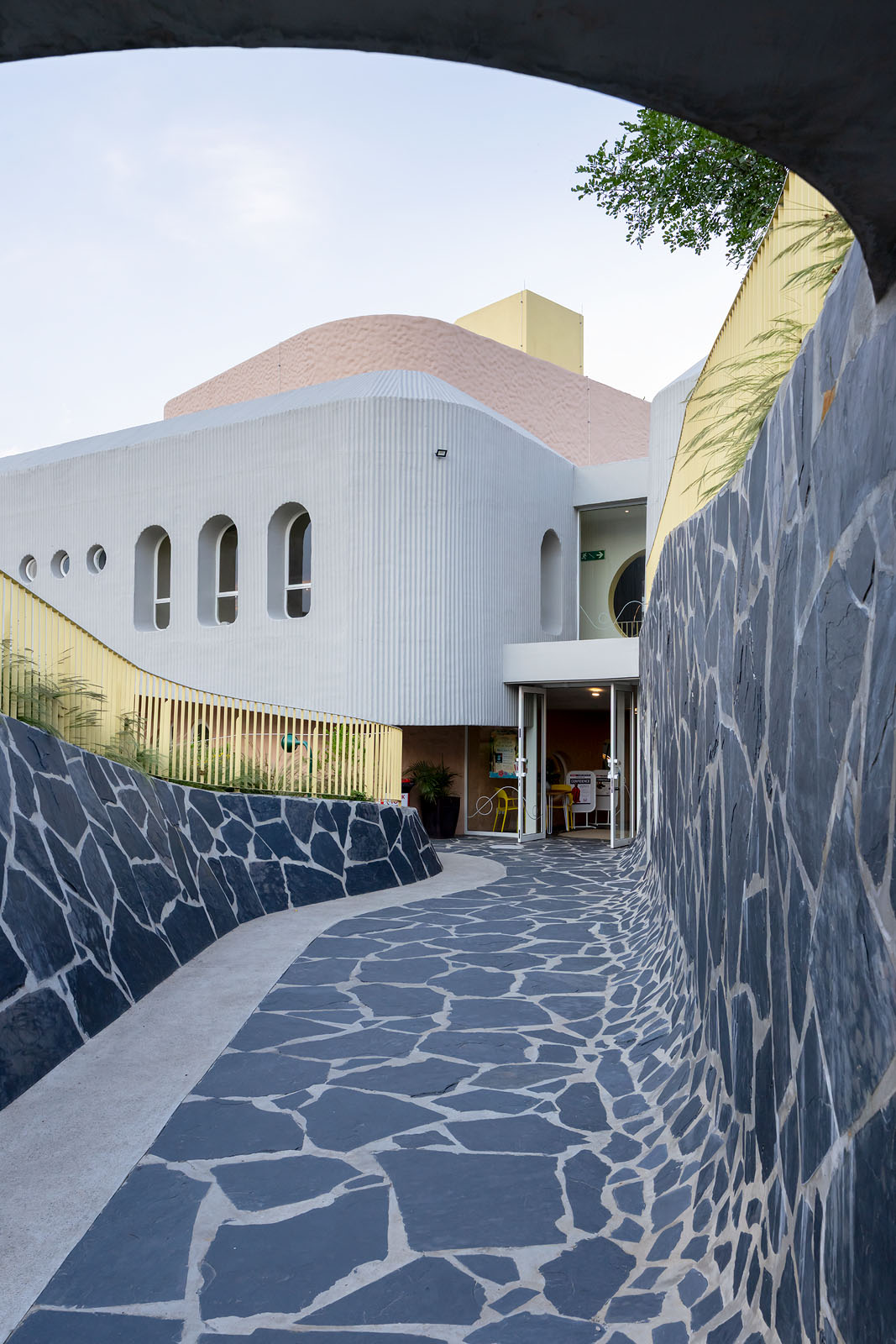
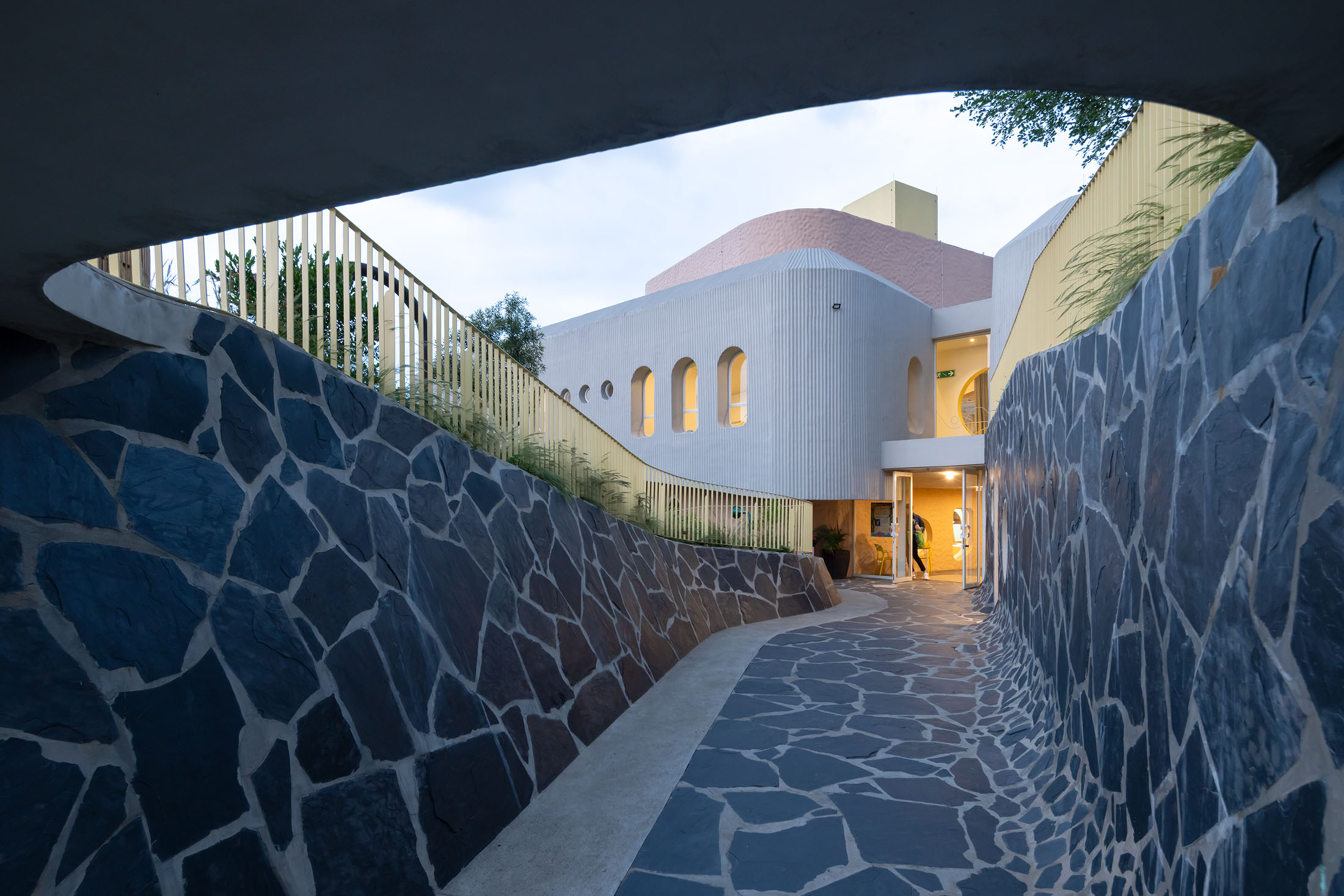
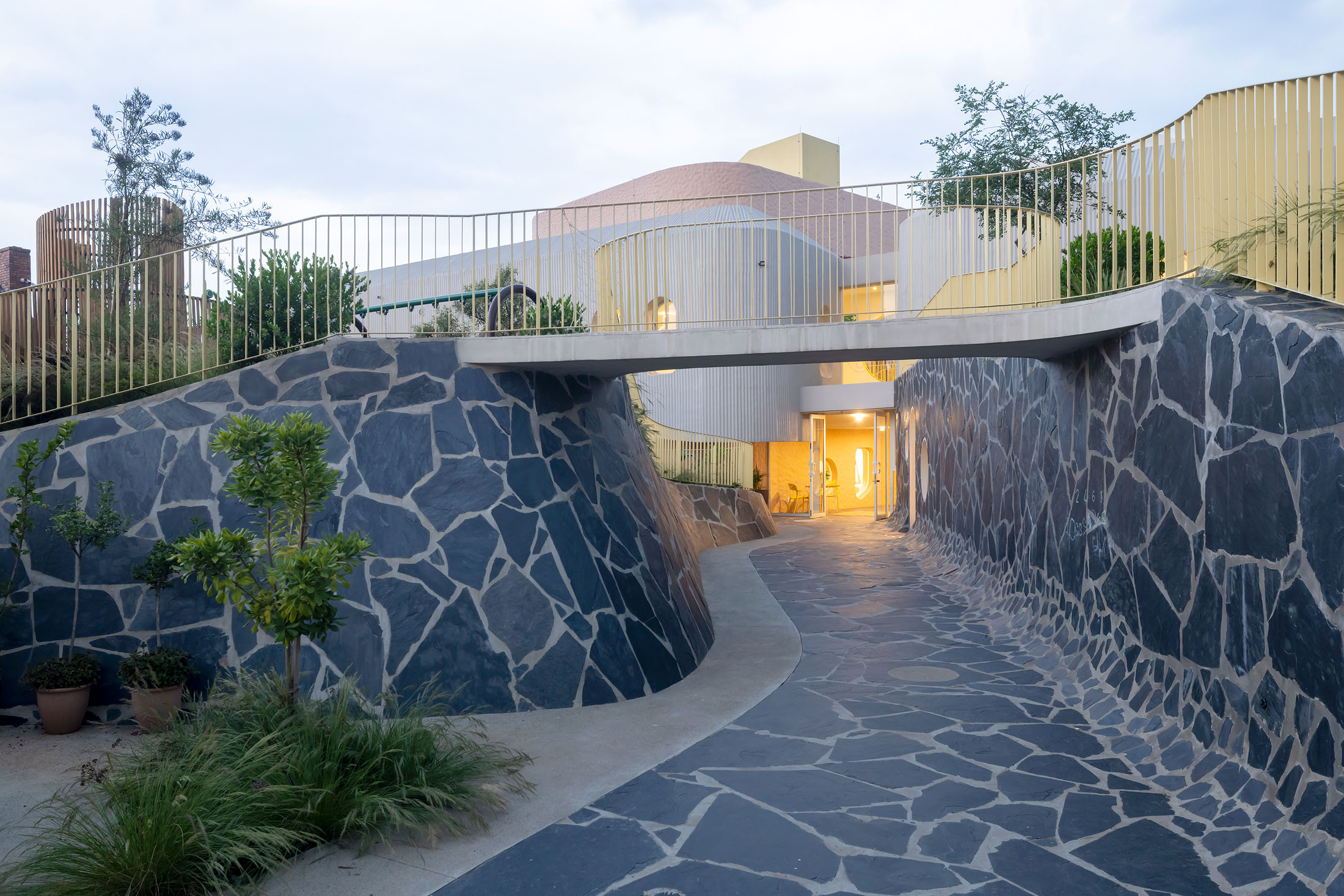
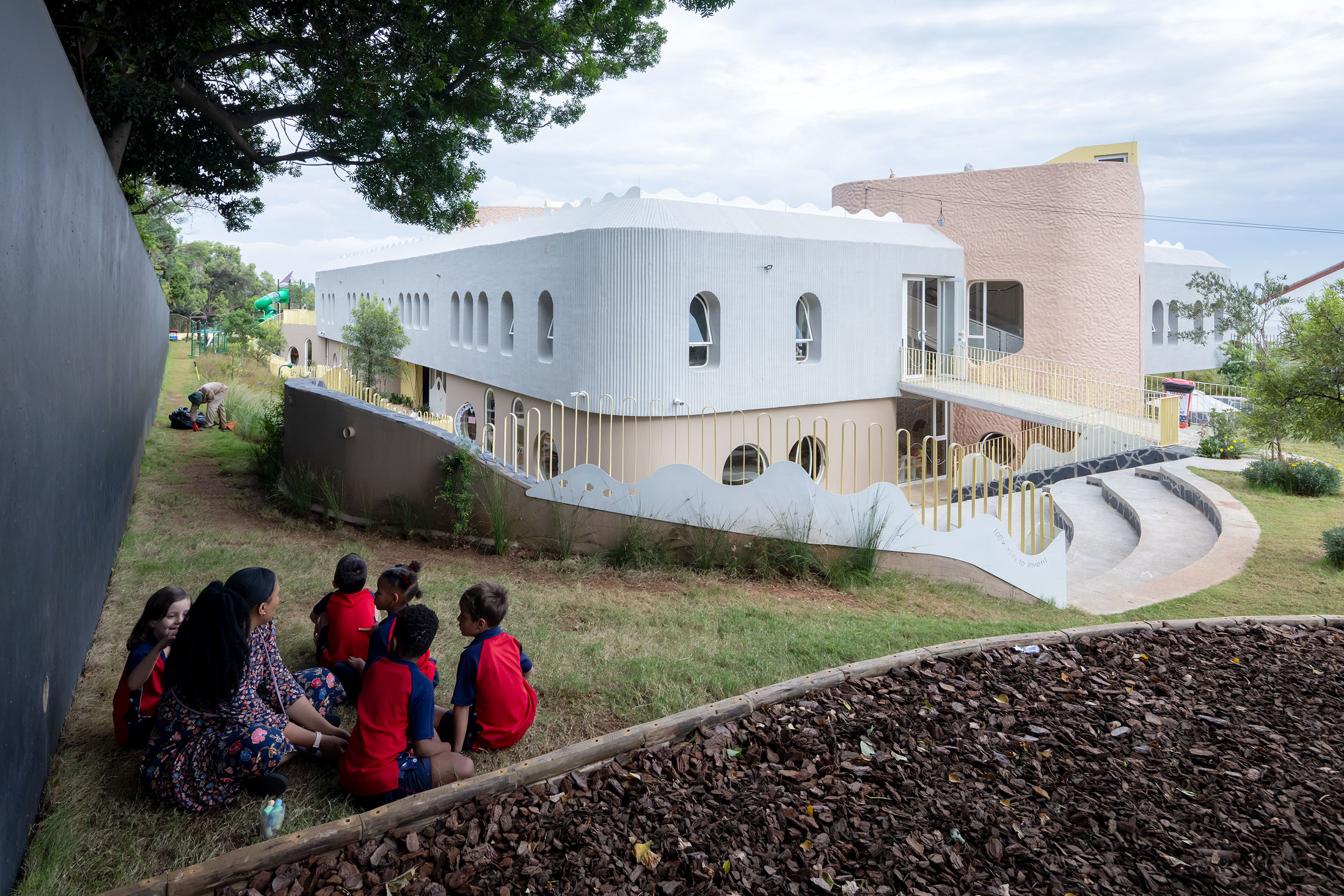
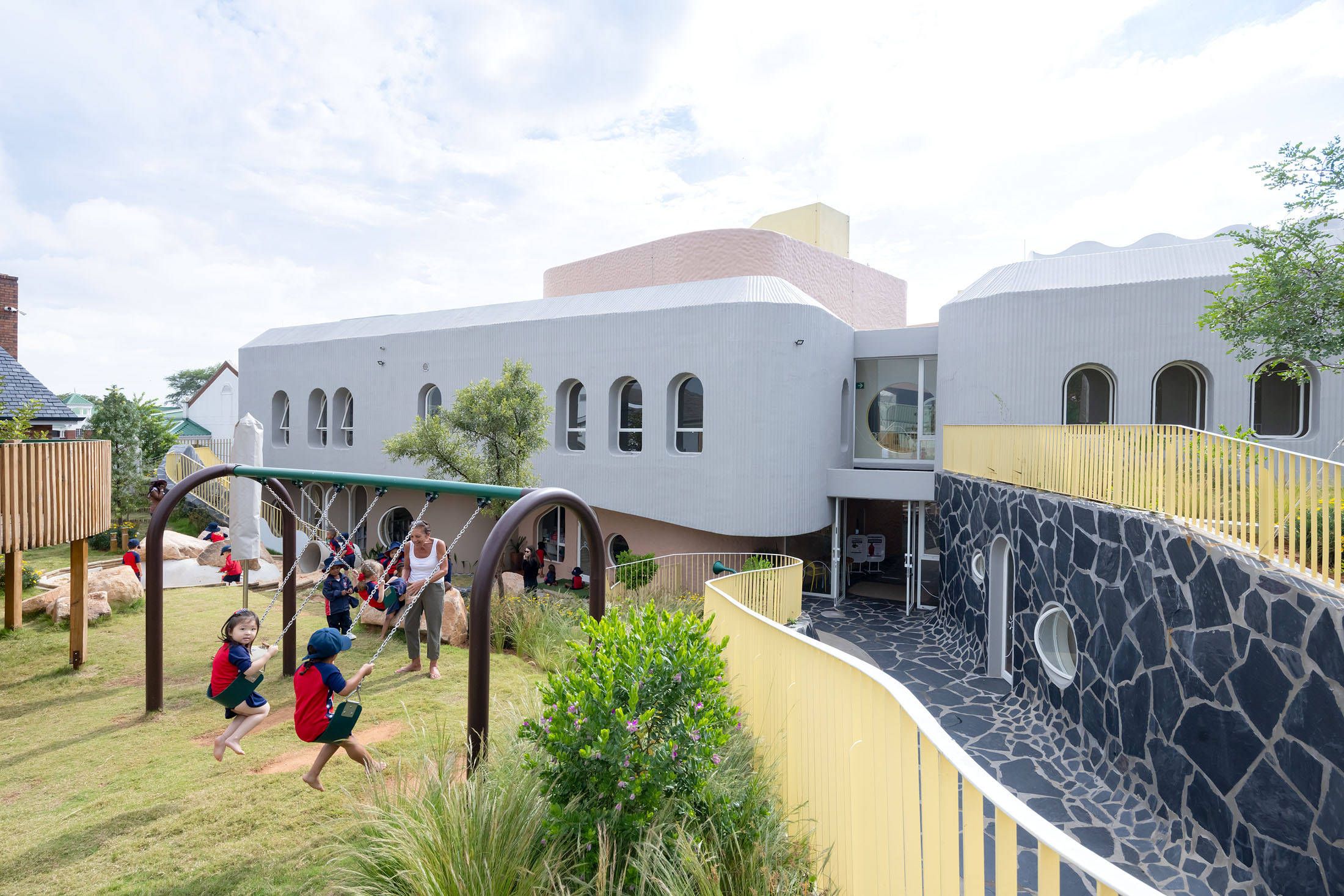
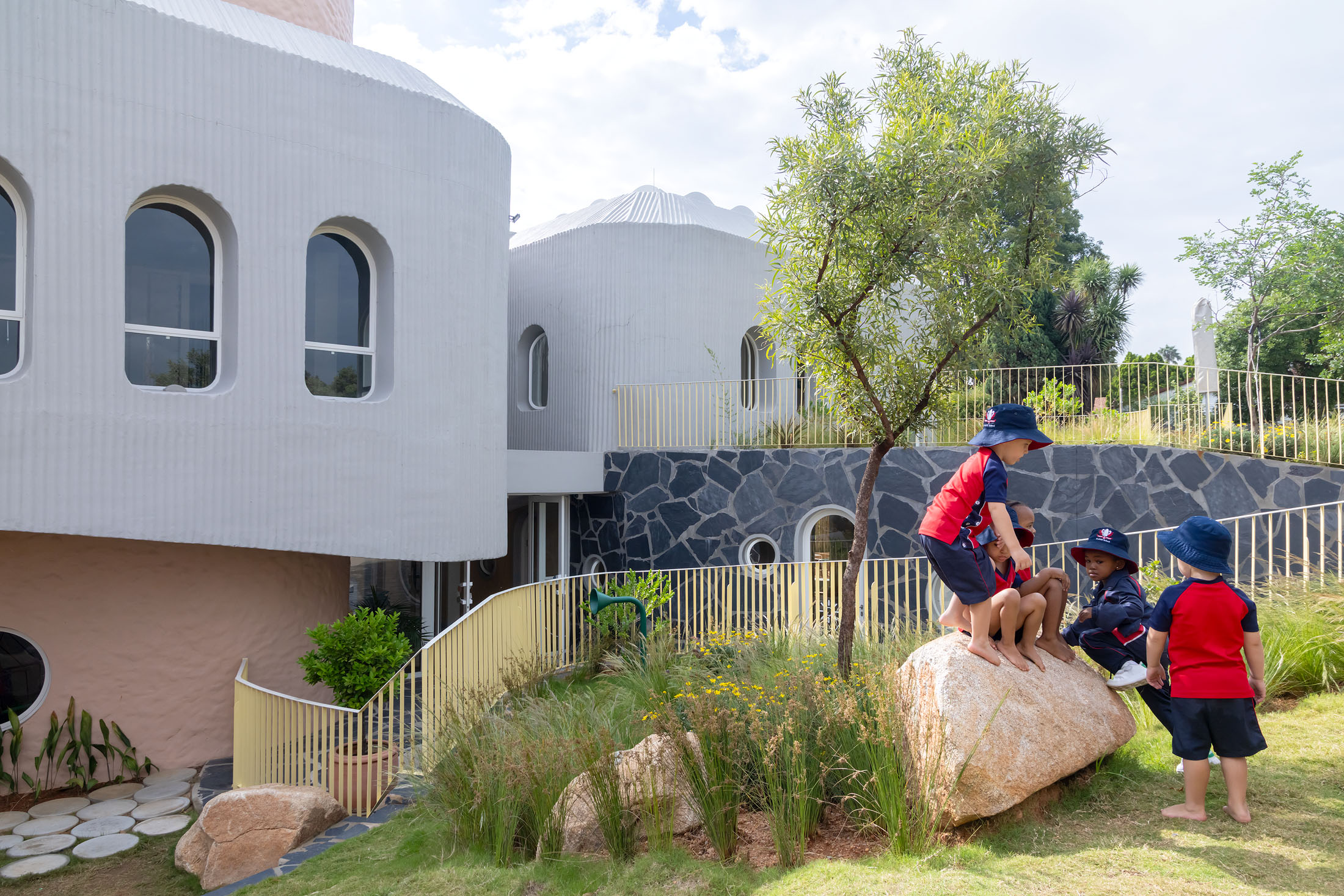
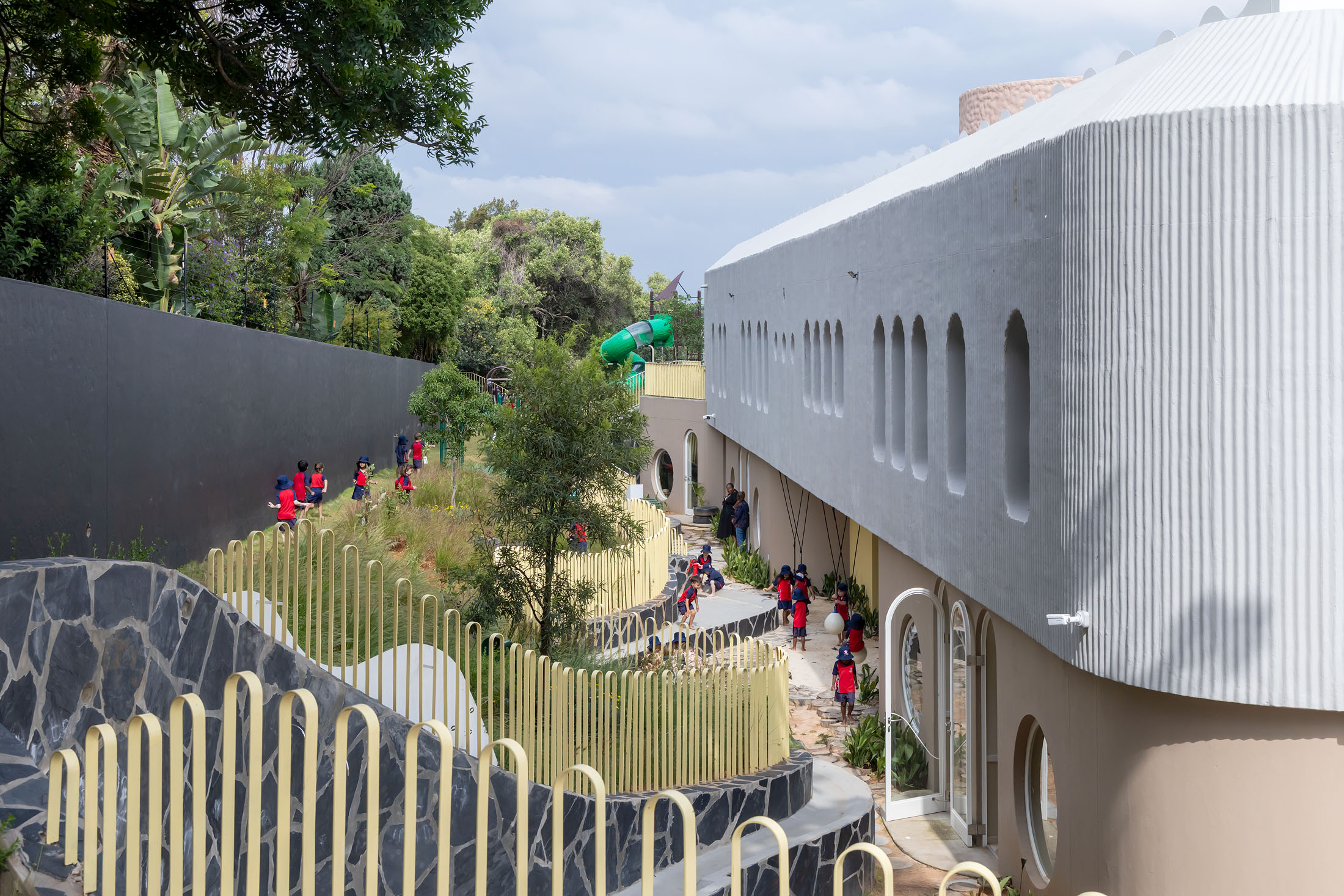
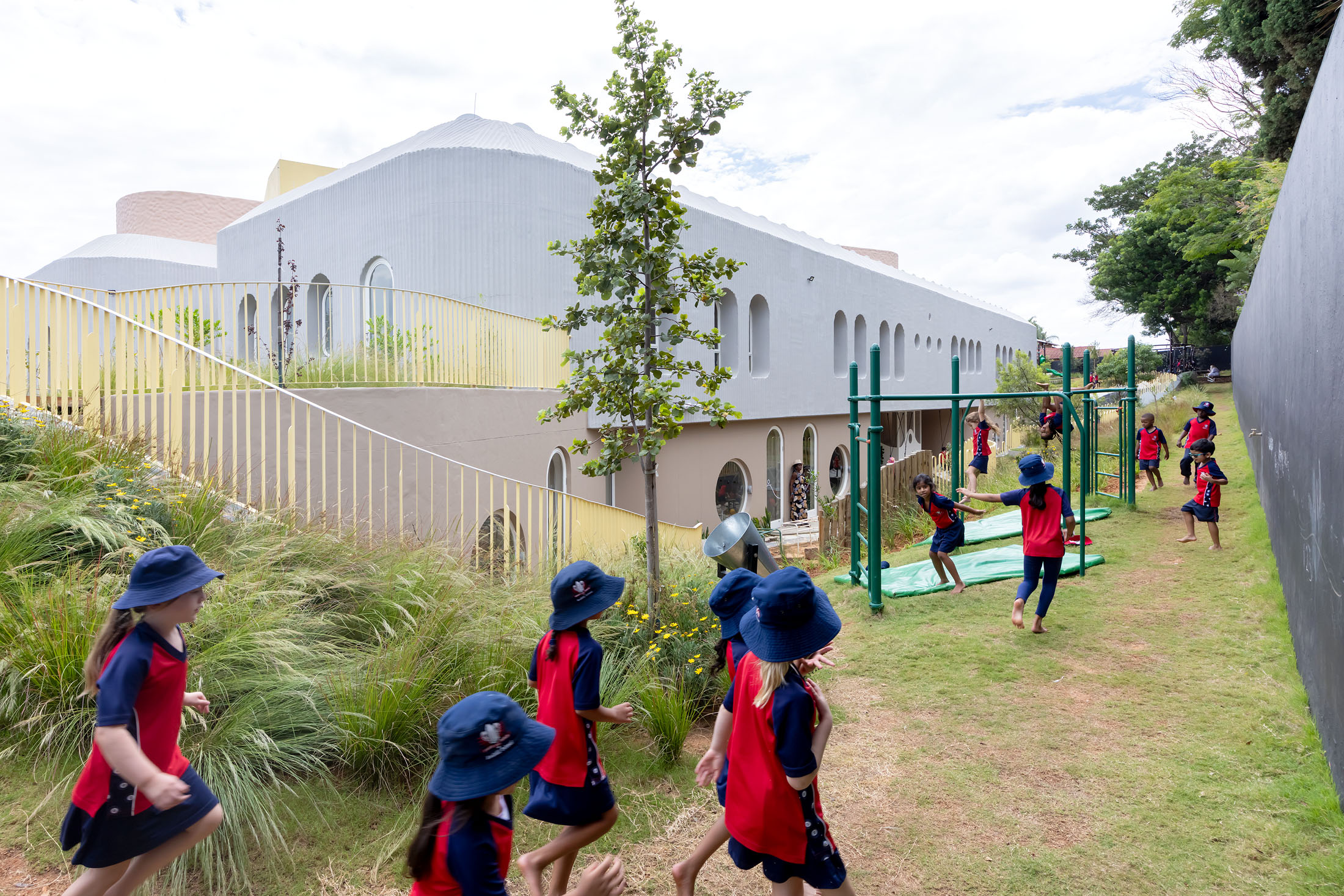
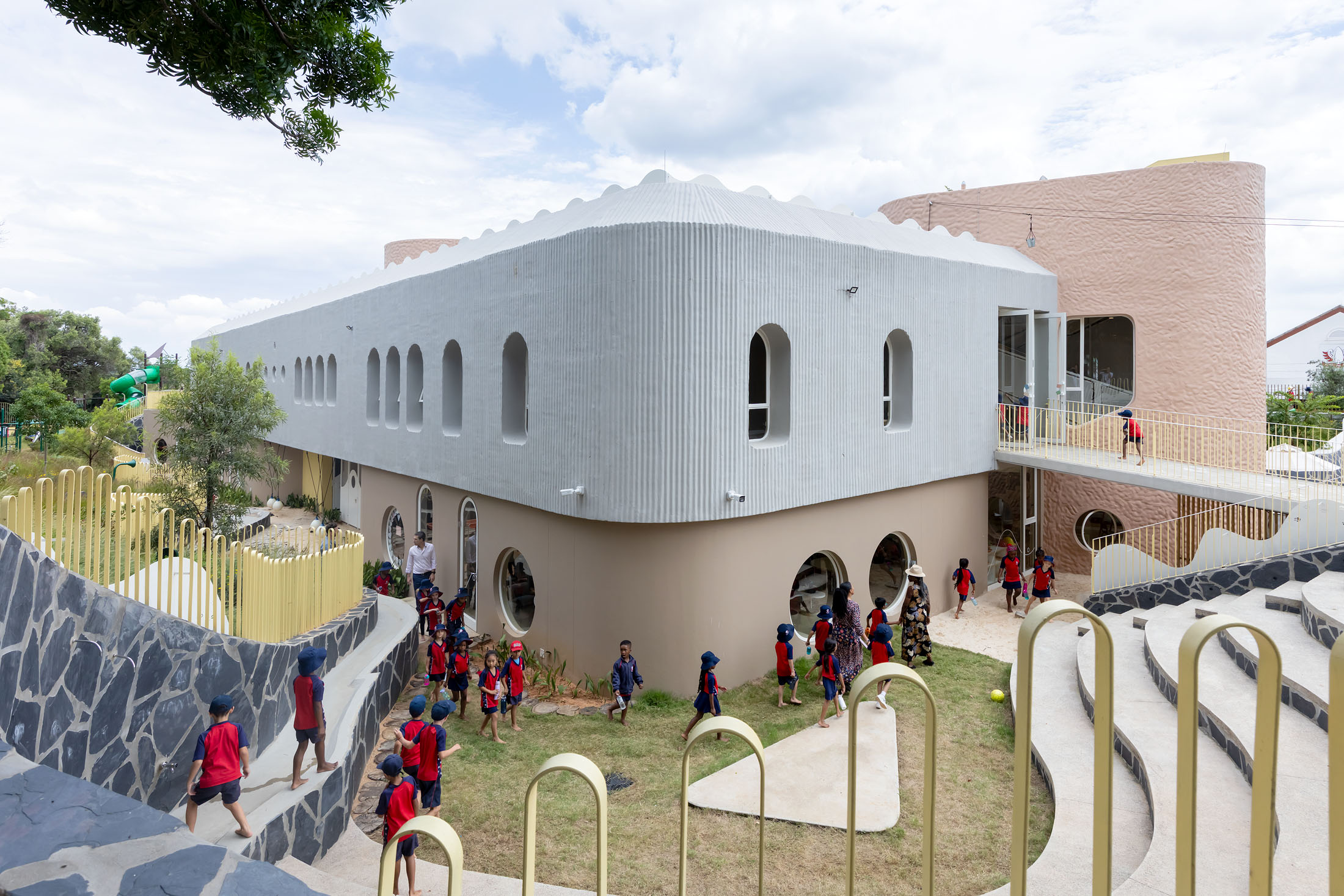
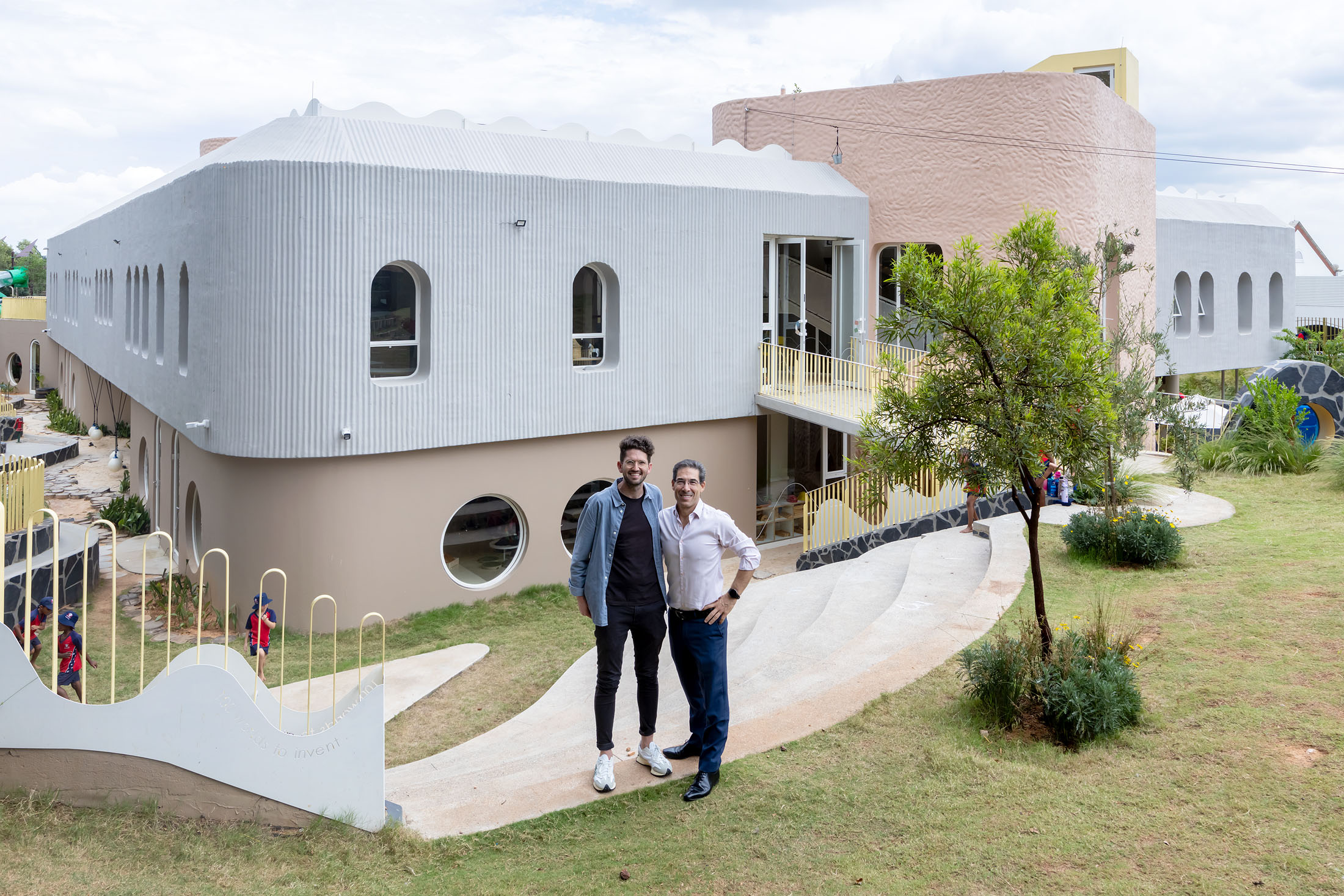
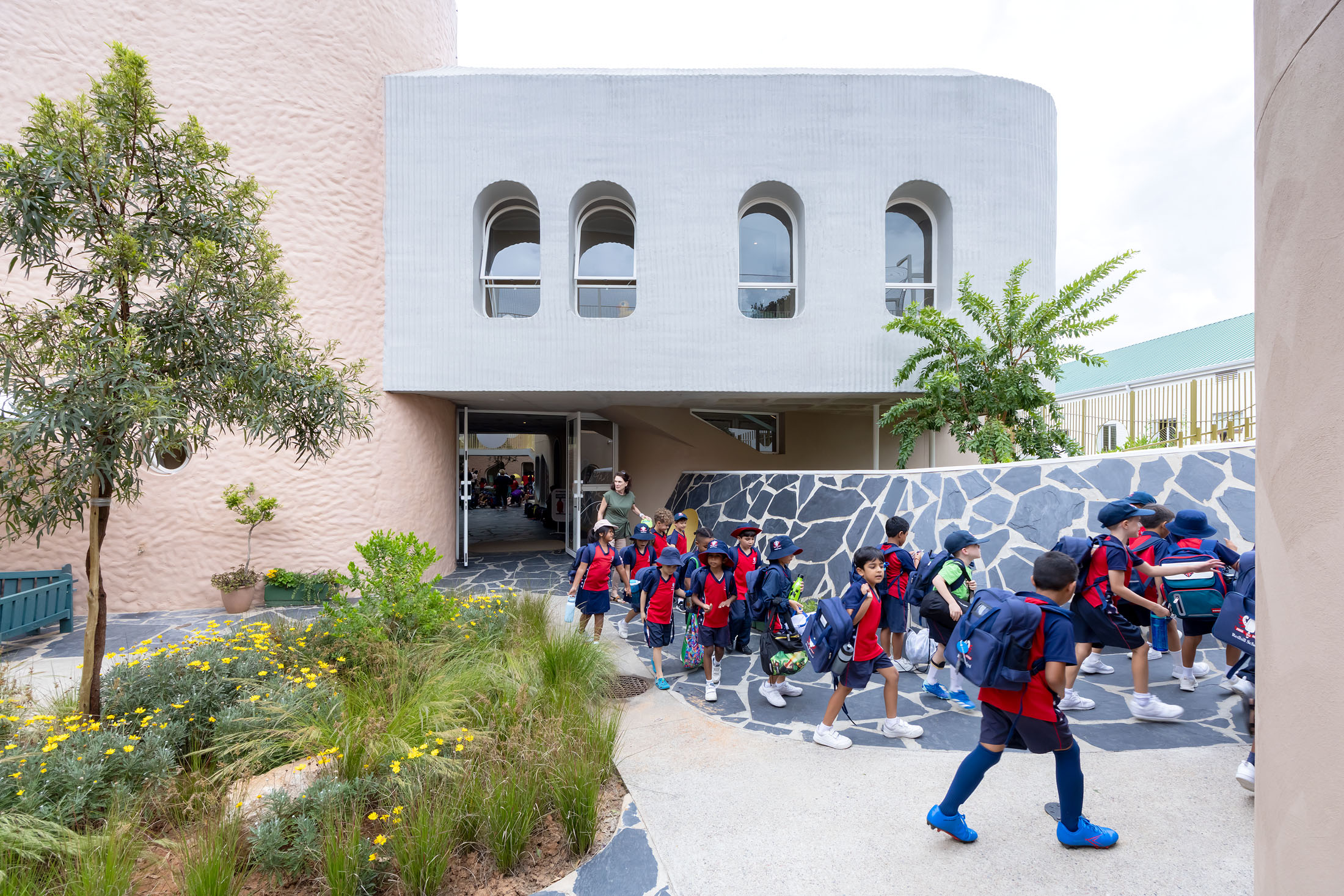
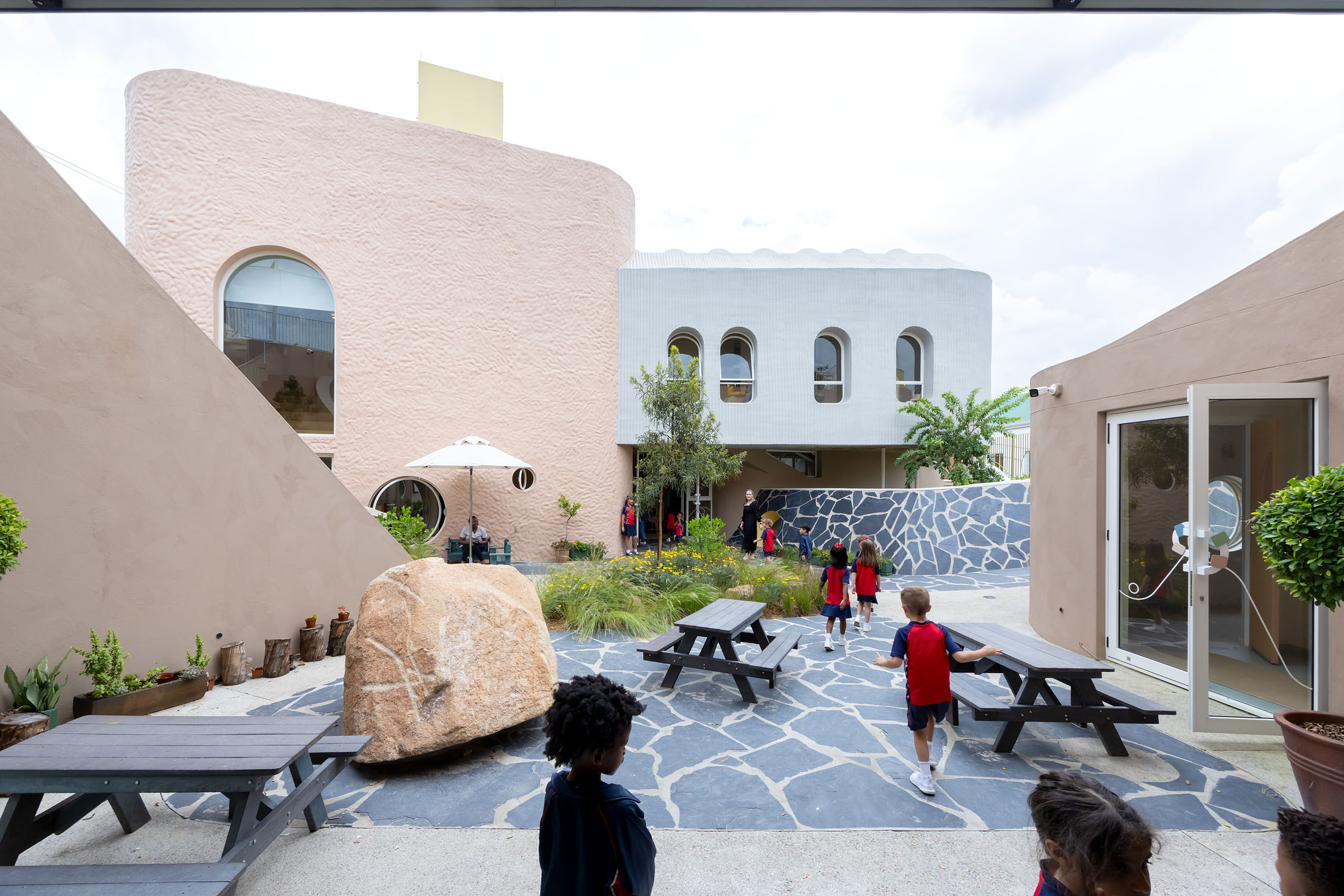
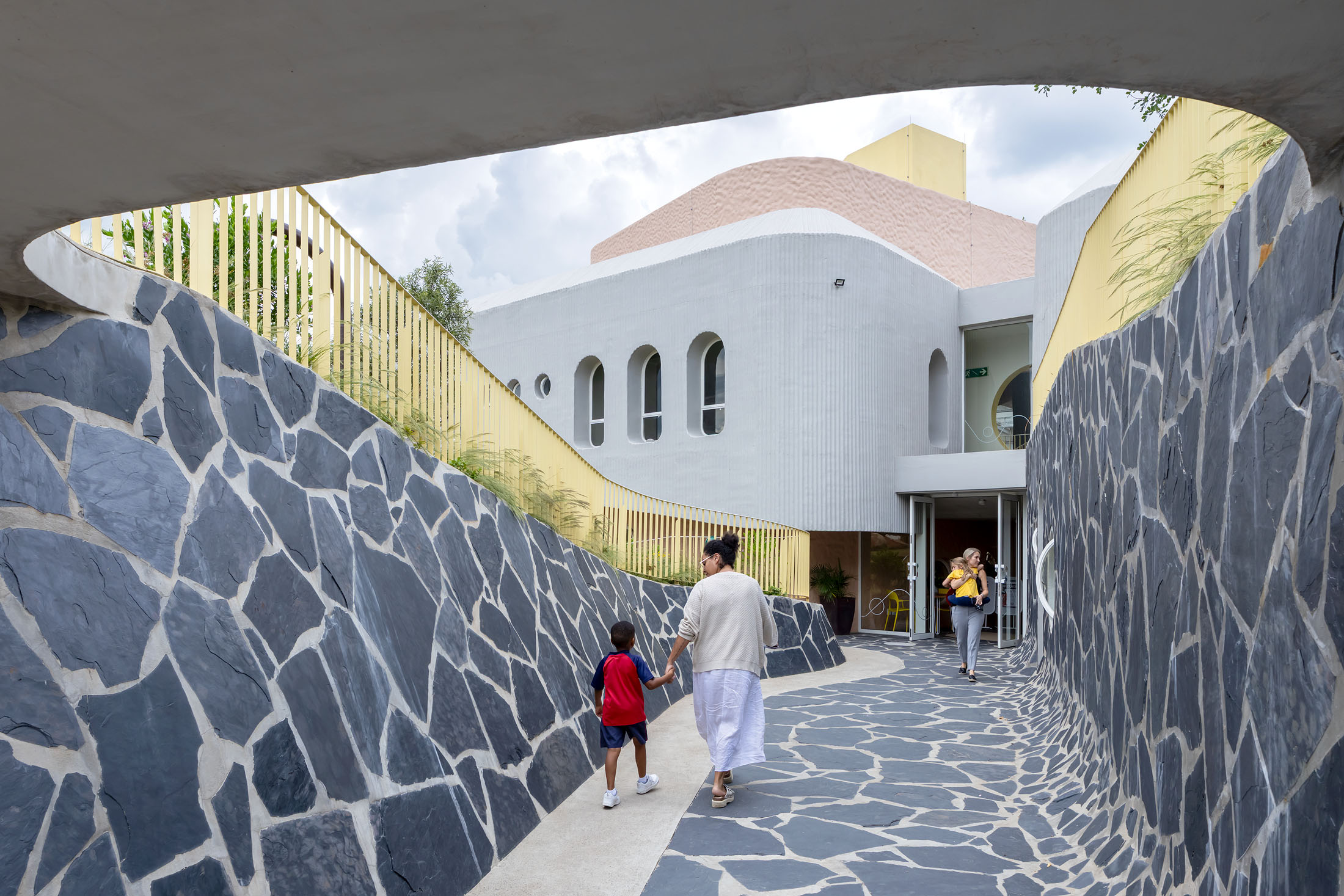
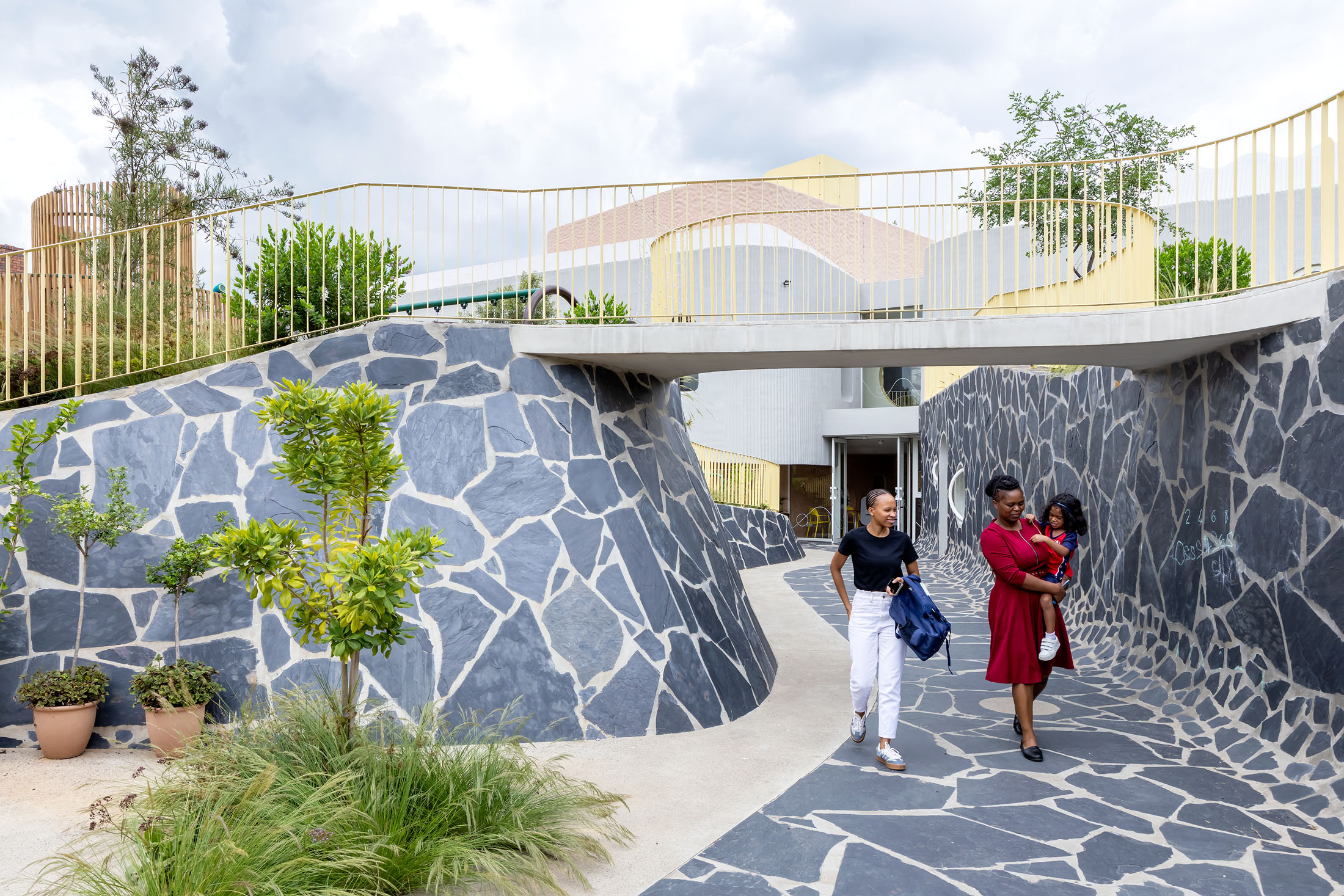
The design began with a trip to Reggio Emelia, Italy, to attend an International Study Group and learn from the birthplace of the philosophy. This was closely followed by workshops with stakeholders, teachers and children on the future site – an inherited platform where original slopes and trees had been erased. We listened. We took the children’s lead to settle the building down into this foreign landscape in favour of its original state. Offering a comforting embrace not only to the building, but its new inhabitants embarking on their life-long journey of education.
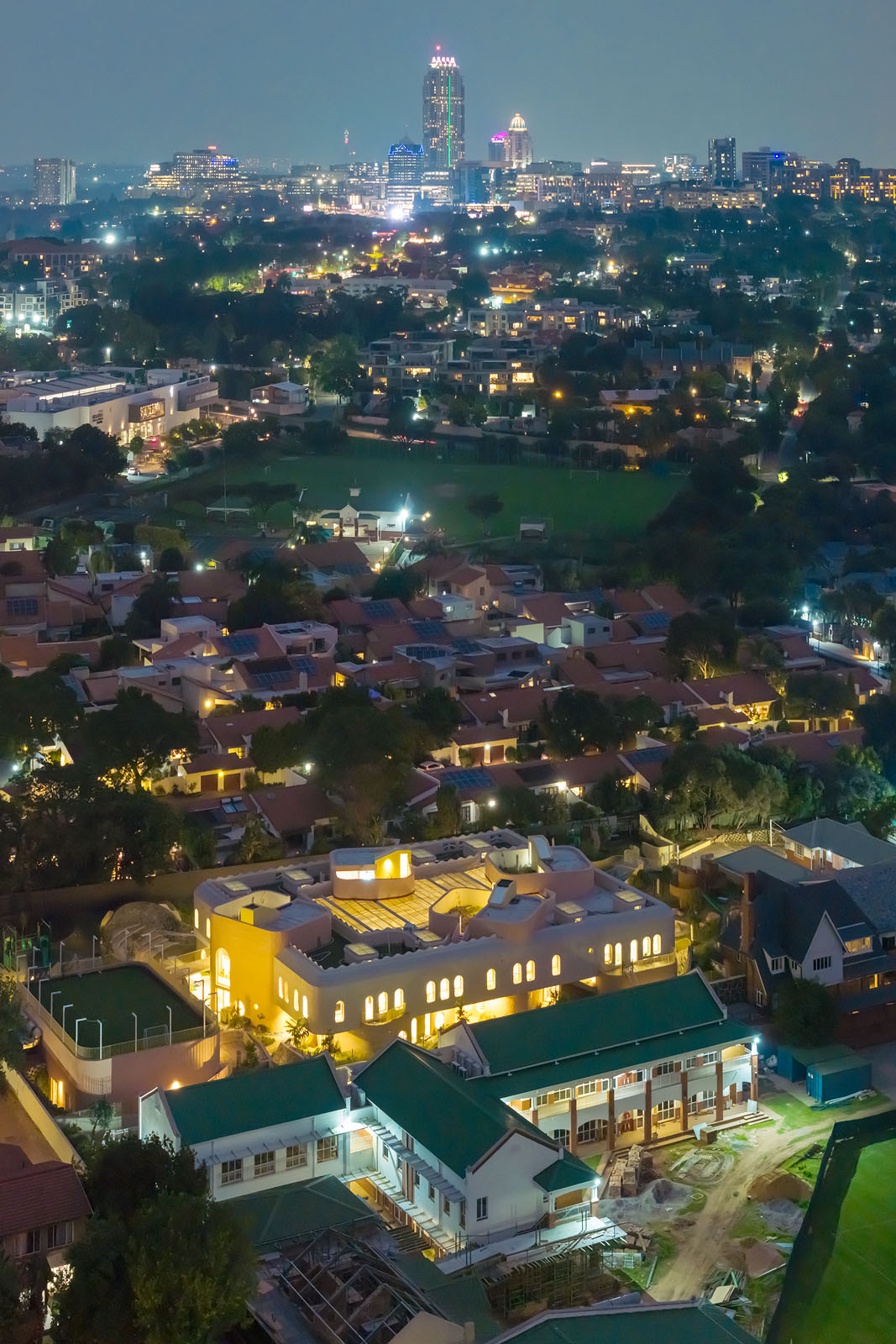
A South African adaptation of the Reggio philosophy was created serving as a filtered microcosm of the city – a safe and nurturing space within the heart of a bustling urban environment. Leaning on principles of osmosis, the building becomes the perfect membrane through which complex realties of the city are absorbed and subtly influence within a regulated sensory environment.
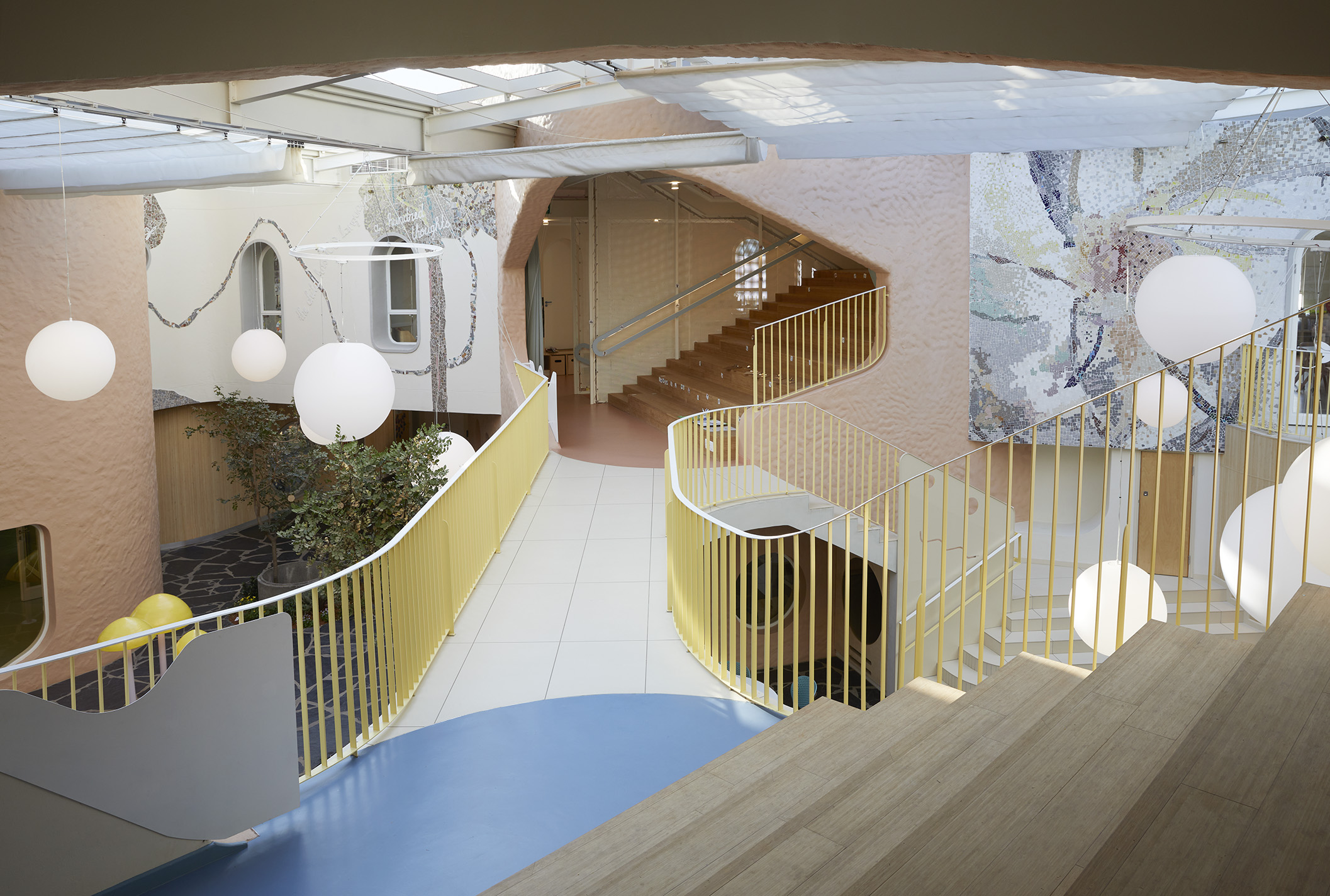
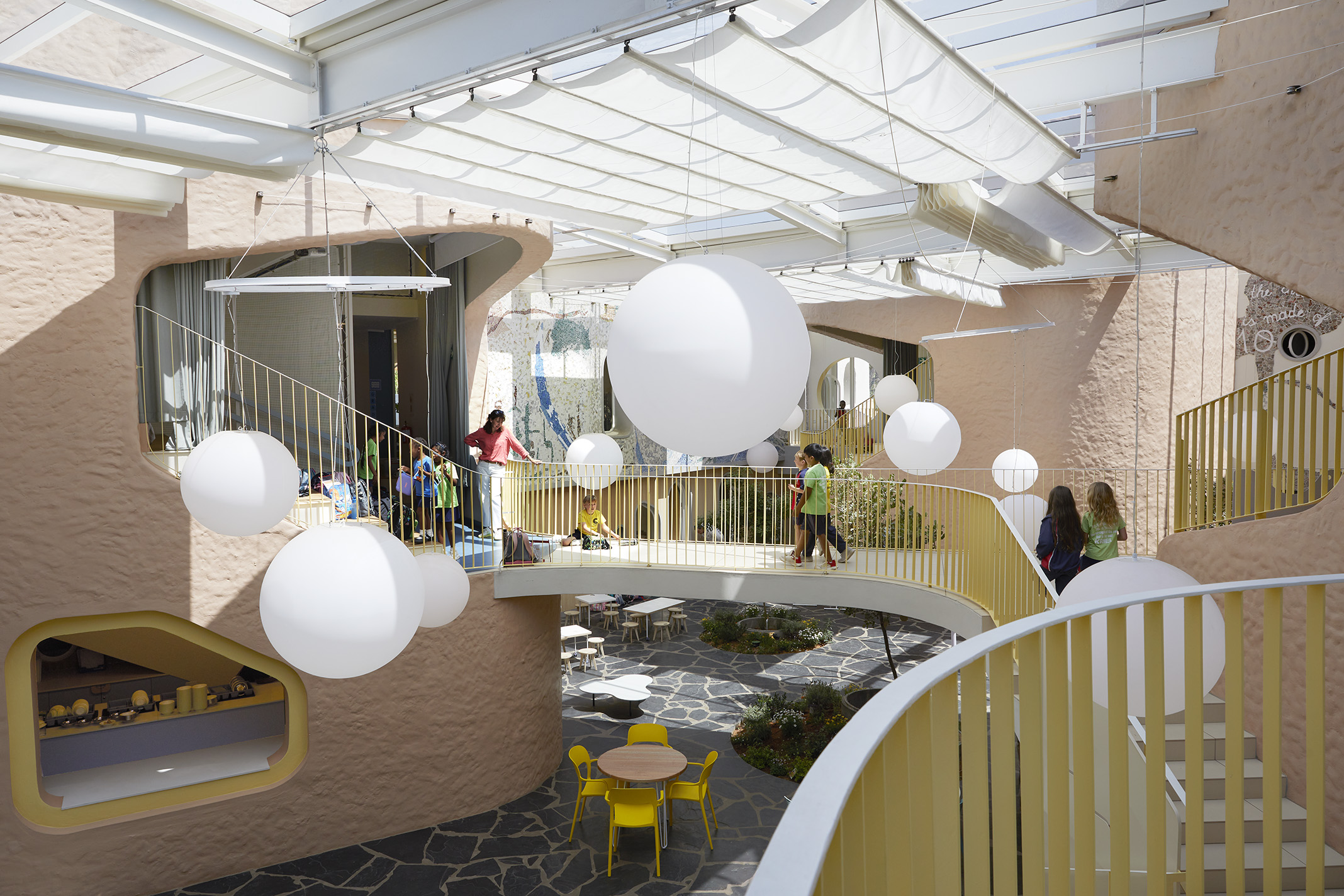
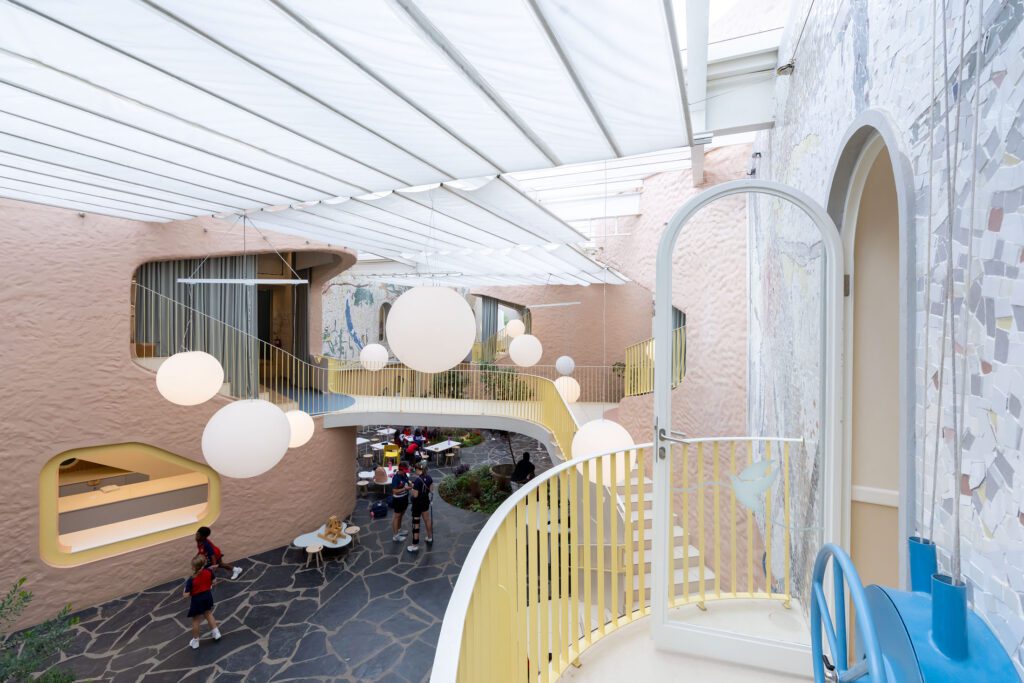
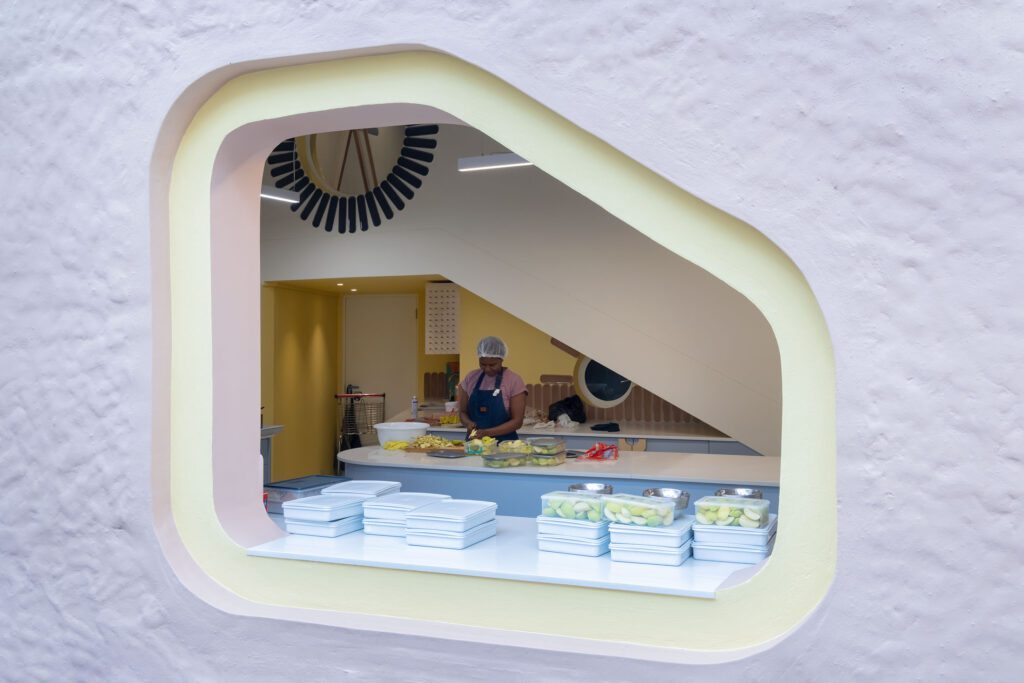
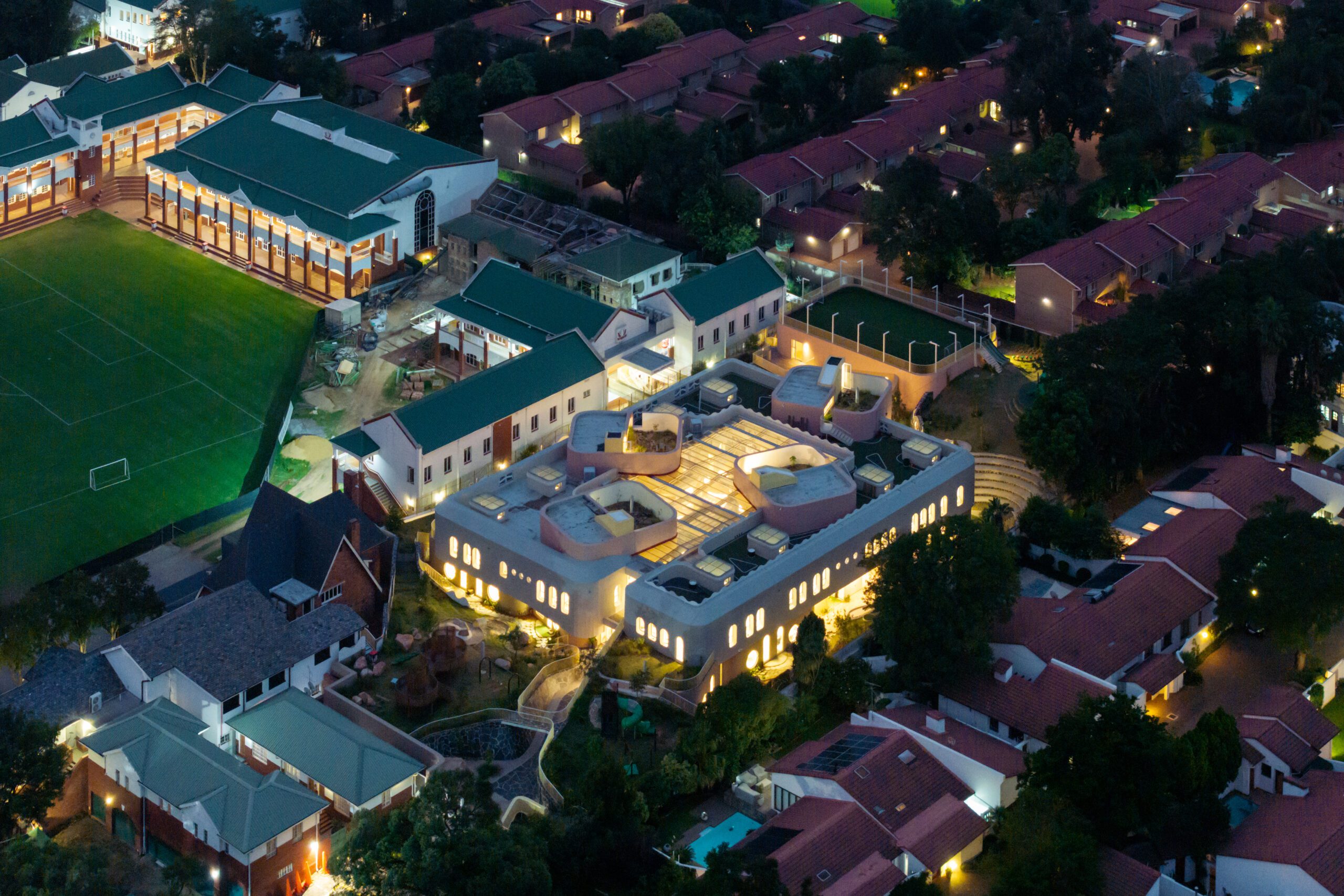
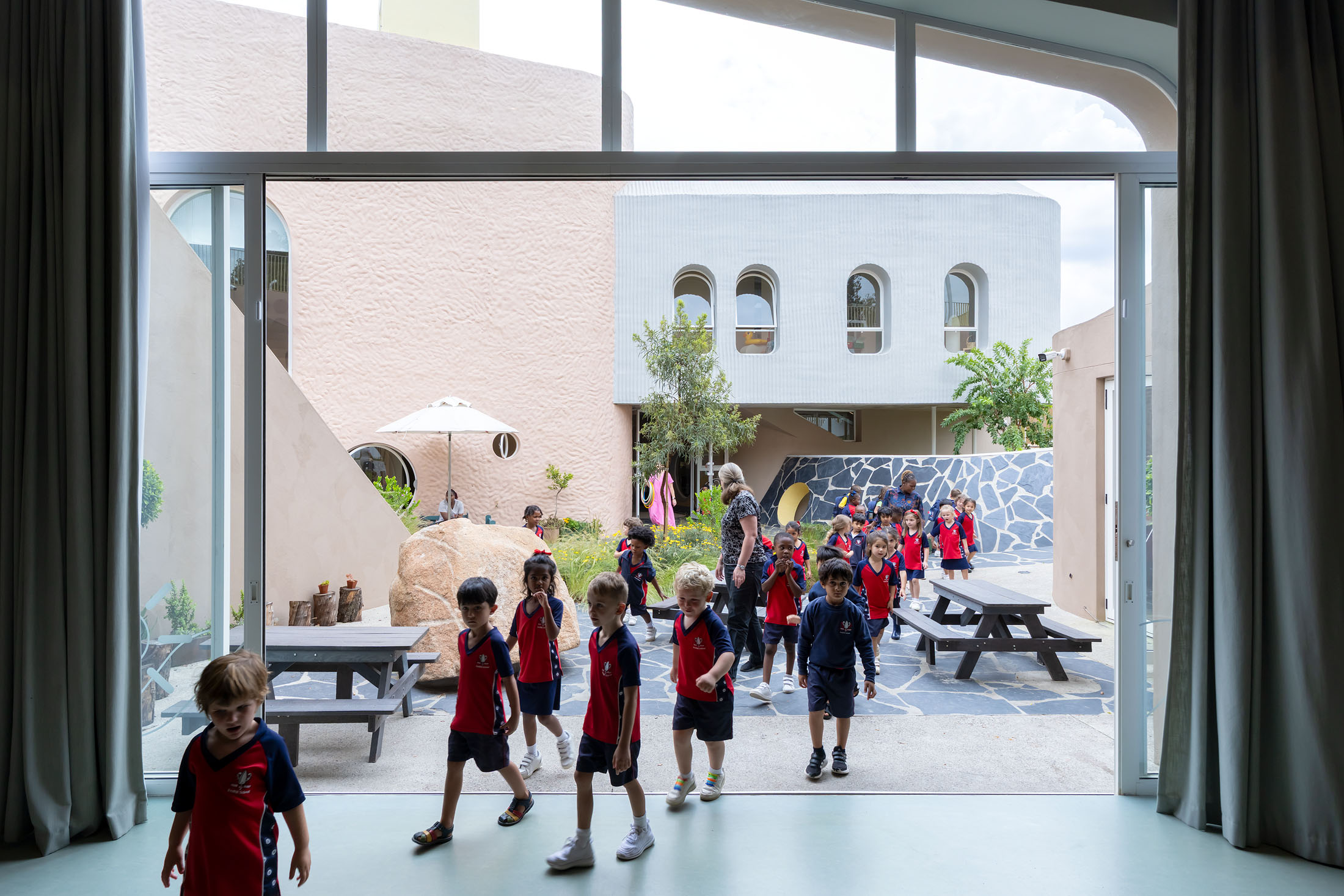
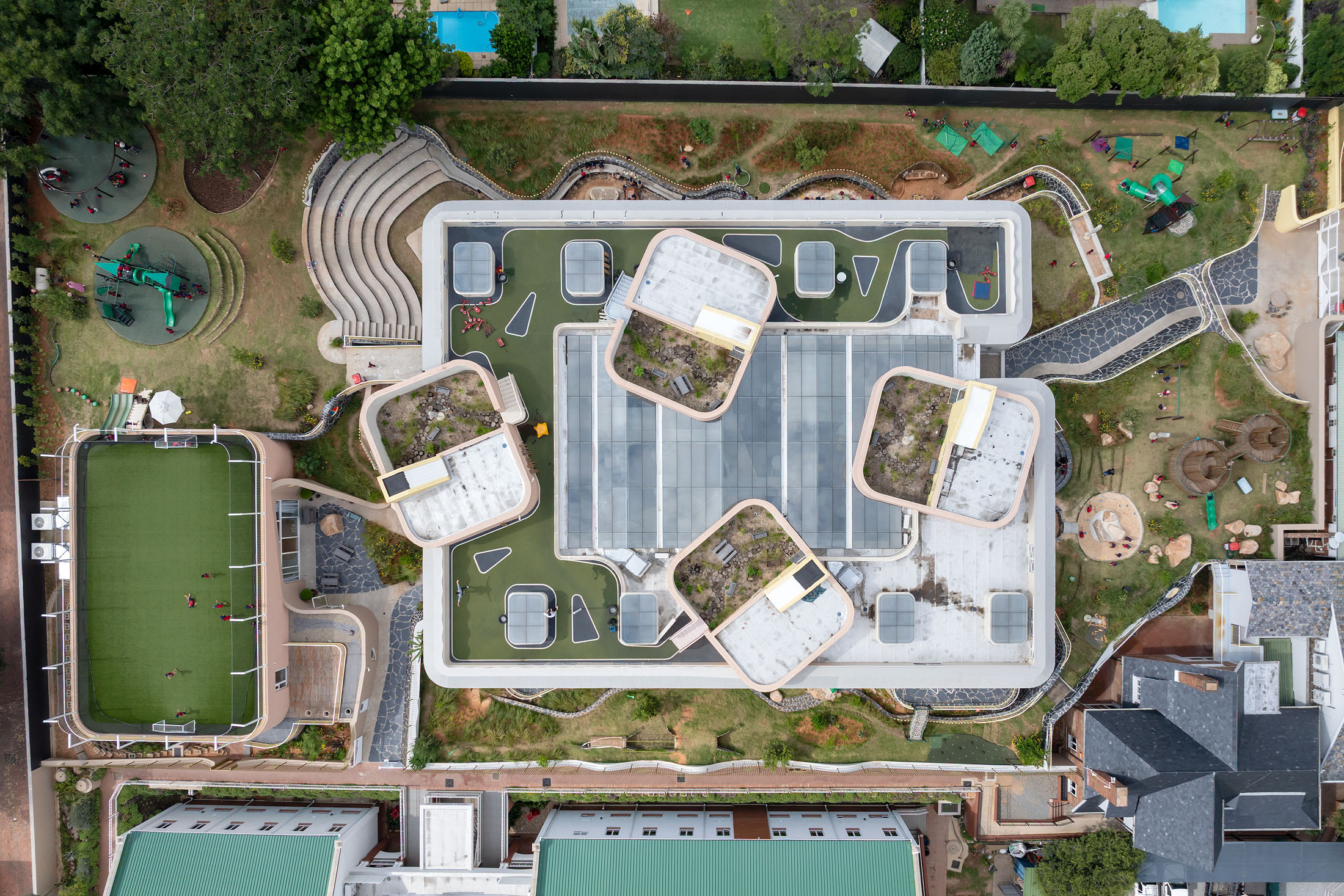
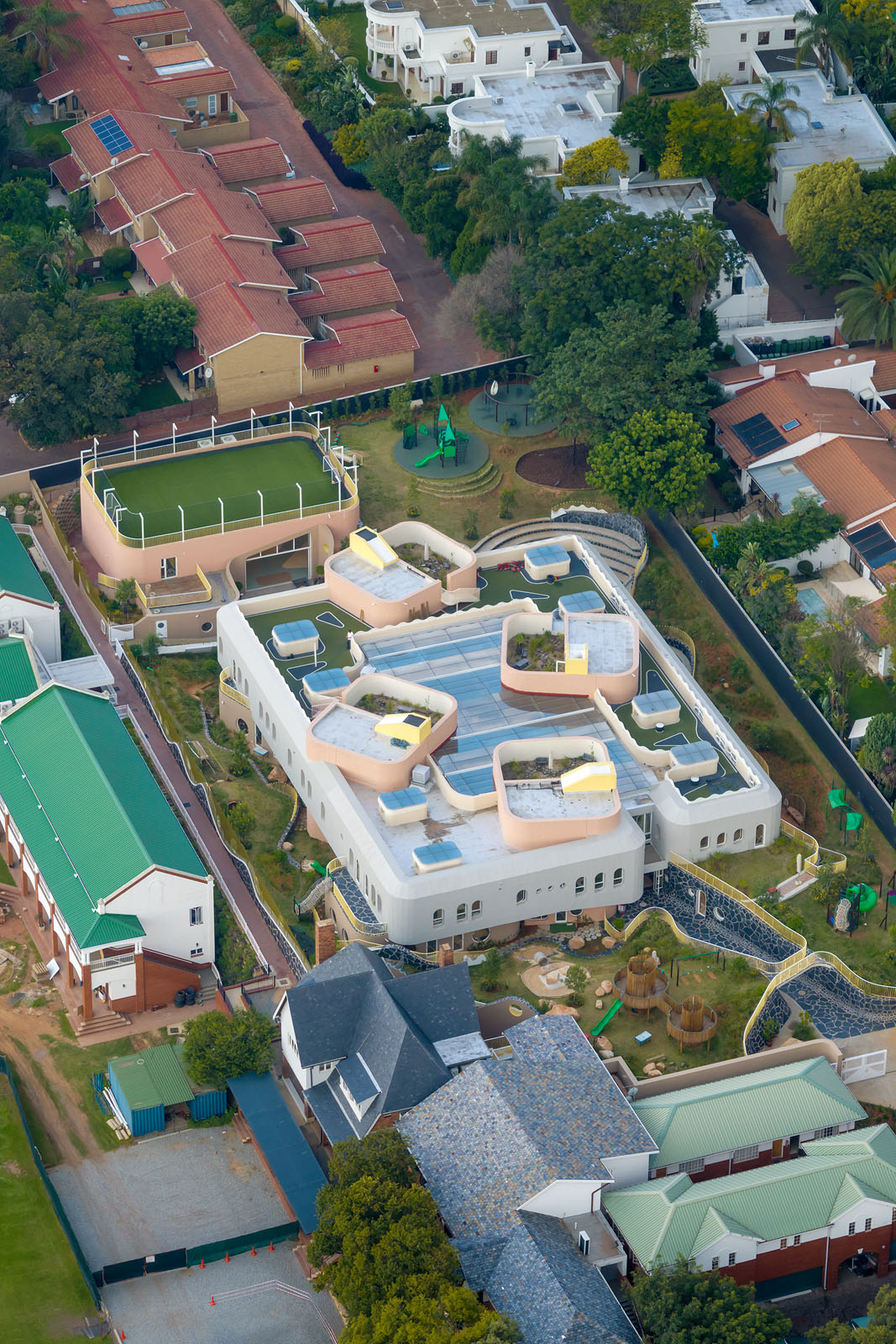
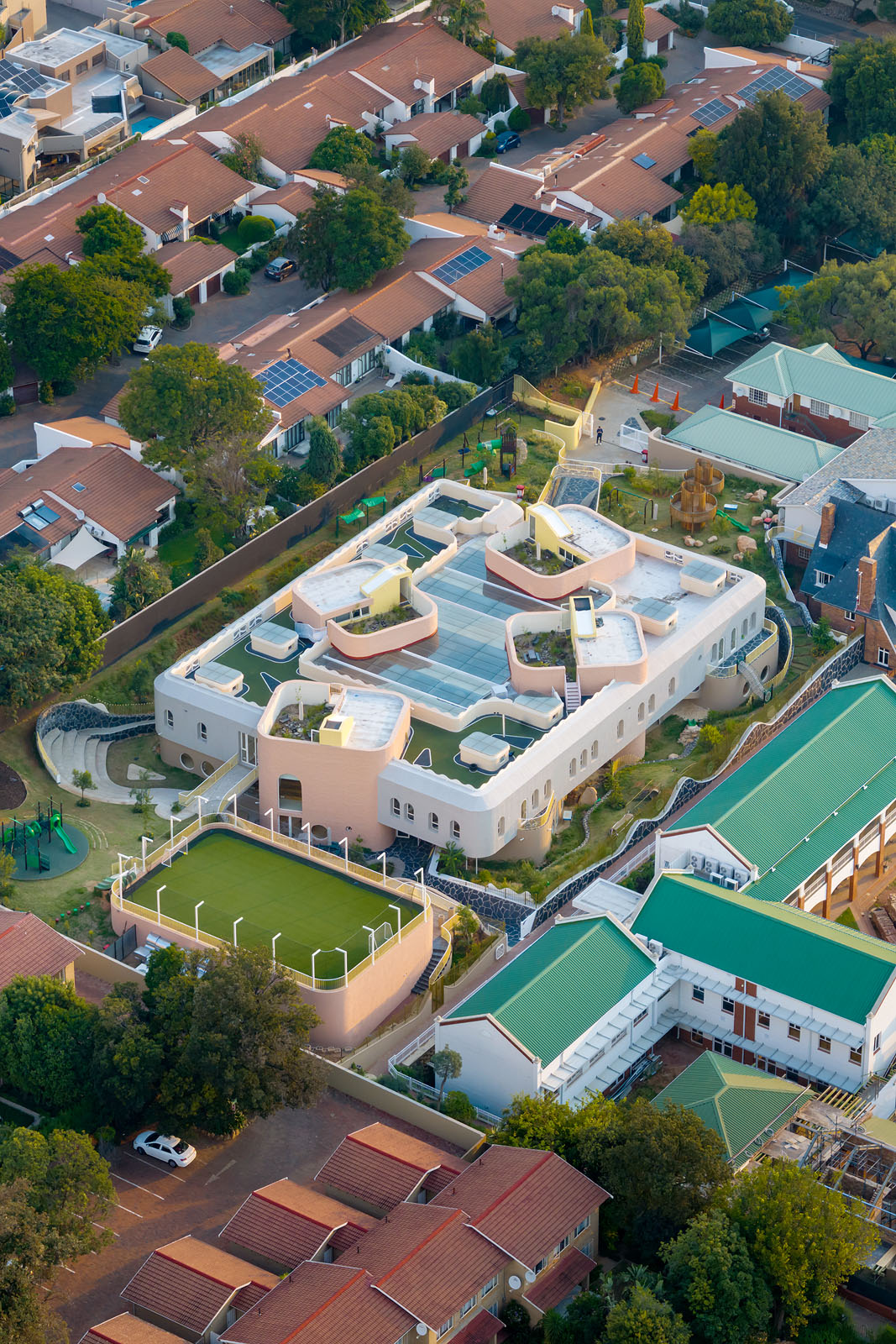
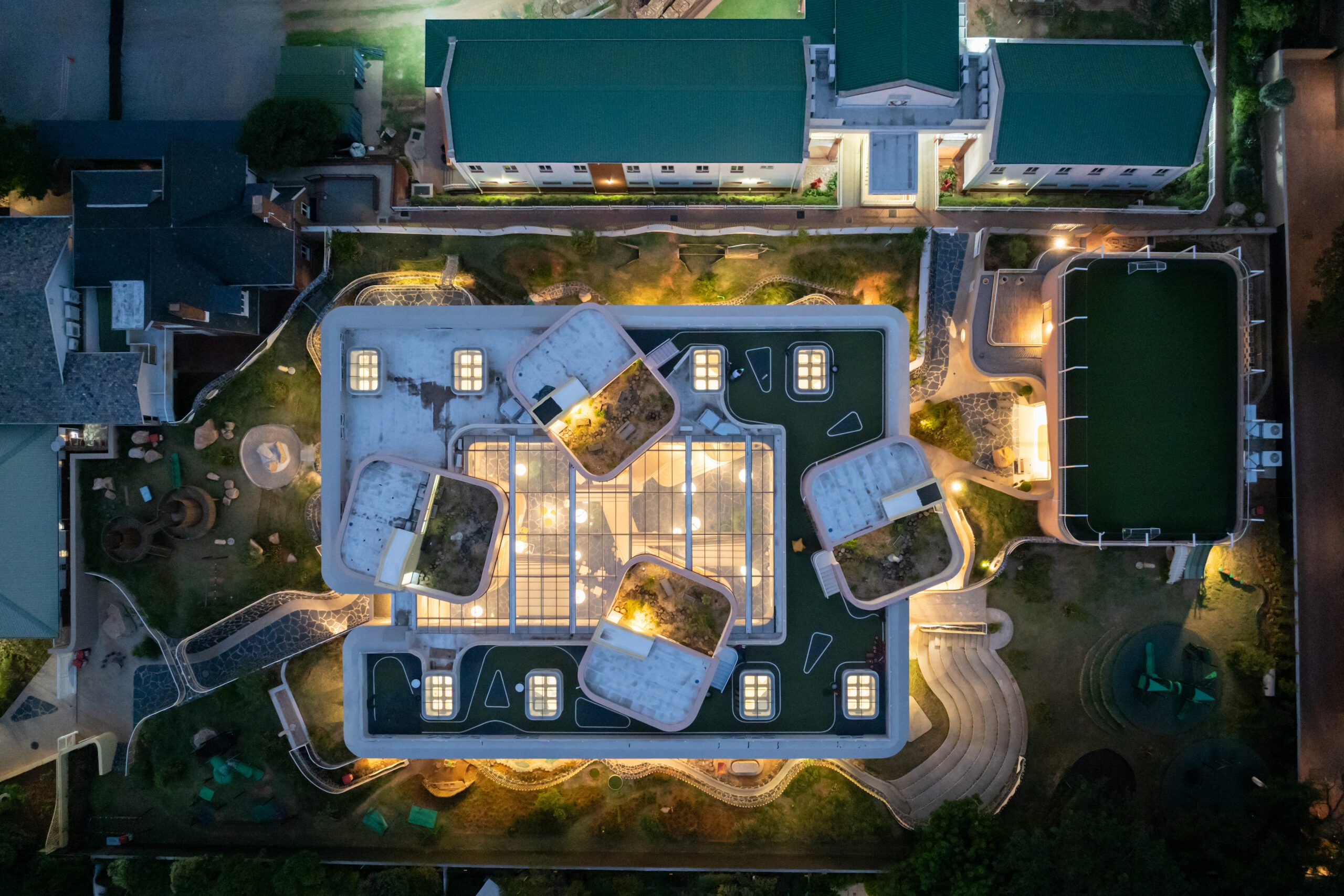
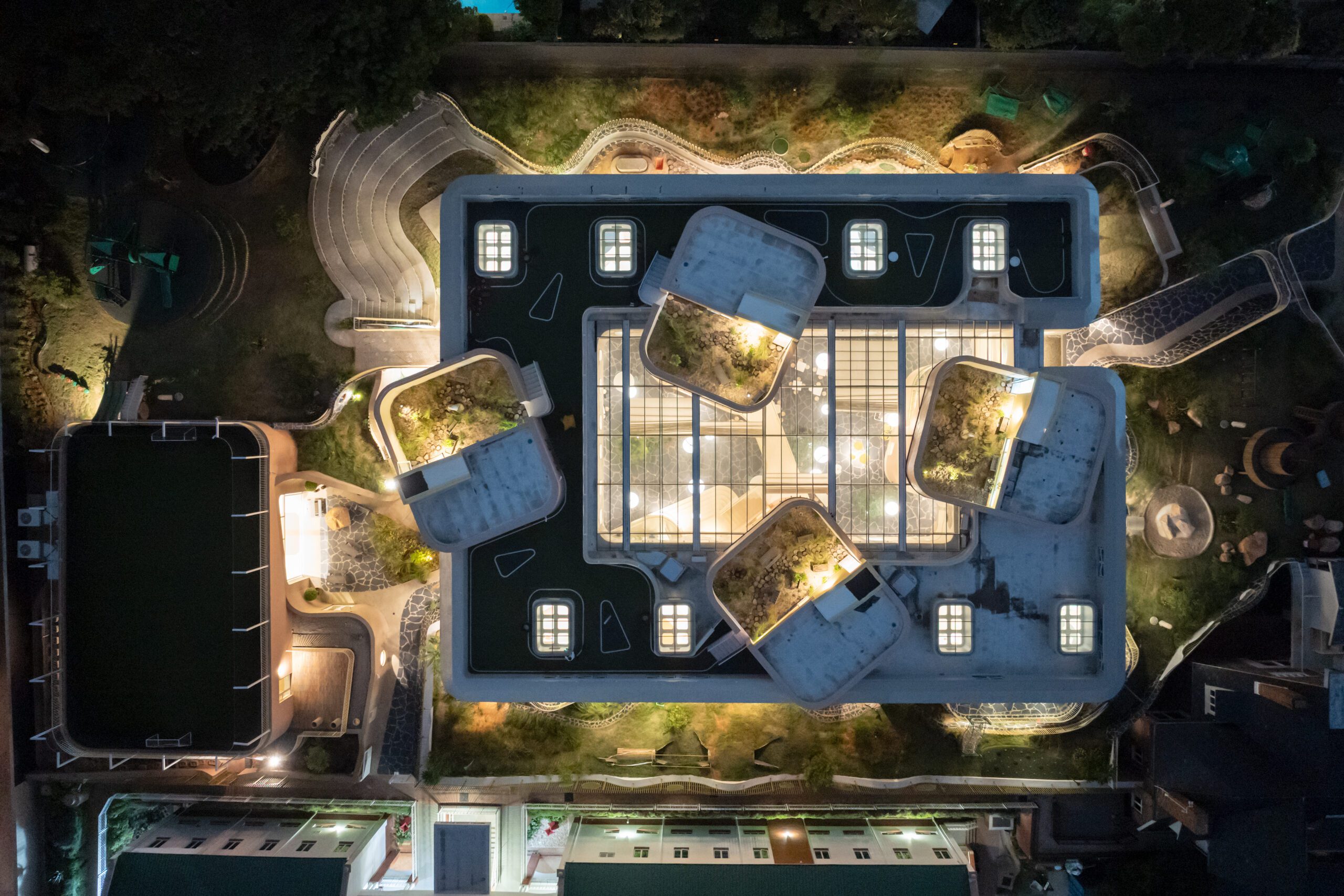
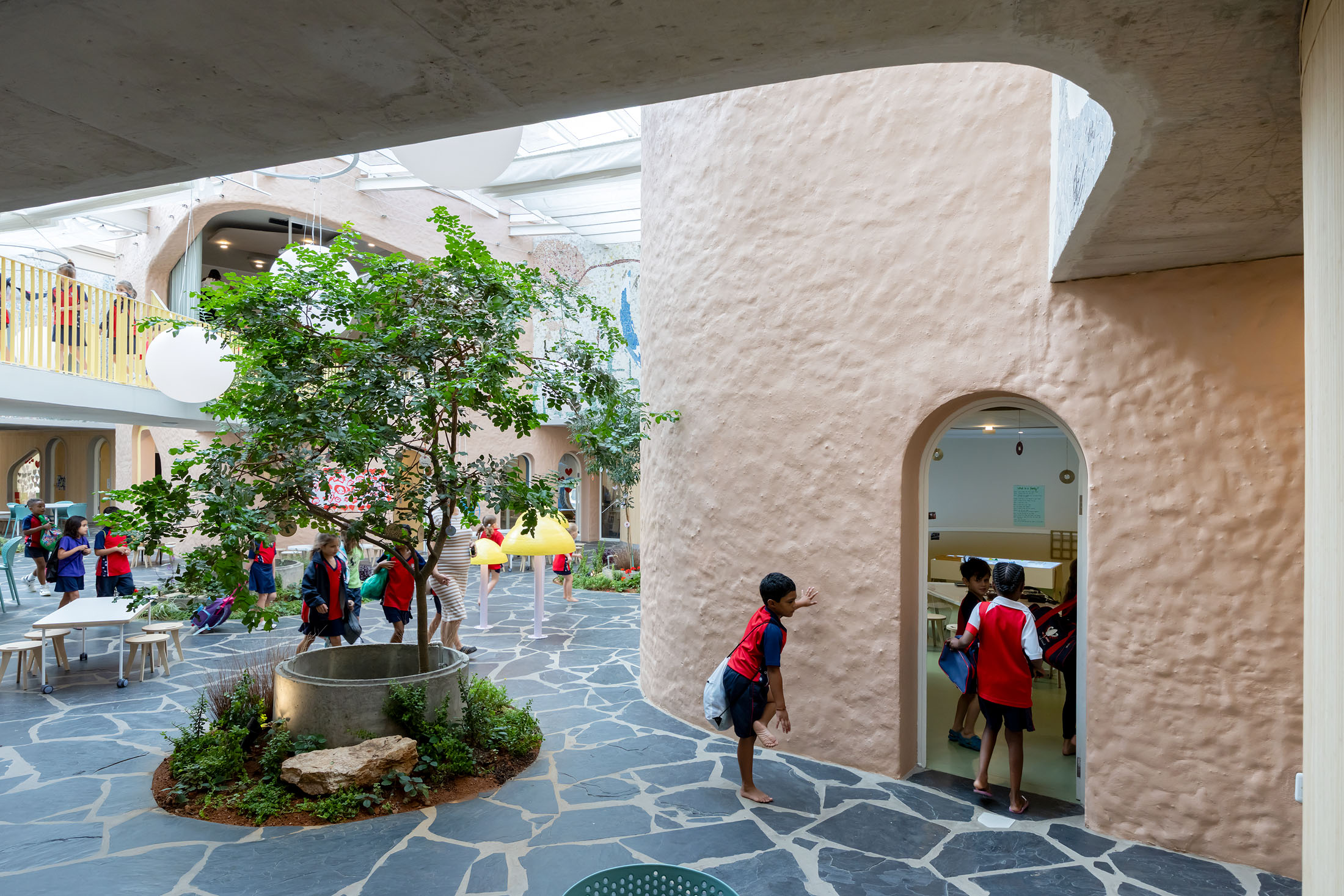
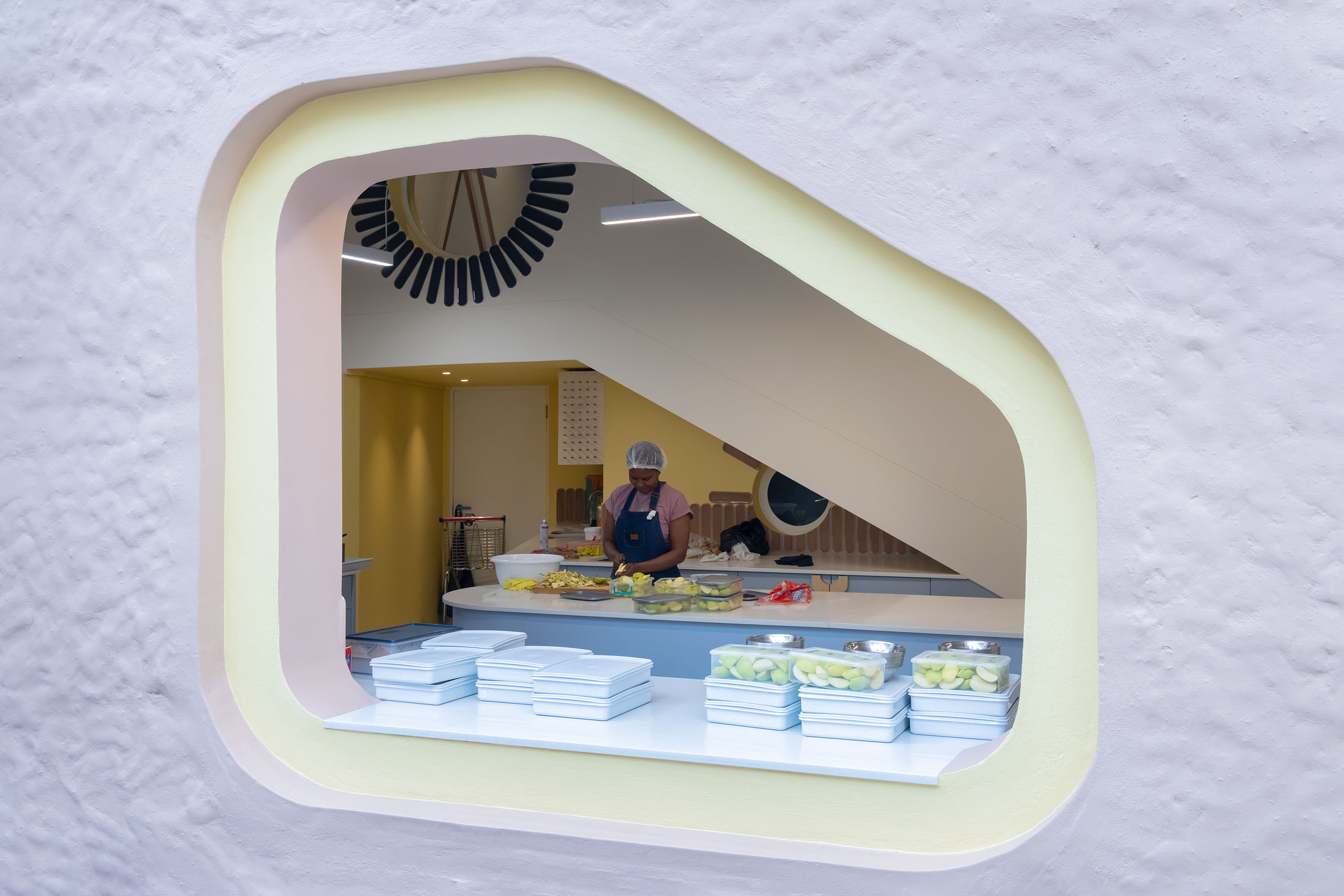
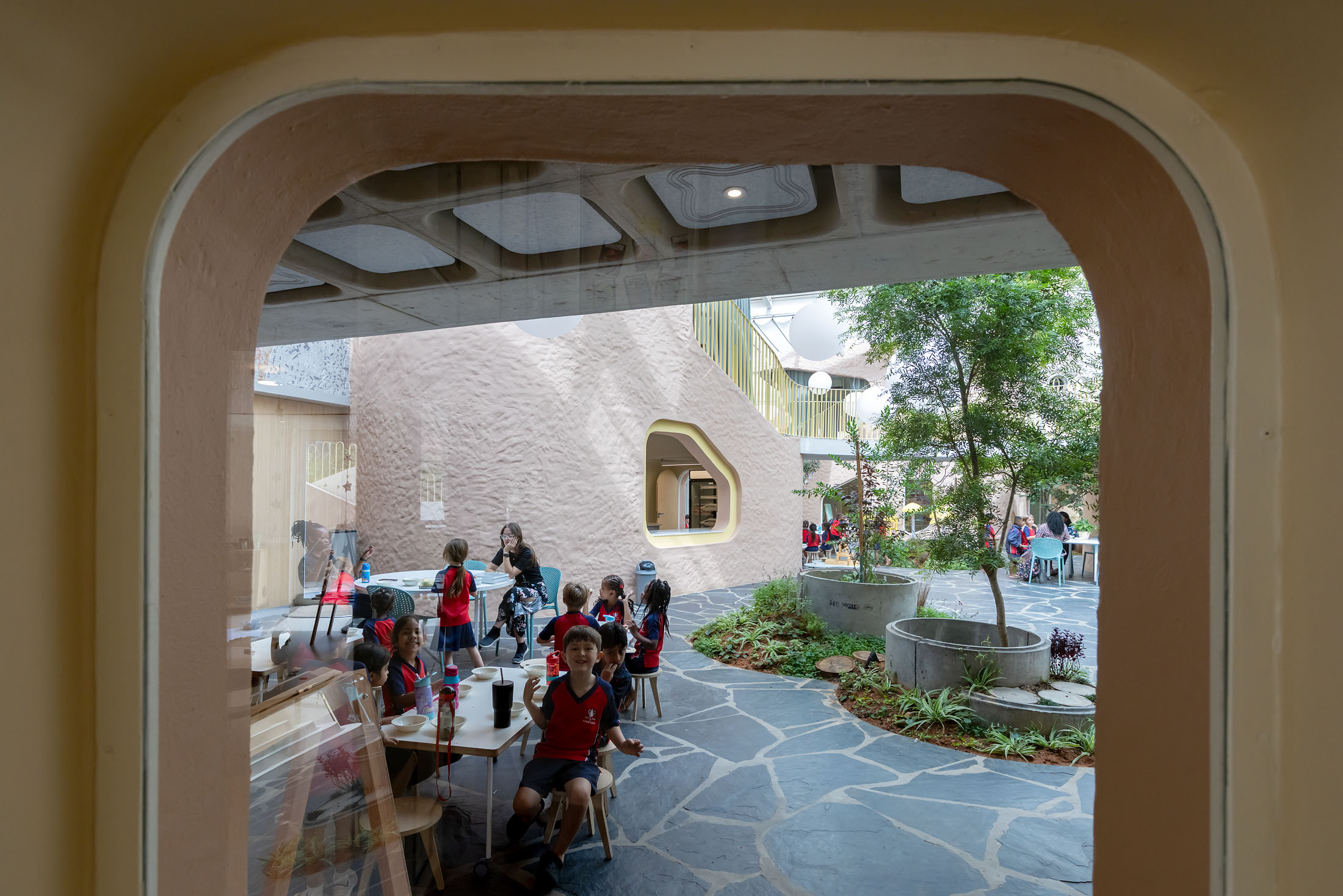
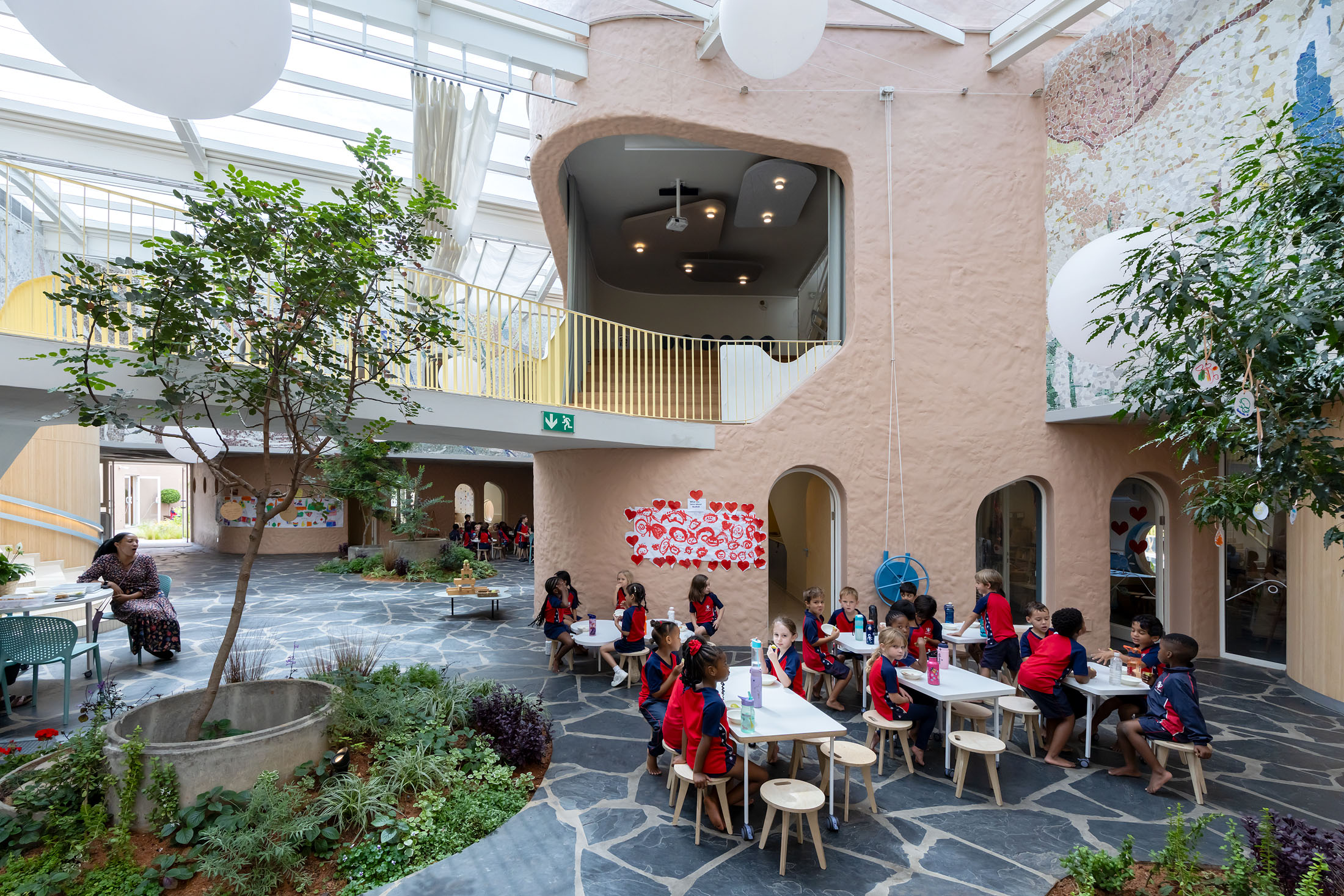
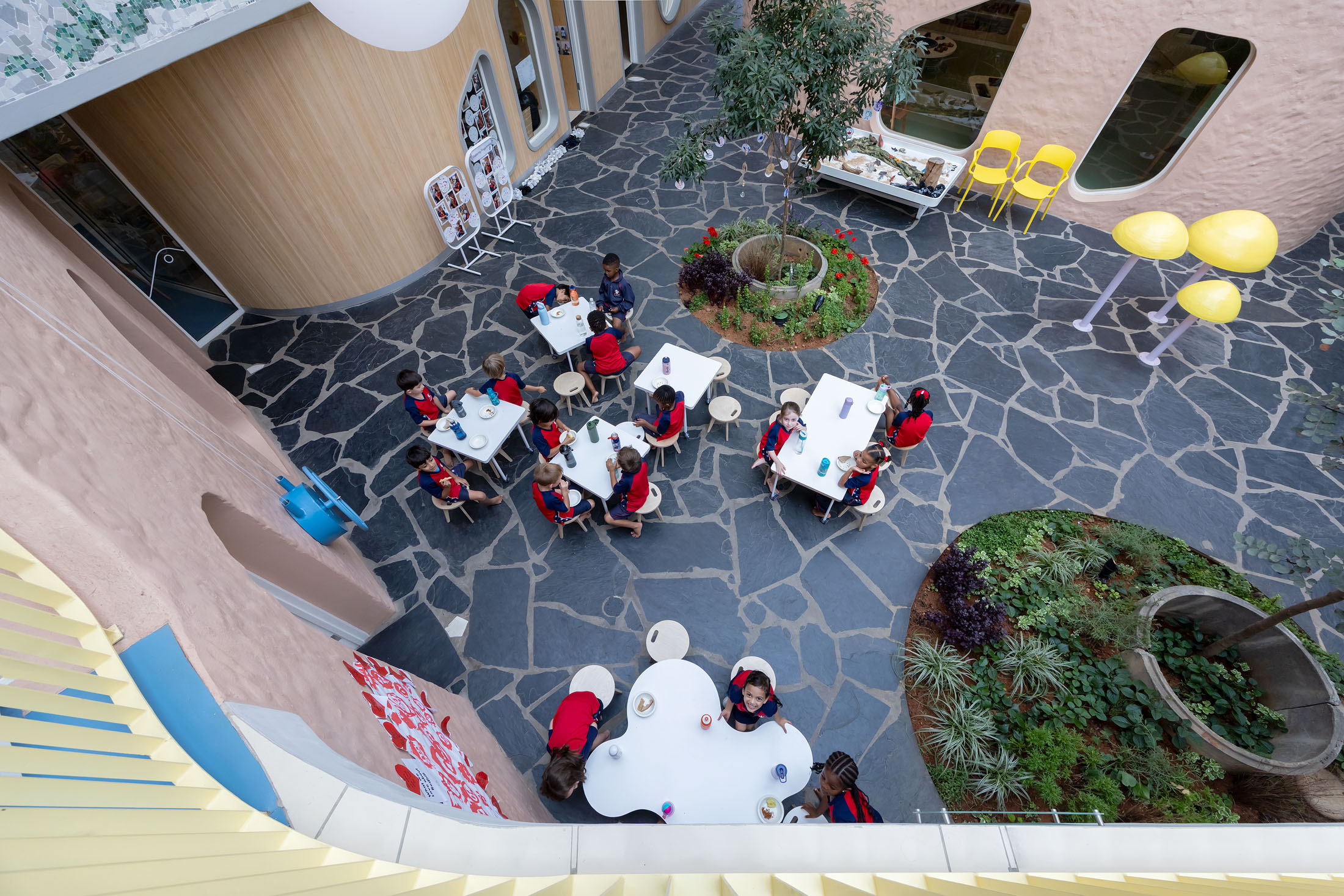
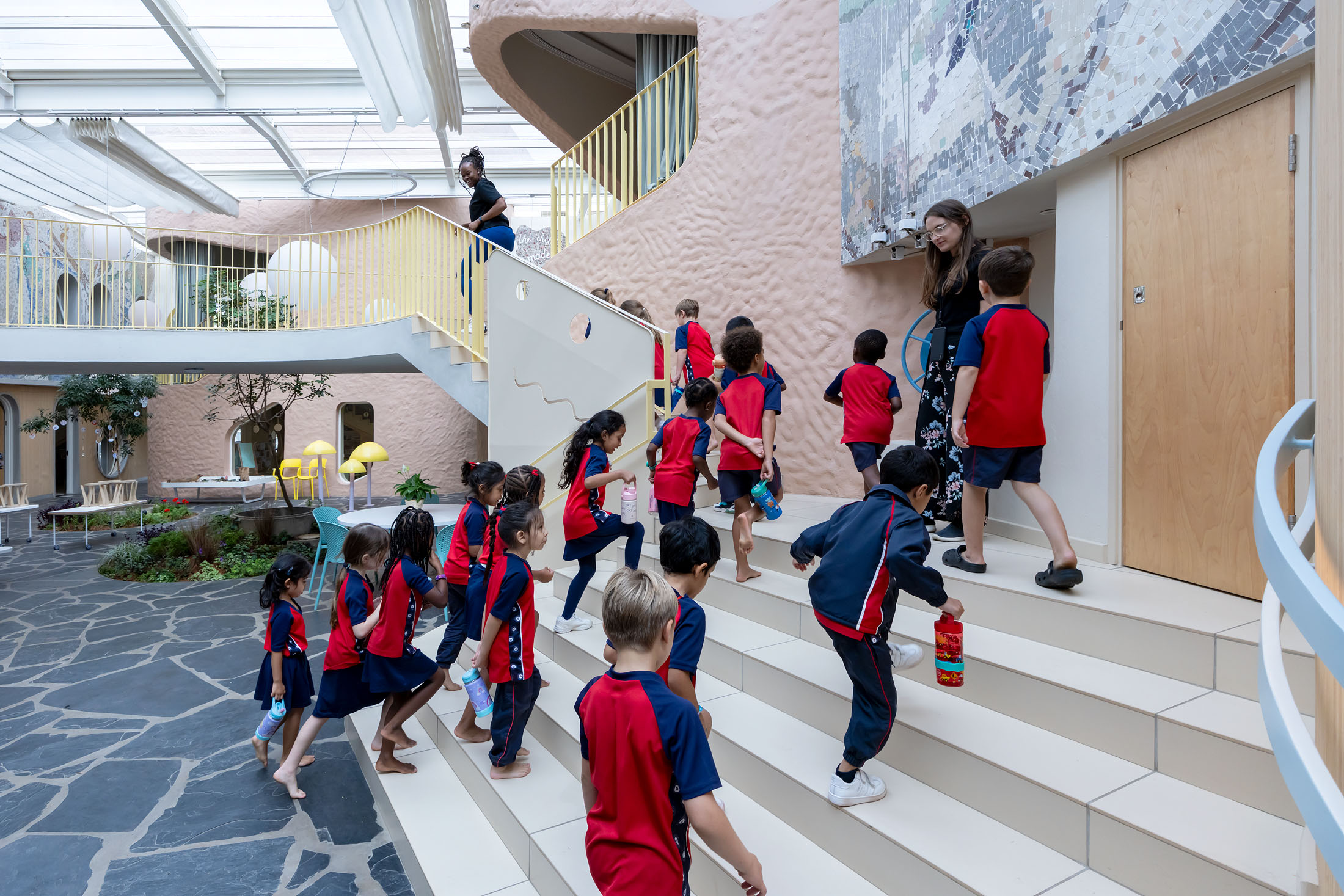
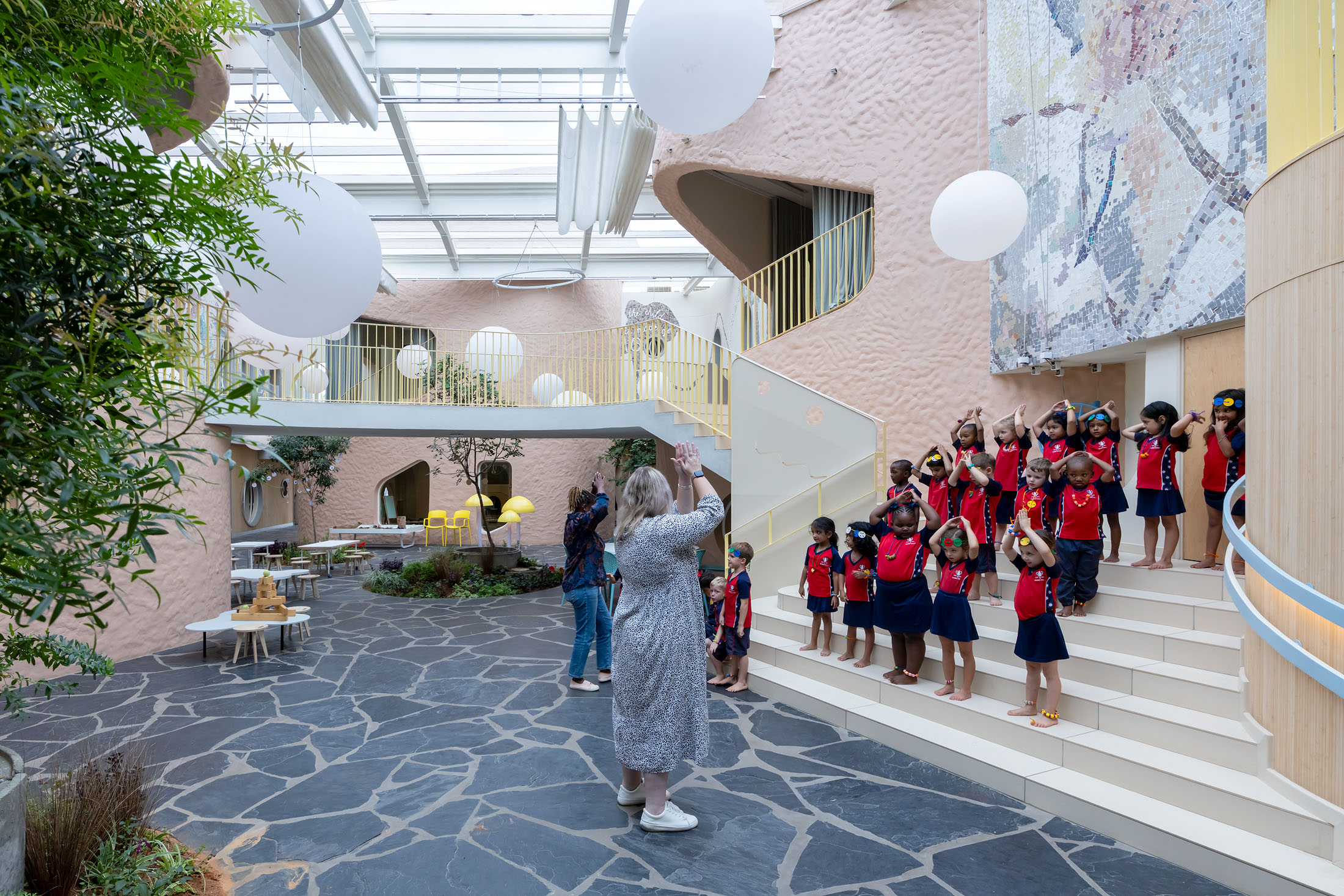
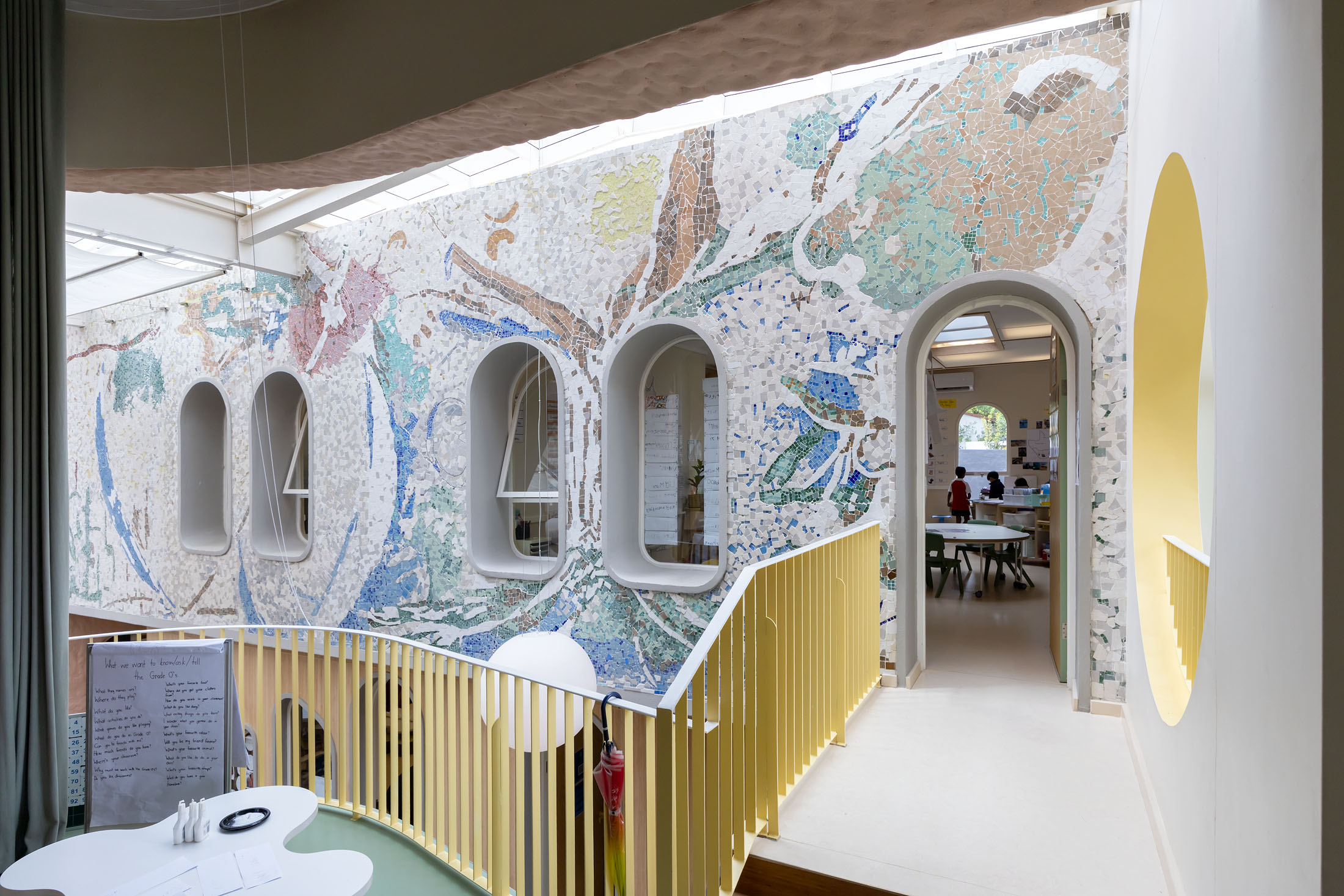
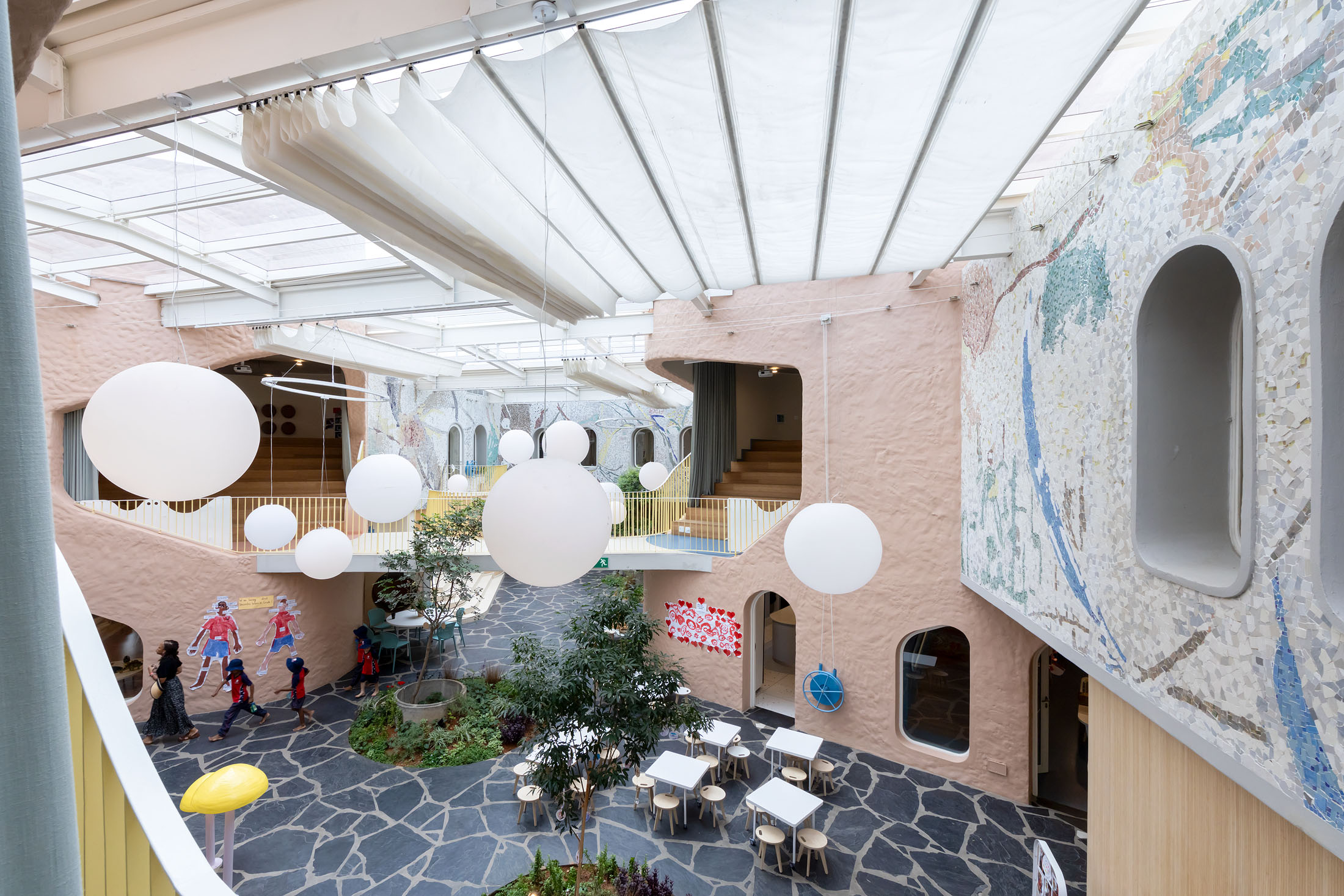
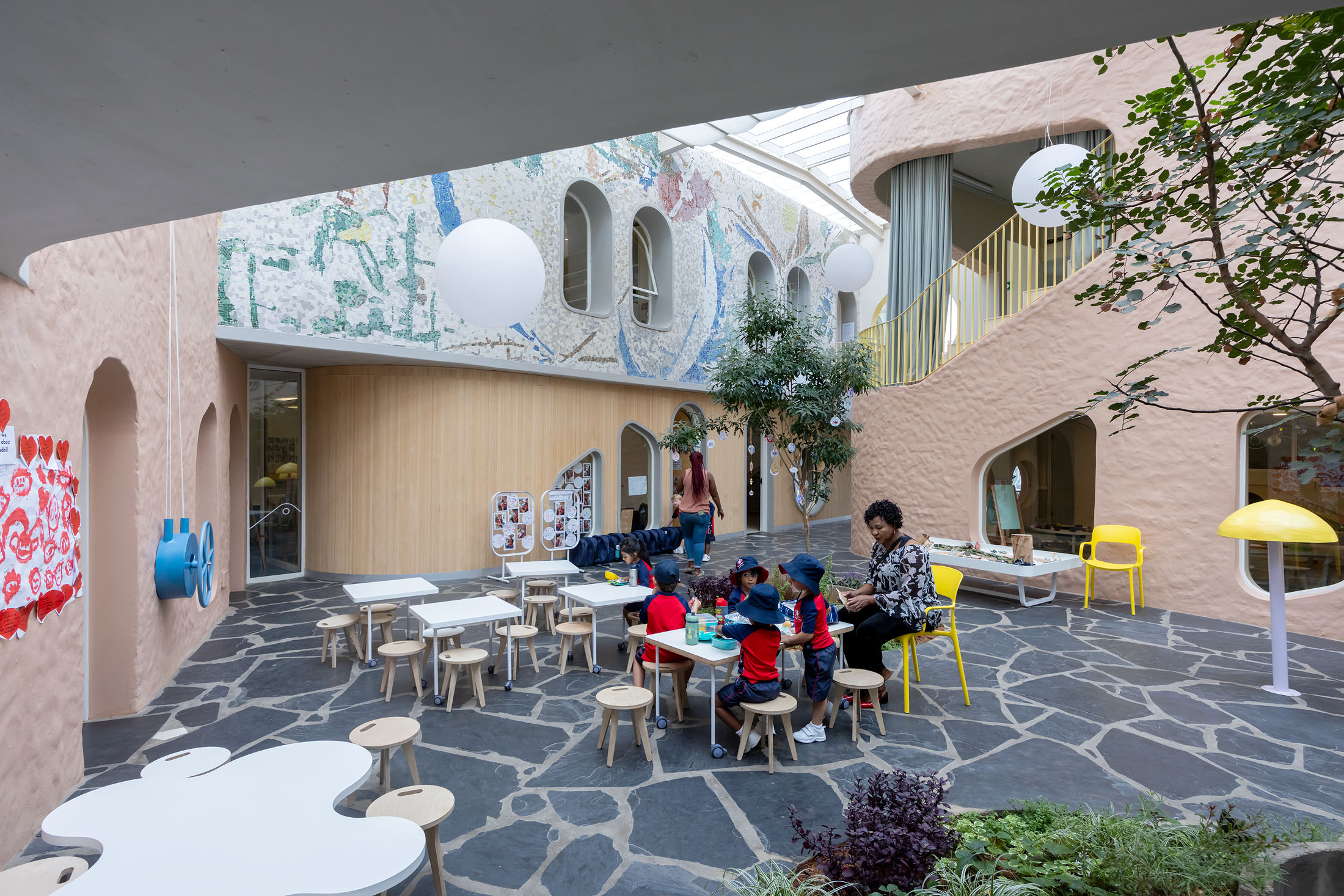
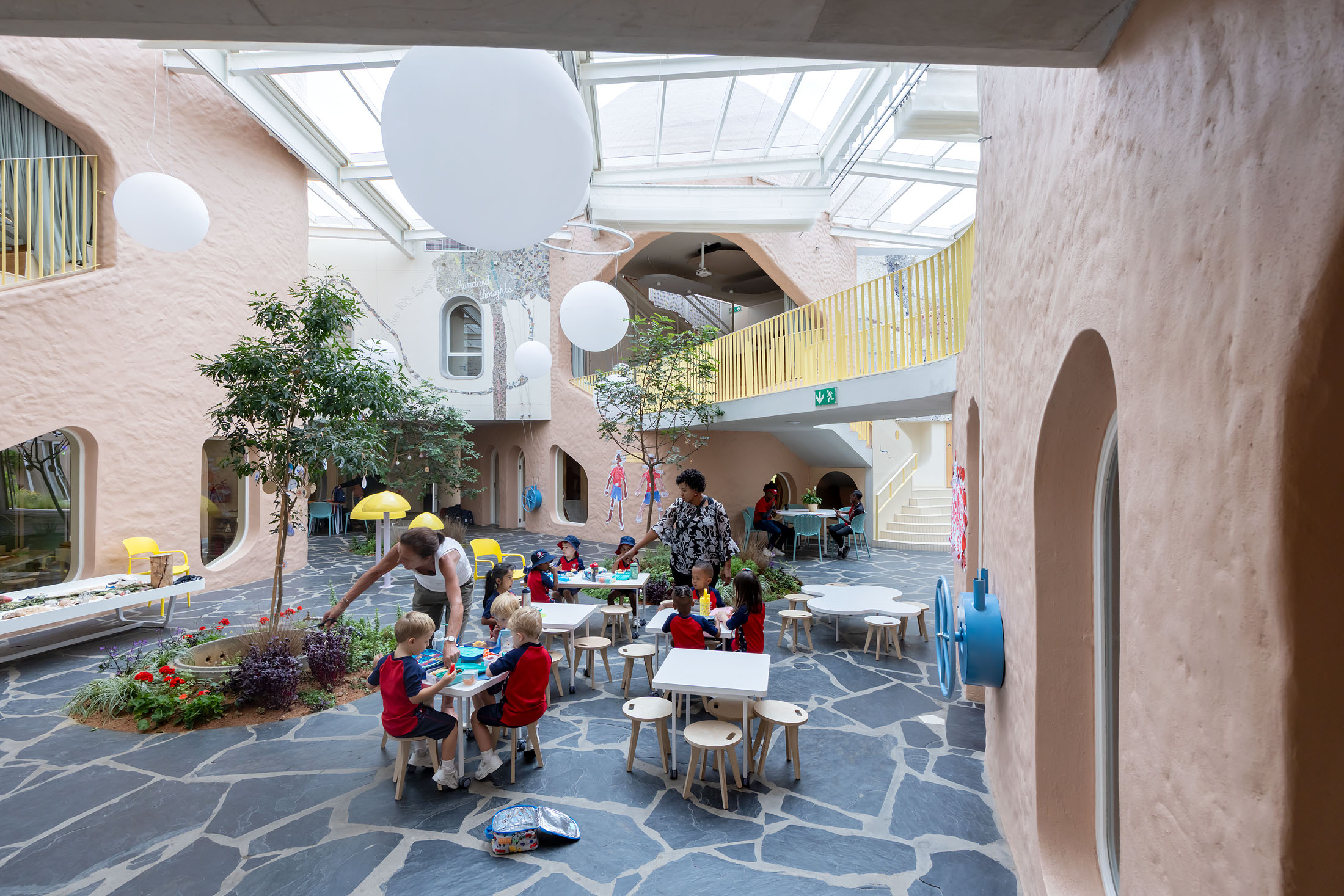
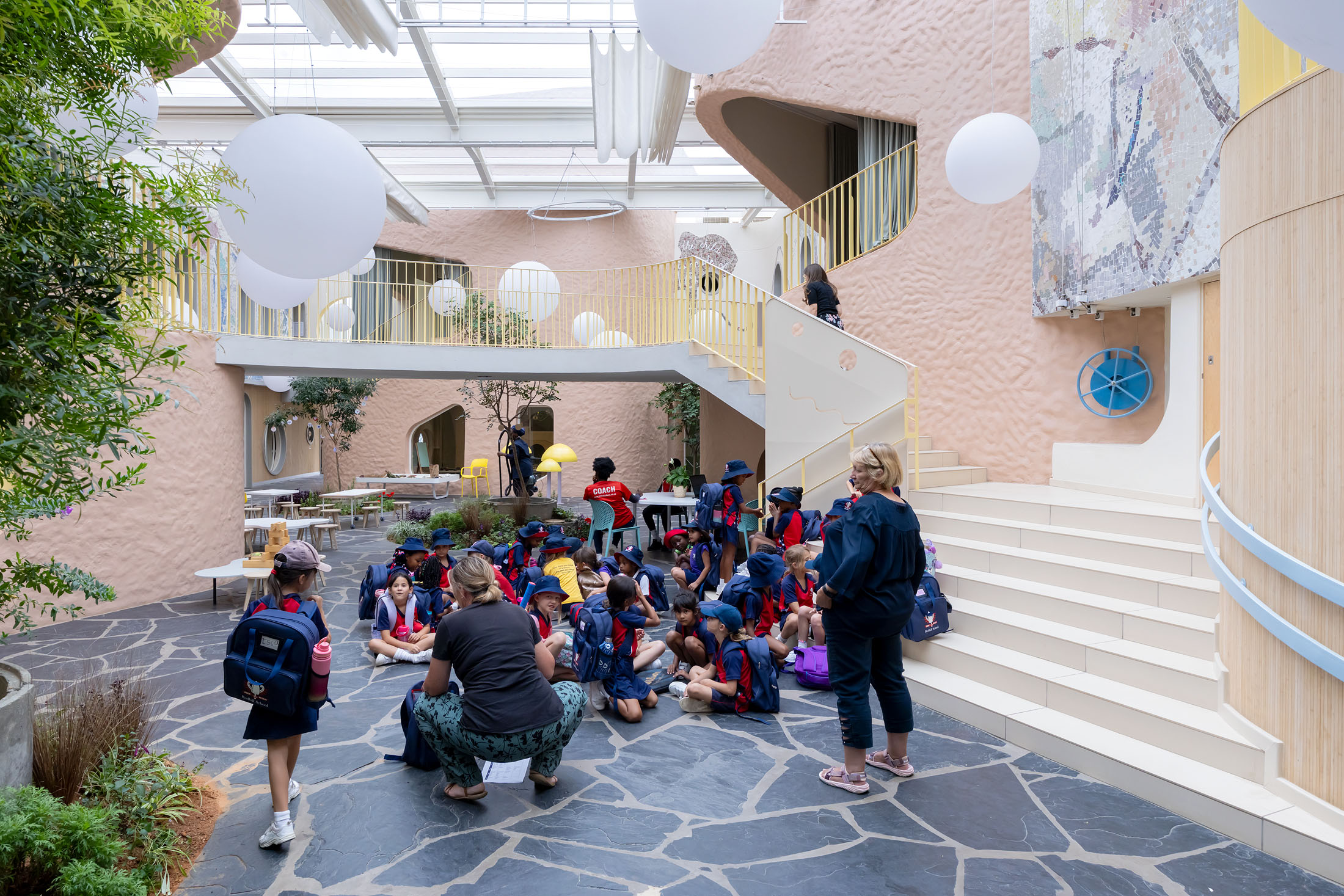
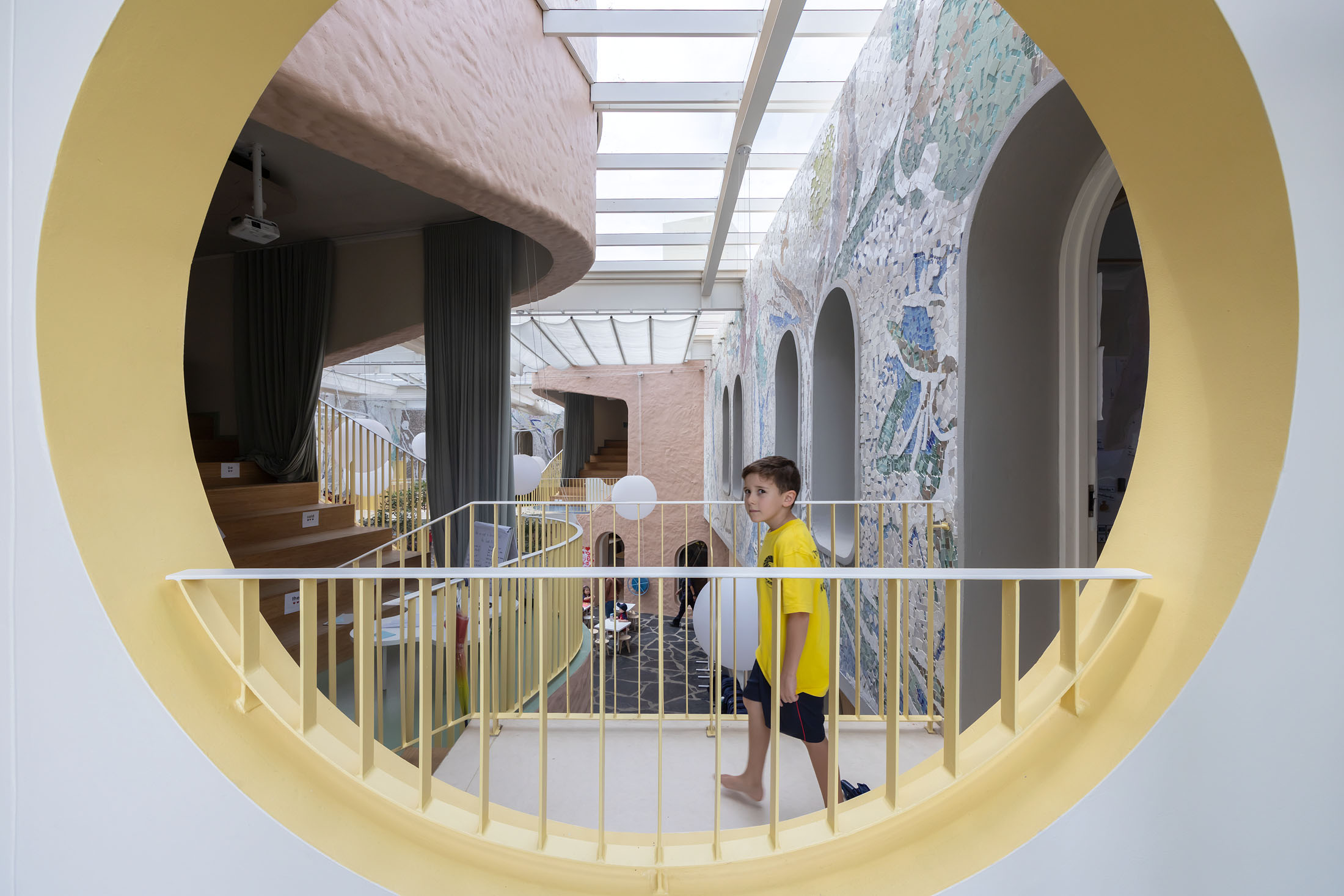
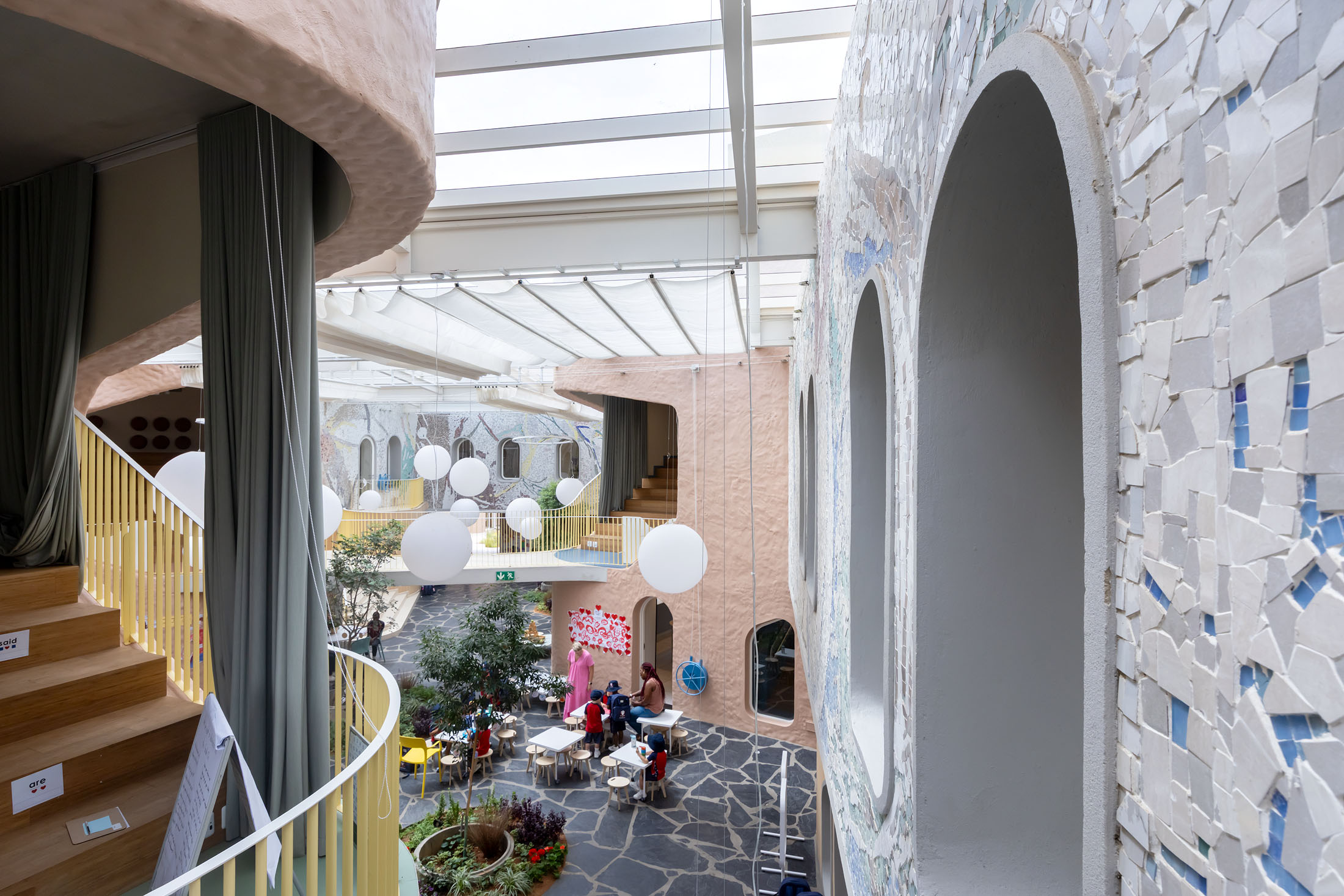
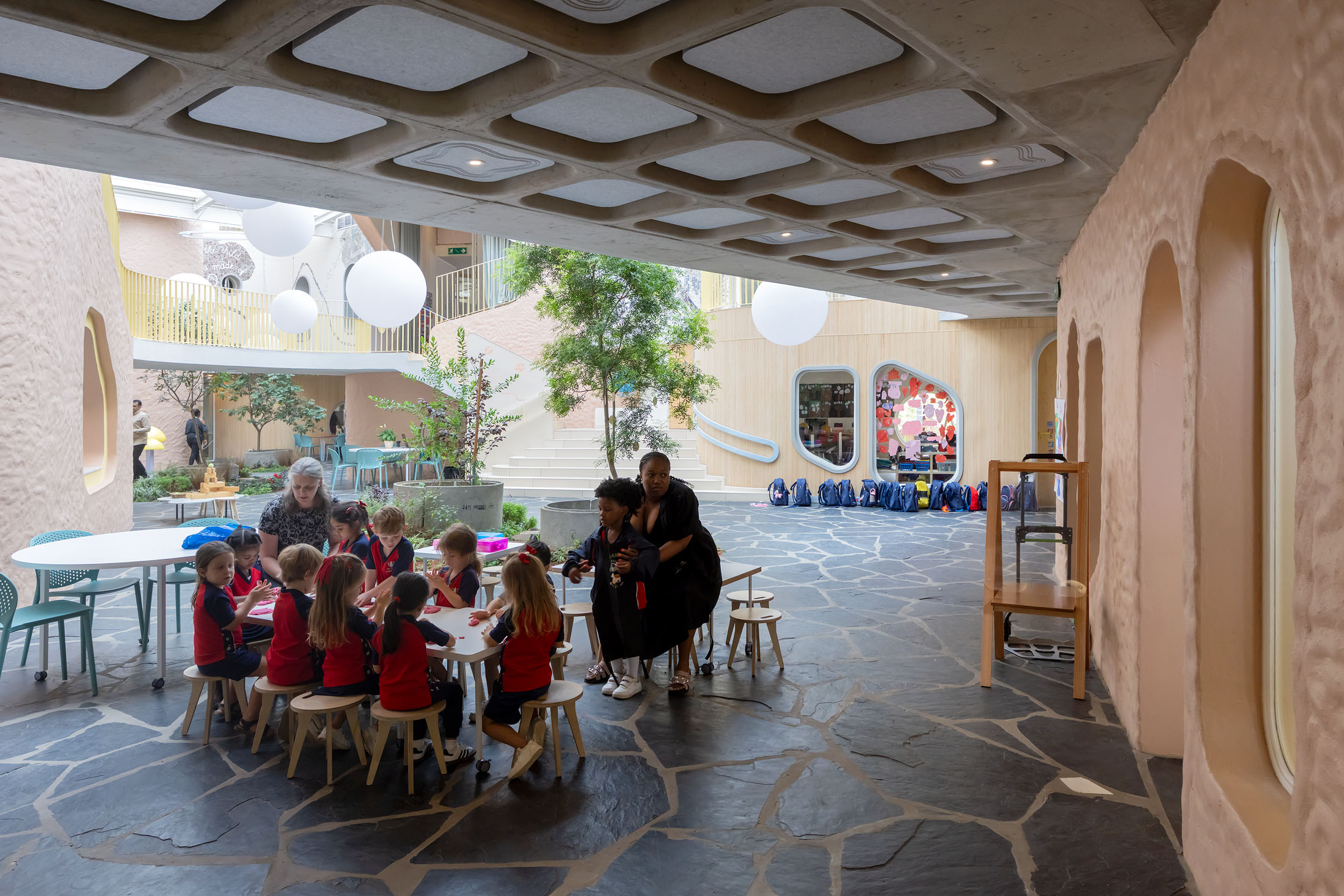
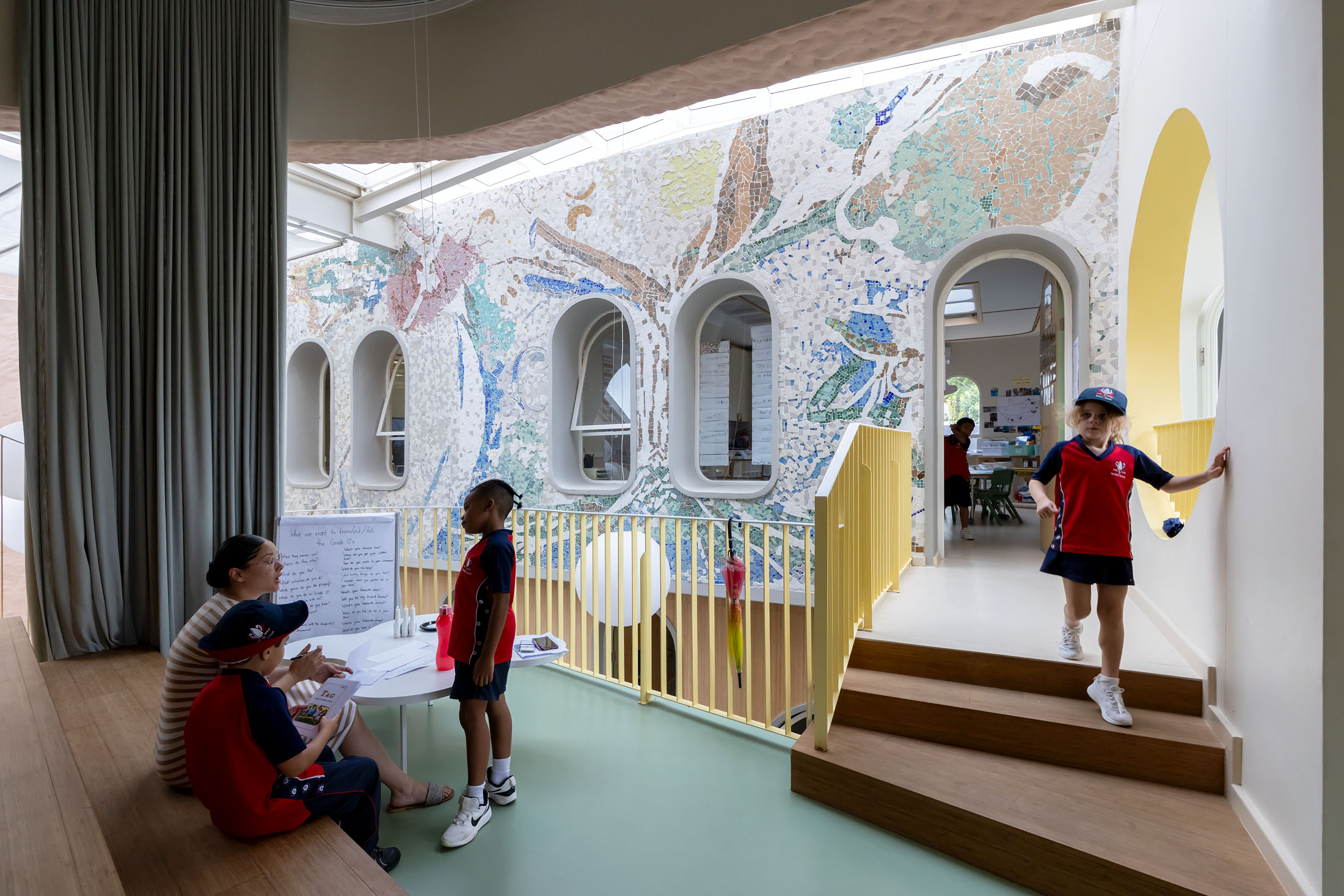
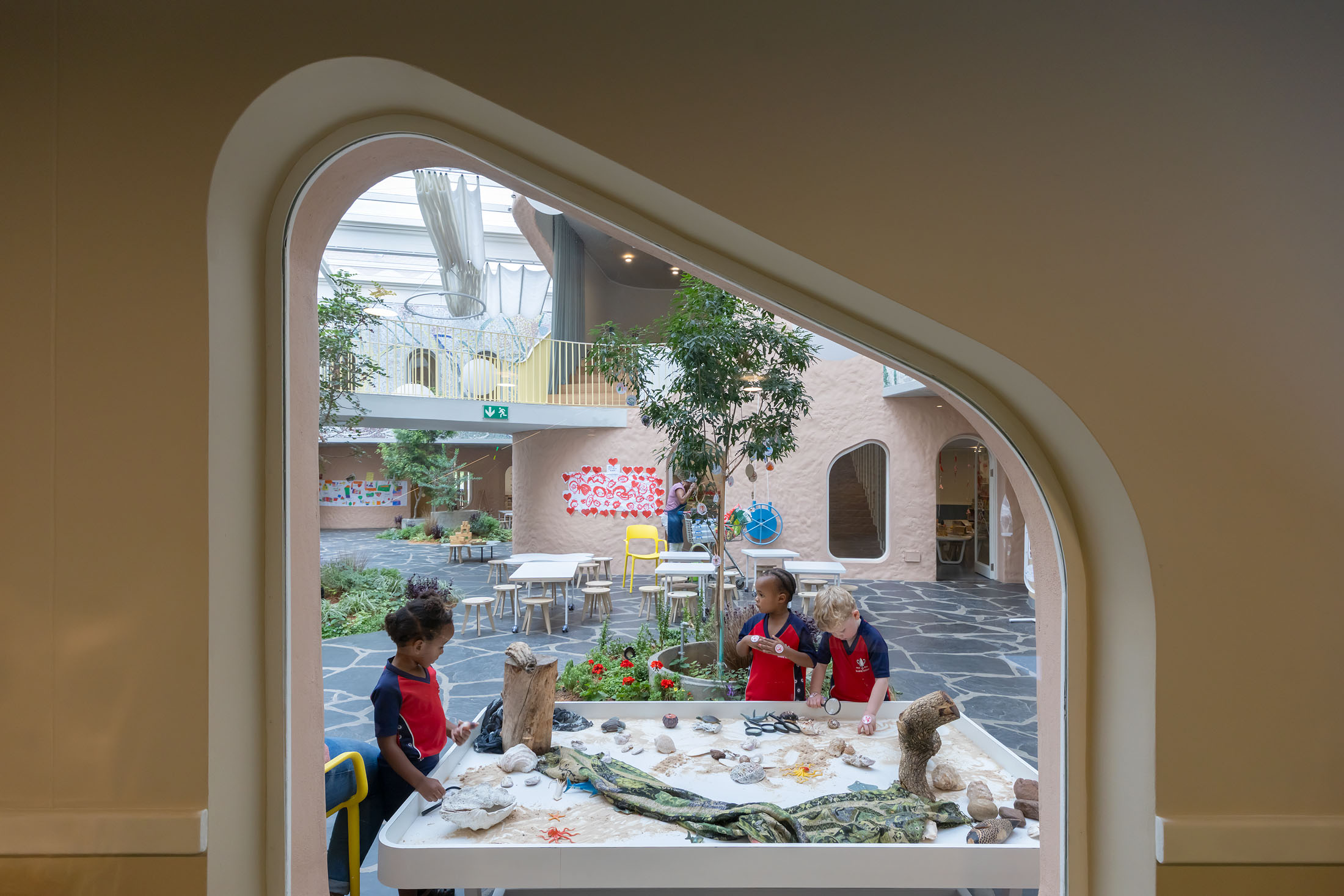
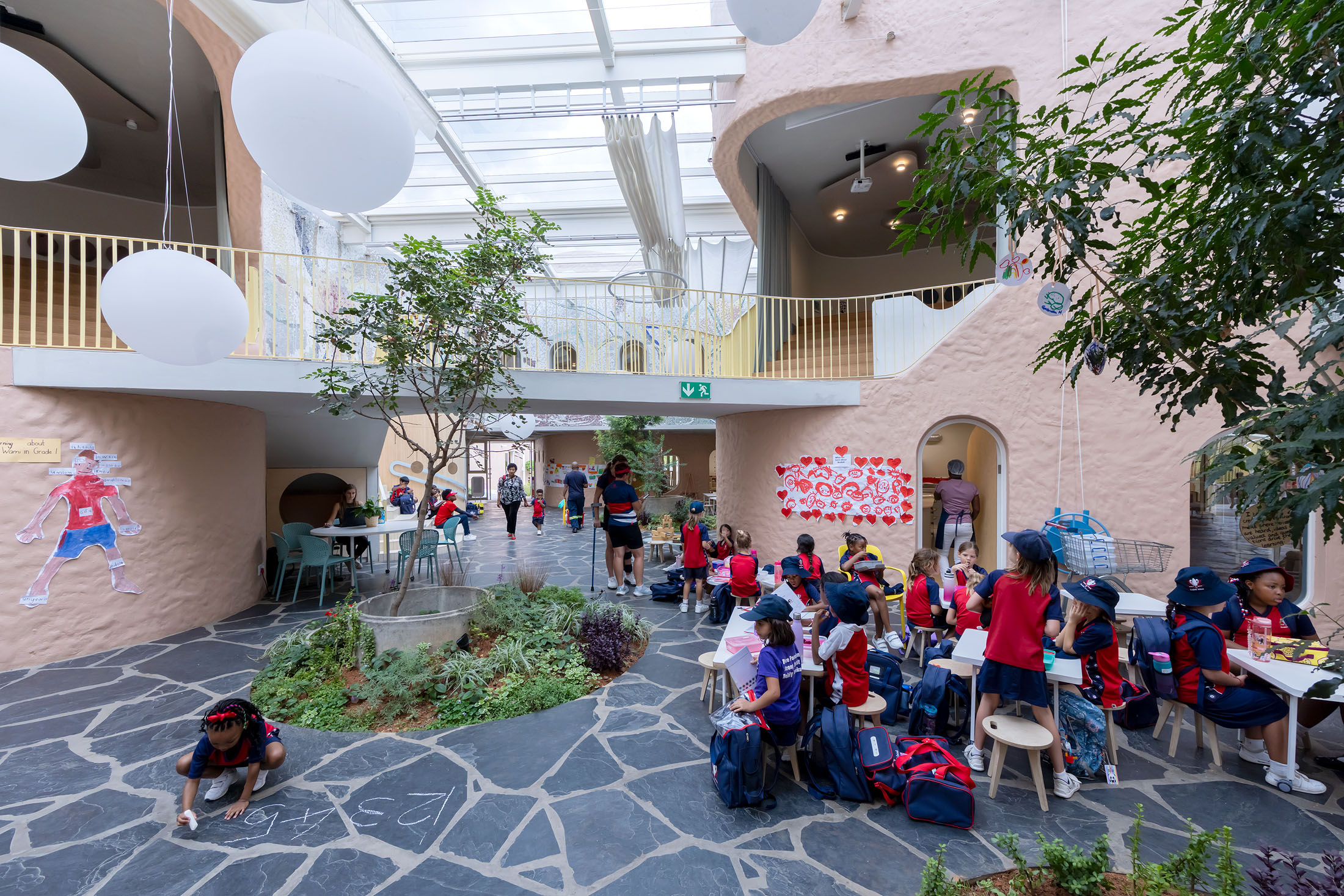
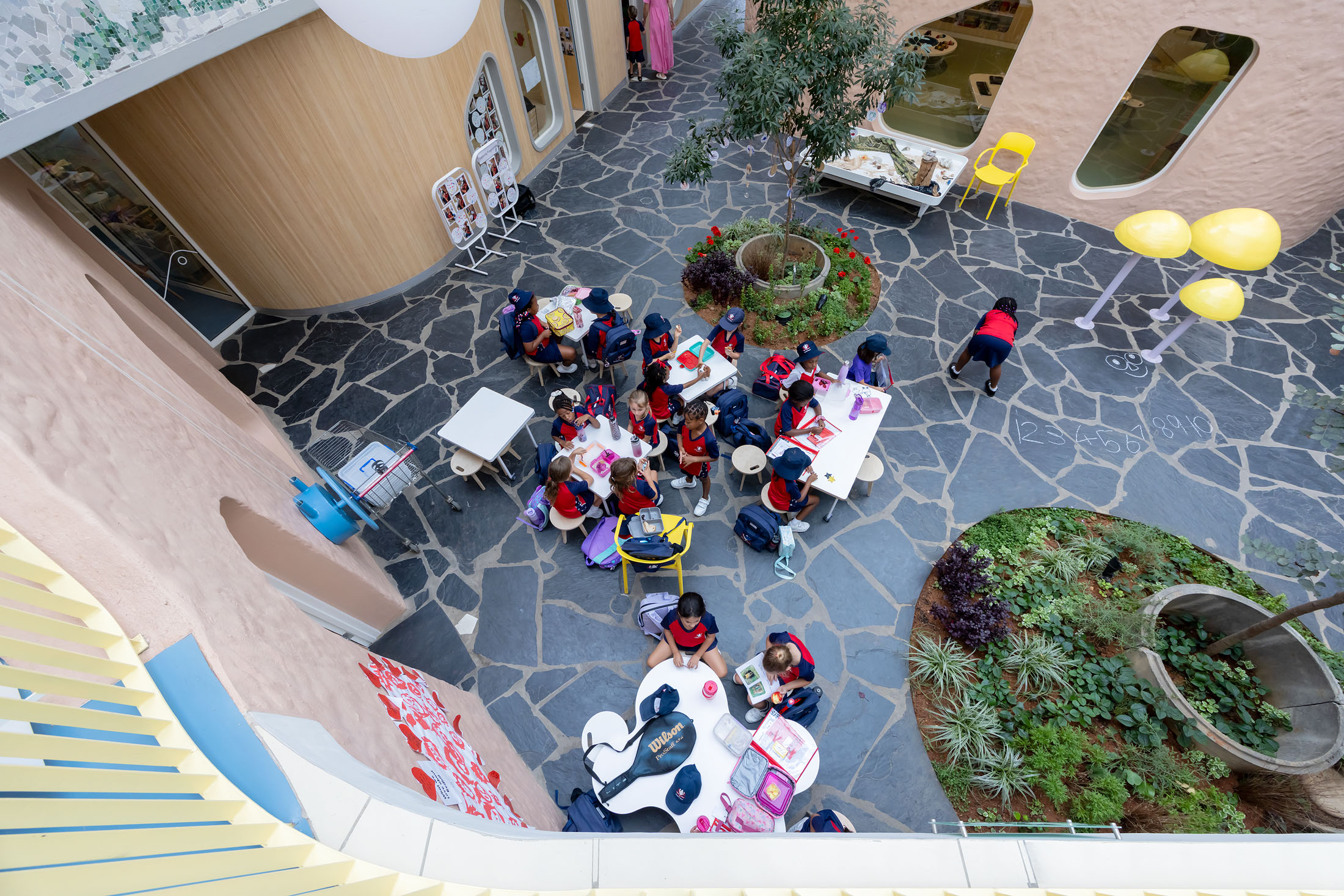
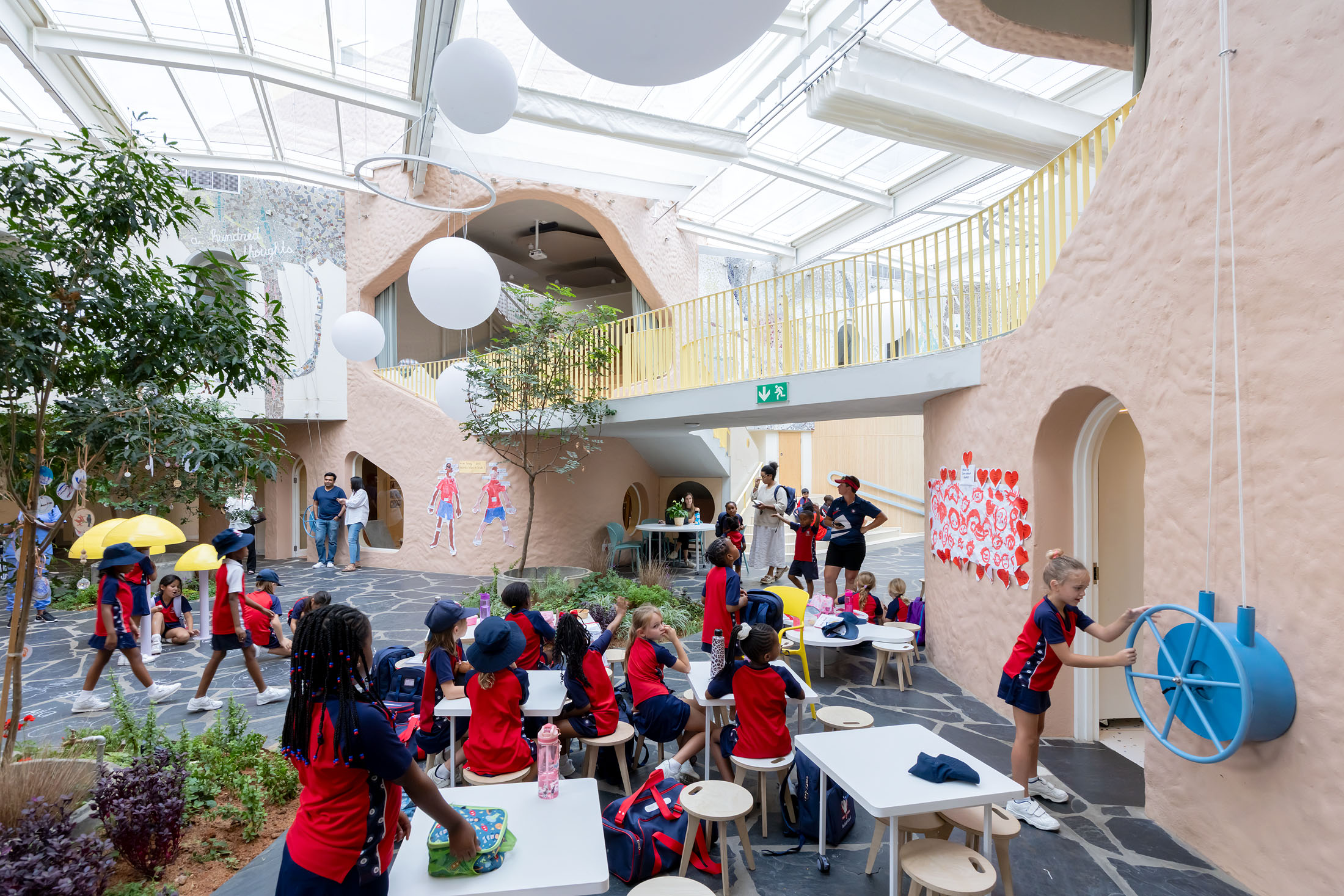
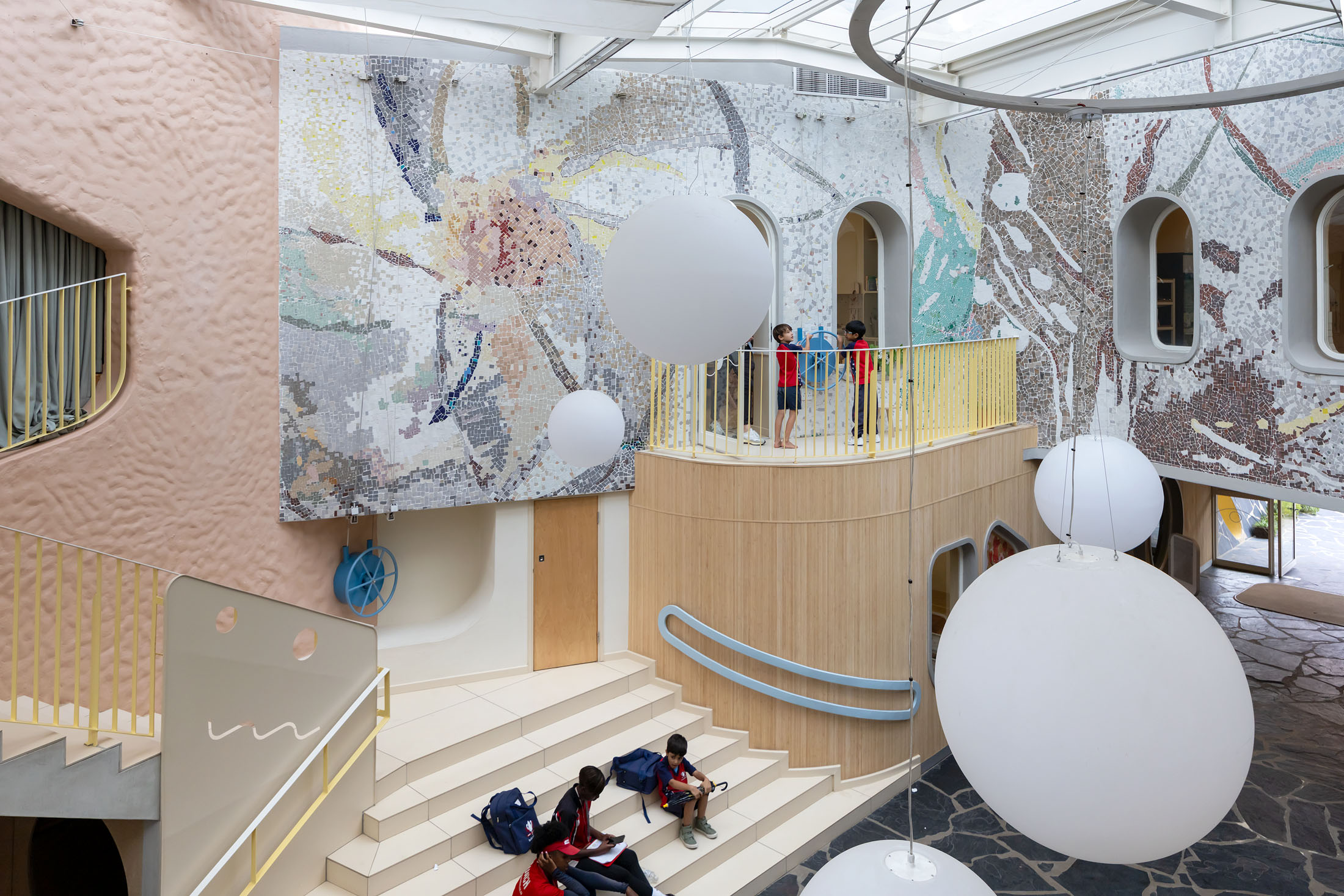
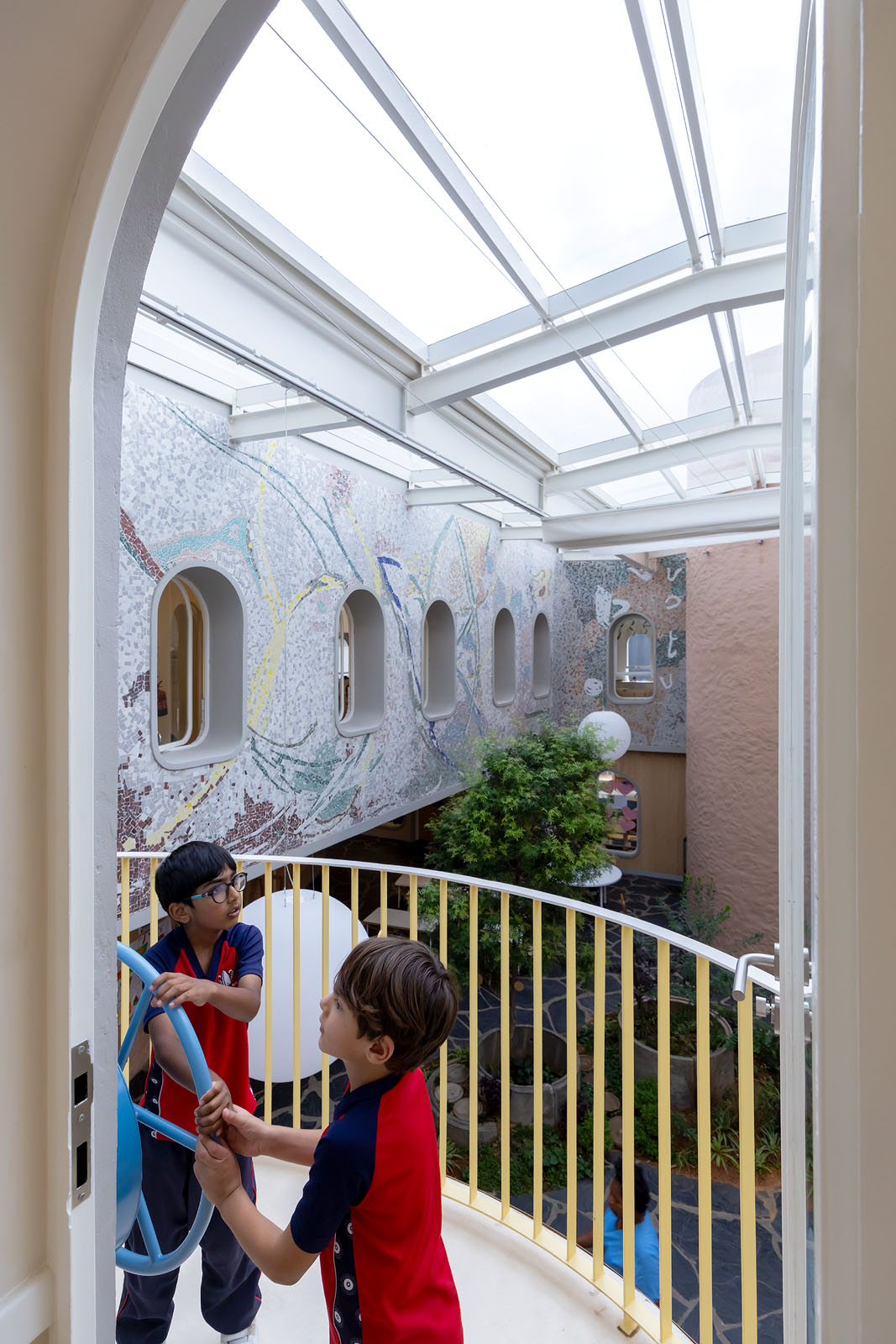
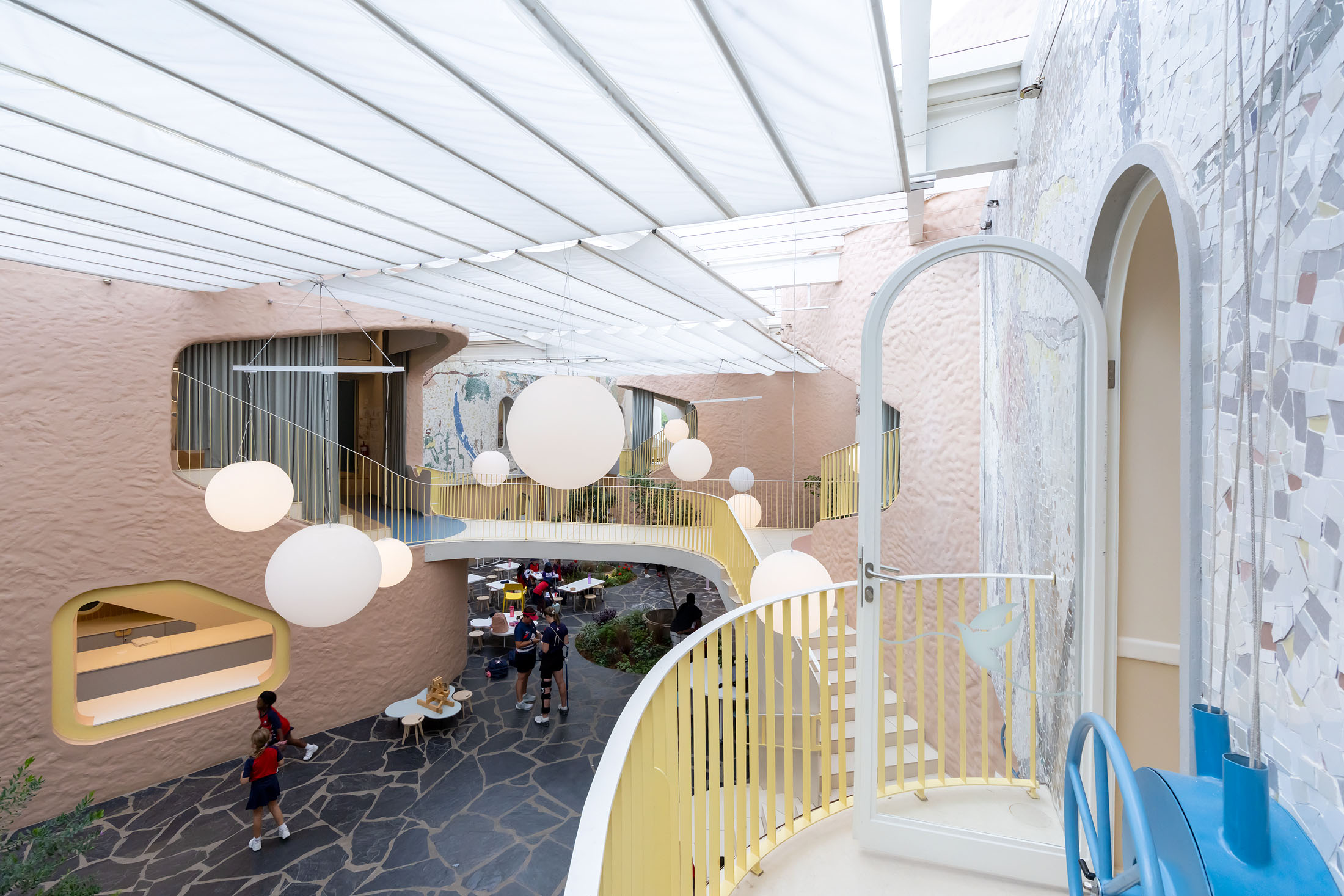
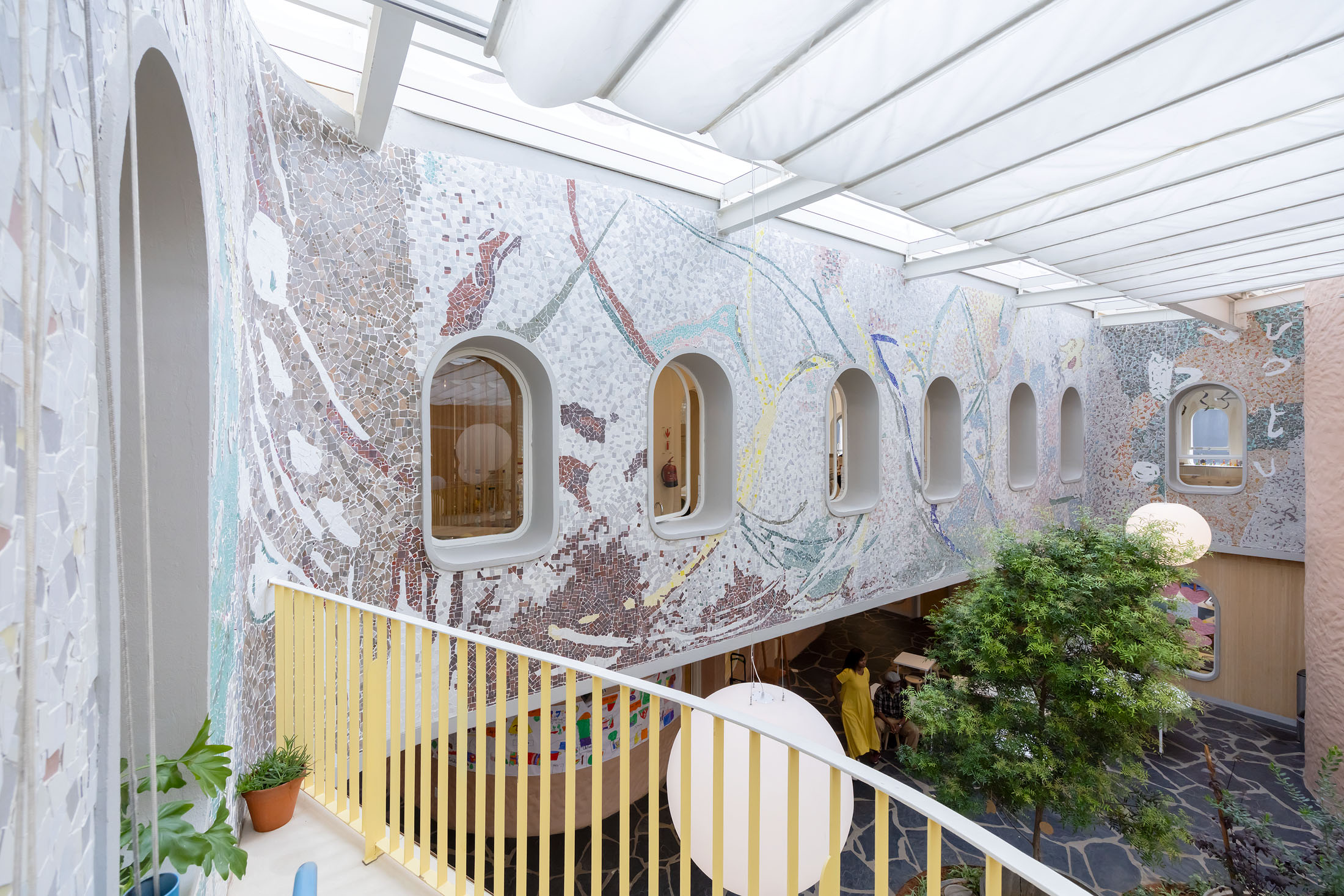
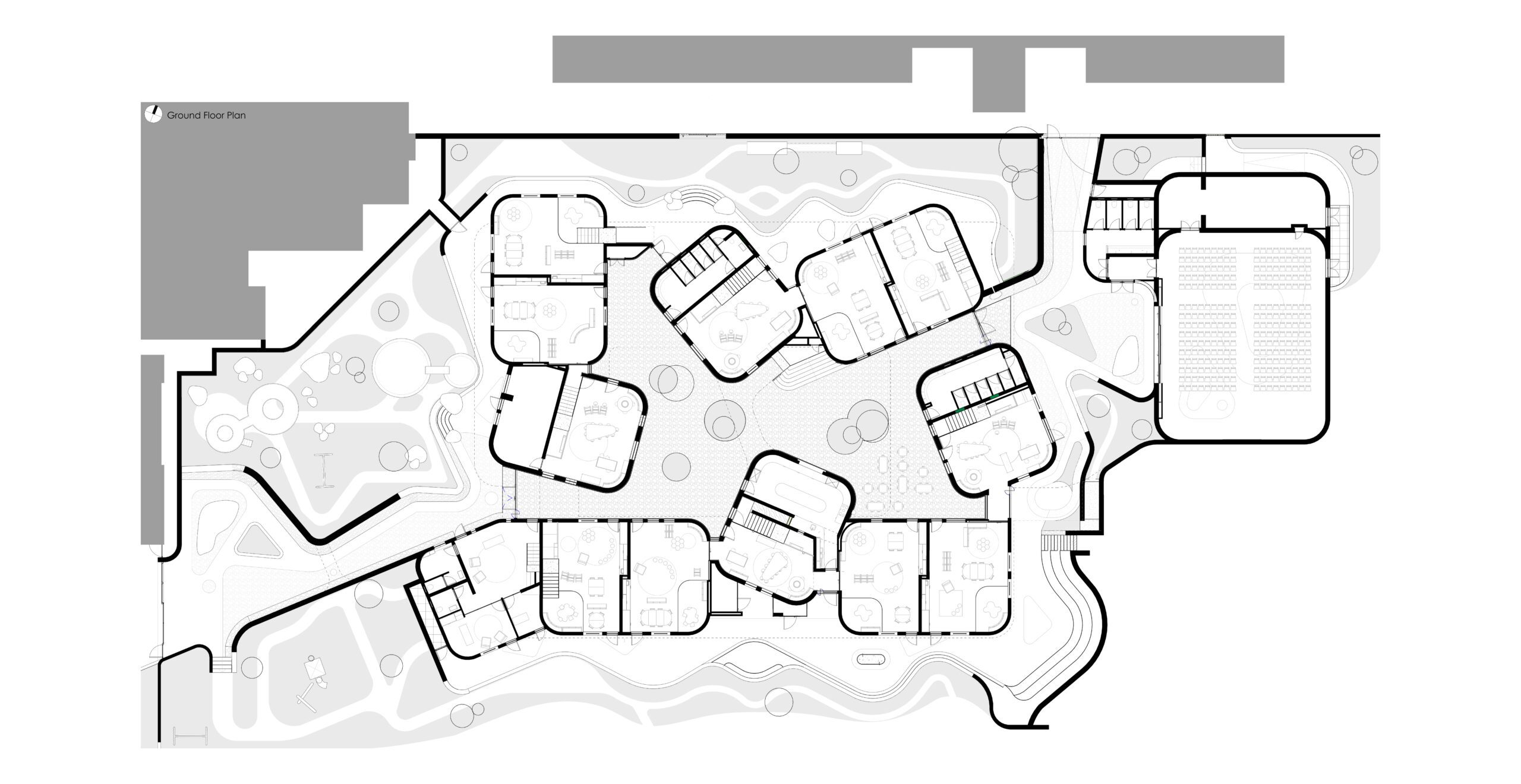
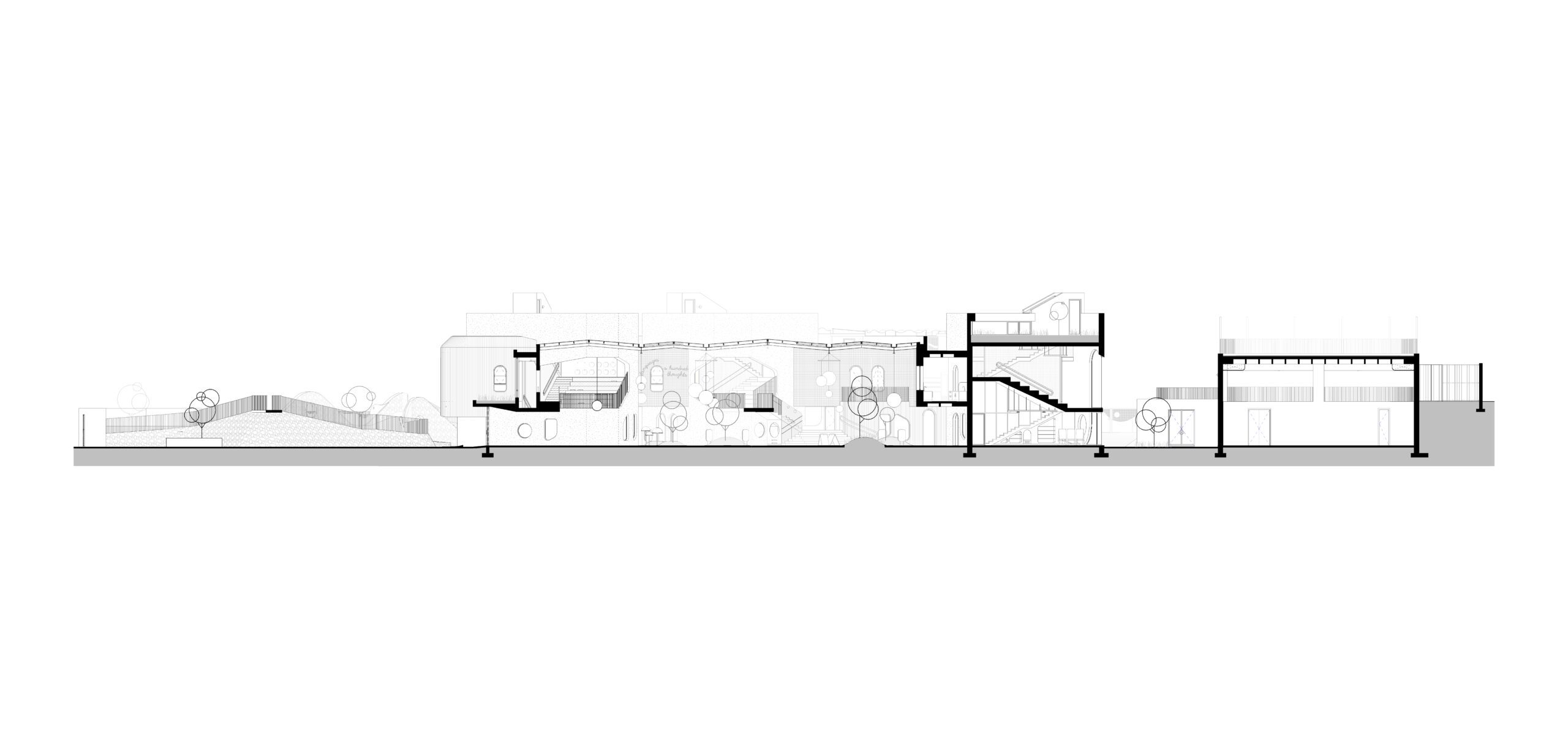
The architecture centres around an African piazza, a reinterpretation of the traditional Italian town square, designed to foster interaction and community. Under a glass roof, the piazza is wrapped in mosaic carrying motifs drawn by the children, inviting a visual exploration of the 100 languages. A kitchen offers aromas of cooking into the piazza and the opportunity to observe and participate in the preparation of healthy meals.

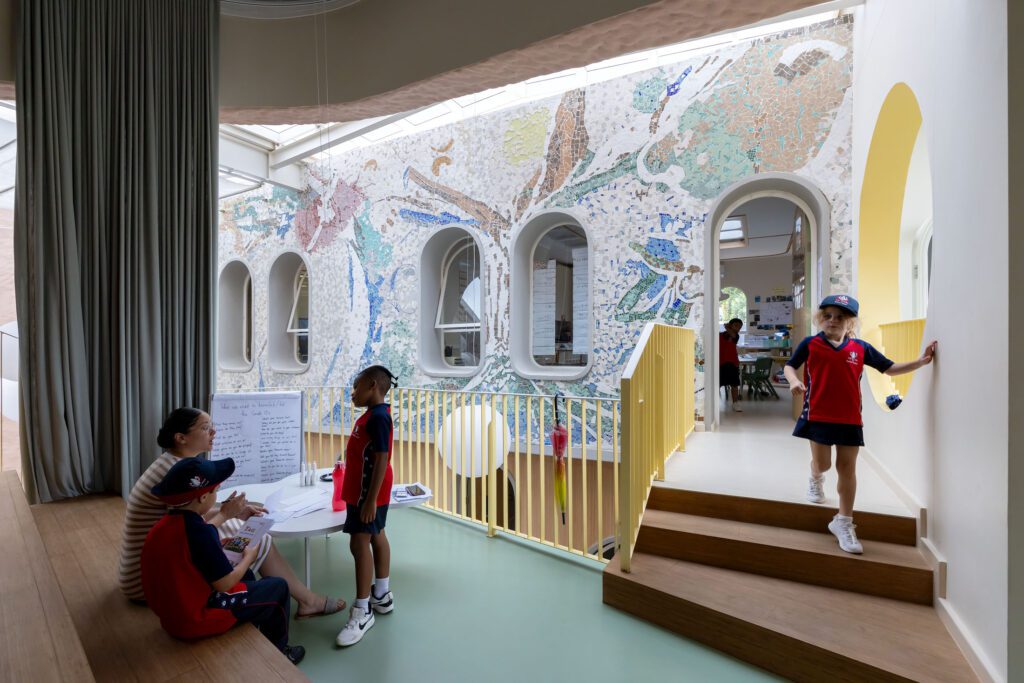

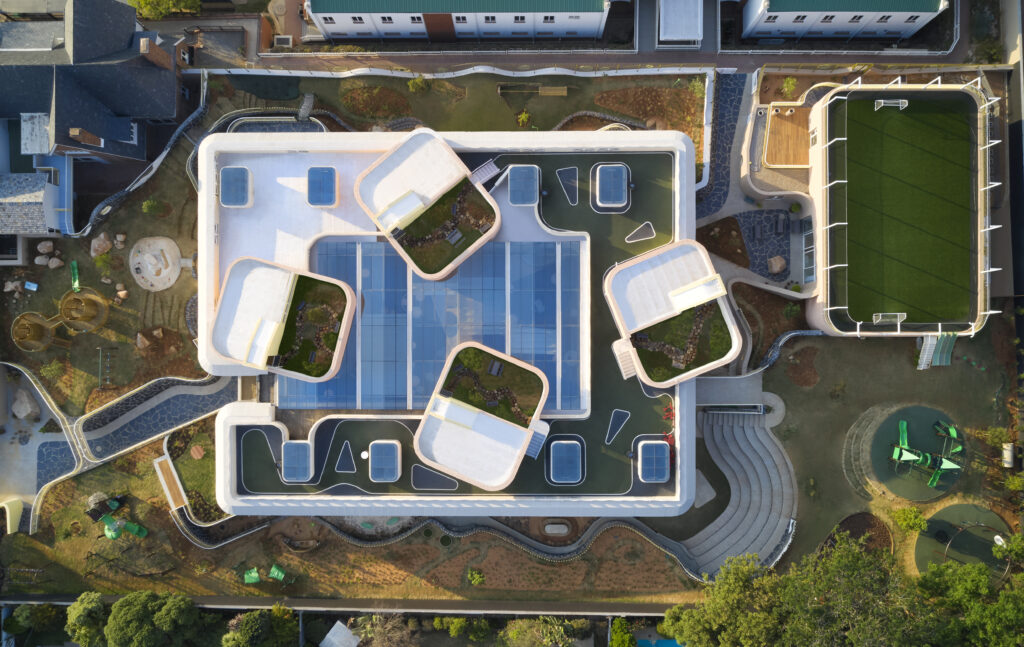
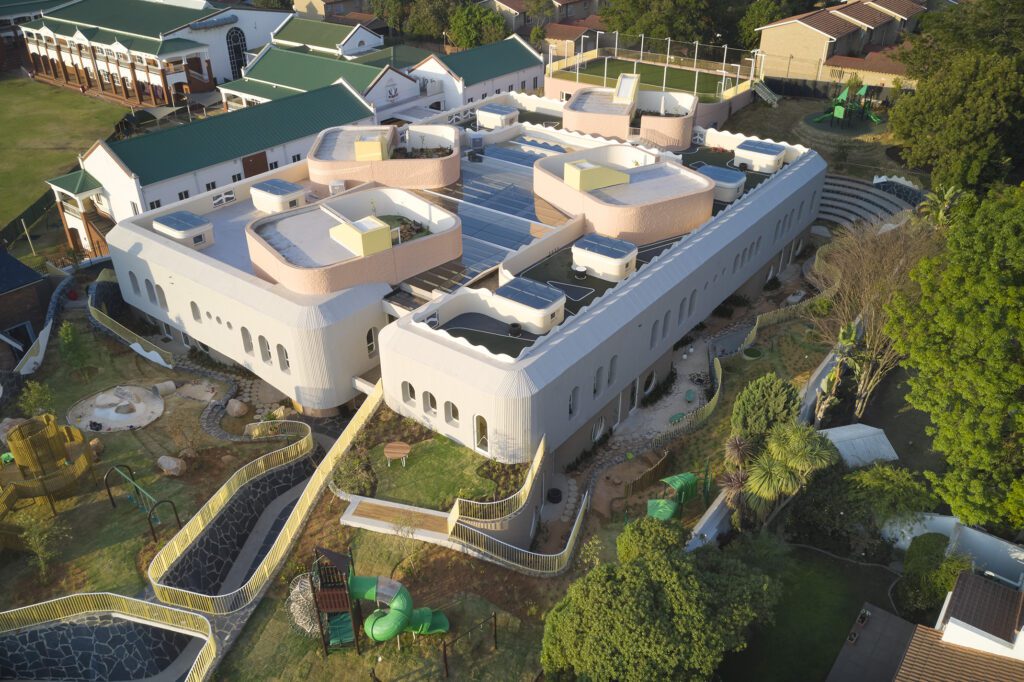
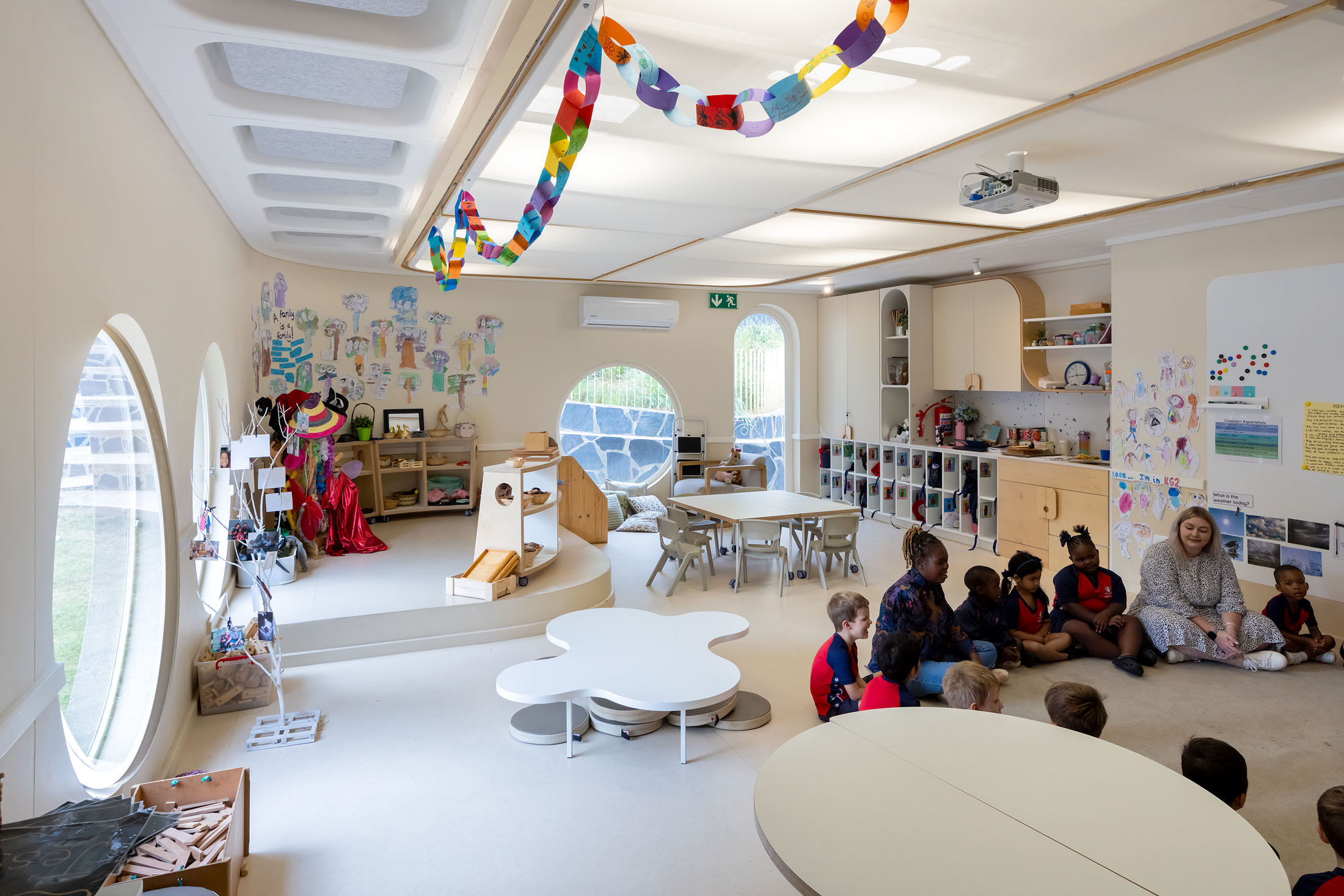
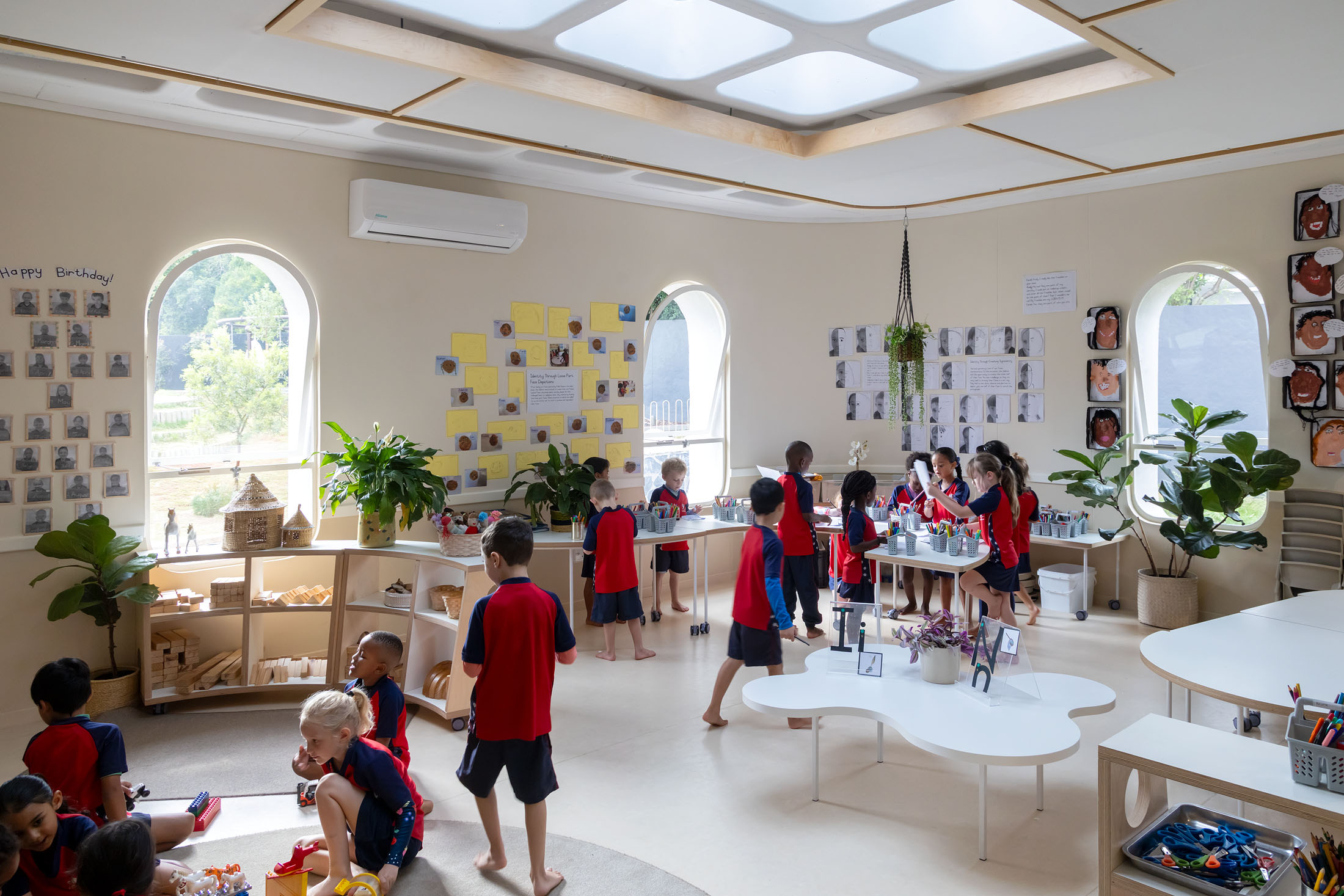
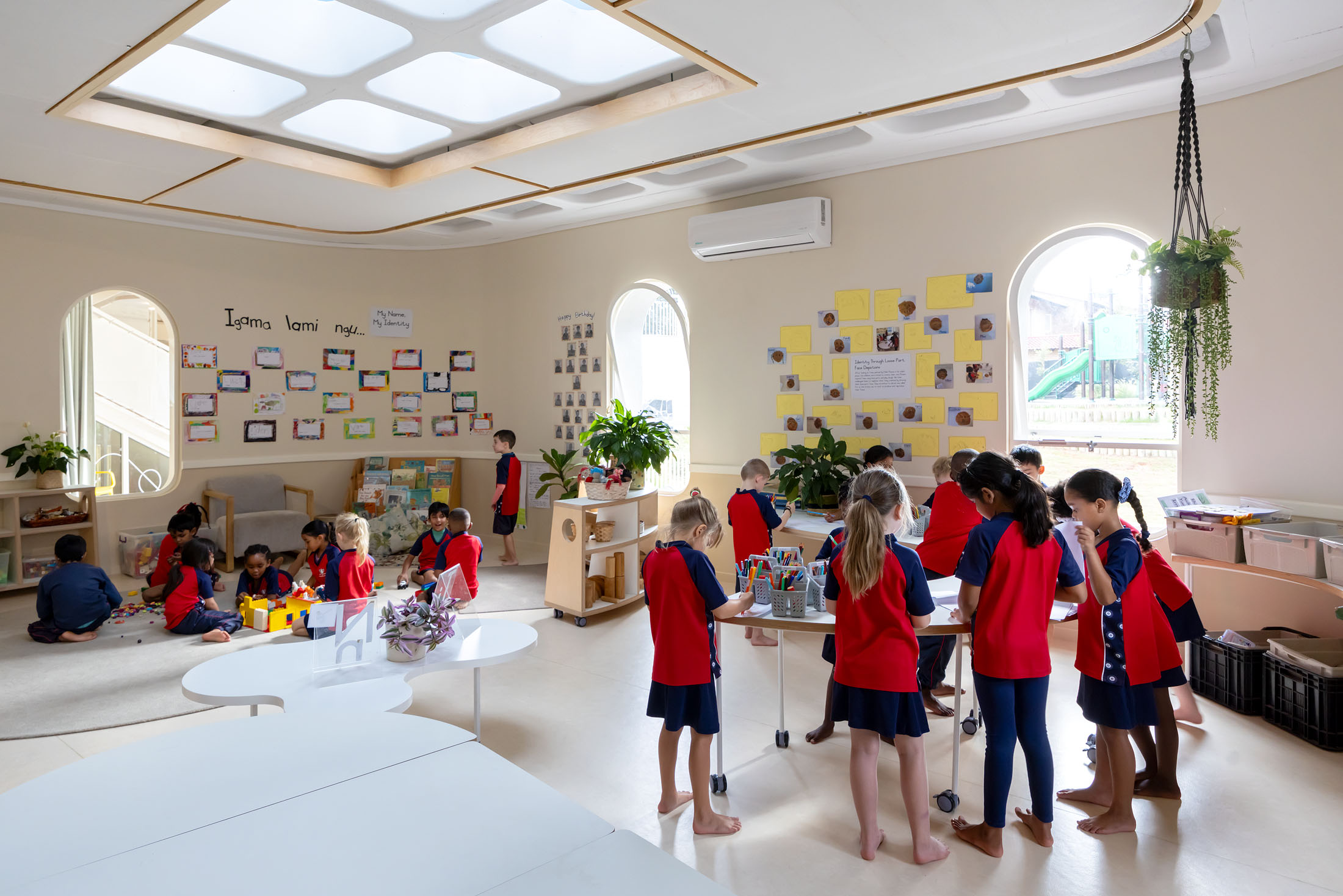
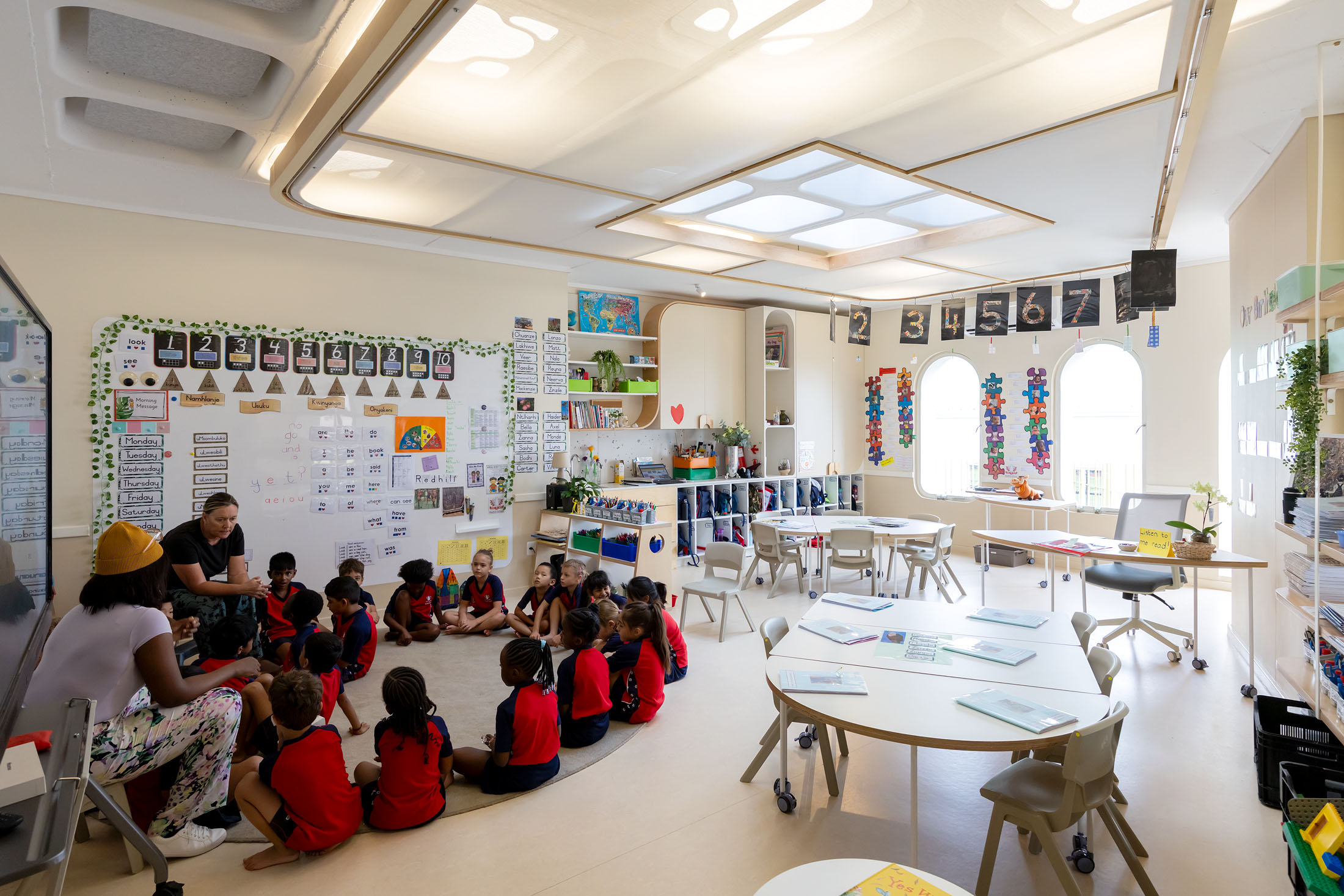
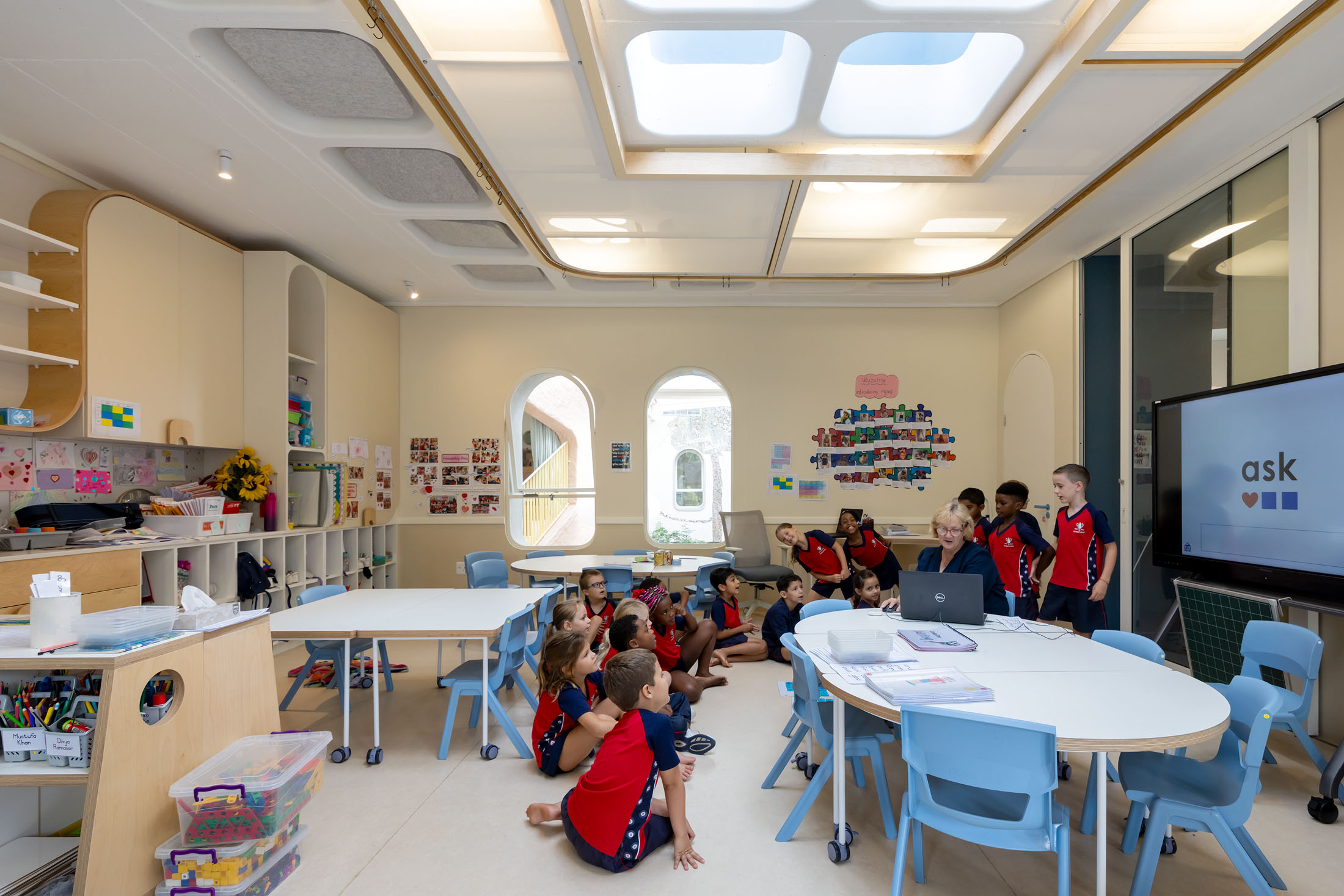
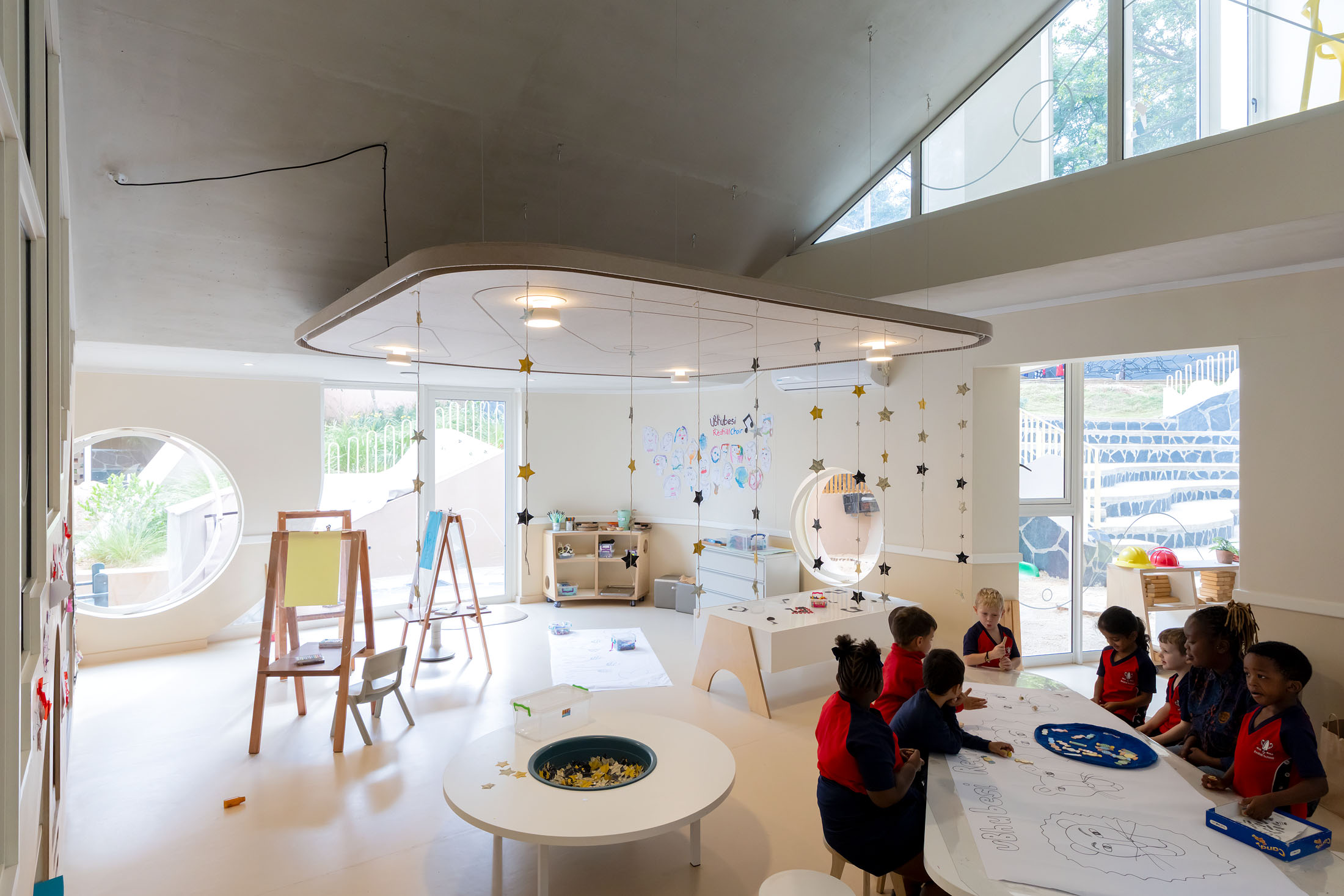
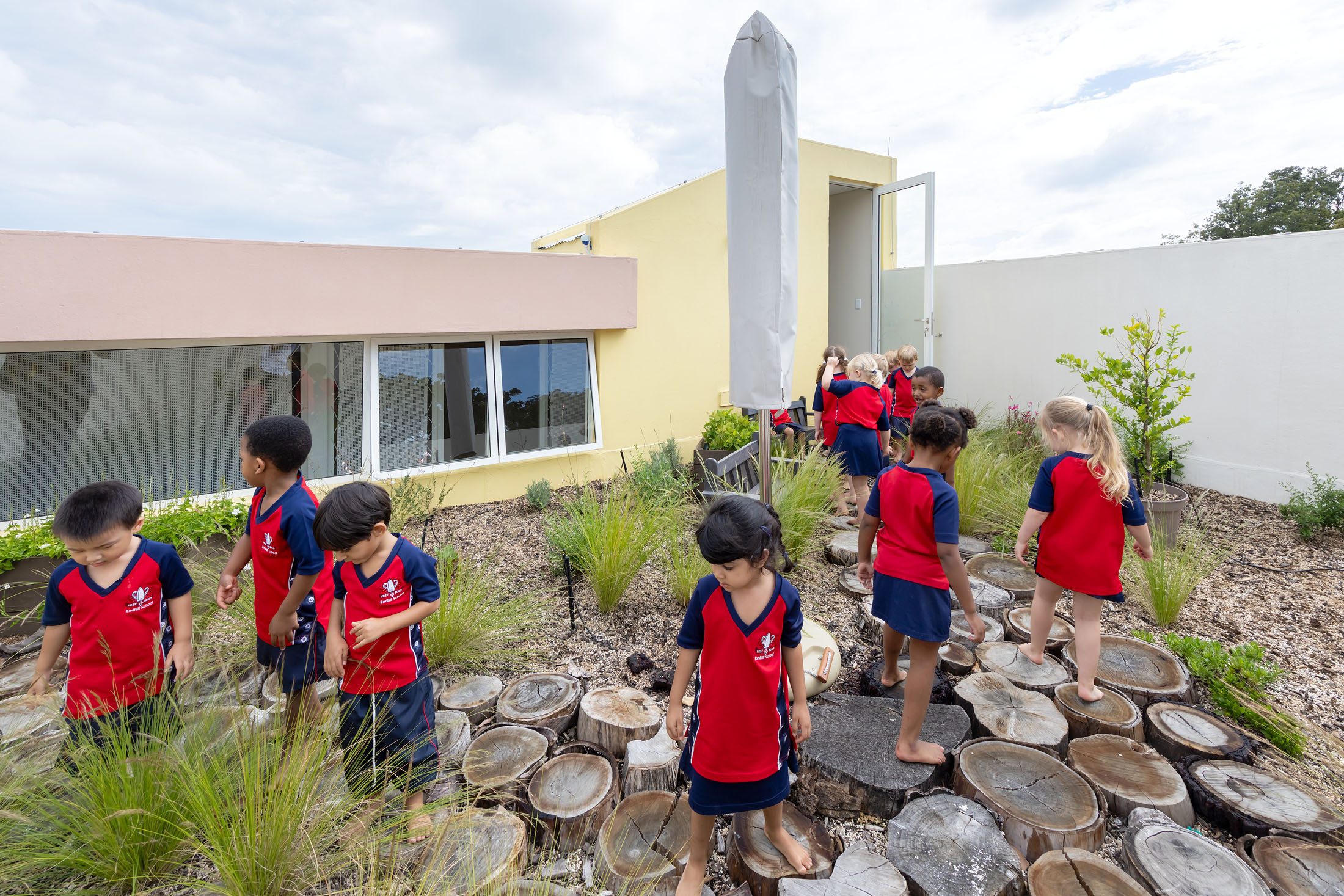
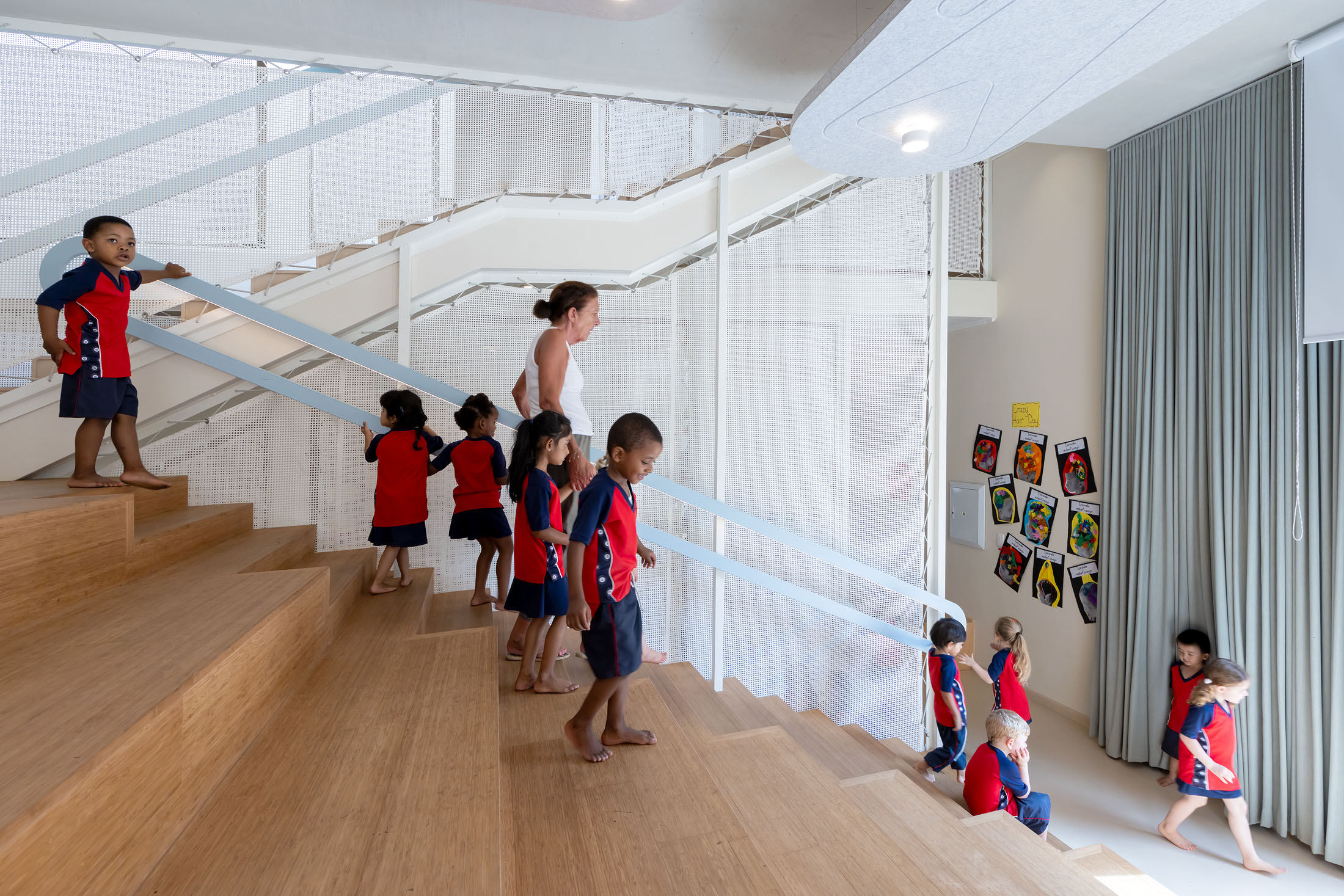
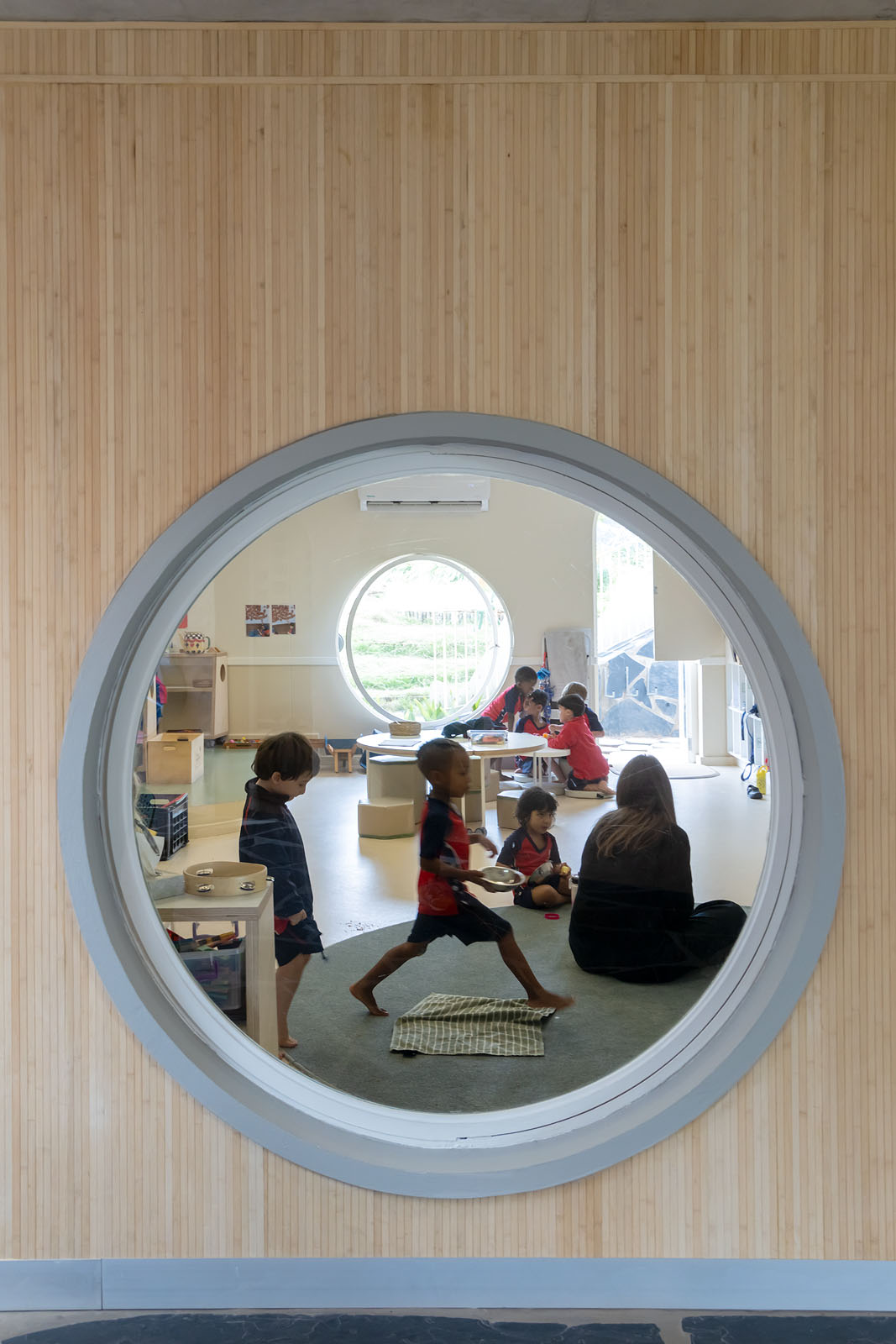
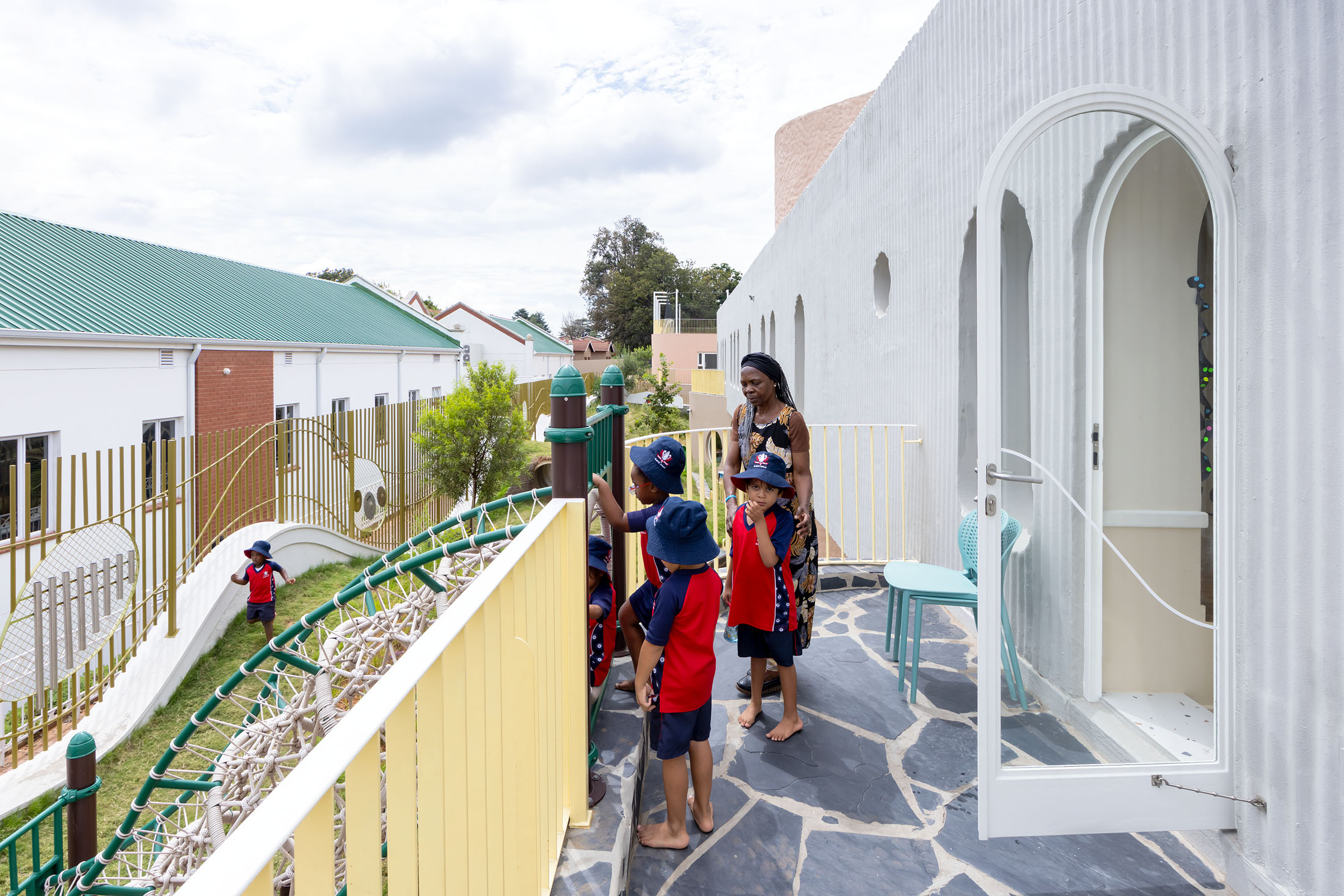
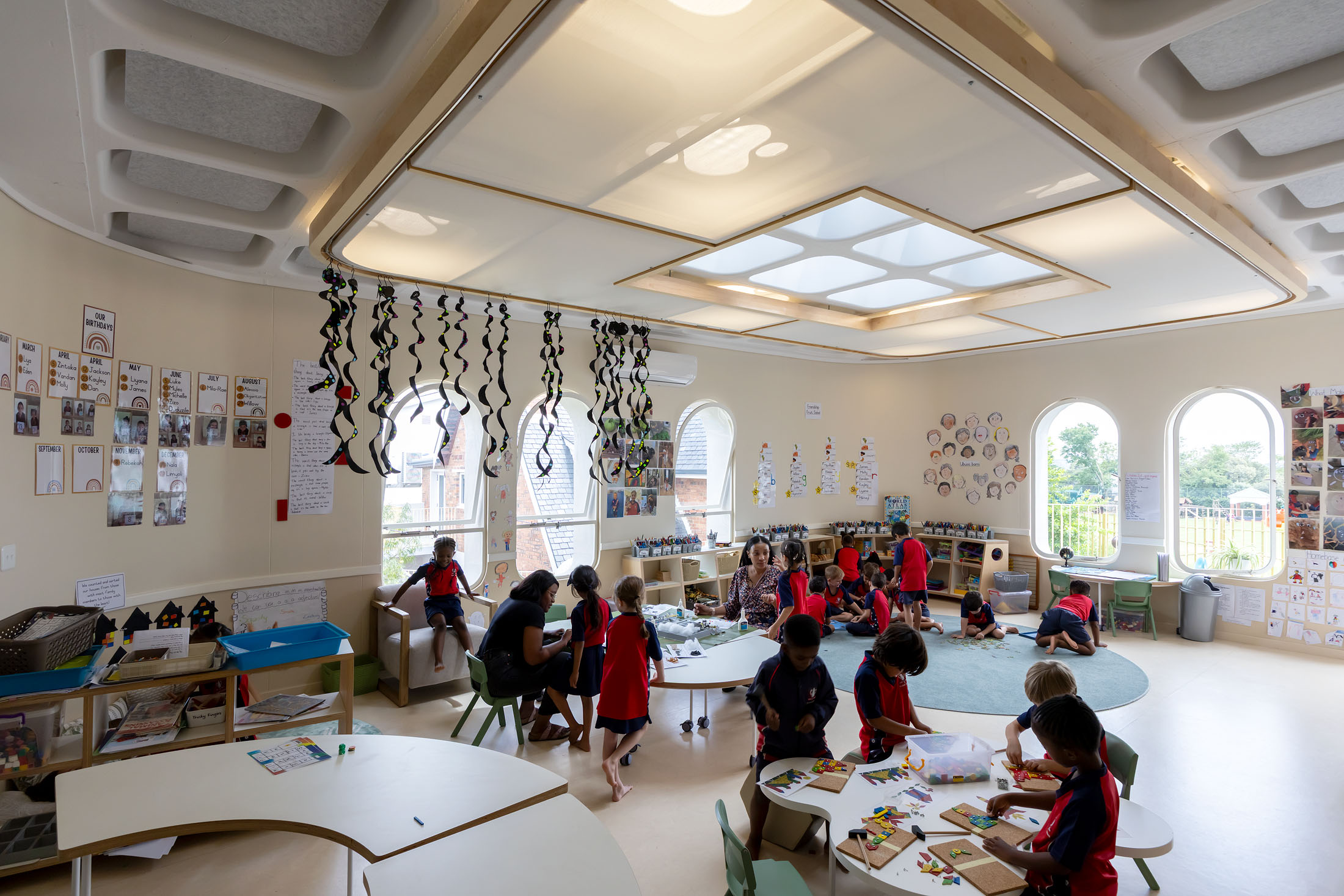
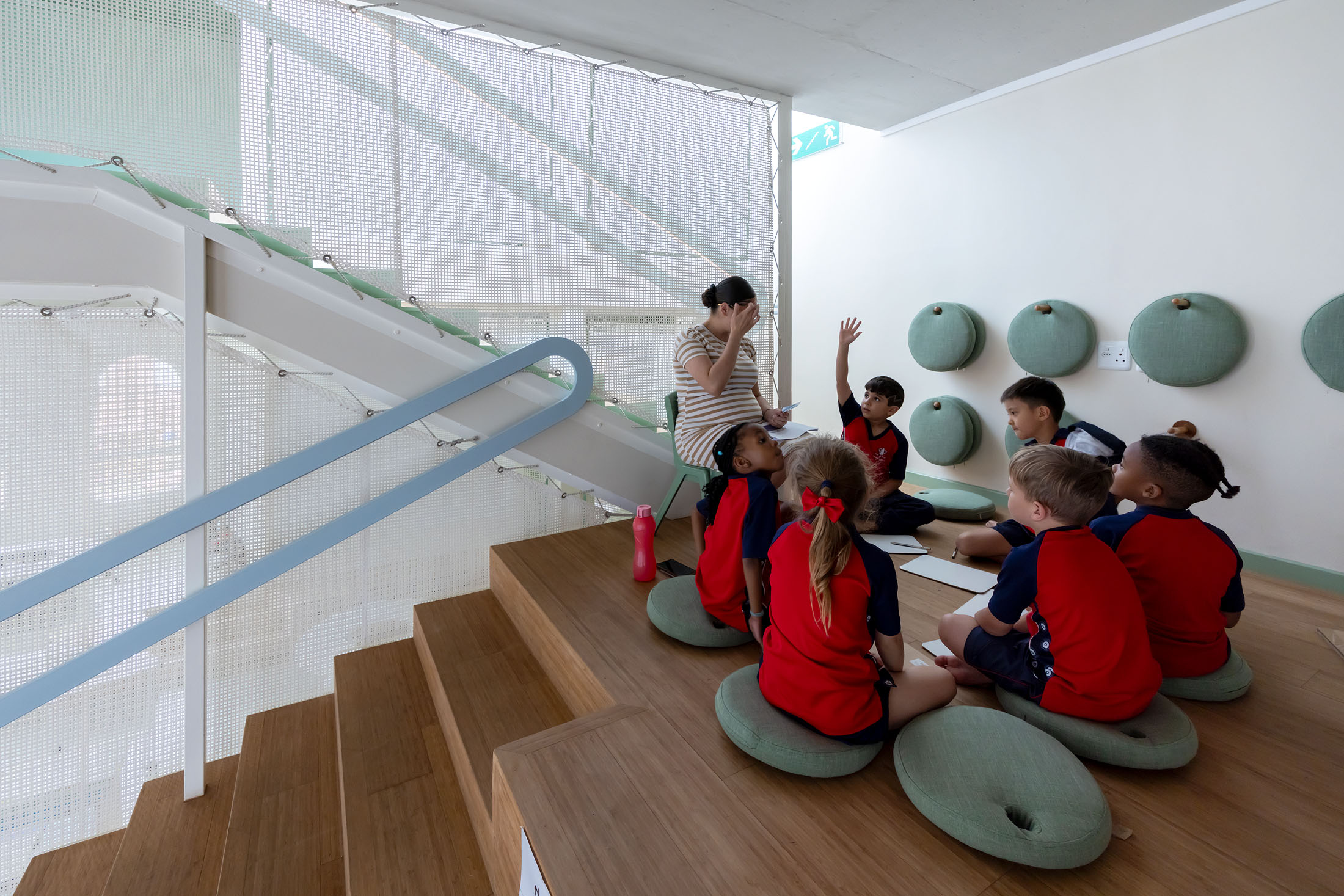
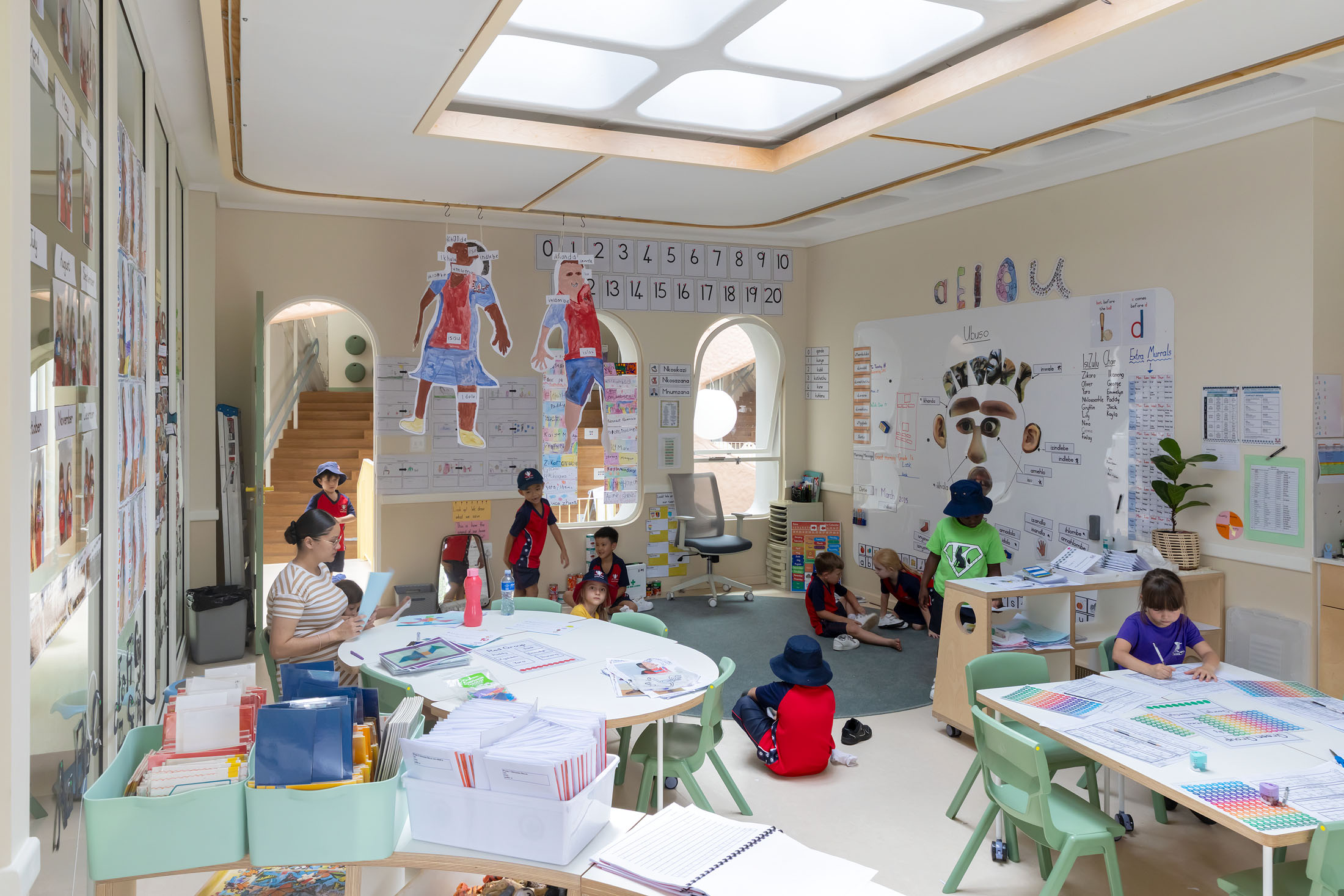
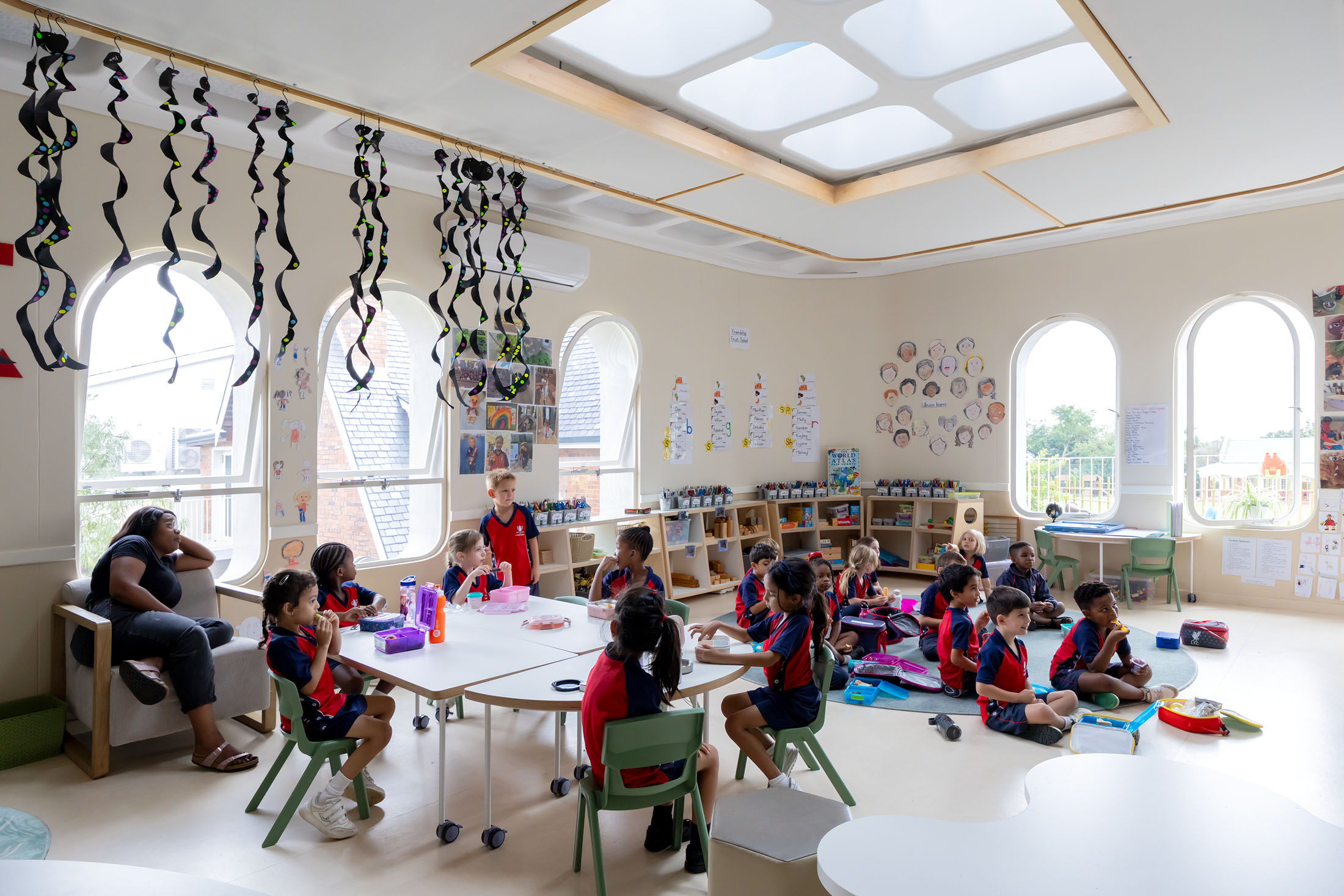
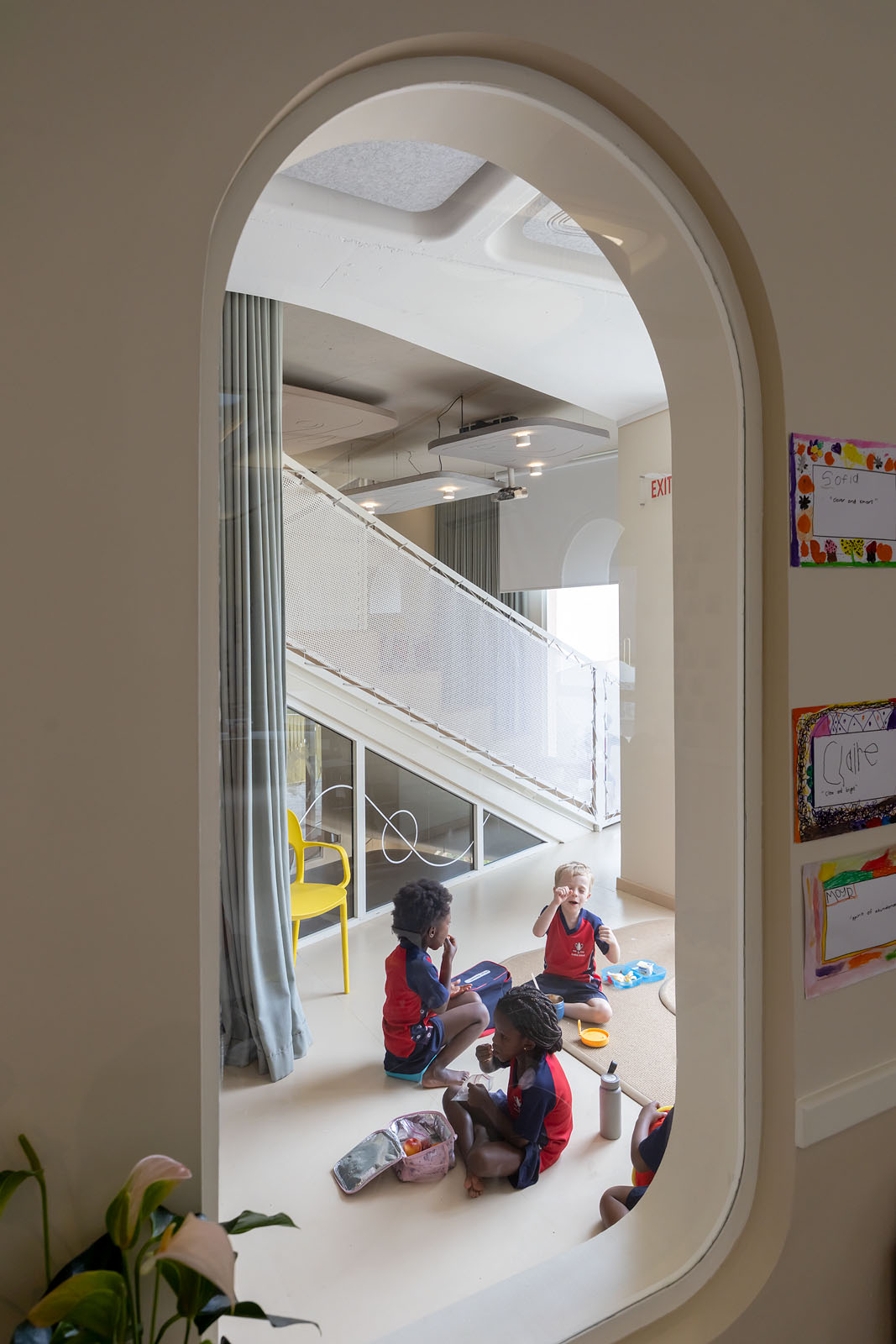
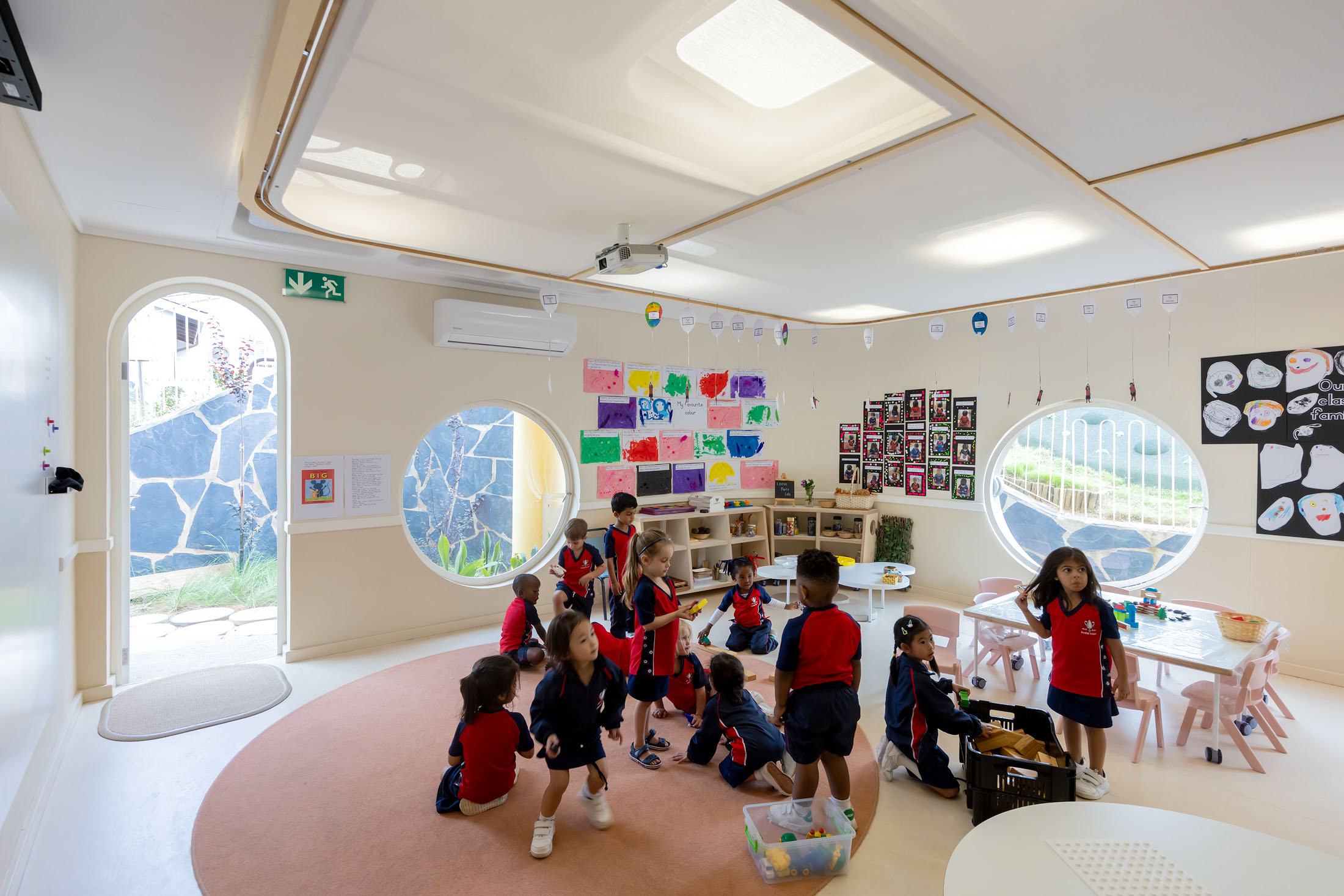
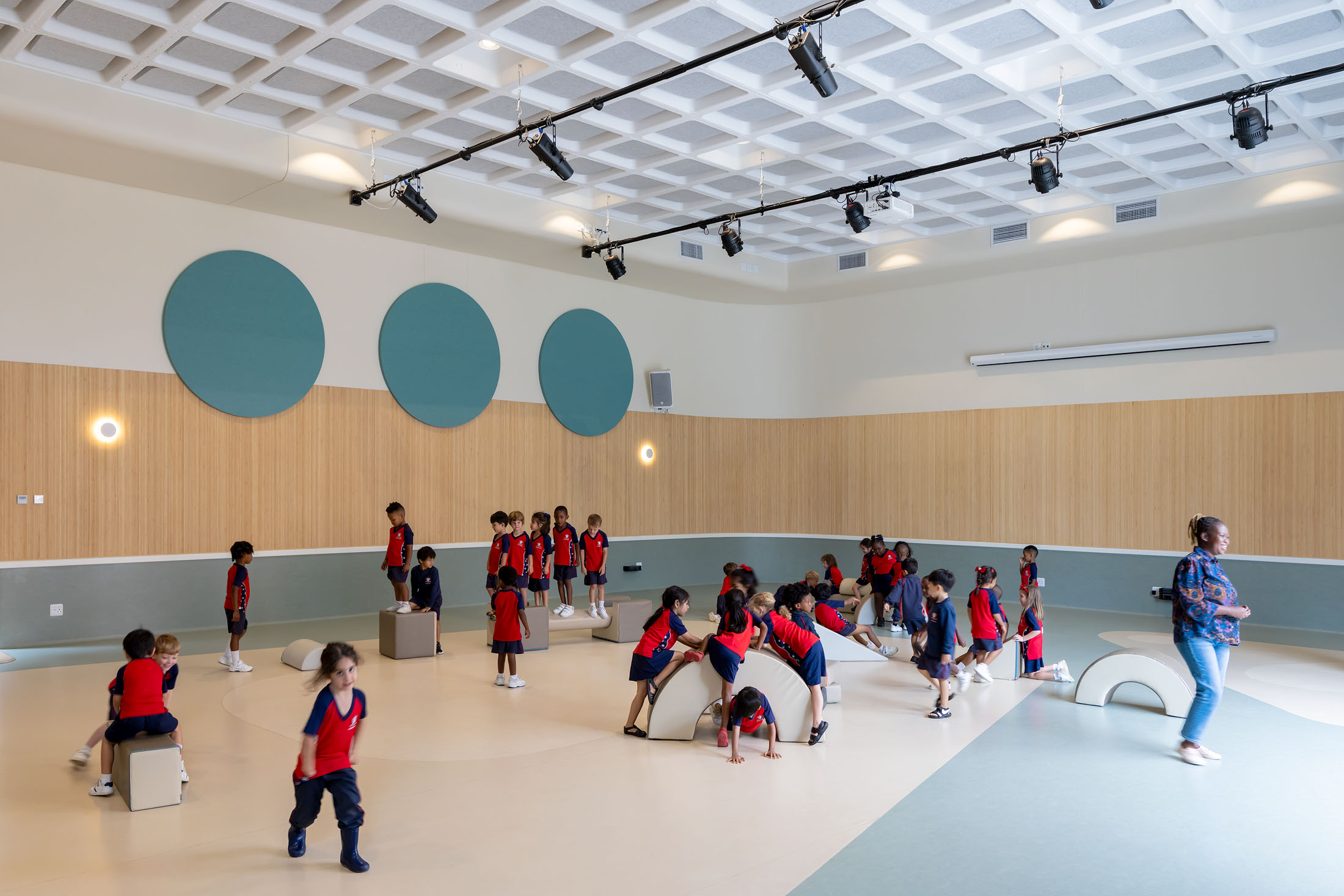
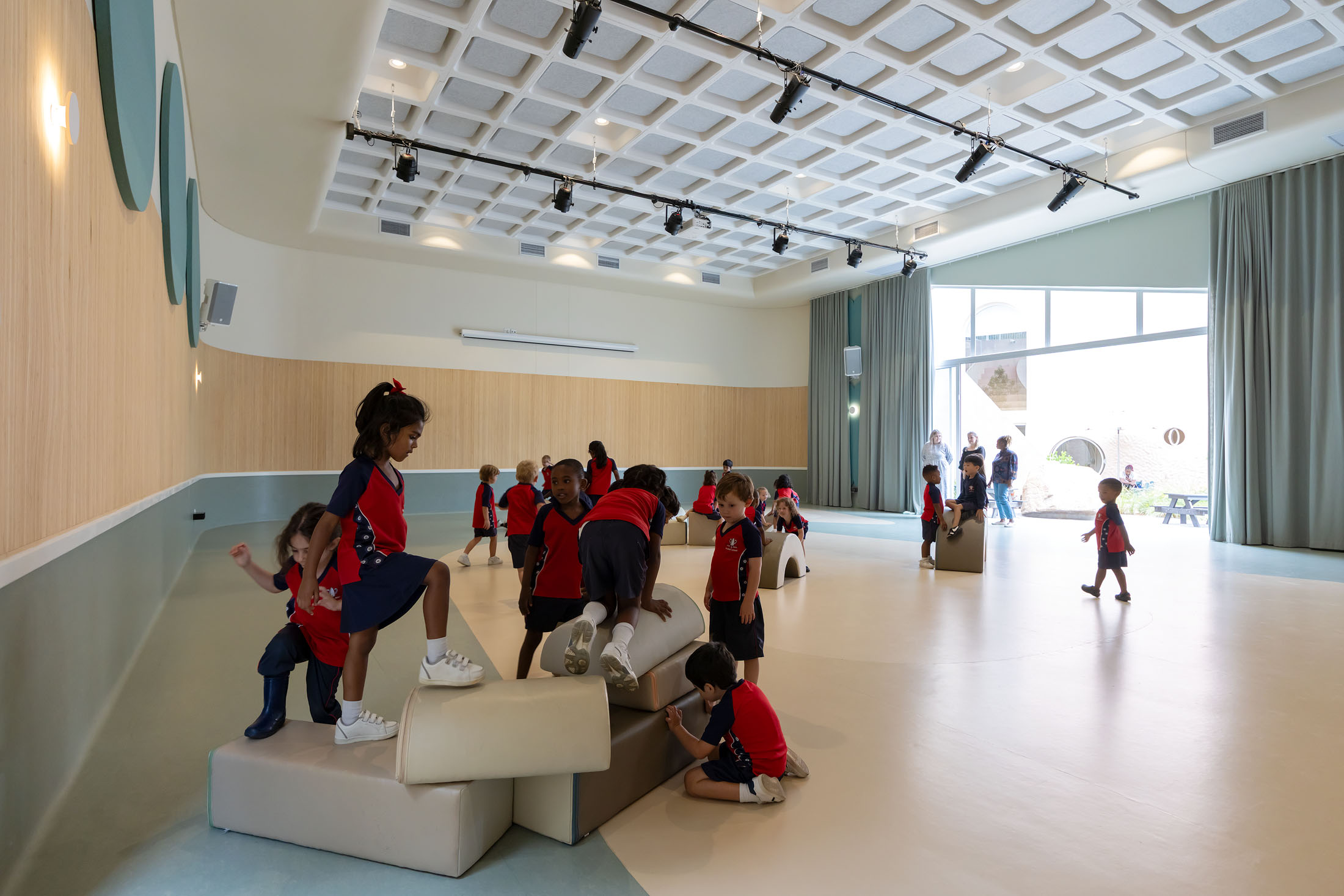
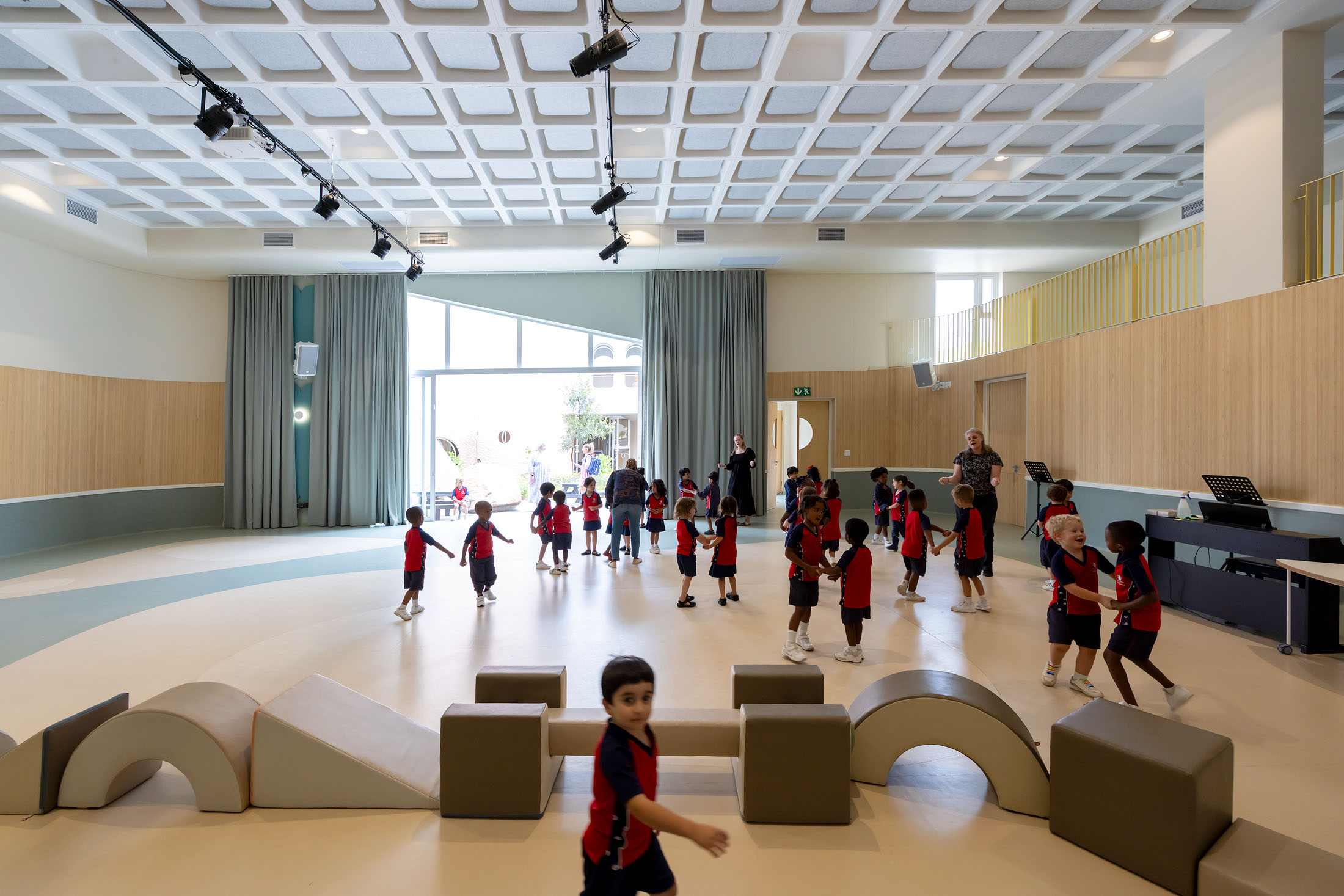
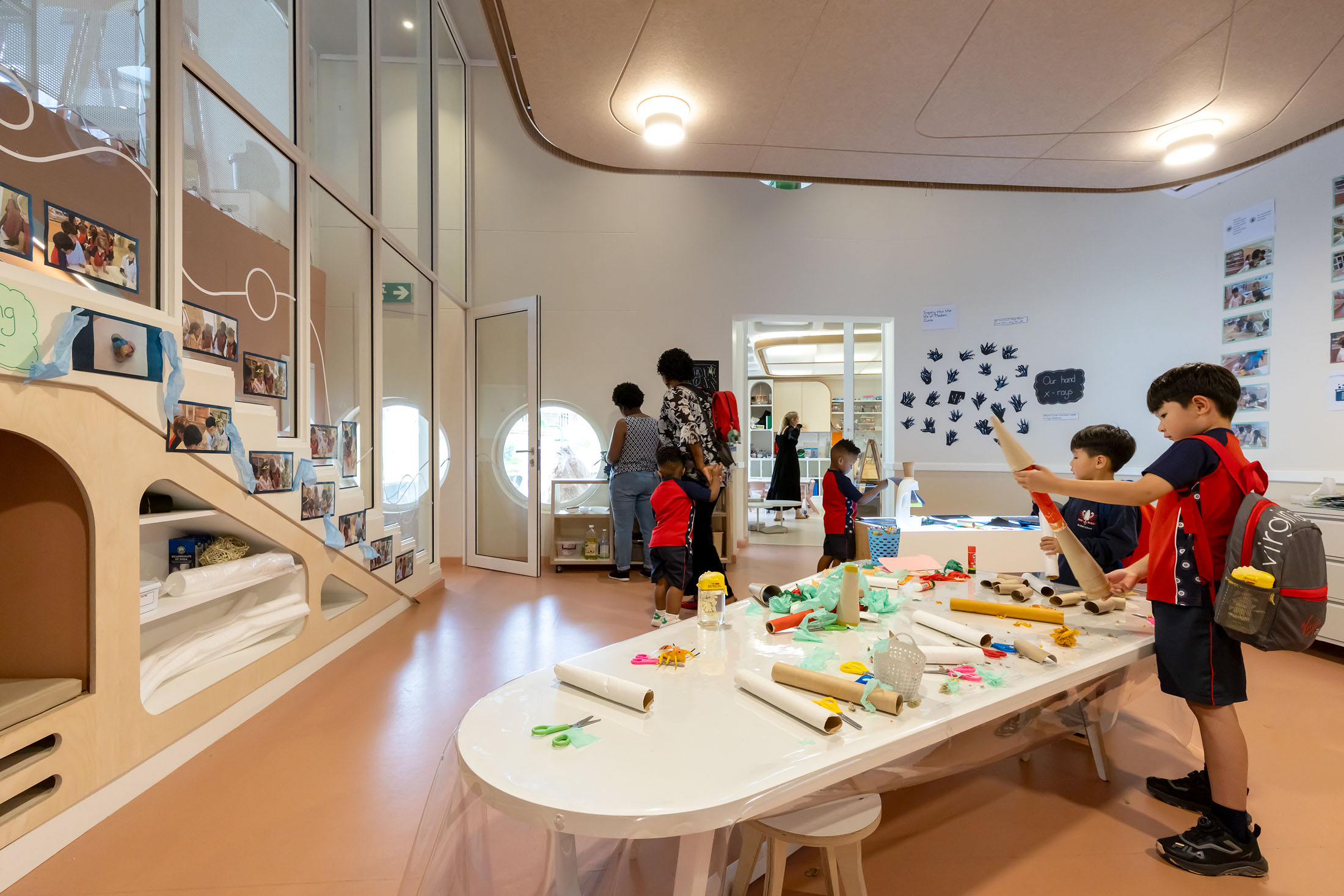
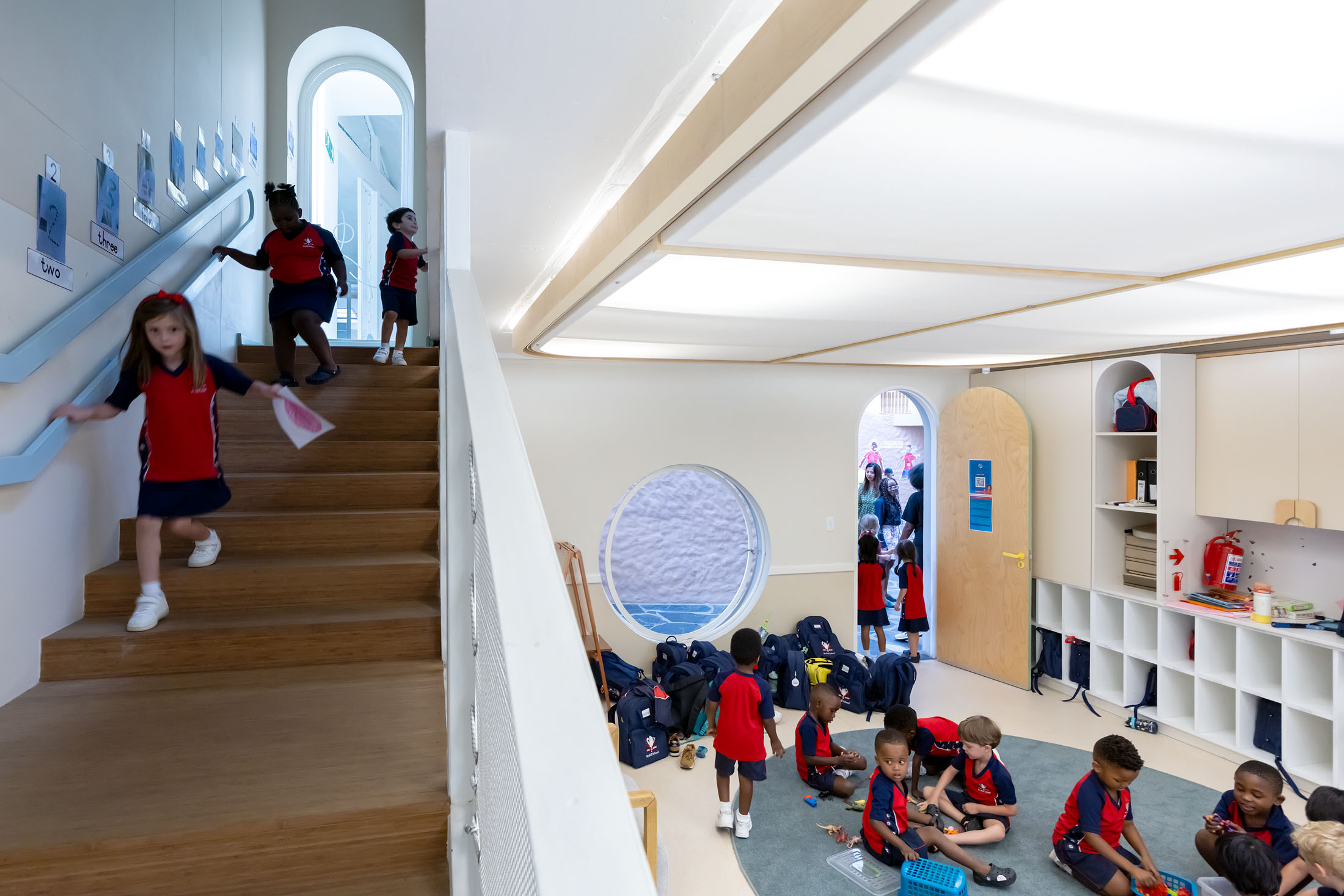
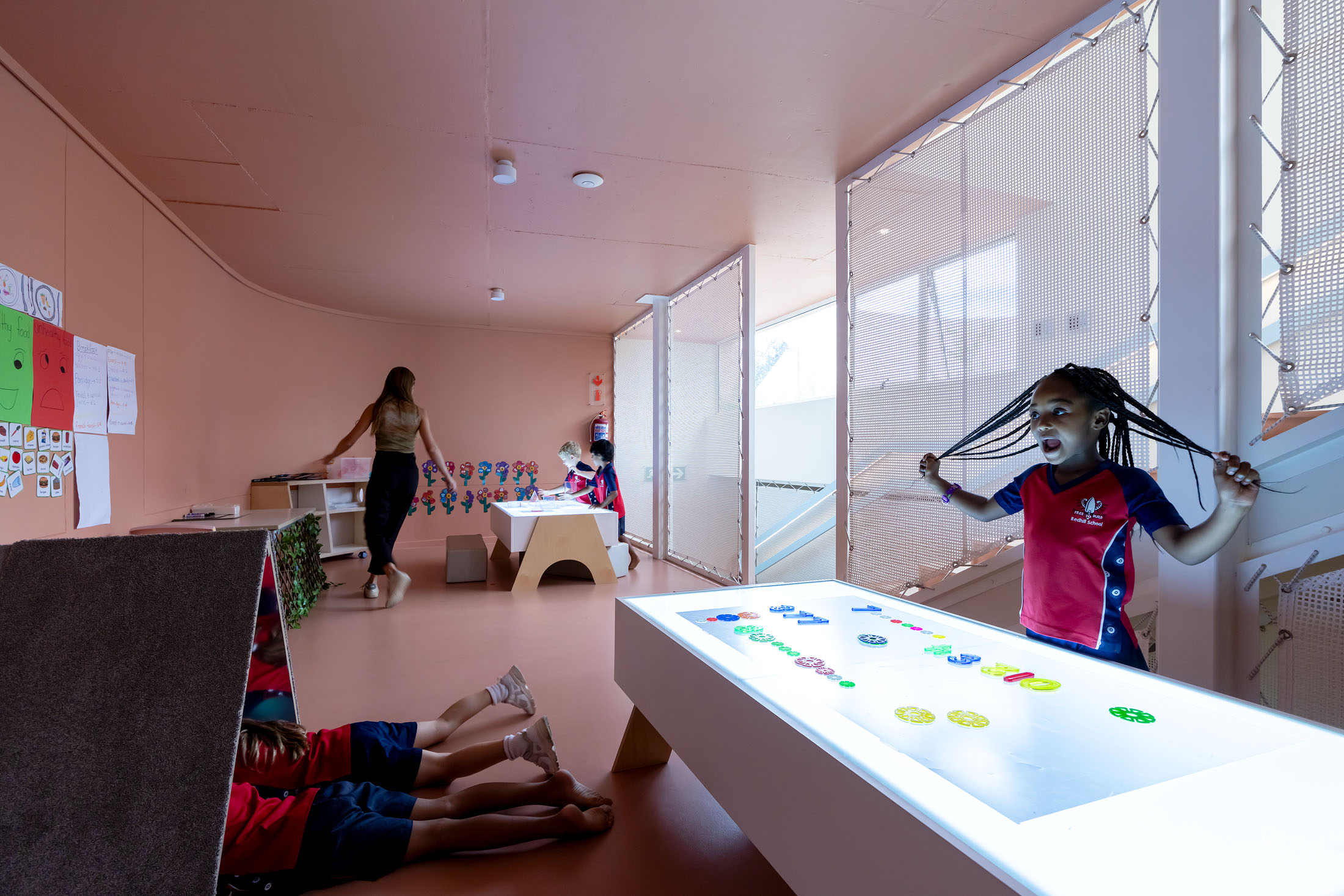
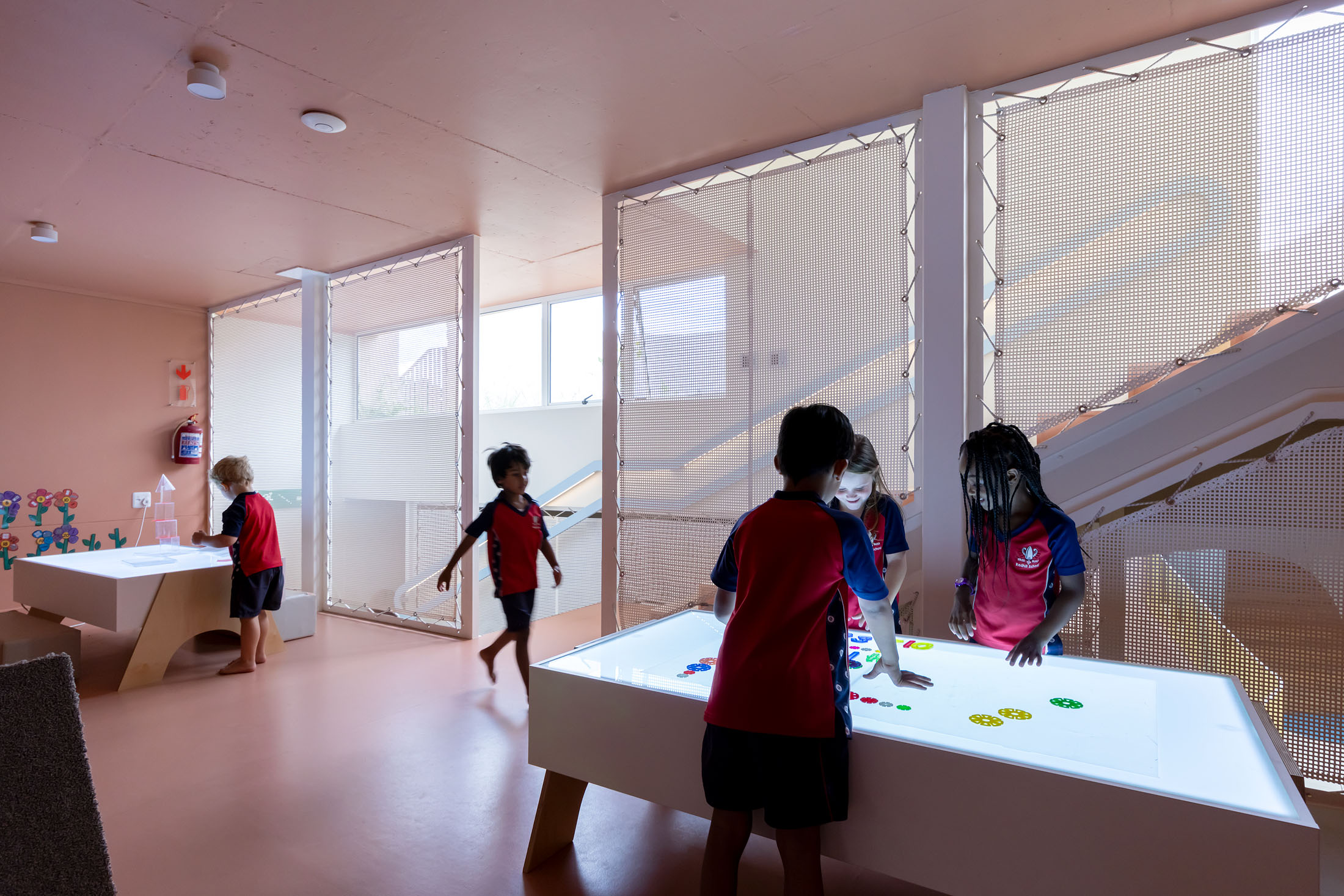
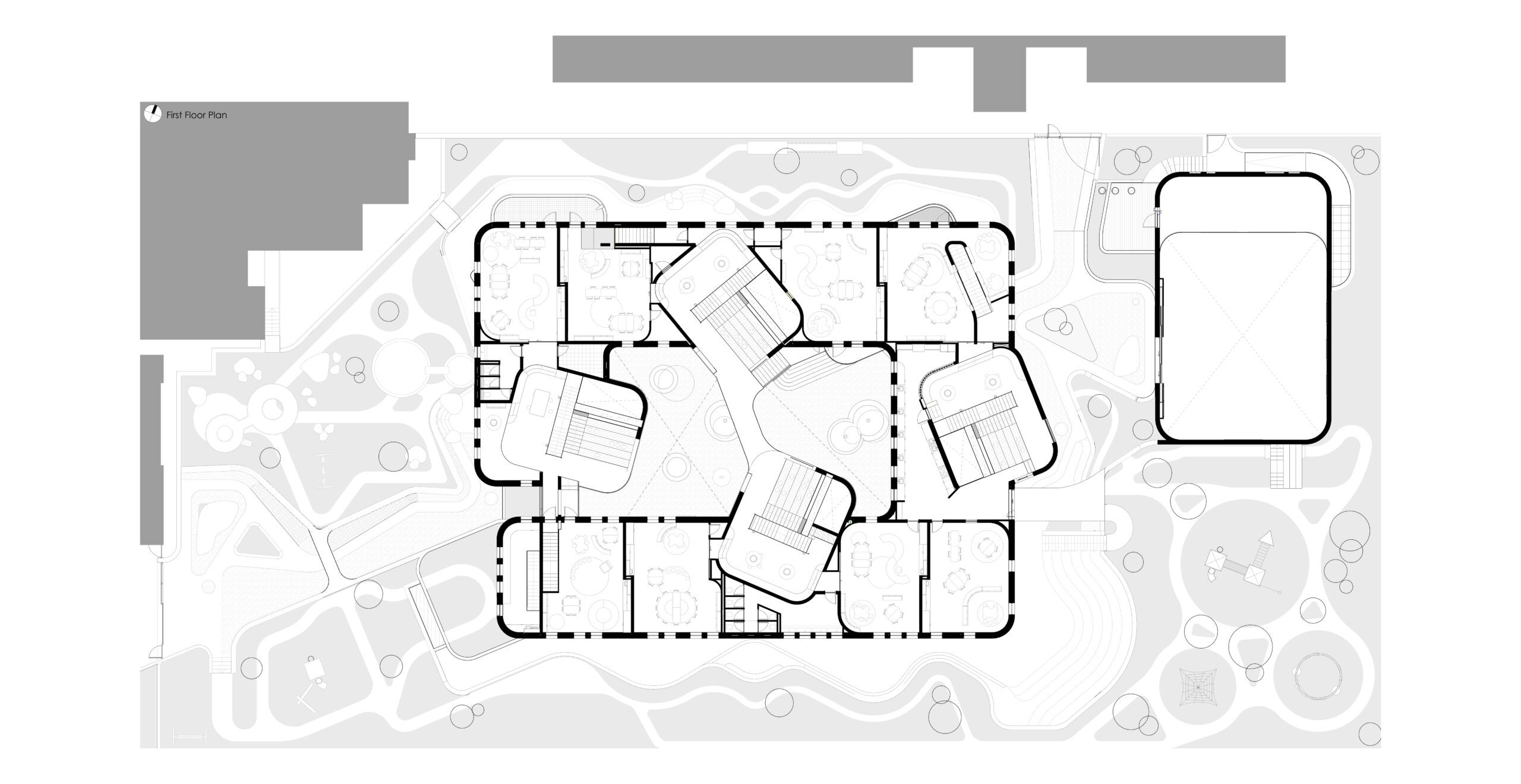
This vibrant heart of the school is encircled by four multi-levelled ateliers – studio spaces where boundaries between ages are softened. Learners grow within their atelier, moving up to higher floors as they advance through the school, enabling diverse age-groups to connect and build understanding through exploration and social interaction. Each atelier houses an amphitheatre, light room, art studio and rooftop garden serving as extensions of the classroom spaces connected. This allows for both structured learning and spontaneous discovery, extended further by outdoor space.
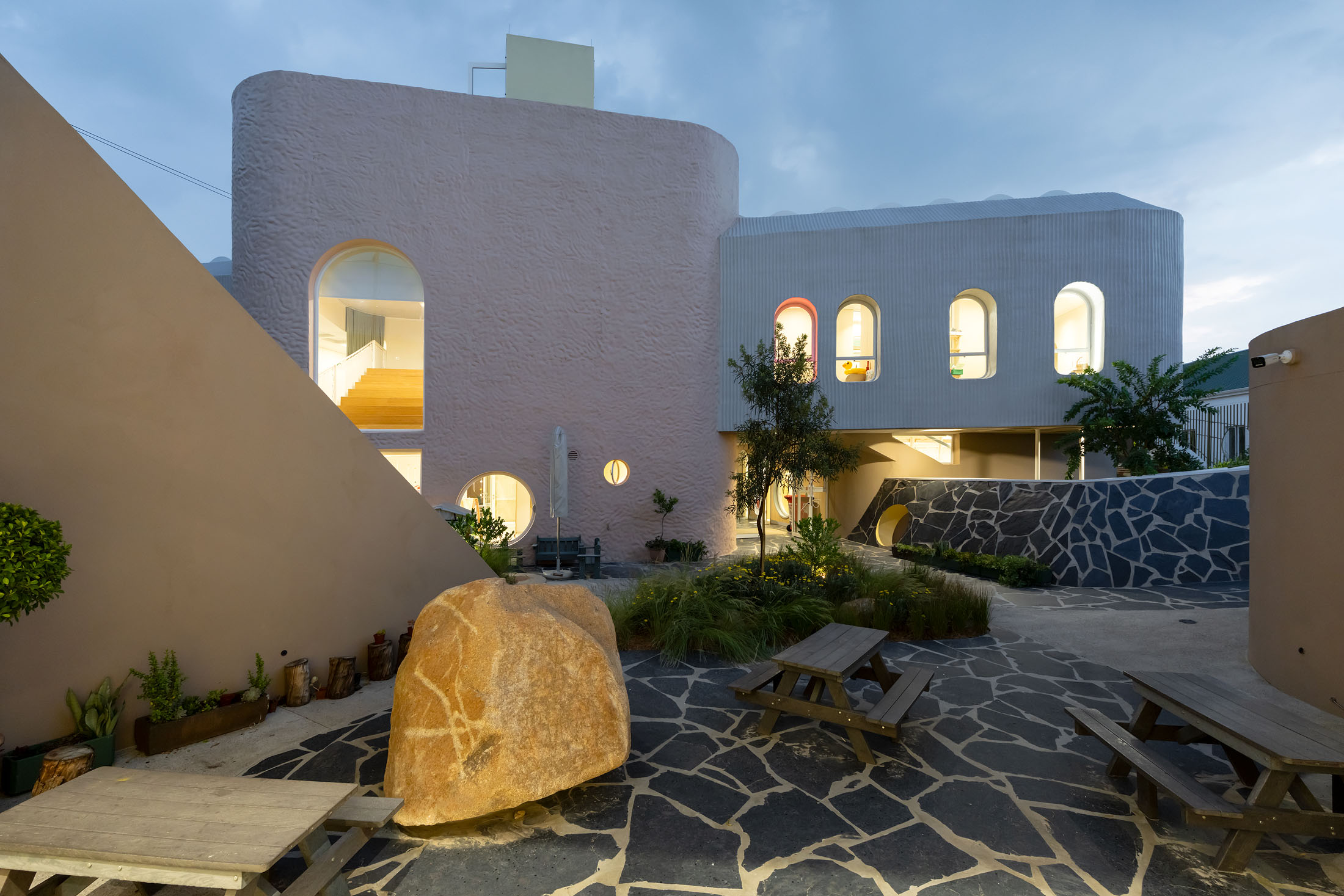
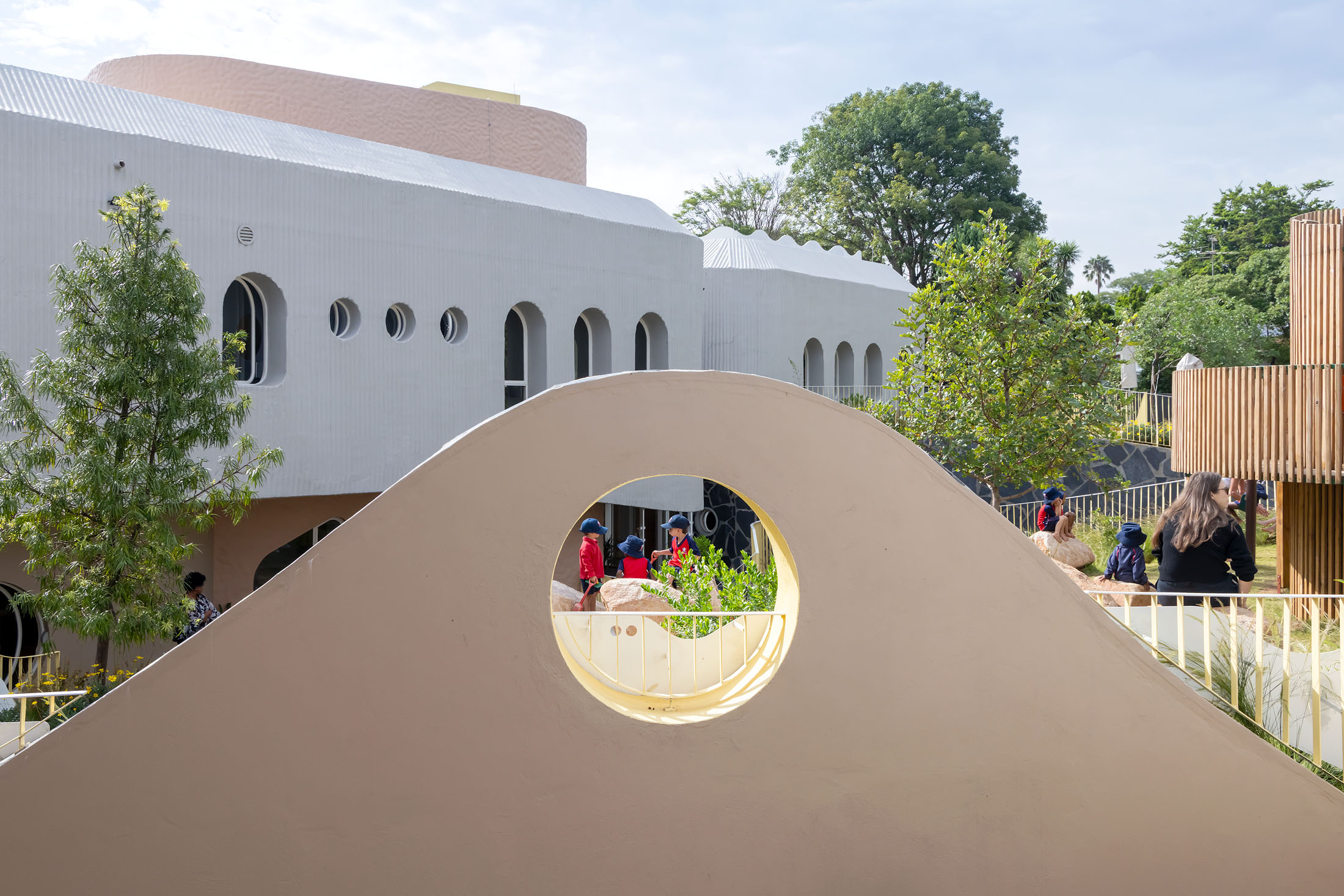
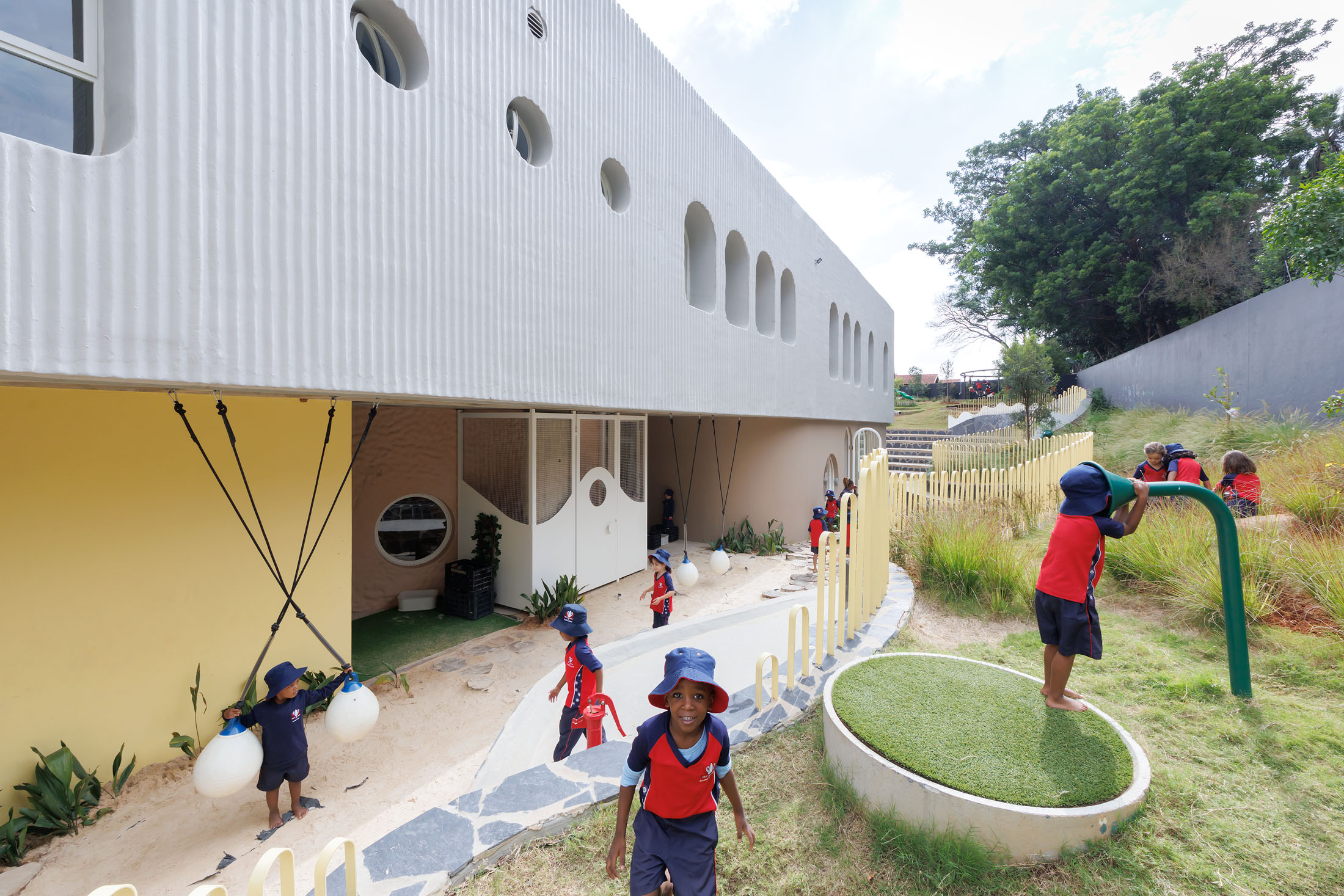
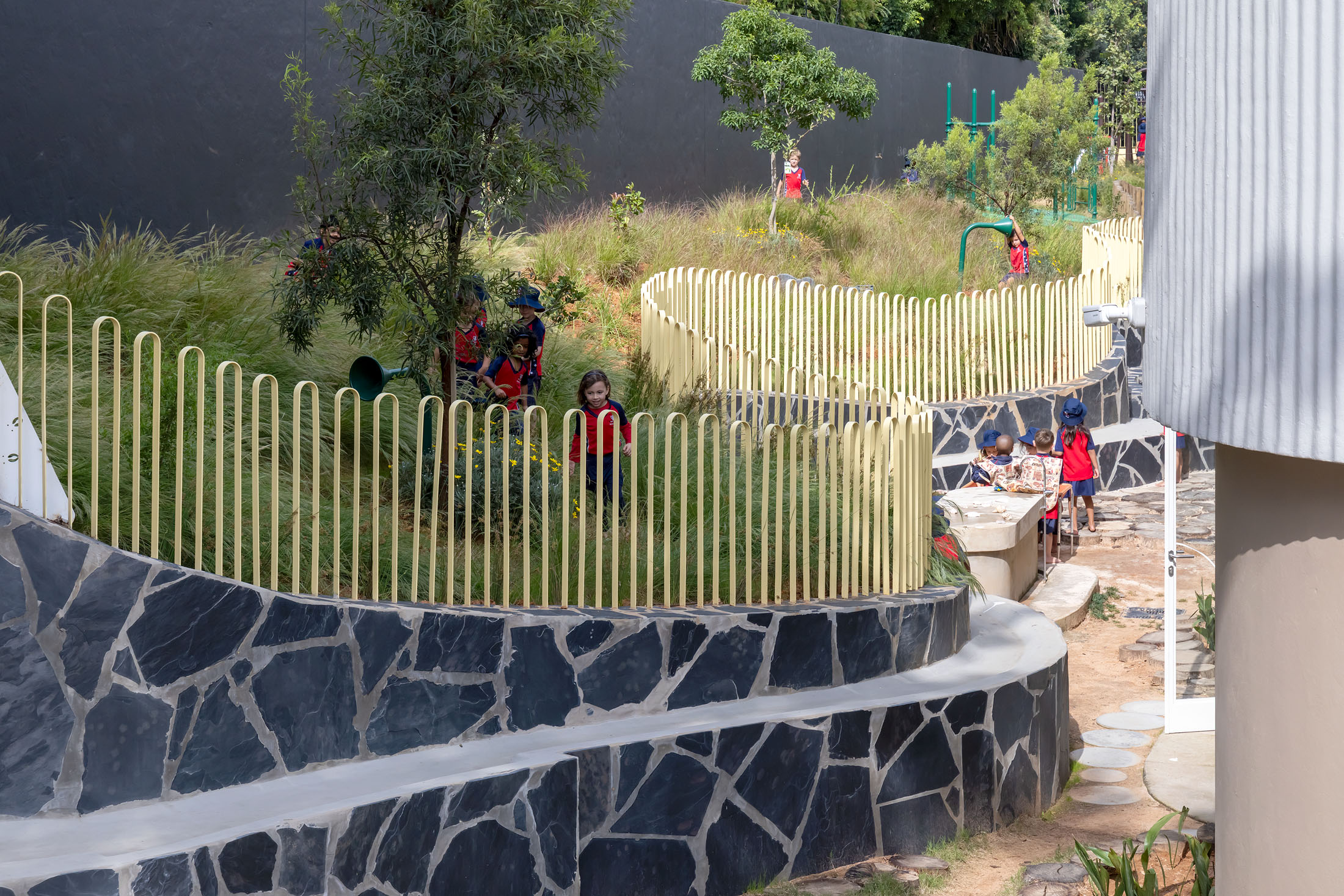
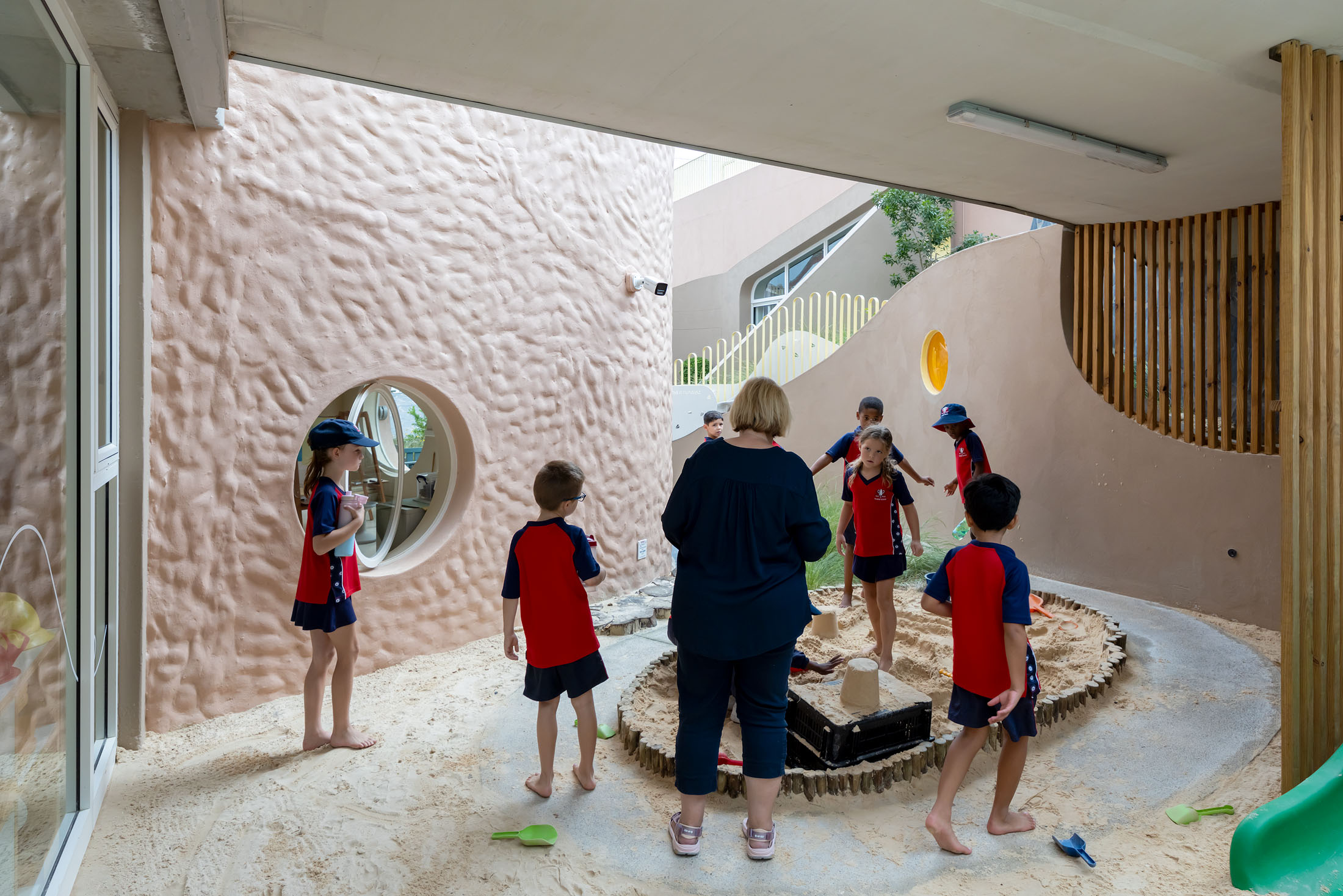
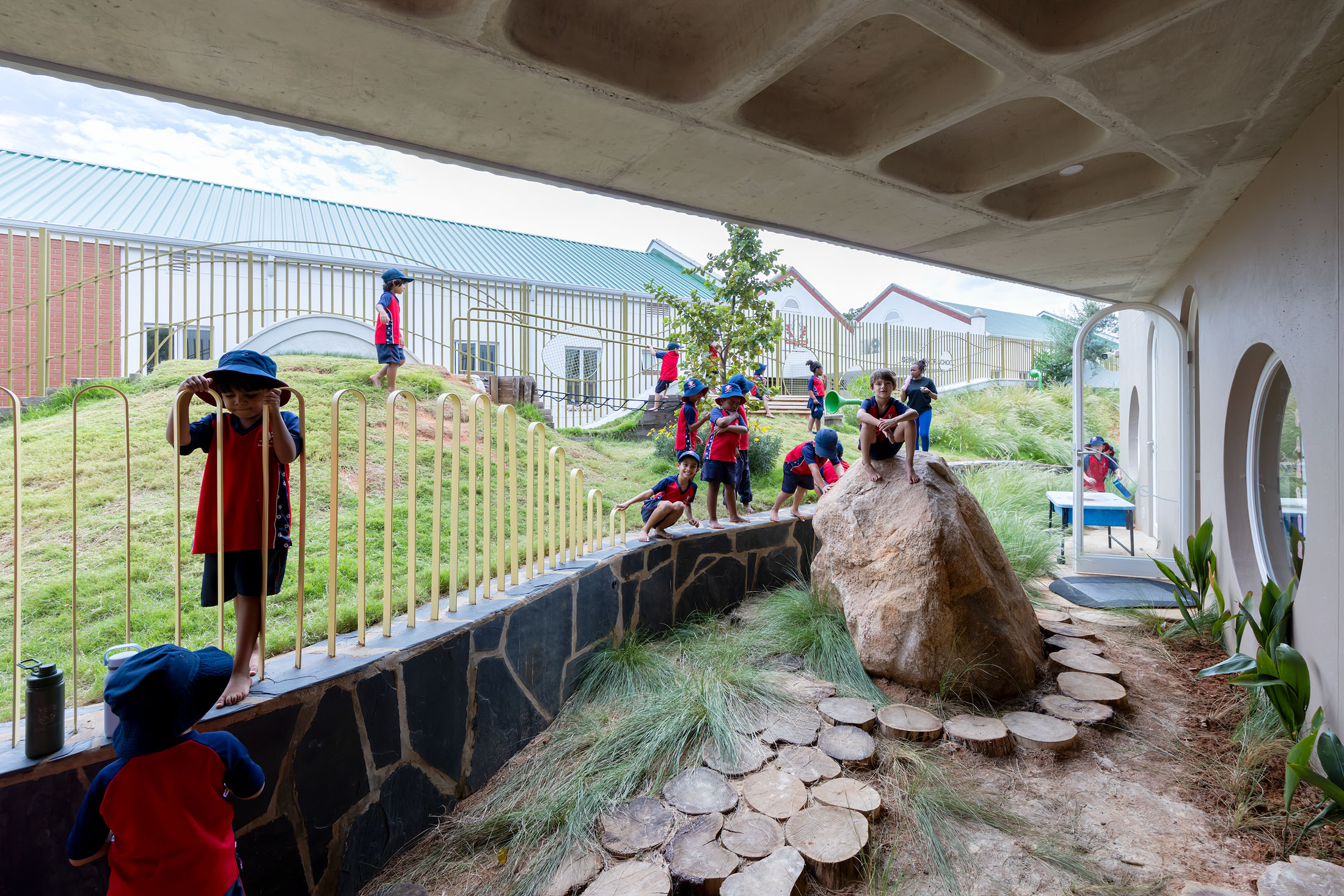
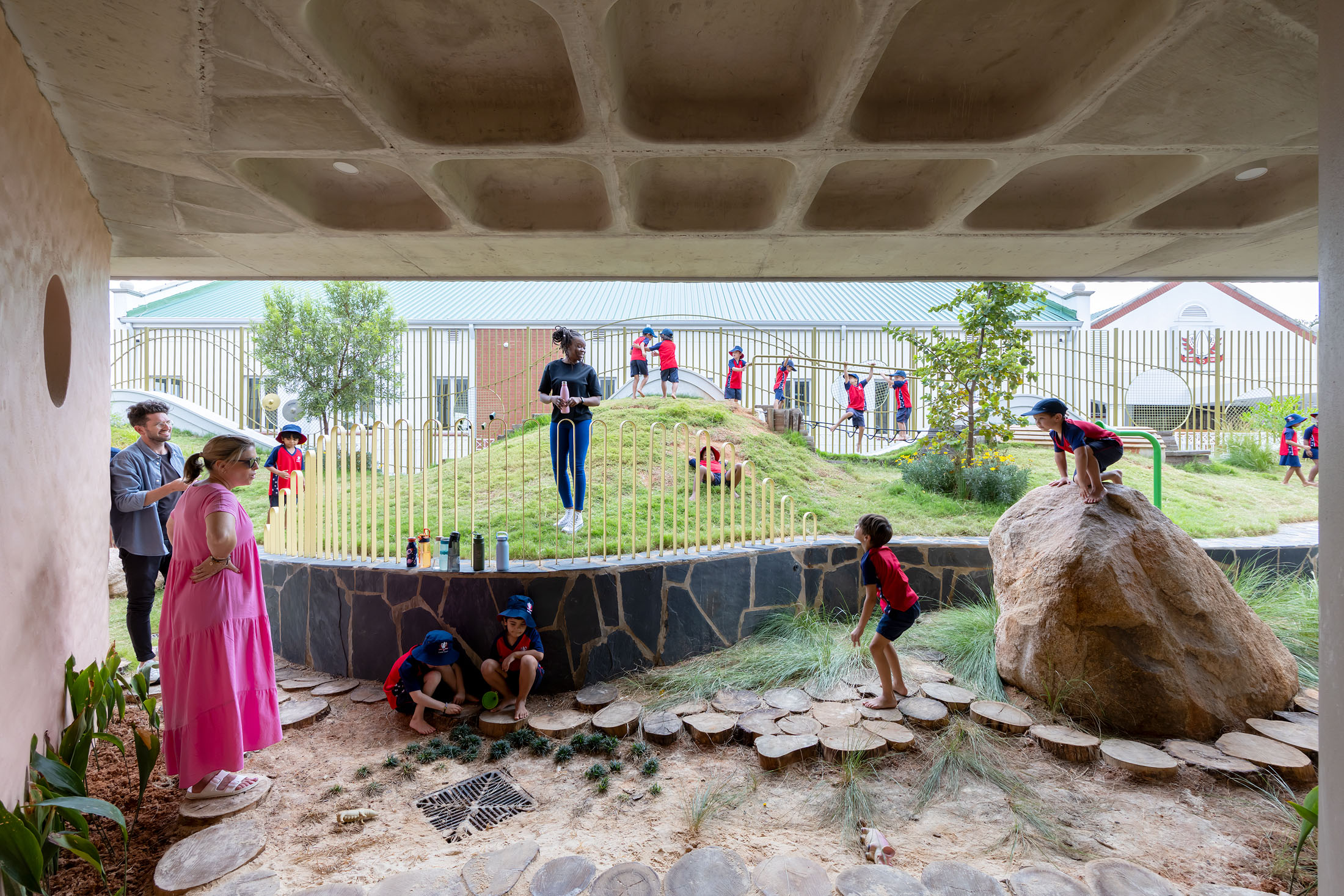
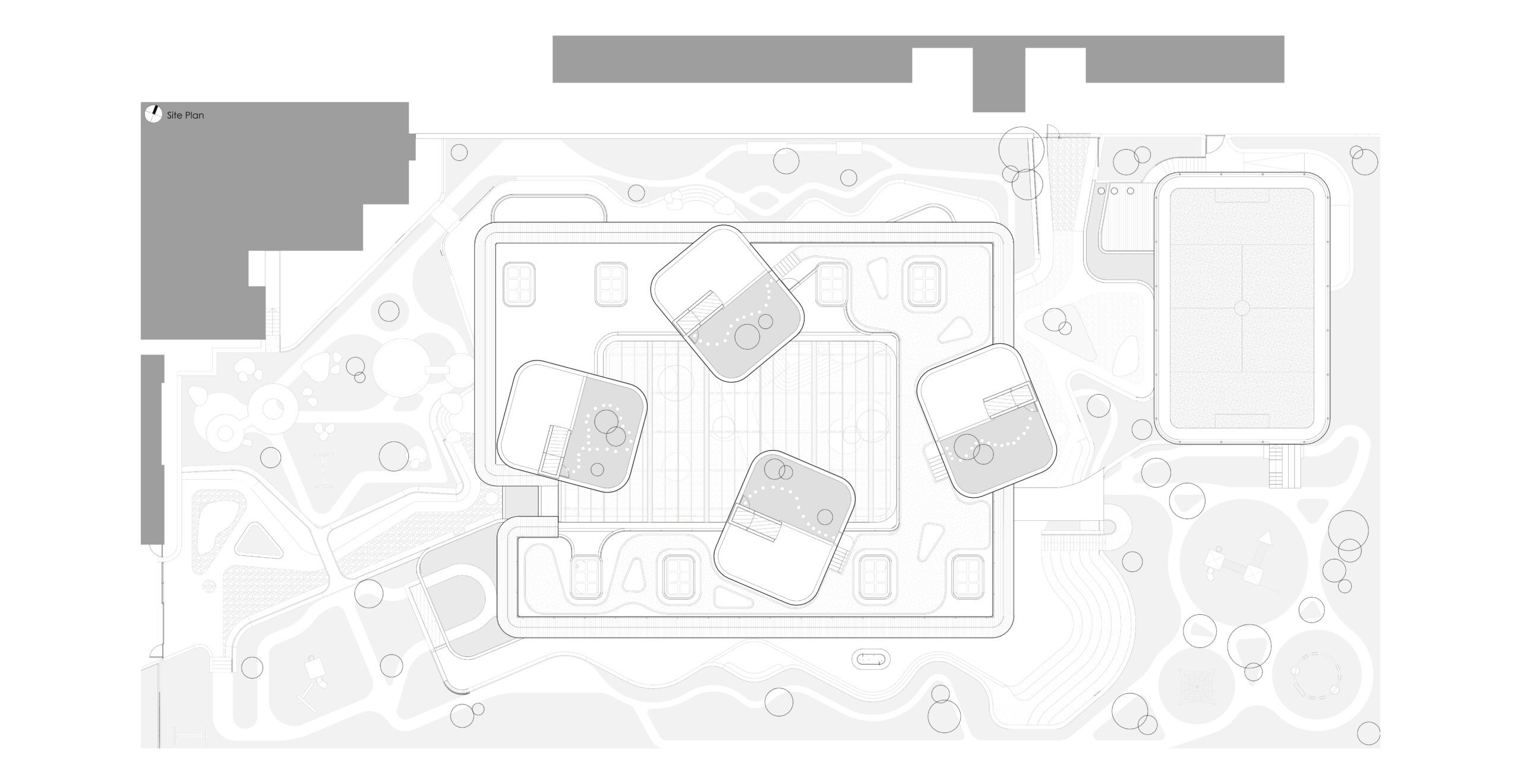
The building is held by the undulating park. Carefully designed in collaboration with play specialists and therapists, the environment offers a wide range of play opportunities encouraging all types of movement. Various levels of play, geared to developmental skills for each age-group, are subtly merged with indoor spaces offering a sense of freedom through exploration. Play extends from the ground level to rooftop soccer fields and bike-tracks providing dedicated zones for high-energy activities.

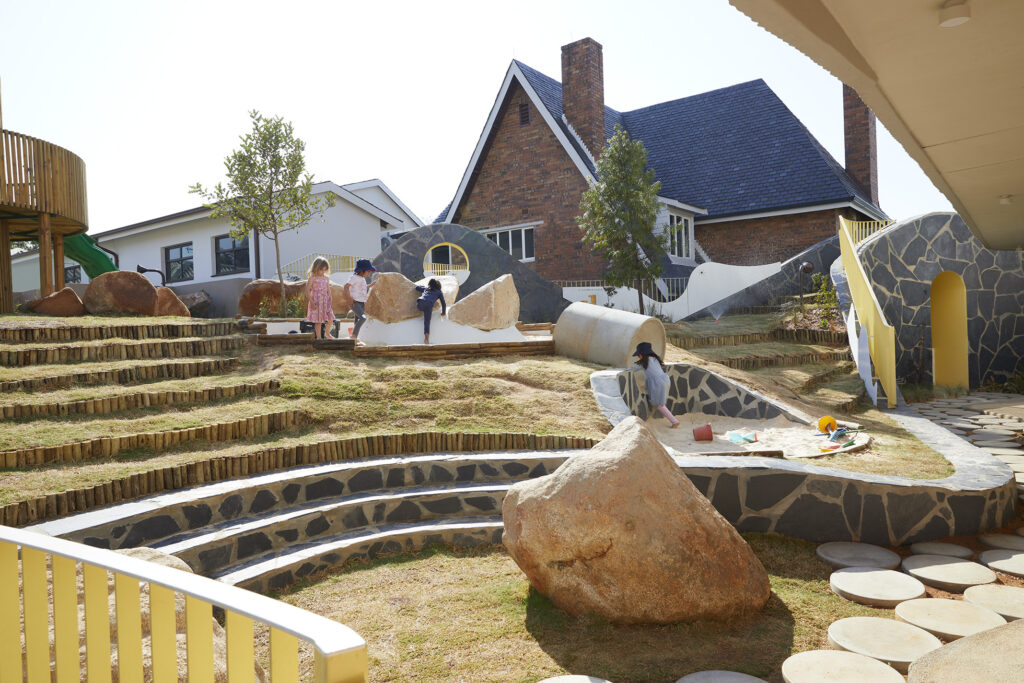
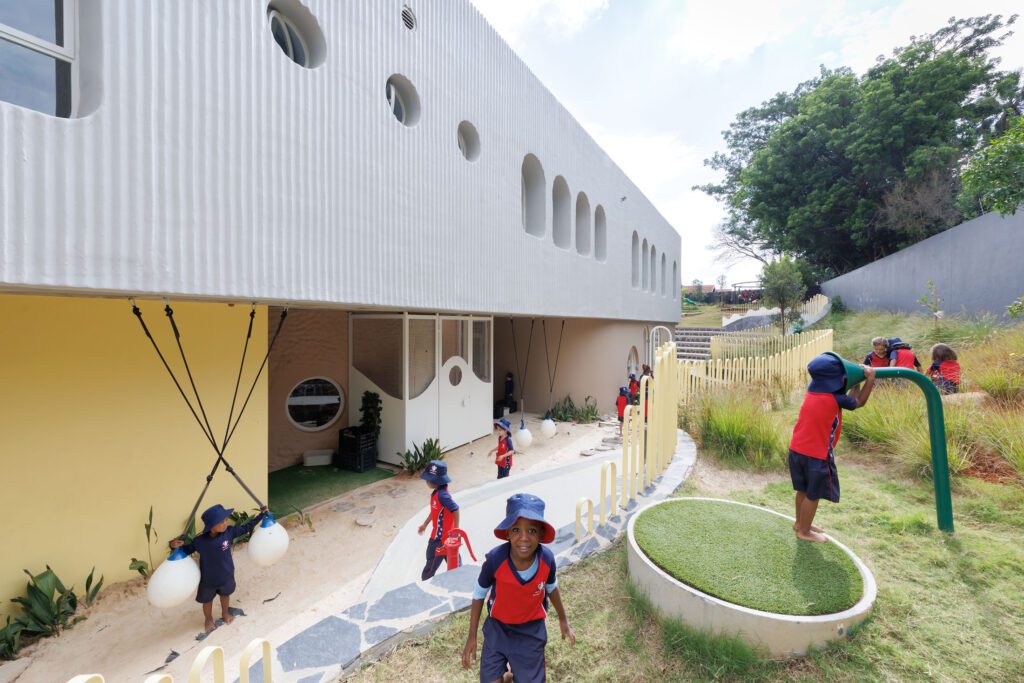
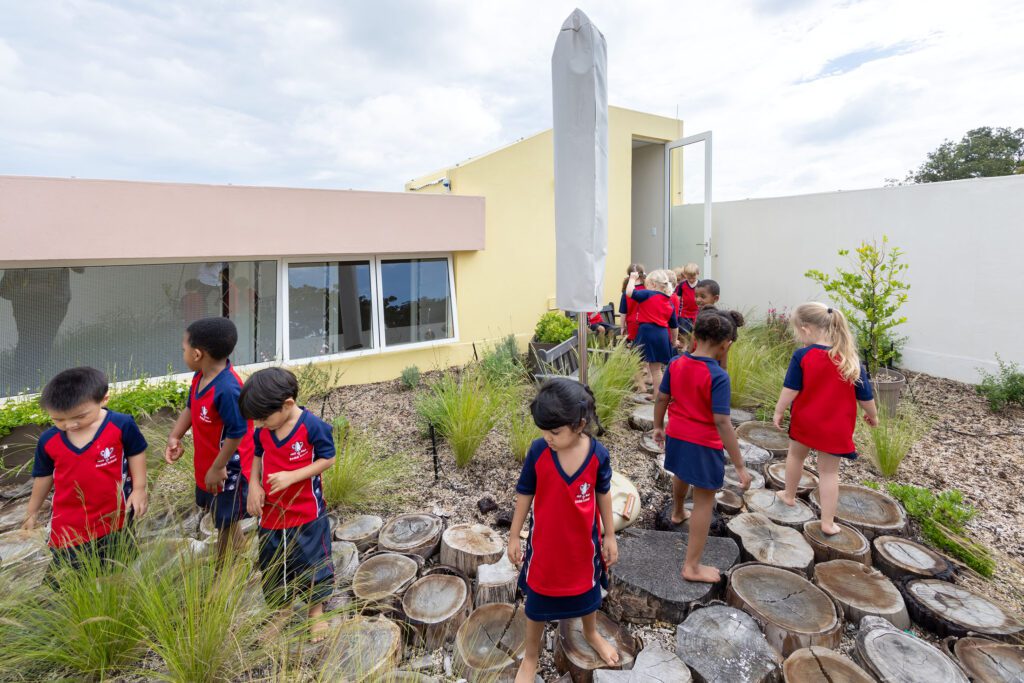
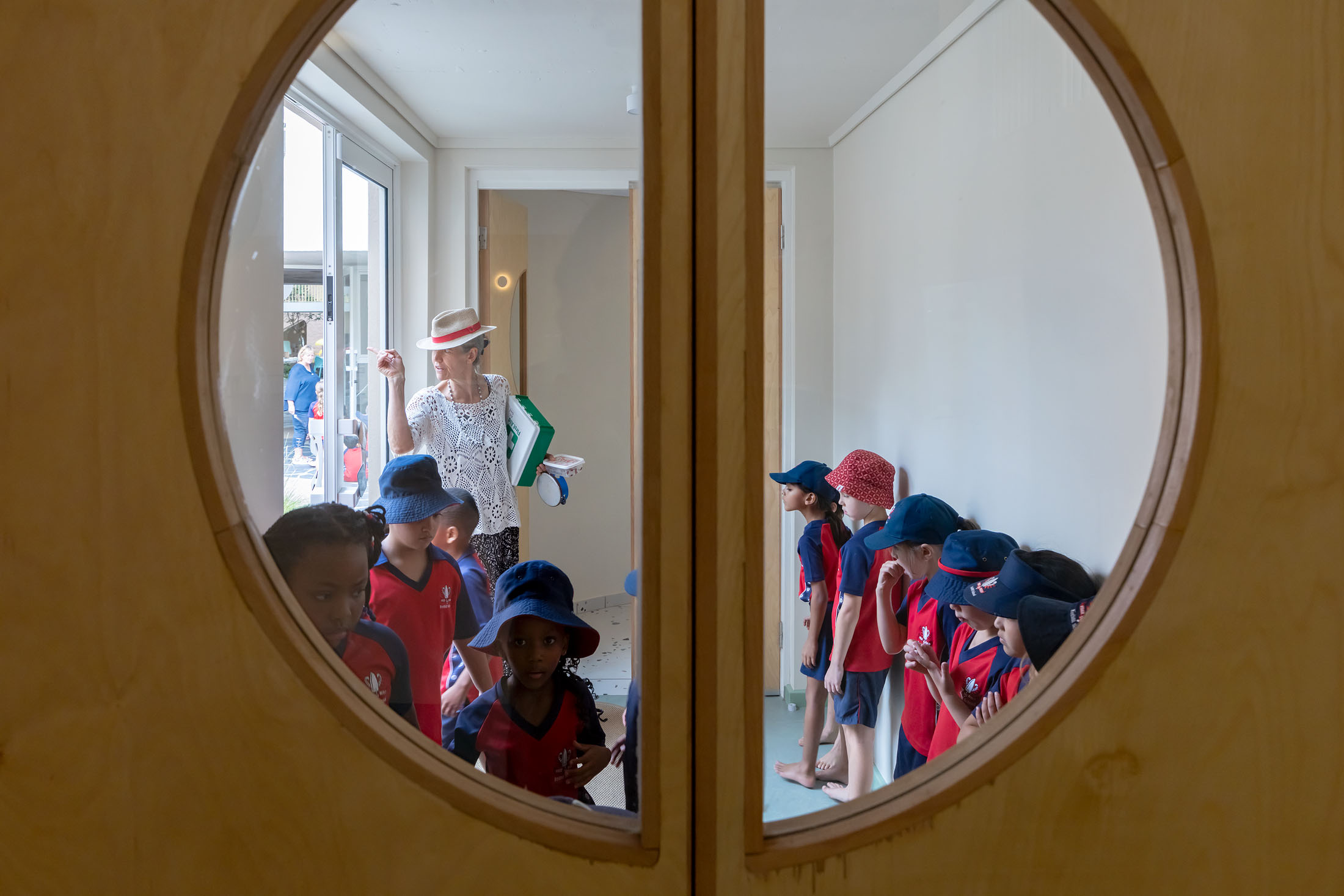
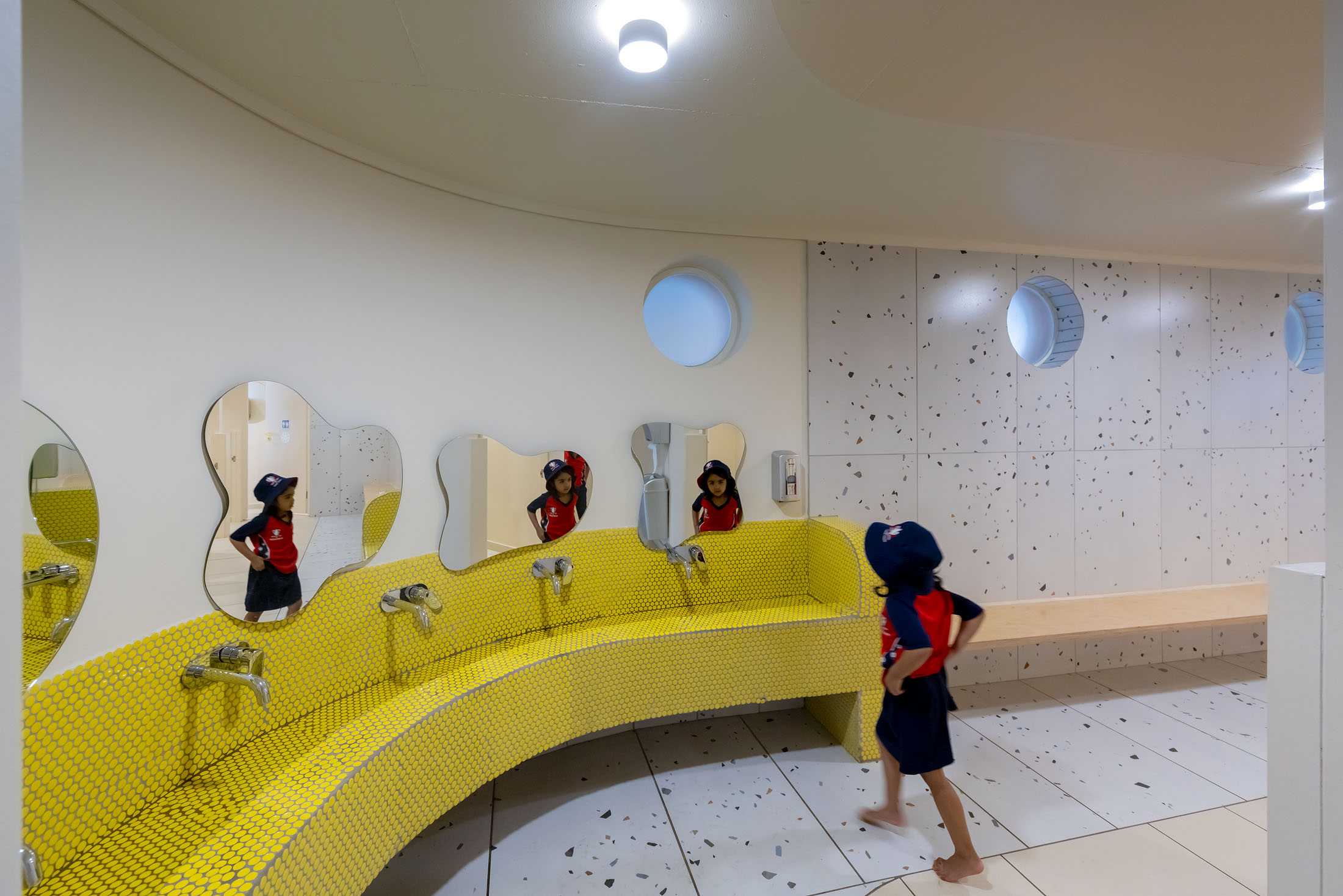
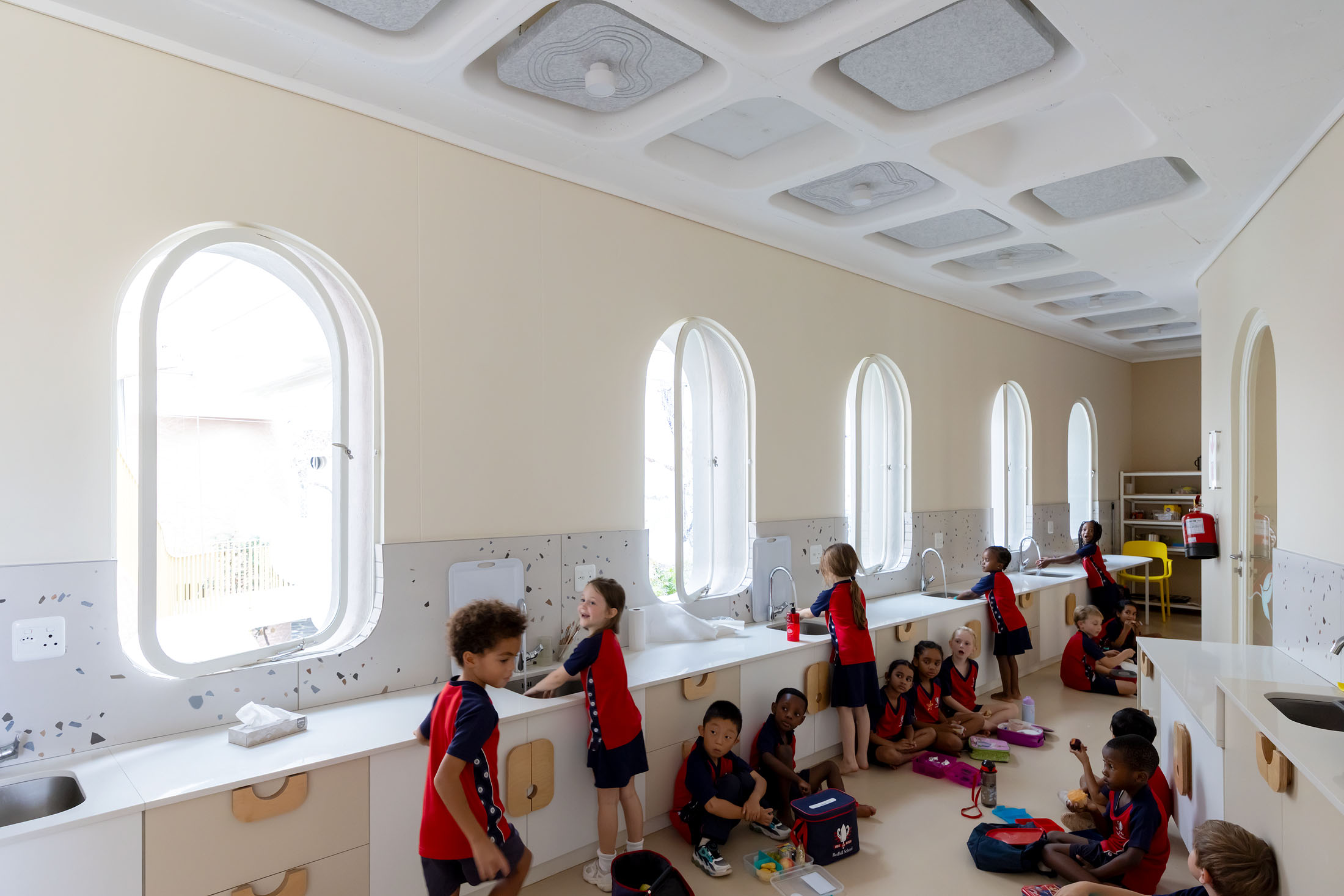
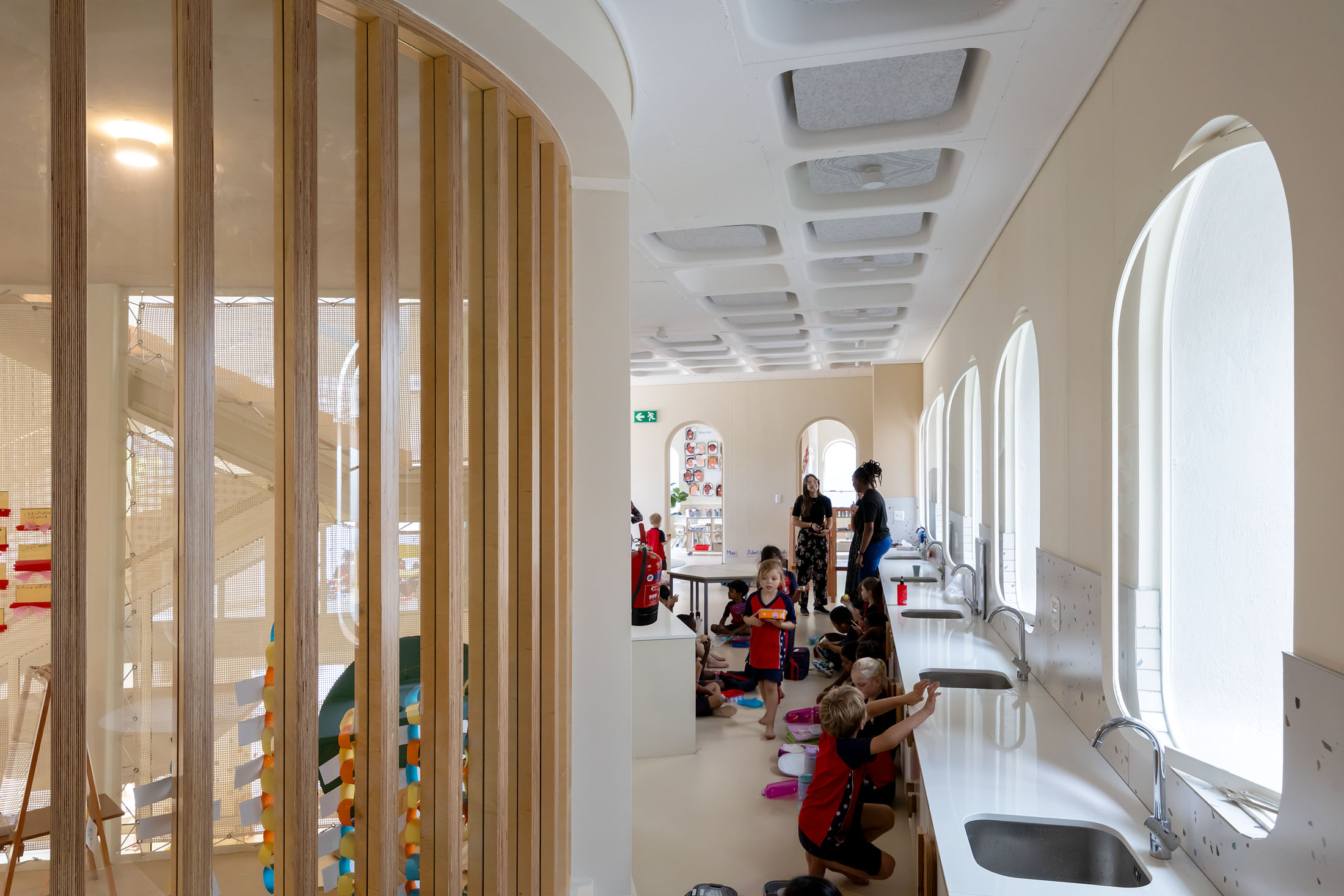
Attention to detail extends to every aspect of the school, from the furniture and finishes to the functioning of the layout, all designed by the architects with a child’s perspective in mind.
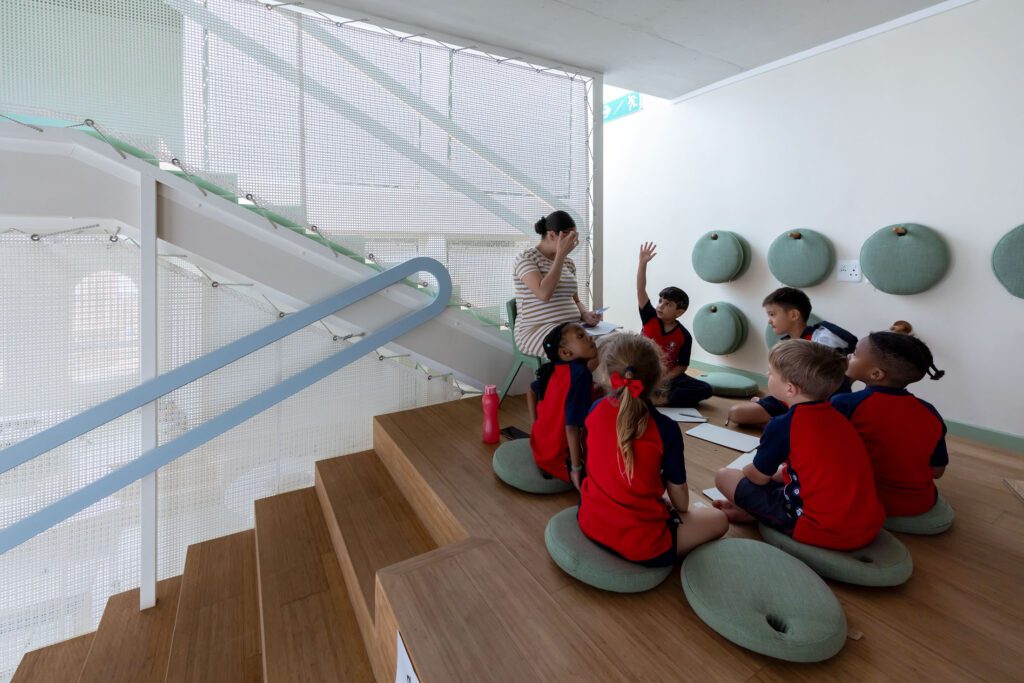
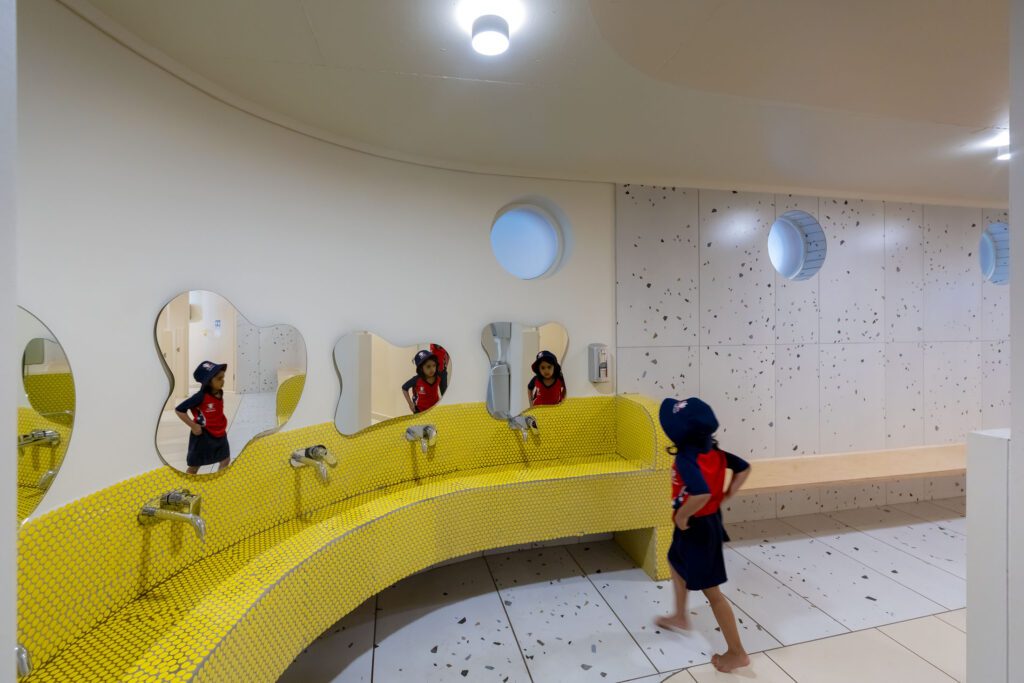
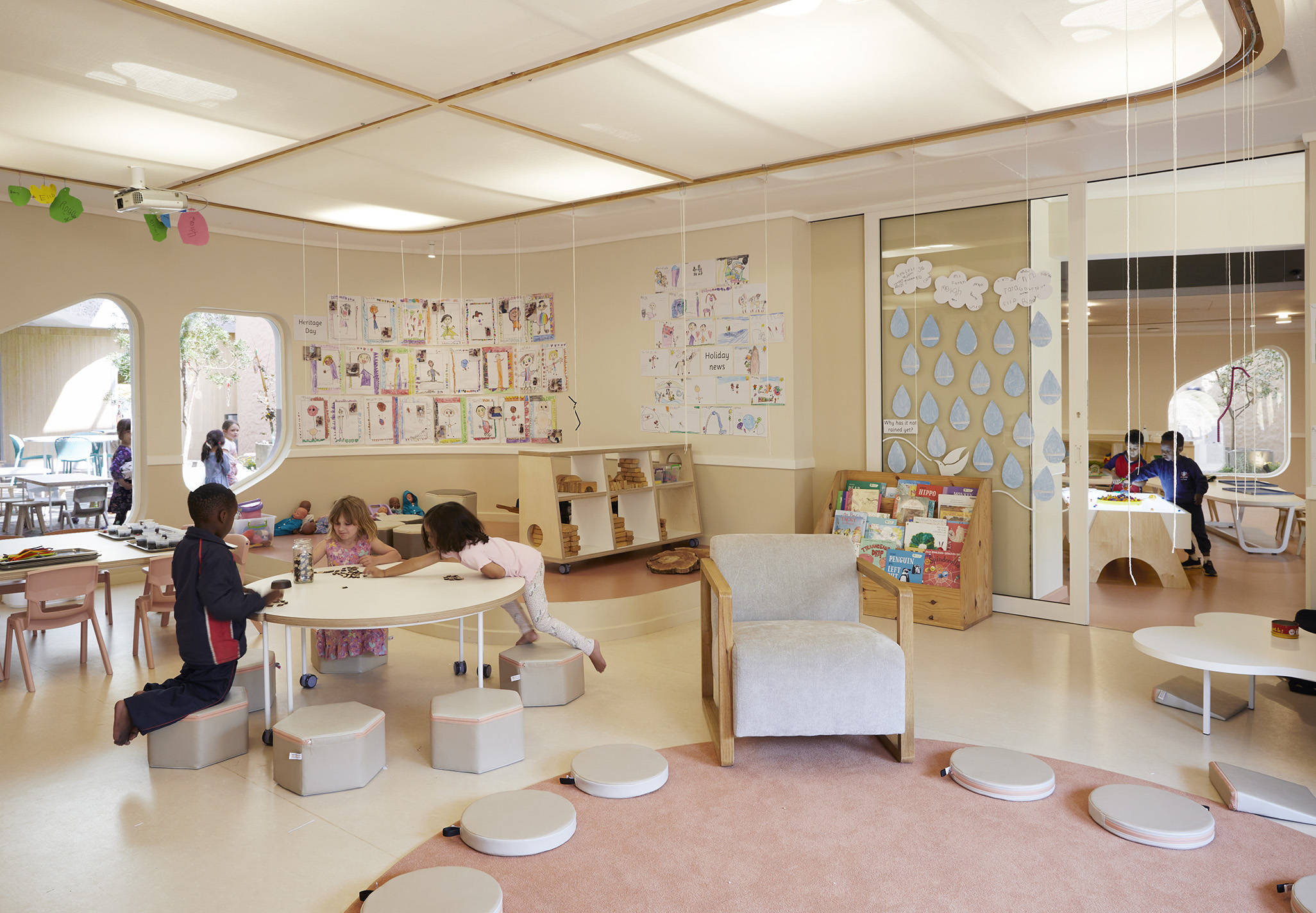
The result is an approachable learning space that feels like a journey, delicately underwritten by meticulous organisation to support both educational and emotional development.
Project Gallery:
Cite: “The Redhill Early Learning Centre, Sandton, South Africa / Hubo Studio 25 February 2026. GLSN. Accessed . https://theglsn.com/redhill-early-learning-centre-waf-award-hubo-studio/